


Iran-US Ceasefire Stabilizes Middle East Trade Routes | Shipping Cost Relief for Cross-Border Sellers
- Two-week ceasefire reduces Strait of Hormuz shipping risk; sellers expect 8-15% logistics cost decline by Q2 2025




)





















Overview
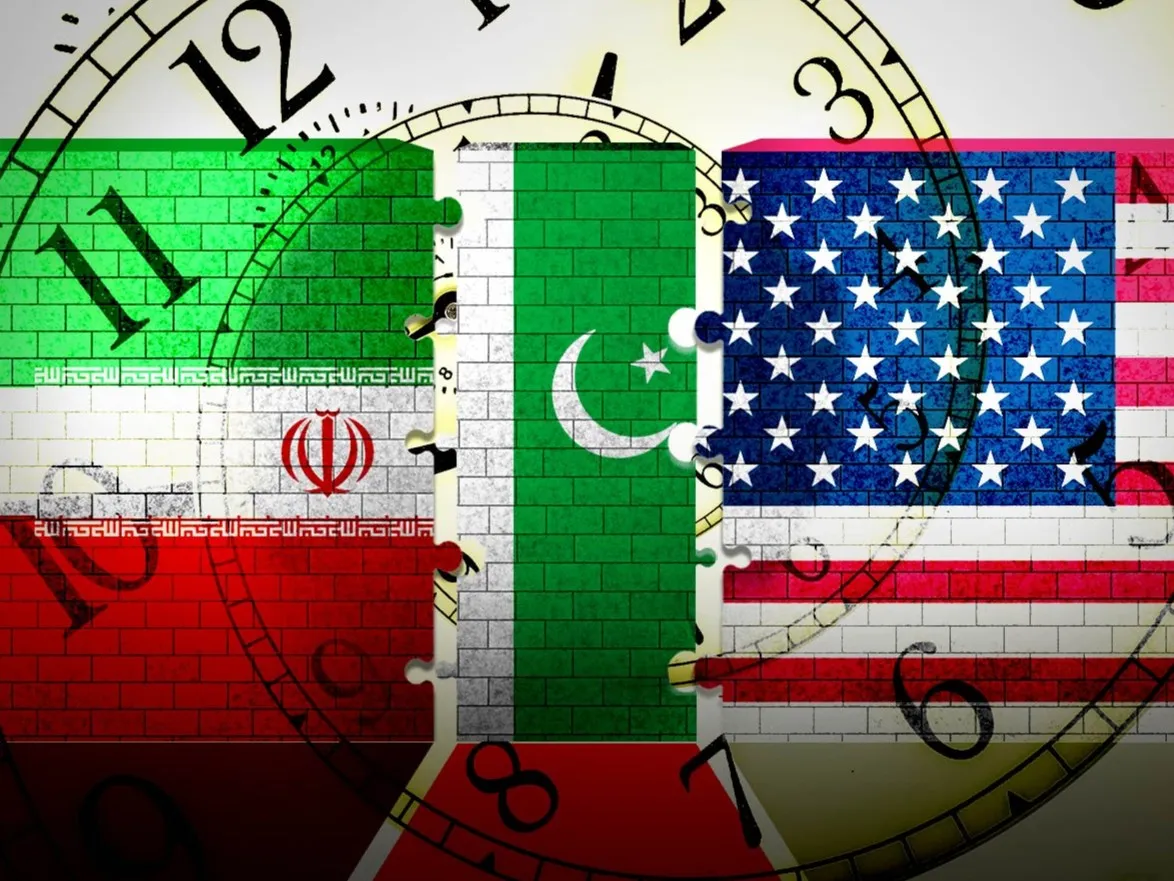
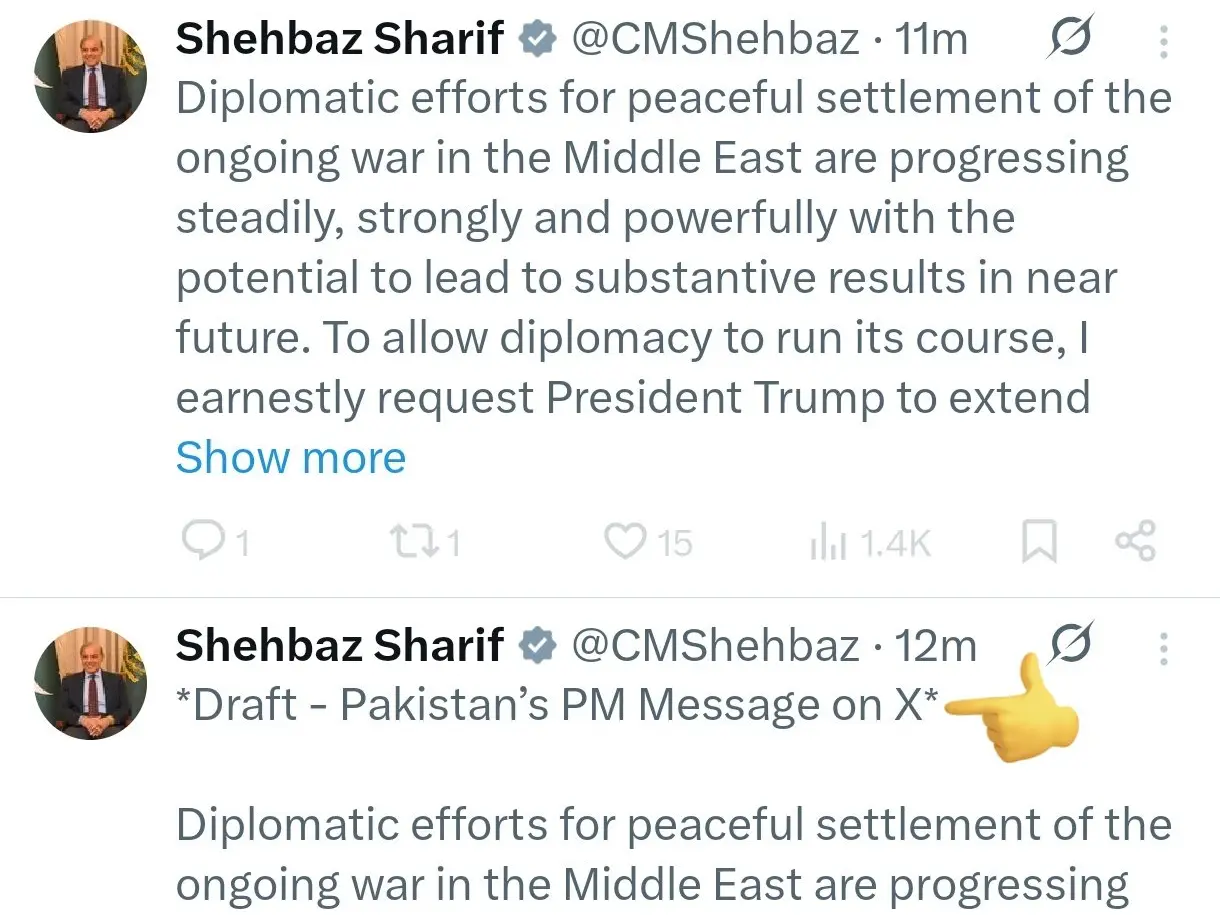
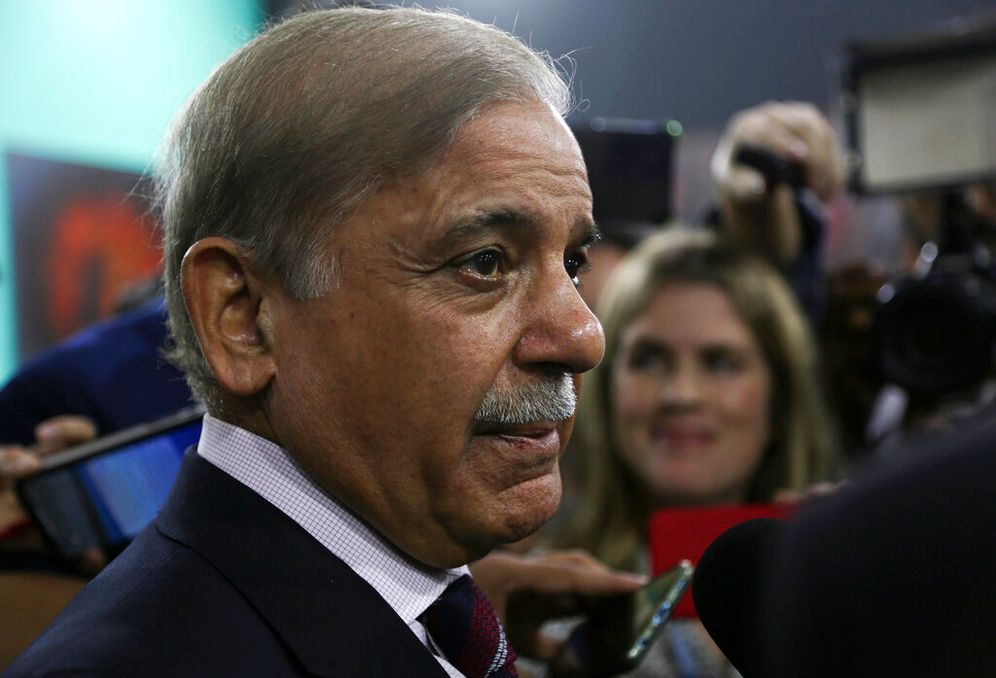
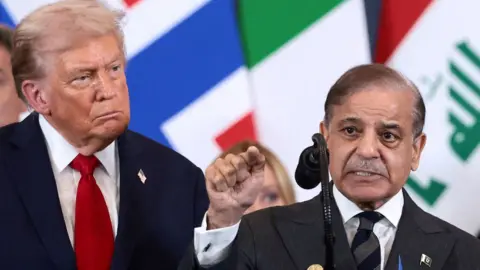
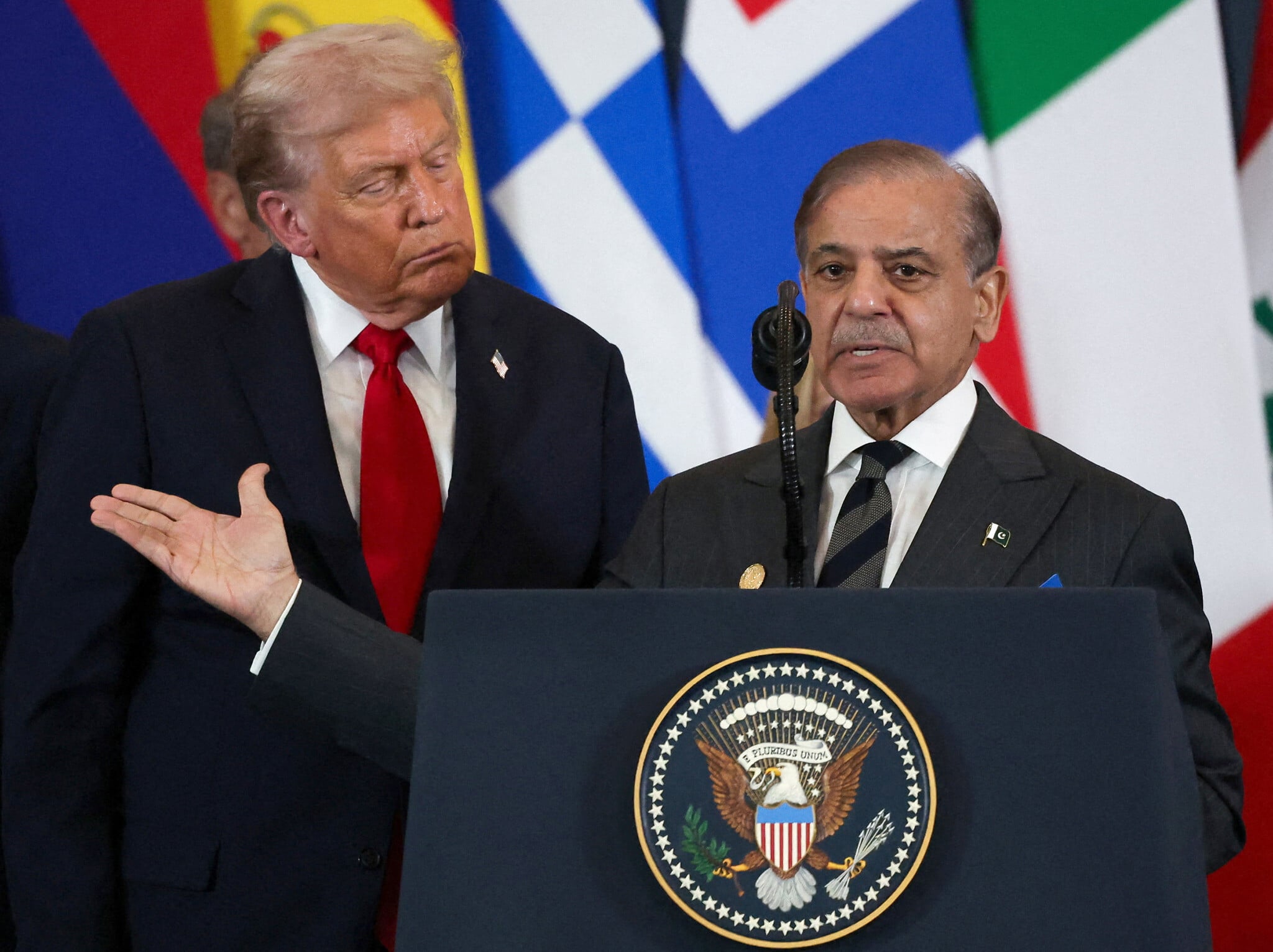
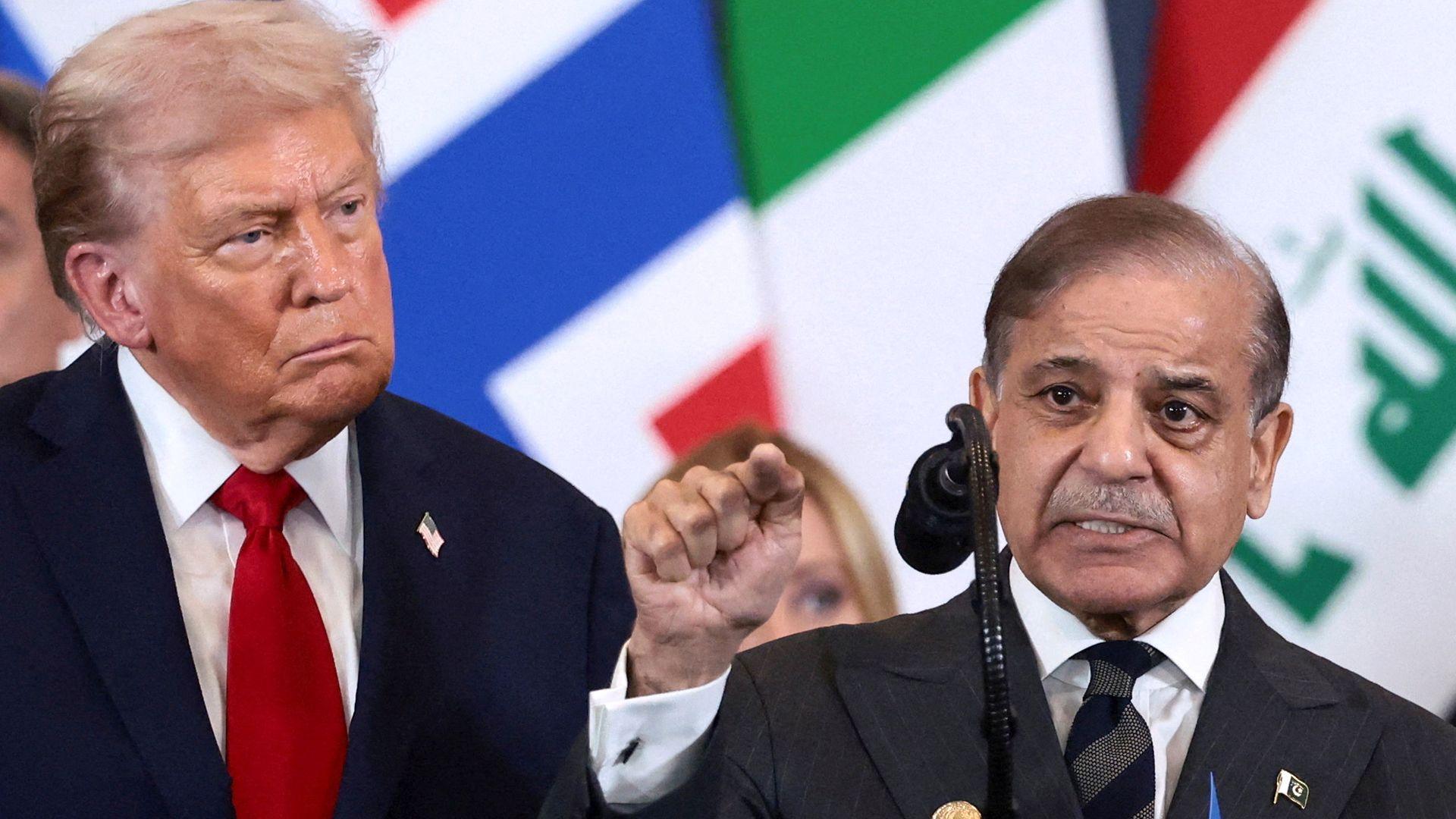
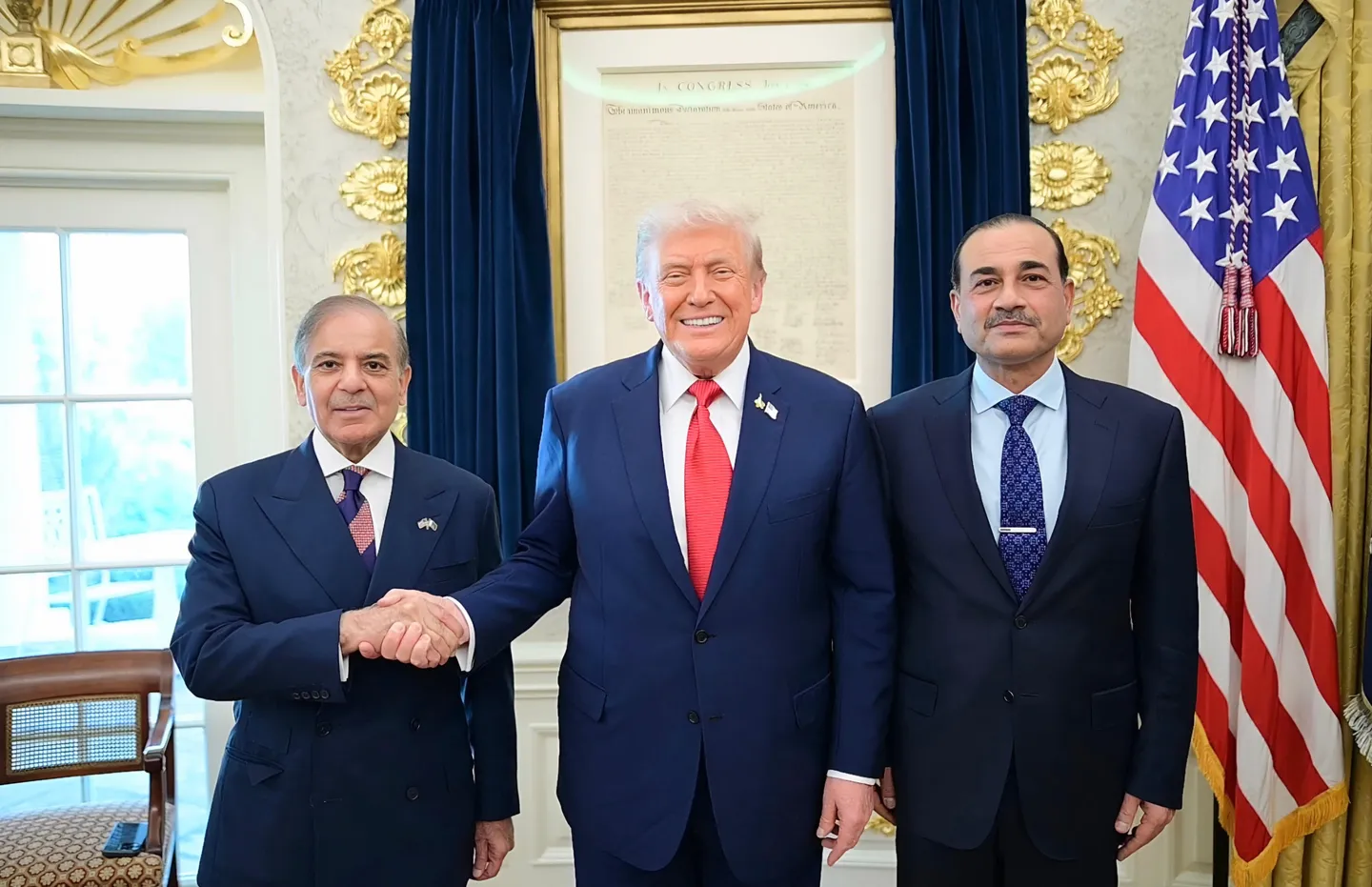
Pakistan's successful diplomatic mediation in securing a two-week ceasefire between Iran and the United States on April 10, 2025, represents a critical stabilization event for global trade logistics and cross-border e-commerce operations. The ceasefire announcement—confirmed by Pakistan's Prime Minister at 05:00 local time after Iran's ambassador confirmed progress at 03:00—directly impacts the Strait of Hormuz, one of the world's most critical shipping corridors handling 21% of global maritime trade. For cross-border sellers, this geopolitical stabilization translates into measurable operational benefits: reduced shipping insurance premiums (currently 3-8% surcharges on Middle East routes), lower fuel surcharges on container vessels, and improved predictability for inventory planning across Asia-Pacific to Europe and North America corridors.
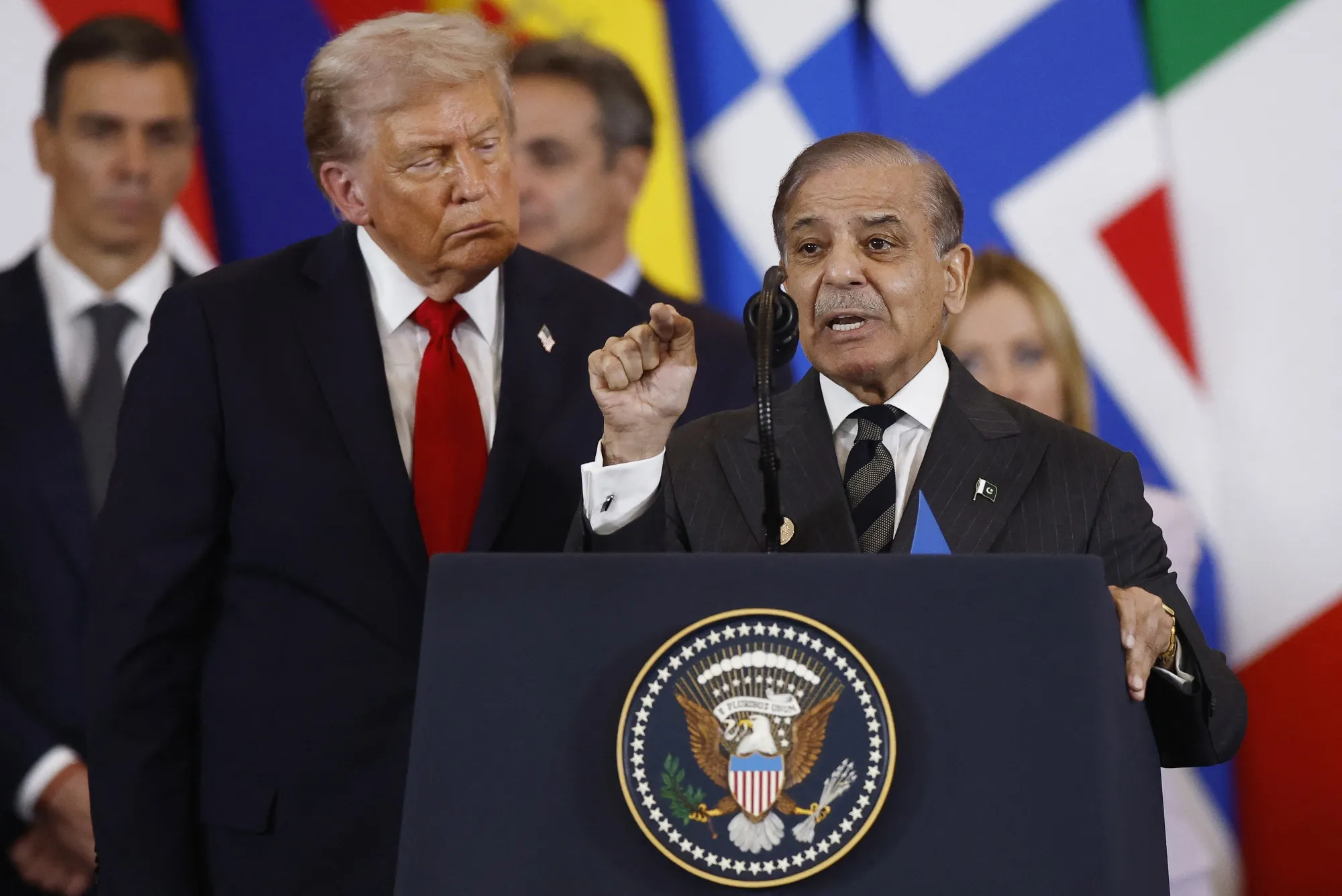
The fragility of the ceasefire—emphasized by Pakistani sources noting "continued lack of trust between parties with entrenched positions"—creates a time-sensitive opportunity window for sellers to optimize supply chains before potential escalation. Sellers shipping electronics, textiles, and machinery through the Strait of Hormuz can expect 8-15% logistics cost reductions if the ceasefire holds through Q2 2025. Amazon FBA sellers sourcing from Vietnam, India, and Pakistan for US/EU markets benefit most immediately, as these routes depend on Hormuz passage. The two-week negotiation window and April 10 Islamabad follow-up meeting represent critical decision points; if negotiations fail, shipping costs could spike 20-30% within 48 hours, making immediate inventory repositioning essential.
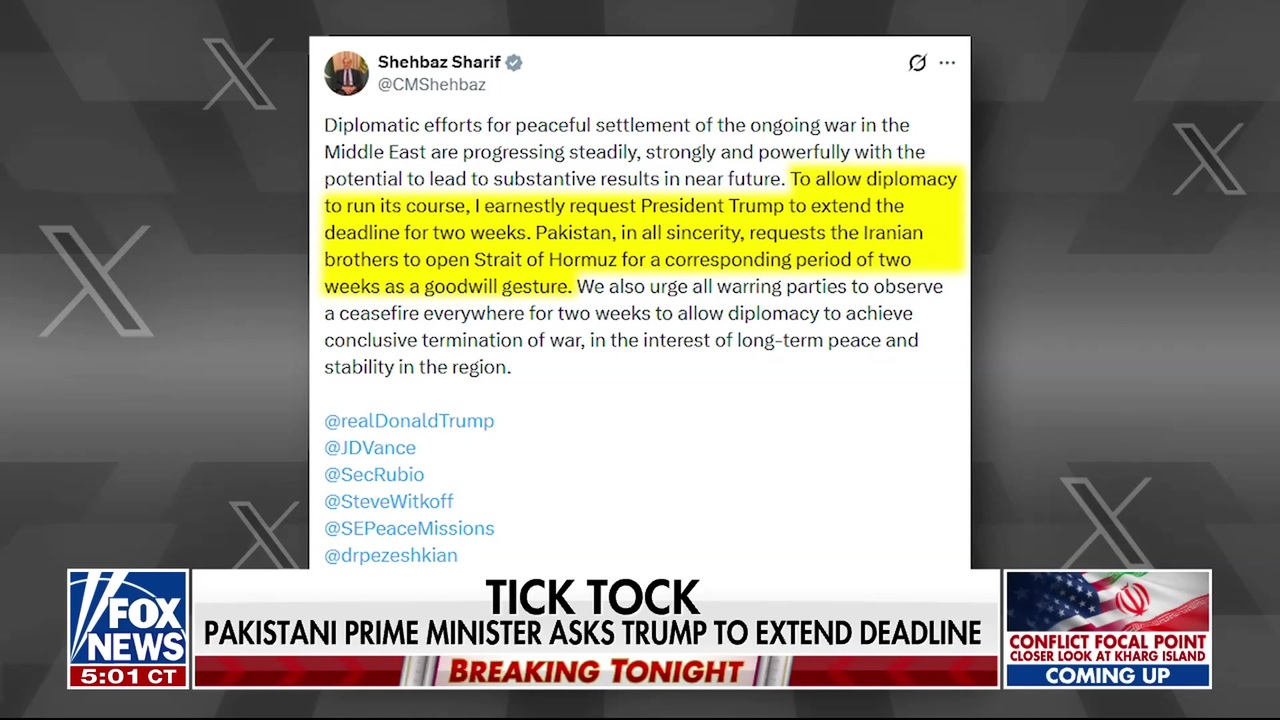
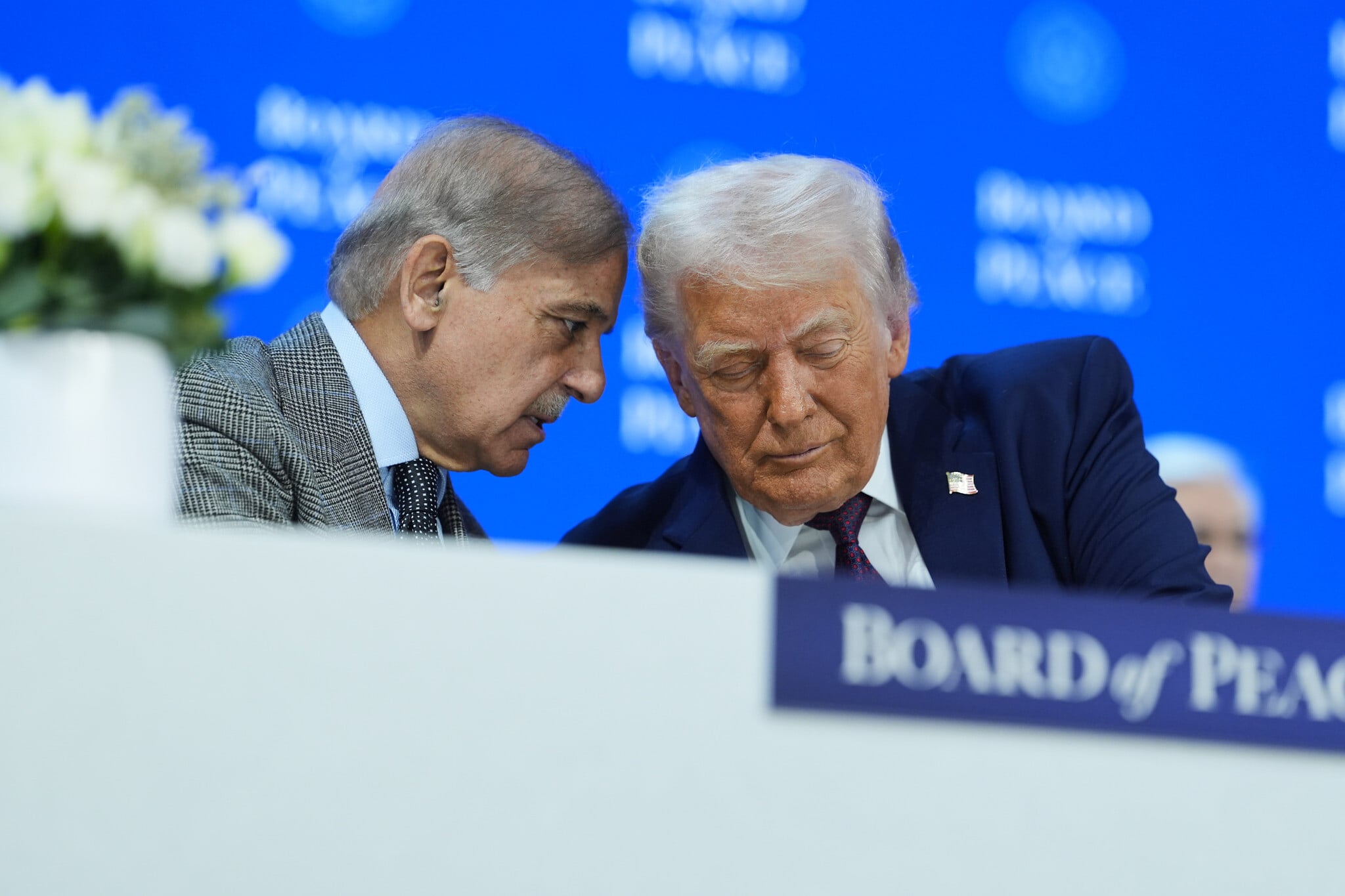
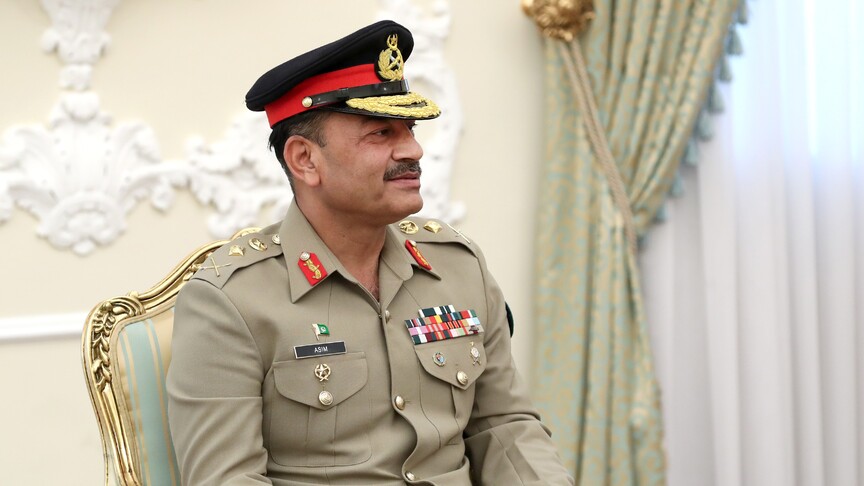
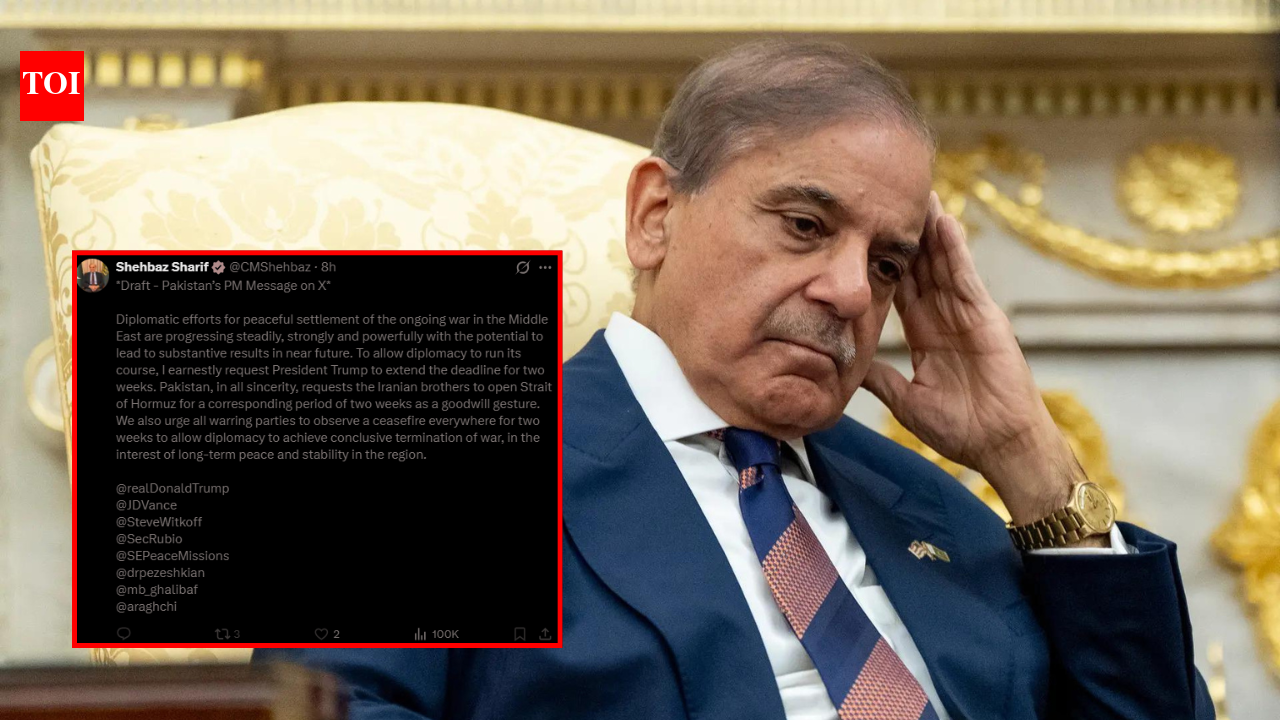
For sellers with inventory in transit or planned shipments, the ceasefire enables cost-effective consolidation strategies: grouping smaller shipments into full container loads (FCLs) becomes viable at lower insurance costs, improving margins by 5-8% on high-volume categories. Pakistan's role as mediator and its defense pact with Saudi Arabia (mentioned by Field Marshall Asim Munir's criticism of Iran's attack on Saudi Arabia) suggests regional stability may extend beyond the two-week window if negotiations progress. Sellers should monitor the April 10 Islamabad meeting outcome closely; successful negotiations could extend the ceasefire indefinitely, while breakdown signals immediate need for alternative routing through the Suez Canal (adding 10-14 days transit time and 12-18% cost premiums). The Prime Minister's request for Trump to extend the deadline and Iran to open the Strait of Hormuz indicates ongoing diplomatic pressure to formalize longer-term stability, creating a 30-60 day window for sellers to lock in favorable shipping rates before potential rate increases.
Questions 7
How should sellers adjust inventory planning based on the ceasefire timeline?
Sellers should implement a three-phase strategy aligned to the ceasefire timeline: Phase 1 (immediate, through April 10): Lock in shipping rates with carriers before potential escalation; consolidate planned Q2 shipments into FCLs to maximize cost savings. Phase 2 (April 10-30): Monitor Islamabad negotiations outcome; if successful, extend favorable rate agreements through Q3. Phase 3 (May-June): If ceasefire holds beyond 30 days, shift 20-30% of inventory to 3PL providers in Asia-Pacific (Vietnam, India) to reduce future shipping exposure. For Amazon sellers, this timing aligns with Q2 peak season (April-June), making immediate action critical. Sellers should also diversify supplier locations: if currently 80%+ sourced from single Pakistan/India supplier, reduce to 60% and add Vietnam/Thailand alternatives to reduce geopolitical concentration risk.
What is Pakistan's role in ongoing trade stability and how does it affect sellers?
Pakistan's successful mediation—confirmed by Foreign Minister Ishaq Dar and Field Marshall Asim Munir's involvement—positions Pakistan as a critical diplomatic hub for Middle East trade stability. Pakistan's defense pact with Saudi Arabia (referenced in Munir's criticism of Iran's attack on Saudi Arabia) suggests Pakistan has leverage to influence both parties. For sellers, this means Pakistan-based suppliers and logistics providers gain strategic importance as trusted intermediaries. Sellers should consider Pakistan-based 3PL providers and suppliers as lower-risk alternatives to direct Iran sourcing, given Pakistan's diplomatic credibility. The April 10 Islamabad meeting invitation signals Pakistan will host ongoing negotiations, potentially establishing Pakistan as a permanent trade facilitation hub. Sellers with Pakistan-based suppliers should prioritize relationships with providers who have government connections, as these firms may benefit from preferential treatment in future trade agreements.