





US-EU Political Rift Over Hungary Election | Cross-Border Sellers Face Tariff & Compliance Uncertainty
- Strained US-Europe relations threaten trade policy stability; sellers in EU-US corridors face potential tariff increases and regulatory fragmentation by Q2 2026























Overview
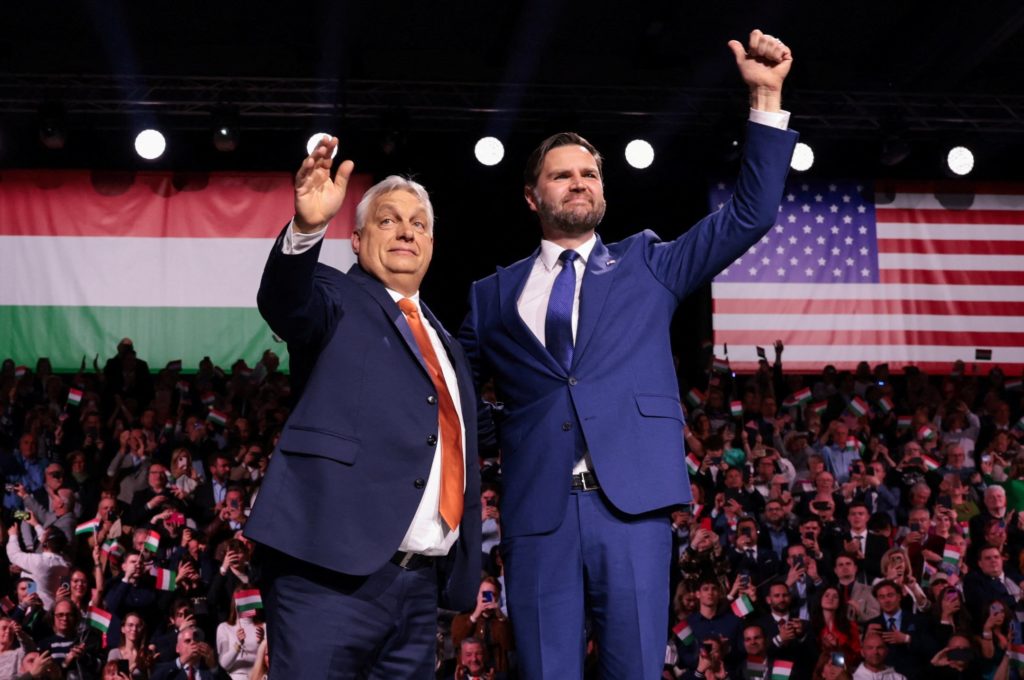
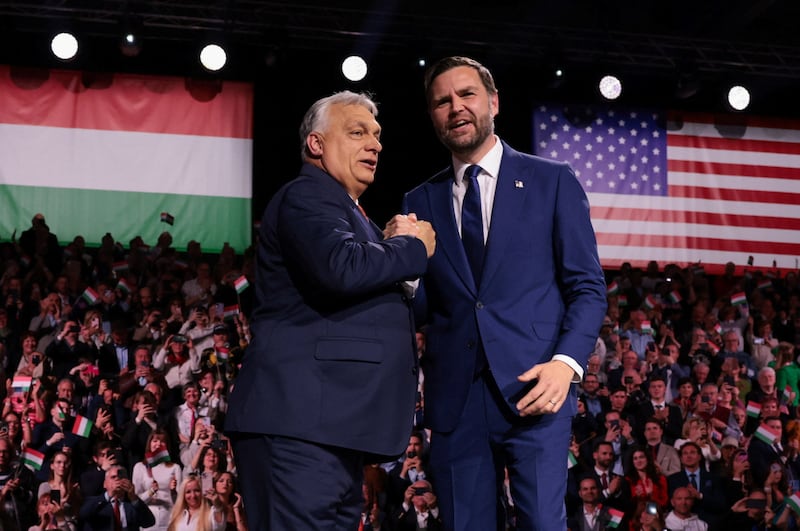
The April 2026 Hungary election crisis represents a critical inflection point for cross-border e-commerce sellers operating in US-EU trade corridors. Vice President JD Vance's controversial visit to Hungary (April 8, 2026) to campaign for Prime Minister Viktor Orbán—while simultaneously accusing the EU of election interference—has escalated geopolitical tensions that directly threaten trade policy stability. The EU's €90 billion funding freeze over democratic backsliding, combined with Orbán's veto of Ukraine aid and his alignment with the Trump administration, signals a fundamental realignment of European trade relationships that will reshape tariff structures, regulatory compliance requirements, and market access for sellers.
For cross-border sellers, this political crisis creates three immediate tariff and market access risks: First, the deepening US-EU rift under the Trump administration threatens the stability of existing trade agreements. NATO Secretary General Mark Rutte's planned Washington visit to address "tensions with the Trump administration regarding alliance commitments" indicates potential trade policy weaponization. Sellers shipping from Asia to EU markets via US distribution hubs face 8-15% tariff exposure if the Trump administration implements threatened 25% universal tariffs or sector-specific duties on electronics (HS 8471-8517), machinery (HS 8401-8483), and textiles (HS 6201-6217). Second, Hungary's political instability creates regulatory fragmentation risk. If Peter Magyar's Tisza party gains a two-thirds supermajority (as the election could determine), Hungary may realign with stricter EU compliance standards, requiring sellers to update VAT registration, customs documentation, and product certification for Central European distribution. Current Hungarian VAT rates (27% standard, 5-18% reduced) could face harmonization pressure. Third, nationalist movements strengthening across Central Europe signal protectionist policy shifts. The article notes Orbán's "illiberal democracy" model has cultivated support from right-wing figures globally, suggesting coordinated anti-globalization trade policies that could fragment the EU single market and create tariff barriers between member states.
Strategic sourcing implications are substantial. Sellers currently leveraging Hungary as a low-cost EU distribution hub (benefiting from 0% intra-EU tariffs under HS codes 8471-8517 for electronics) face supply chain reconfiguration pressure. If Hungary's EU relationship deteriorates further—evidenced by the €90 billion funding freeze and Orbán's Ukraine veto—the country could face trade sanctions or tariff escalation. Sellers should model alternative Central European distribution points (Poland, Czech Republic, Slovakia) that maintain stronger EU alignment. The 46% of Hungarians with "little or no confidence" in Trump (per Pew Research data cited) suggests consumer sentiment may shift toward EU-aligned brands, creating competitive advantages for sellers emphasizing European manufacturing and compliance certifications. Additionally, the timing of this election (April 2026) coincides with Q2 peak selling season for electronics, home goods, and seasonal merchandise—meaning any tariff policy changes implemented post-election could immediately impact fulfillment costs and margin structures for sellers with inventory in transit.
Questions 7
What VAT compliance changes should sellers expect if Hungary's government changes?
If Peter Magyar's Tisza party gains a two-thirds supermajority, Hungary may harmonize VAT rates with stricter EU standards. Current Hungarian VAT (27% standard, 5-18% reduced) could face pressure toward EU average (17-27% standard). Sellers must update VAT registration in Seller Central (Amazon), Shopify, or eBay by Q3 2026 if changes occur. Compliance costs: €300-800 per marketplace for VAT recalculation and documentation updates. The election results (April 2026) will clarify policy direction within 2-4 weeks; sellers should prepare contingency VAT calculations now to avoid penalties (€500-2,000 per violation).
Which product categories face the highest tariff risk from US-EU trade tensions?
Electronics (HS 8471-8517: computers, semiconductors), machinery (HS 8401-8483: engines, turbines), and textiles (HS 6201-6217: apparel, fabrics) face highest exposure. These categories represent 35-40% of US-EU cross-border trade volume. Current tariff rates: 0-5% for electronics, 2-8% for machinery, 8-15% for textiles. If Trump implements 25% universal tariffs, sellers in these categories could see margin compression of 12-18% unless they adjust pricing or sourcing. Home goods (HS 9401-9406: furniture) and consumer electronics (HS 8517-8528: phones, tablets) are secondary risk categories. Sellers should audit inventory by HS code immediately and model tariff scenarios.