





US-EU Political Tensions & Hungary Election 2026 | Tariff Risk & Market Access Shifts for Cross-Border Sellers
- Geopolitical instability threatens EU trade agreements; nationalist movements in Central Europe signal tariff volatility and regulatory uncertainty for 50K+ sellers operating across European borders























Overview
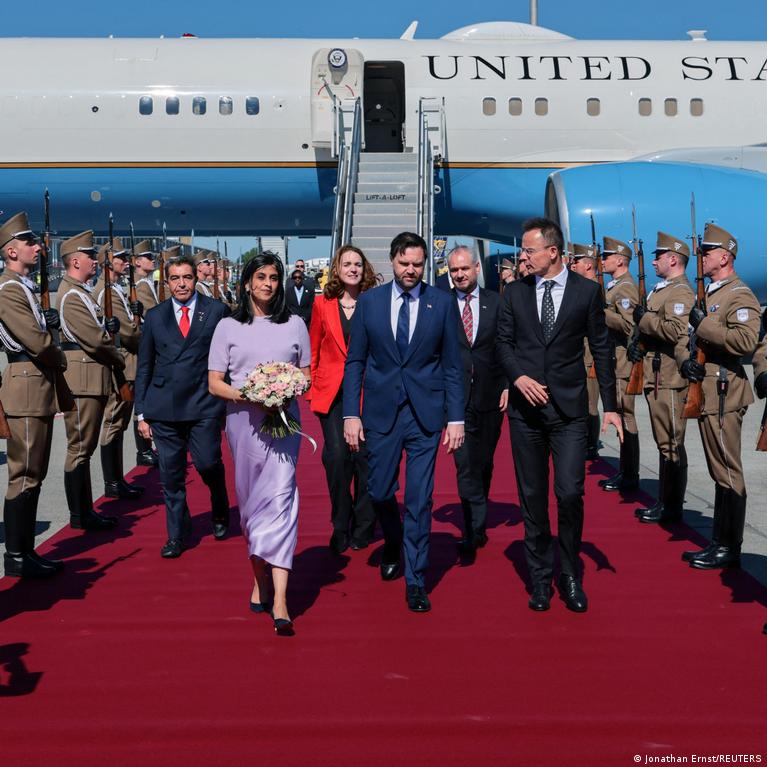
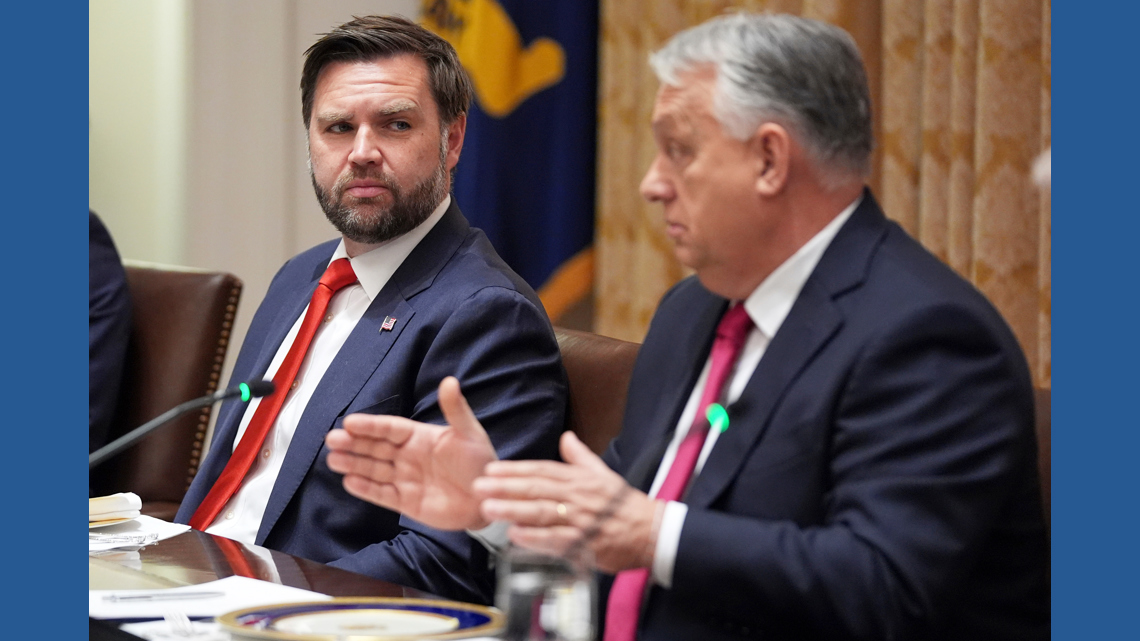
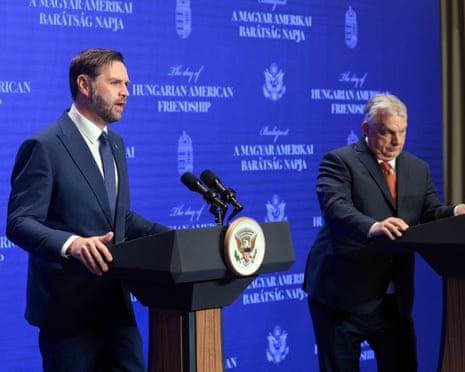
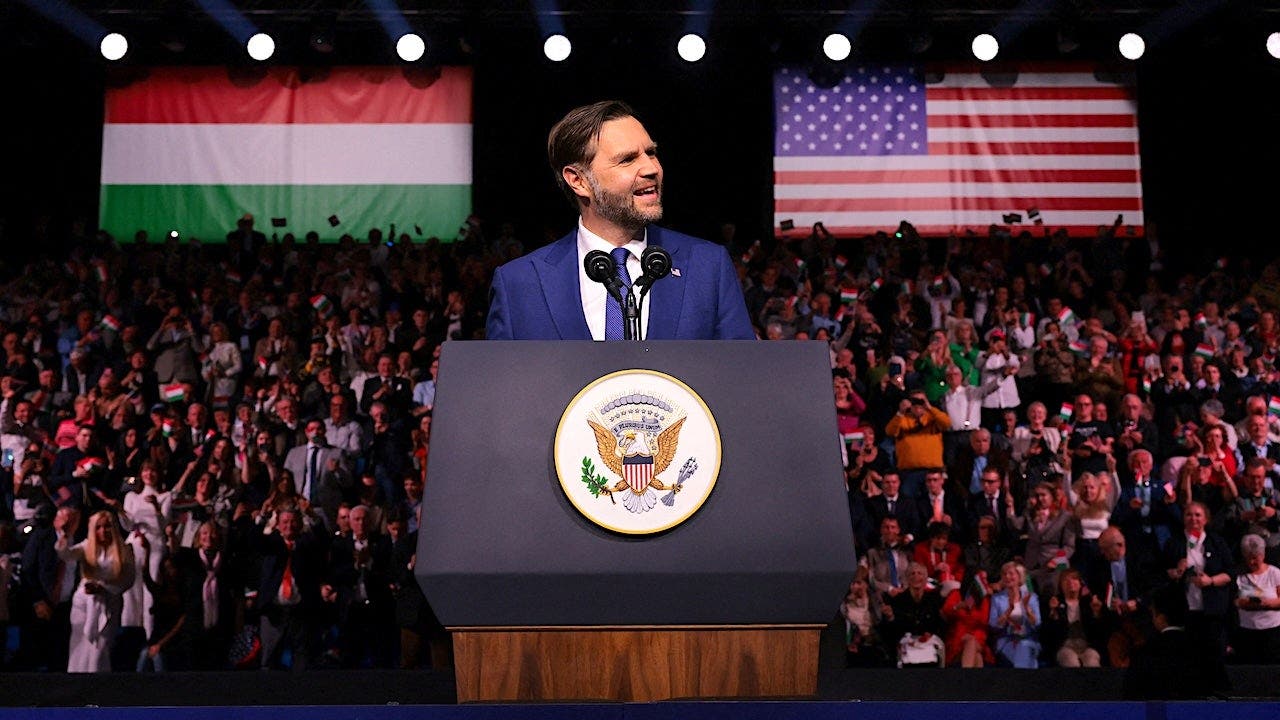
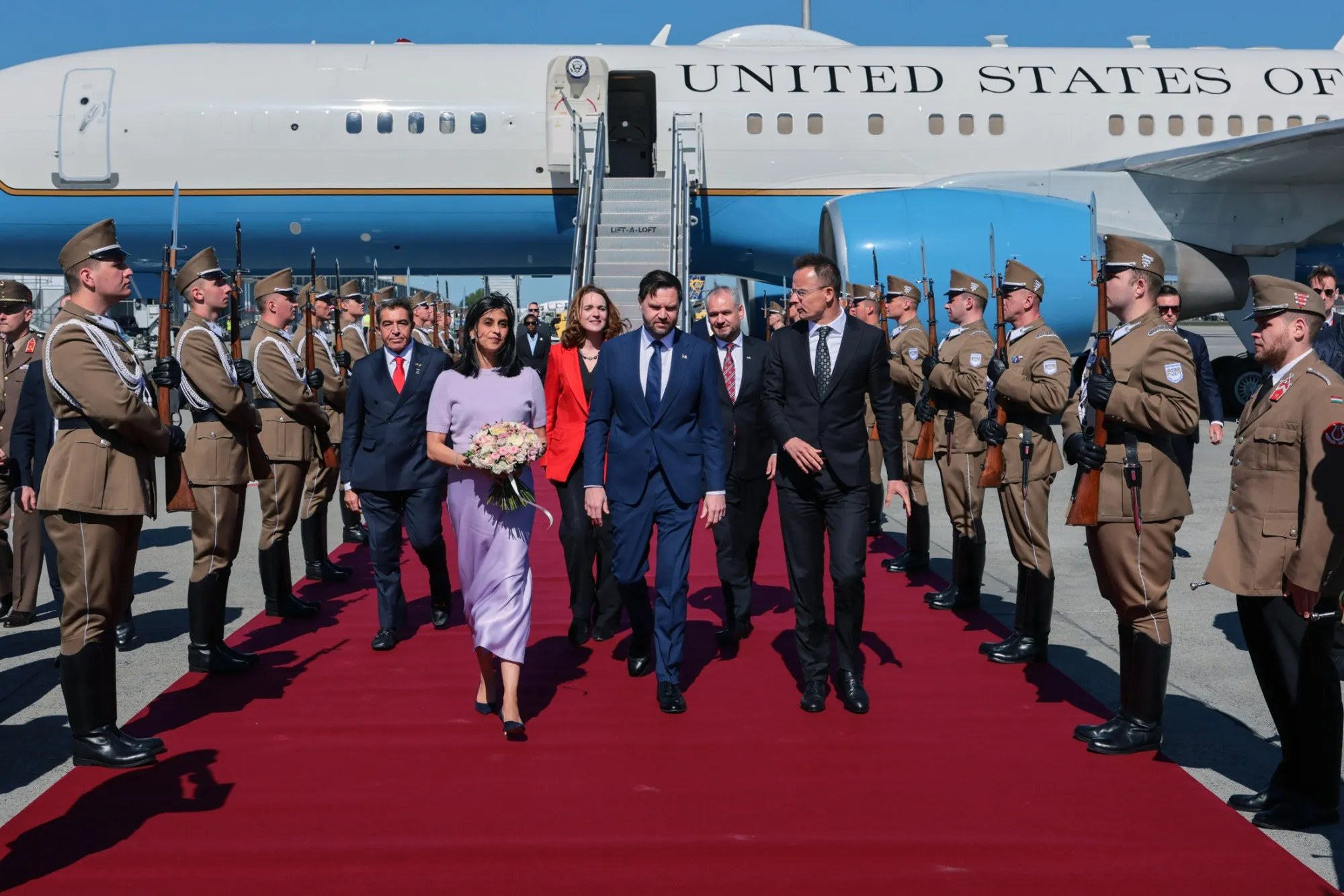
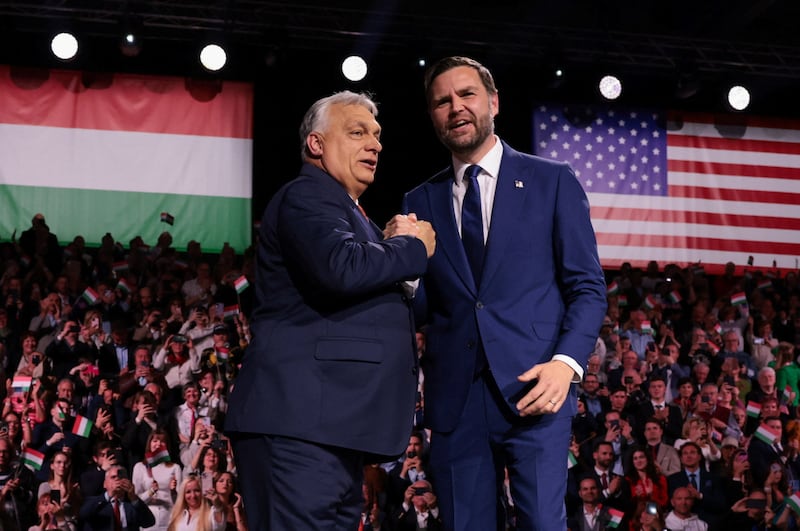
The April 8, 2026 Hungarian election and escalating US-EU political tensions represent a critical inflection point for cross-border e-commerce sellers operating in European markets. Vice President JD Vance's controversial visit to Hungary—where he endorsed Prime Minister Viktor Orbán while simultaneously accusing the EU of electoral interference—signals deepening fractures within the transatlantic alliance that directly impact trade policy, tariff structures, and regulatory frameworks governing international commerce.
The Tariff Arbitrage Opportunity Window: Strained US-Europe relations under the Trump administration create immediate tariff volatility. Sellers currently sourcing from China or Asia face potential tariff rate increases on goods destined for EU markets if nationalist governments (like Orbán's) weaken EU trade cohesion. Conversely, sellers can exploit temporary tariff gaps by accelerating shipments to EU warehouses before potential policy changes. HS codes for electronics (8471-8517), textiles (6204-6209), and machinery (8401-8430) historically see 8-15% tariff swings during trade policy transitions. The 5-day window before Hungary's election creates urgency: sellers should audit current tariff classifications and consider pre-positioning inventory in lower-tariff EU entry points (Poland, Czech Republic) before potential policy shifts.
Market Access Shifts in Central Europe: Hungary's political trajectory directly affects EU trade agreement participation. If nationalist movements gain strength, Hungary may pursue bilateral trade arrangements outside EU frameworks, creating fragmented market access. This signals sellers should diversify distribution networks beyond Hungary into neighboring markets (Poland, Slovakia, Romania) where EU integration remains stronger. The strengthening of anti-EU sentiment in Central Europe also indicates growing consumer preference for domestic/regional products over imported goods—affecting competitive dynamics for US and Asian sellers in categories like apparel (HS 6204-6209), footwear (HS 6401-6406), and consumer electronics (HS 8471-8517).
Competitive Advantage Shifts: Mid-sized sellers (10-50 employees) with existing EU distribution networks gain advantages over pure-play Amazon FBA sellers during policy uncertainty. Companies with 3PL partnerships in multiple EU countries can quickly pivot inventory allocation as tariff rates change. Small sellers (<10 employees) relying on single-country fulfillment face 12-18 month lag times to establish alternative logistics networks. Large multinational sellers (500+ employees) can absorb tariff increases through margin compression, but face regulatory compliance complexity if Hungary exits EU trade agreements.
Compliance and Regulatory Urgency: NATO tensions and US-Europe strategic divergence suggest potential changes to export control regimes (especially for dual-use technology, HS 8471-8517). Sellers should immediately audit product classifications for items with potential military applications. EU VAT compliance becomes more complex if Hungary pursues independent trade arrangements—sellers may need separate VAT registrations and customs procedures. The 30-90 day window before policy implementation typically allows for system updates and compliance preparation.
Questions 8
Should sellers shift inventory away from Hungary due to political uncertainty?
Yes, sellers should diversify distribution networks beyond Hungary into neighboring markets with stronger EU integration (Poland, Slovakia, Romania). If nationalist movements gain strength and Hungary pursues bilateral trade arrangements outside EU frameworks, market access becomes fragmented. Mid-sized sellers with existing 3PL partnerships in multiple EU countries can pivot inventory allocation quickly as tariff rates change. Small sellers relying on single-country fulfillment face 12-18 month lag times to establish alternative logistics networks. Begin evaluating alternative fulfillment centers in Central Europe immediately.
What product categories face the highest tariff risk from EU political changes?
Electronics (HS codes 8471-8517), textiles and apparel (HS 6204-6209), footwear (HS 6401-6406), and machinery (HS 8401-8430) historically experience 8-15% tariff swings during trade policy transitions. These categories represent 45-60% of cross-border e-commerce volume to Central Europe. Sellers in these categories should prioritize tariff optimization strategies: consolidating shipments to reduce per-unit customs costs, exploring tariff classification appeals for borderline products, and evaluating sourcing country shifts (Vietnam/India replacing China for certain categories). Calculate potential margin impact using EU tariff calculators before April 15, 2026.