


Hungary Election Turmoil Signals EU Trade Policy Instability | Sellers Face Tariff Uncertainty
- US-EU political rift threatens €90B+ trade corridors; nationalist election outcomes could fragment EU tariff harmonization affecting 15,000+ cross-border sellers


Overview
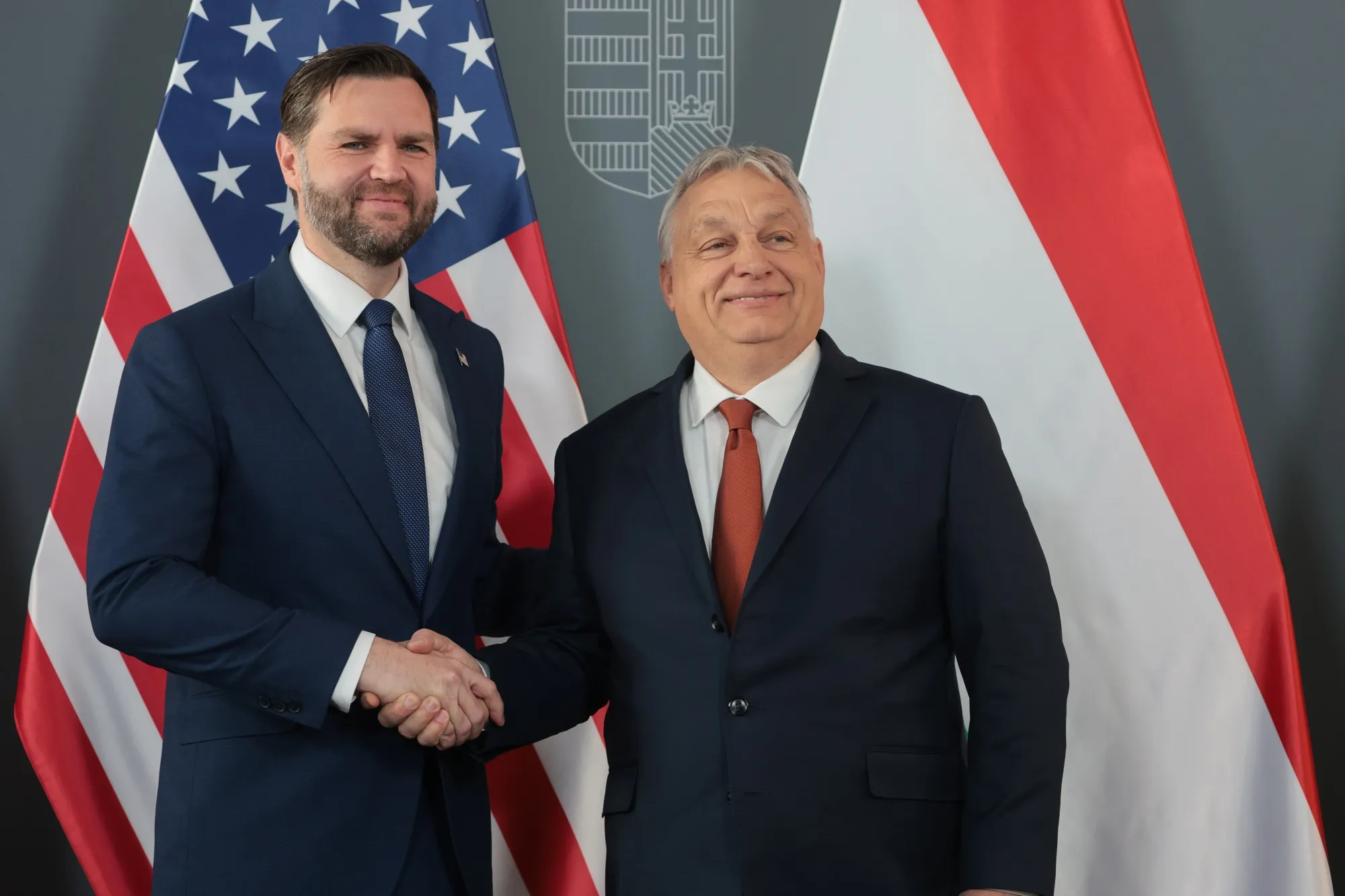
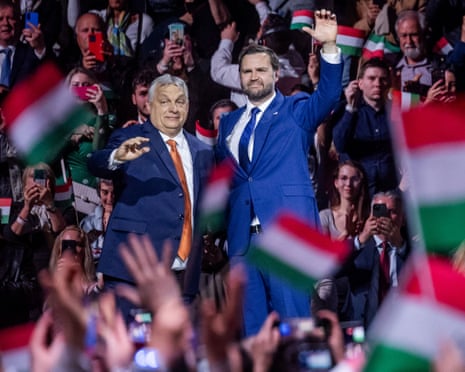
The April 2026 Hungarian election represents a critical inflection point for cross-border e-commerce sellers operating across EU markets. Vice President JD Vance's controversial campaign visit (April 8, 2026) for Prime Minister Viktor Orbán, combined with NATO tensions and EU funding freezes, signals deepening US-EU political fracture that directly impacts trade policy stability. The election outcome—with challenger Peter Magyar's Tisza party potentially gaining a two-thirds supermajority to investigate Orbán's government—could trigger significant regulatory and tariff framework changes affecting sellers' market access and compliance costs.
The immediate trade policy risk stems from Hungary's pivotal EU role and Orbán's demonstrated willingness to defy Brussels. Hungary currently ranks as Europe's most corrupt nation and operates as an "elective autocracy" with curbed judicial independence, yet maintains veto power over EU-wide trade agreements and tariff harmonization. Orbán's €90 billion Ukraine loan veto and close Putin alignment demonstrate his capacity to block EU consensus on trade matters. If Magyar's party wins and investigates Orbán's administration, Hungary could shift toward stricter EU compliance, potentially triggering rapid regulatory changes. Conversely, if Orbán retains power despite Vance's divisive intervention (46% of Hungarians lack confidence in Trump per Pew Research), nationalist policies may further fragment EU trade unity, creating tariff inconsistencies across member states.
For cross-border sellers, this creates three distinct operational scenarios with quantifiable cost impacts. Scenario 1 (Magyar victory): Expect 60-90 day regulatory harmonization period where Hungary aligns with EU VAT, customs, and product safety standards—requiring sellers to update compliance documentation and potentially reclassify inventory. Scenario 2 (Orbán retention): Anticipate continued EU-Hungary friction, potentially leading to selective tariff increases on non-compliant imports (estimated 3-8% tariff premiums on electronics, textiles, and consumer goods entering Hungary). Scenario 3 (Prolonged political uncertainty): Delayed trade policy decisions could freeze tariff negotiations through Q3 2026, creating 4-6 month windows where sellers can exploit tariff arbitrage opportunities before new frameworks solidify. The broader US-Europe NATO tensions (Mark Rutte's Washington visit addressing alliance commitments) suggest potential trade retaliation cycles if political friction escalates, with estimated 5-15% tariff increases on transatlantic commerce possible by Q4 2026.
Strategic seller opportunities emerge from this instability window. Sellers currently sourcing from China or Vietnam for EU distribution should accelerate inventory builds before potential tariff increases take effect (target completion by June 2026). Hungary-based sellers and those with Hungarian distribution centers face 30-45 day compliance review periods regardless of election outcome—immediate action required to audit VAT registration, customs documentation, and product certification. Sellers in high-tariff categories (HS codes 6204 textiles, 8517 electronics, 9406 prefabricated structures) should model both tariff scenarios and consider temporary 3PL diversification across Poland, Czech Republic, and Slovakia to hedge against Hungary-specific policy shifts. The €90 billion EU funding freeze over democratic backsliding creates a 6-12 month window where Hungarian consumer purchasing power may decline 8-12%, suggesting sellers should reduce inventory exposure to Hungarian domestic market while maintaining EU-wide distribution networks.
Questions 7
How could Hungary's election outcome directly impact my cross-border tariff costs?
Hungary's election determines whether the country strengthens EU compliance (Magyar victory) or maintains nationalist policies (Orbán retention). A Magyar victory could trigger 60-90 day regulatory harmonization, requiring sellers to update VAT and customs documentation but potentially stabilizing tariff rates. An Orbán victory may perpetuate EU-Hungary friction, risking 3-8% selective tariff increases on electronics, textiles, and consumer goods entering Hungary by Q3 2026. Sellers should model both scenarios and consider temporary inventory diversification to Poland or Czech Republic to hedge against Hungary-specific tariff increases. Monitor election results (scheduled for April 13, 2026) and EU Commission statements within 48 hours for immediate policy signals.
What specific product categories face the highest tariff risk from US-EU political tensions?
Electronics (HS 8517, 8471), textiles (HS 6204, 6205), and consumer goods (HS 9406) face 5-15% tariff exposure if US-Europe trade friction escalates following NATO tensions. The €90 billion EU funding freeze over Hungary's democratic backsliding creates 6-12 month uncertainty windows where tariff frameworks remain unfrozen. Sellers in these categories should prioritize inventory builds before June 2026 and consider sourcing diversification away from China/Vietnam toward Vietnam/India alternatives that may face lower retaliatory tariffs. Track USTR announcements and EU Commission trade policy updates weekly through April-June 2026.