


Strait of Hormuz Blockade Escalates | Shipping Costs Rise 8-15% for Cross-Border Sellers
- Iran's effective blockade since late February disrupts 20% of global oil supply; Russia-China veto blocks UN resolution; sellers face immediate fuel surcharges, extended transit times, and supply chain volatility across Asia-Europe-Middle East corridors


)







Overview
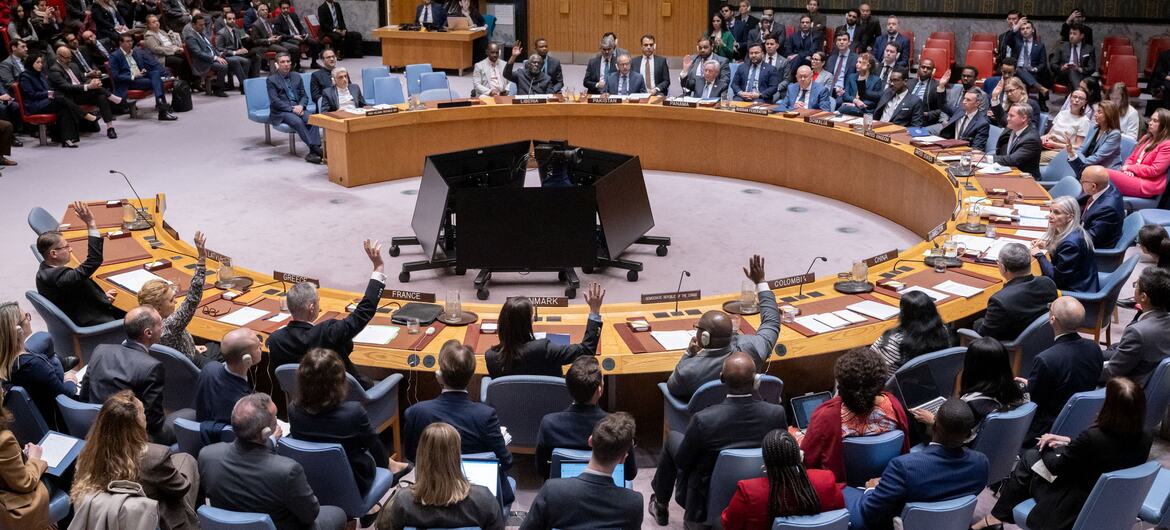
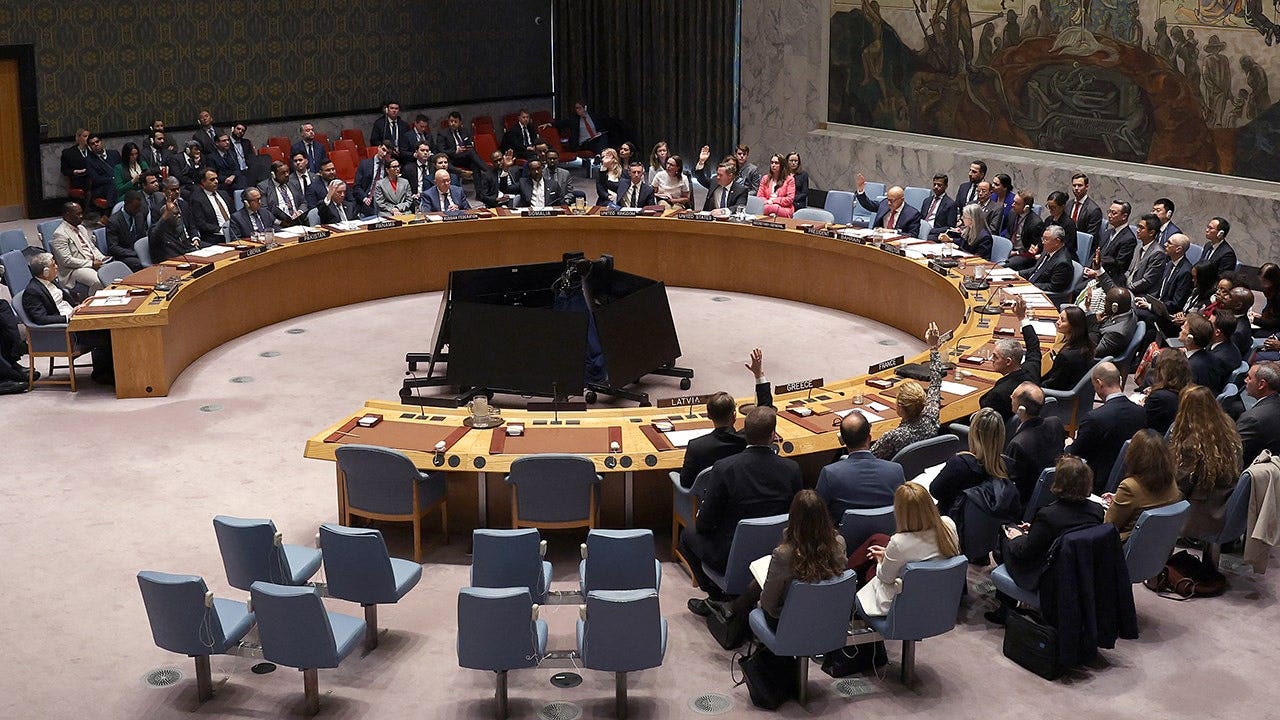
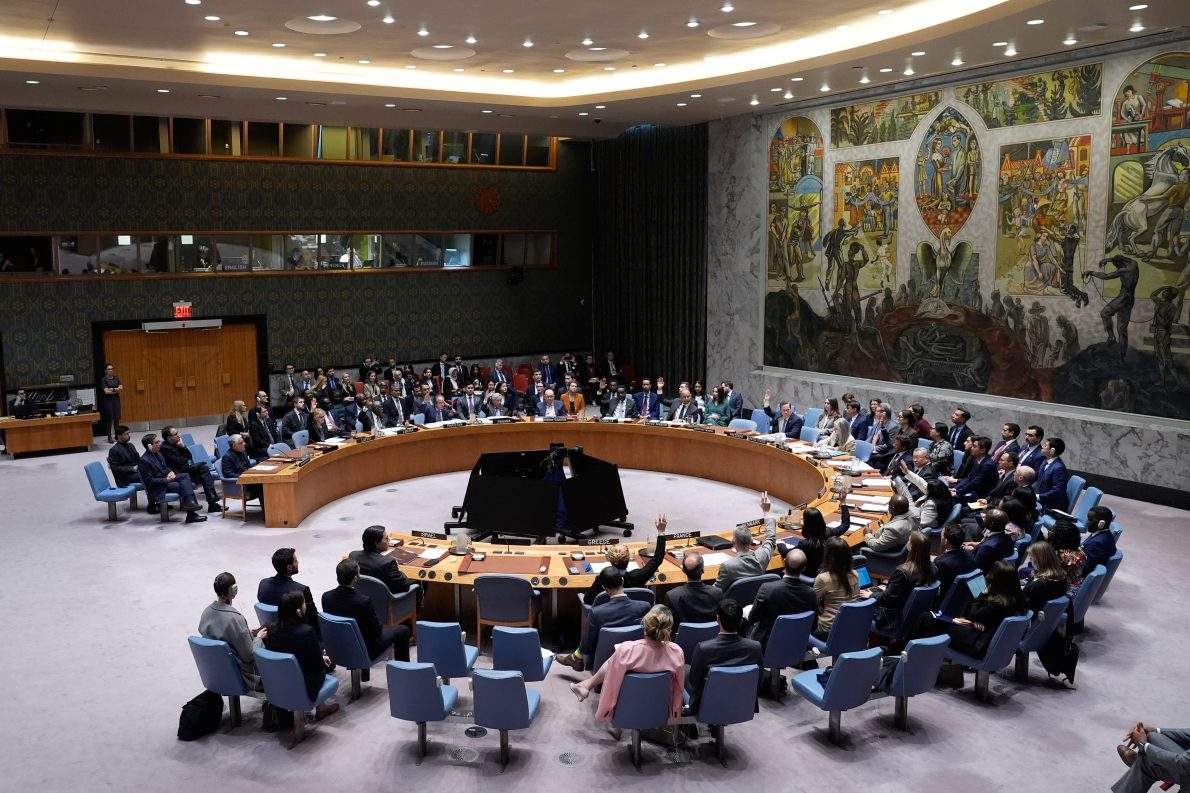
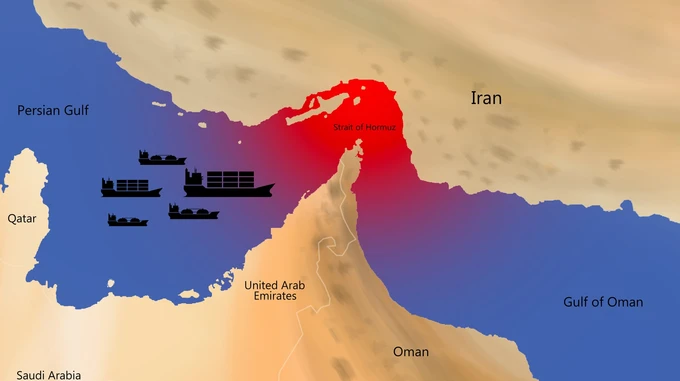
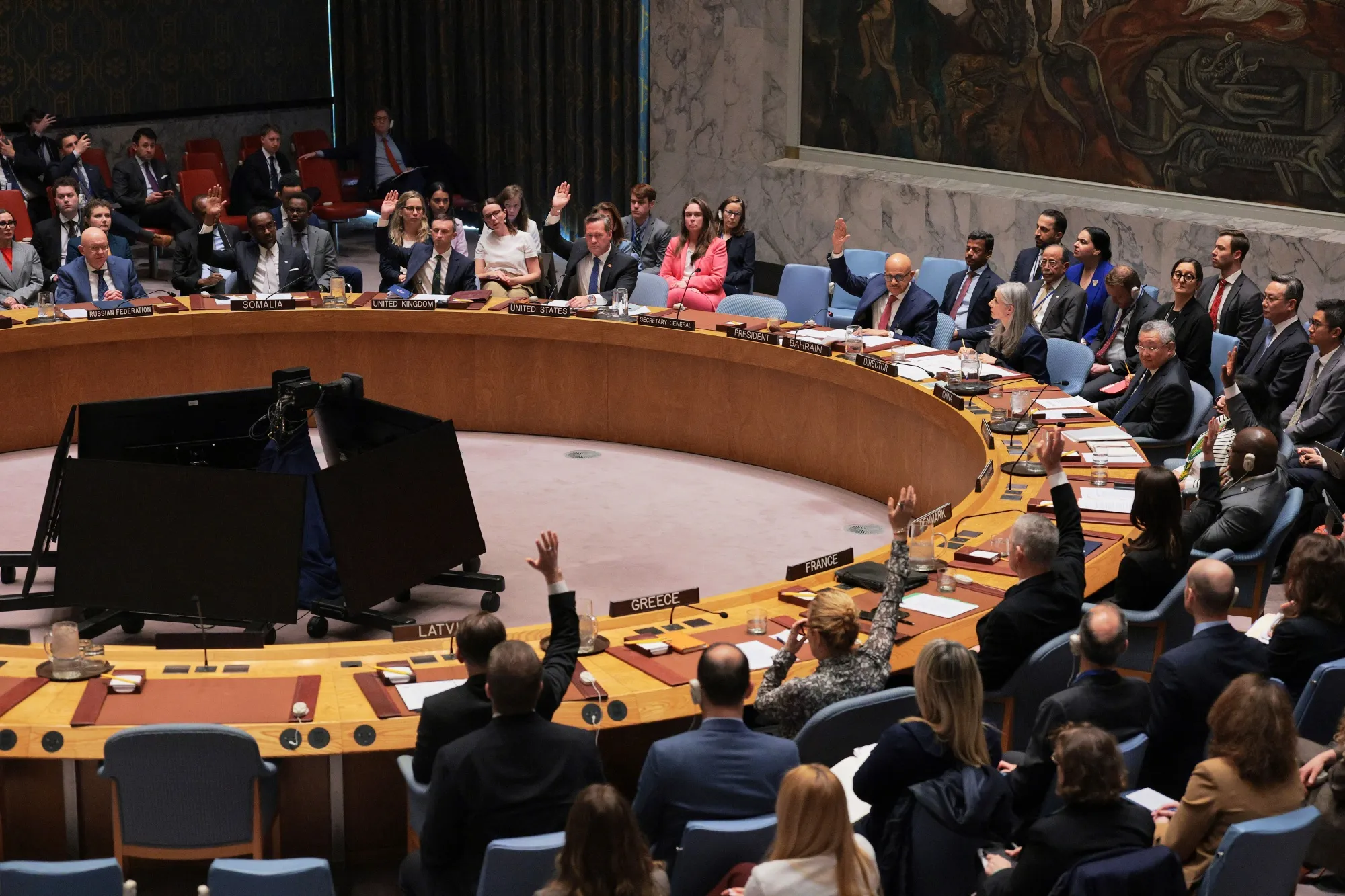
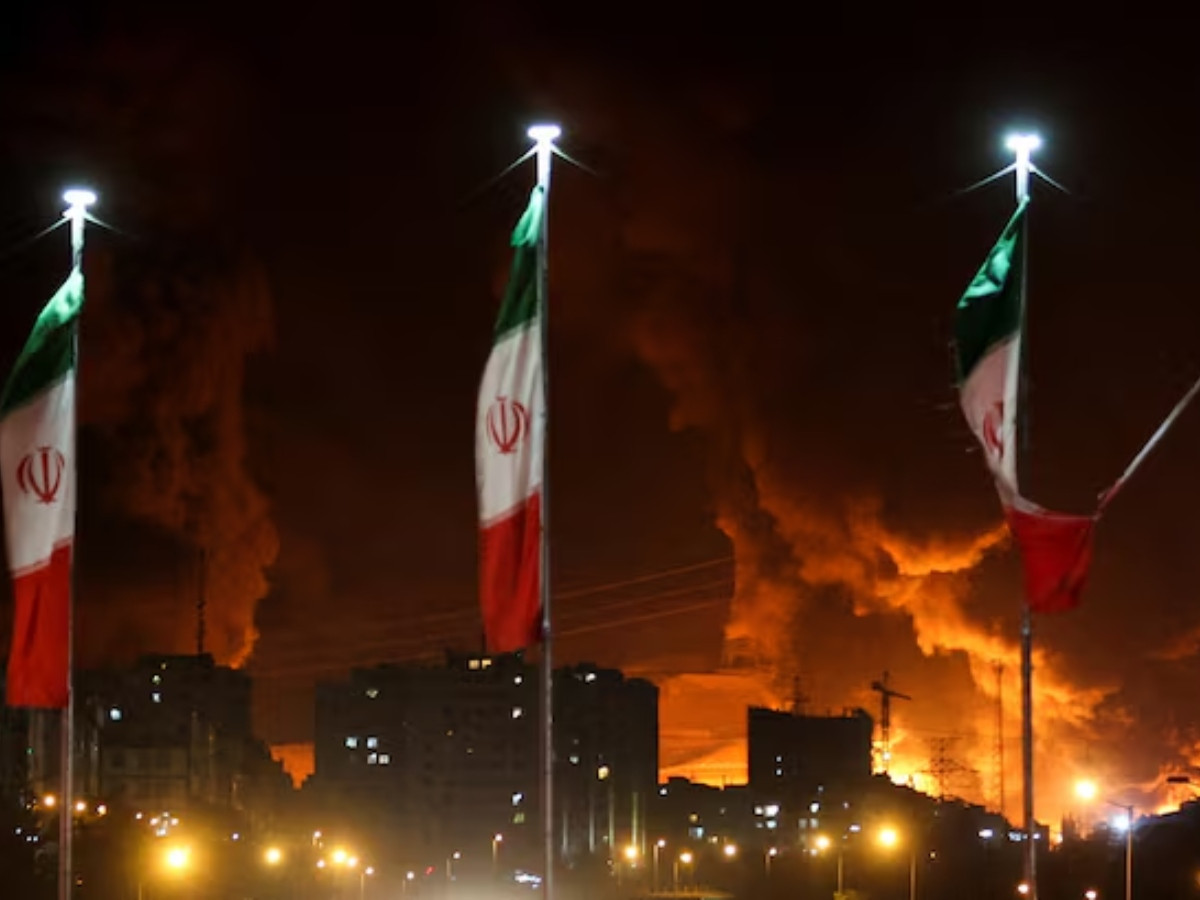
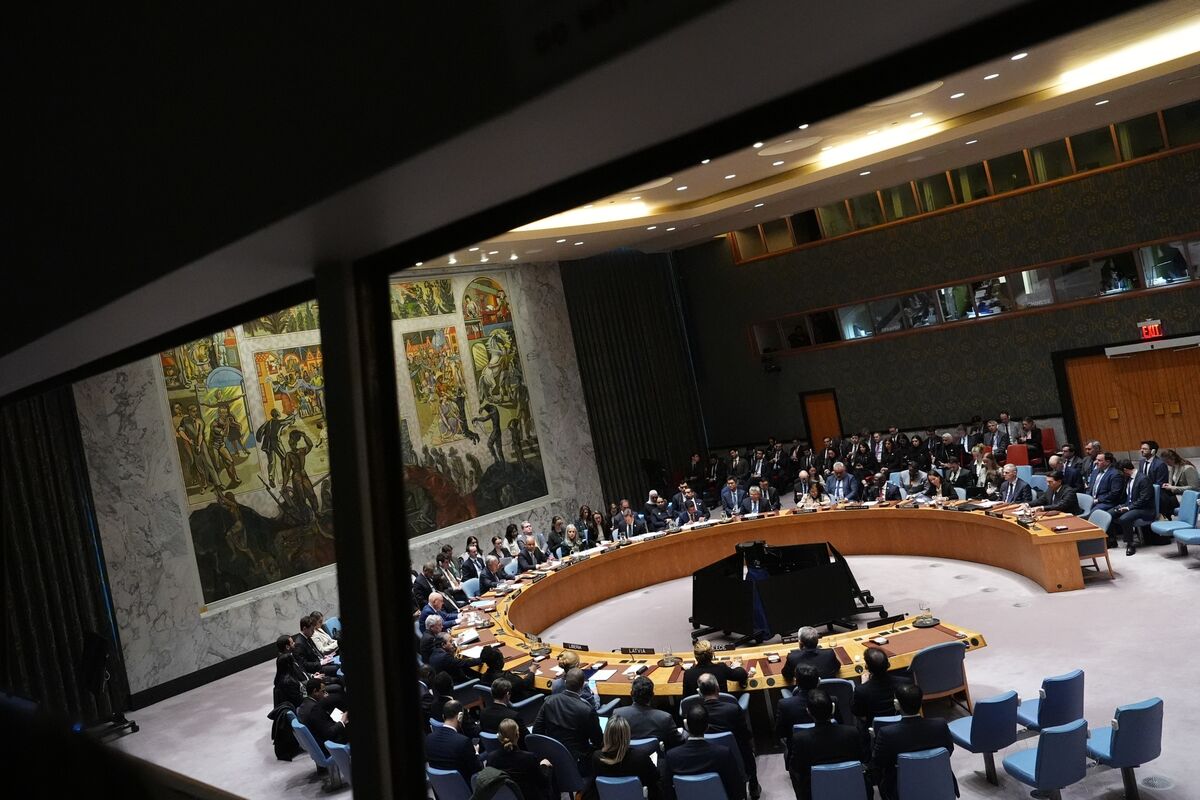
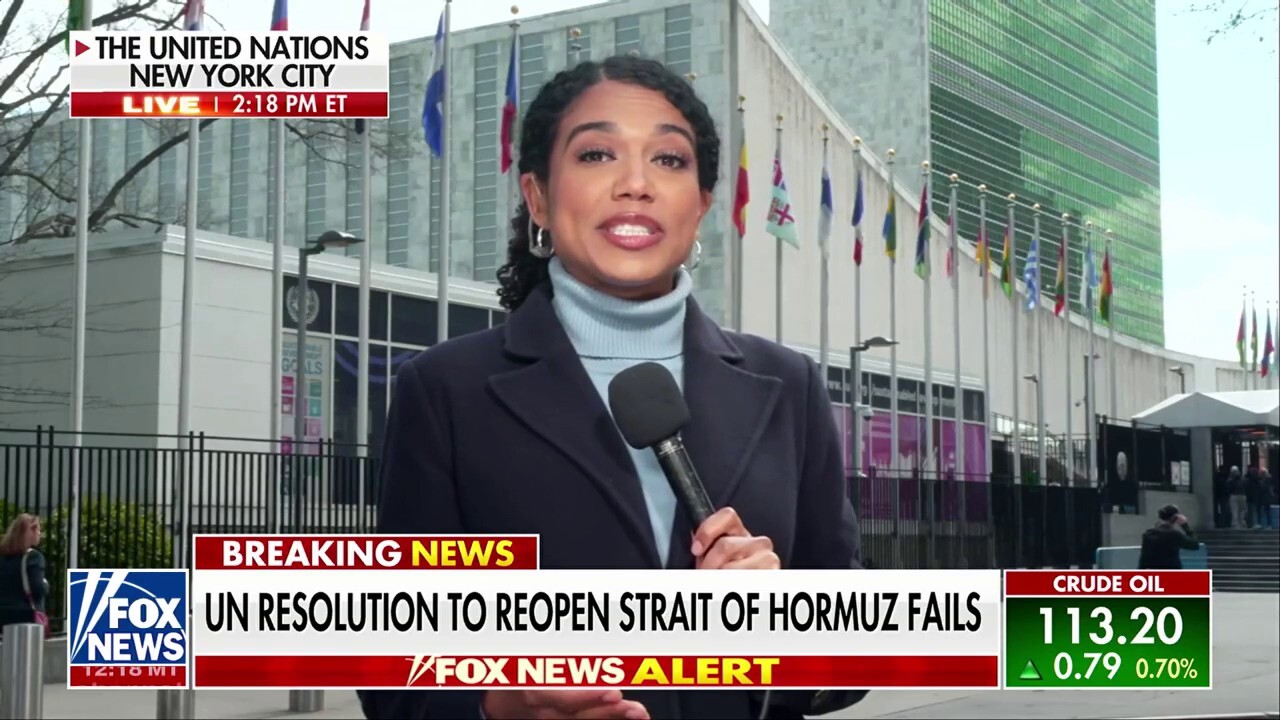
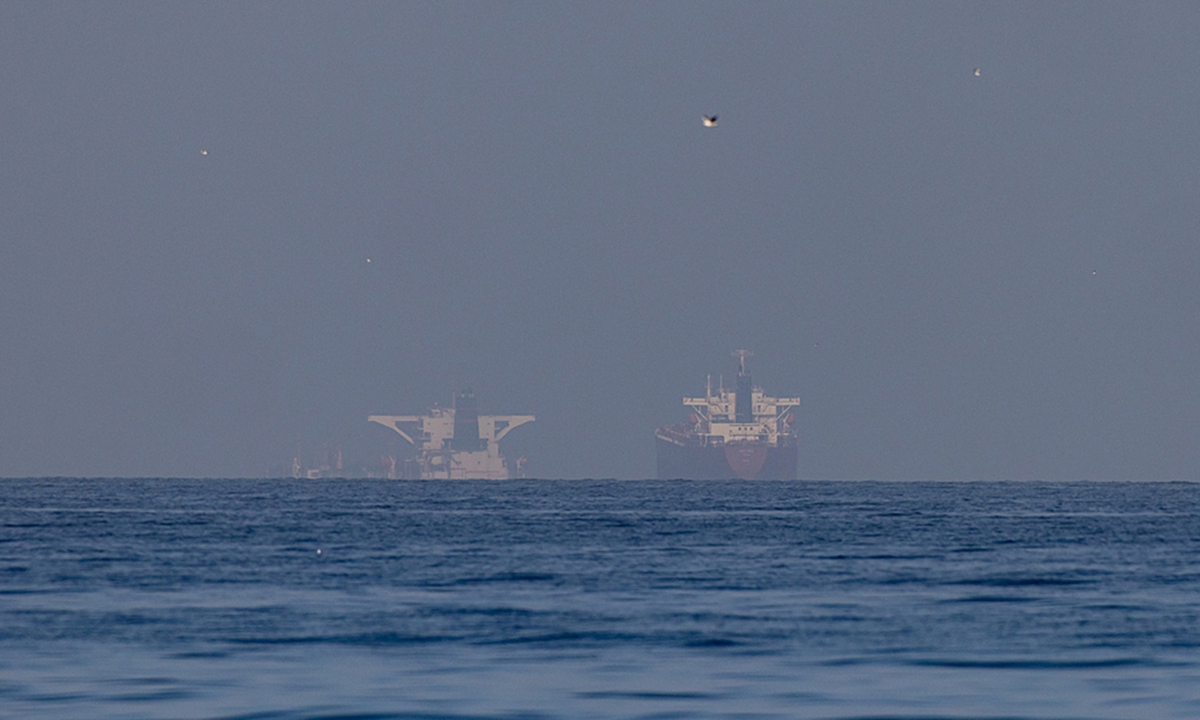
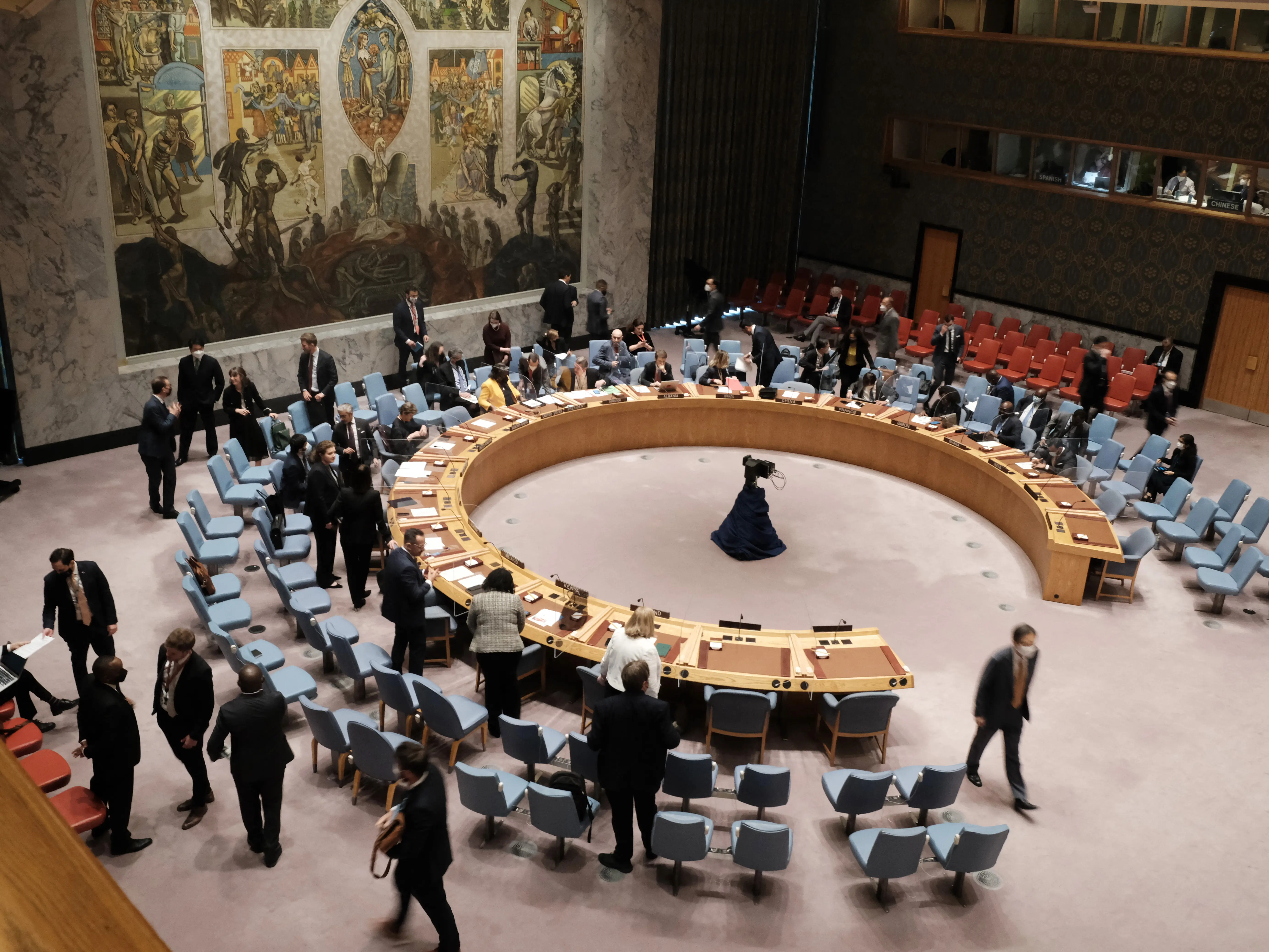
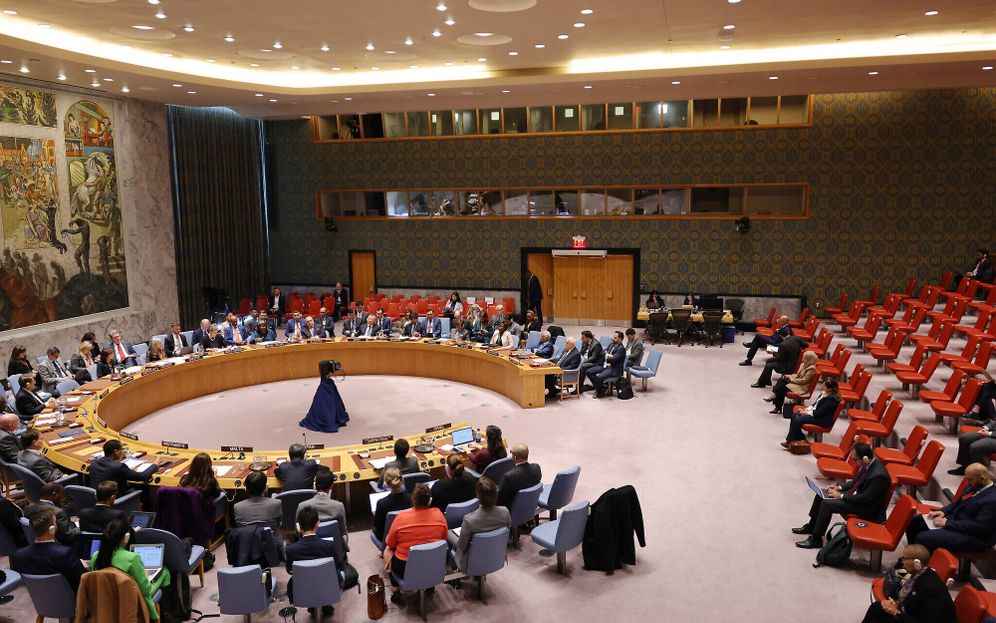
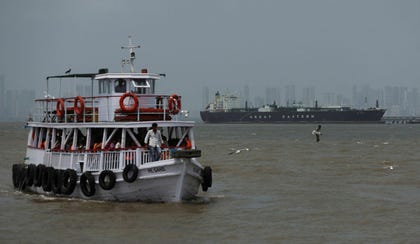
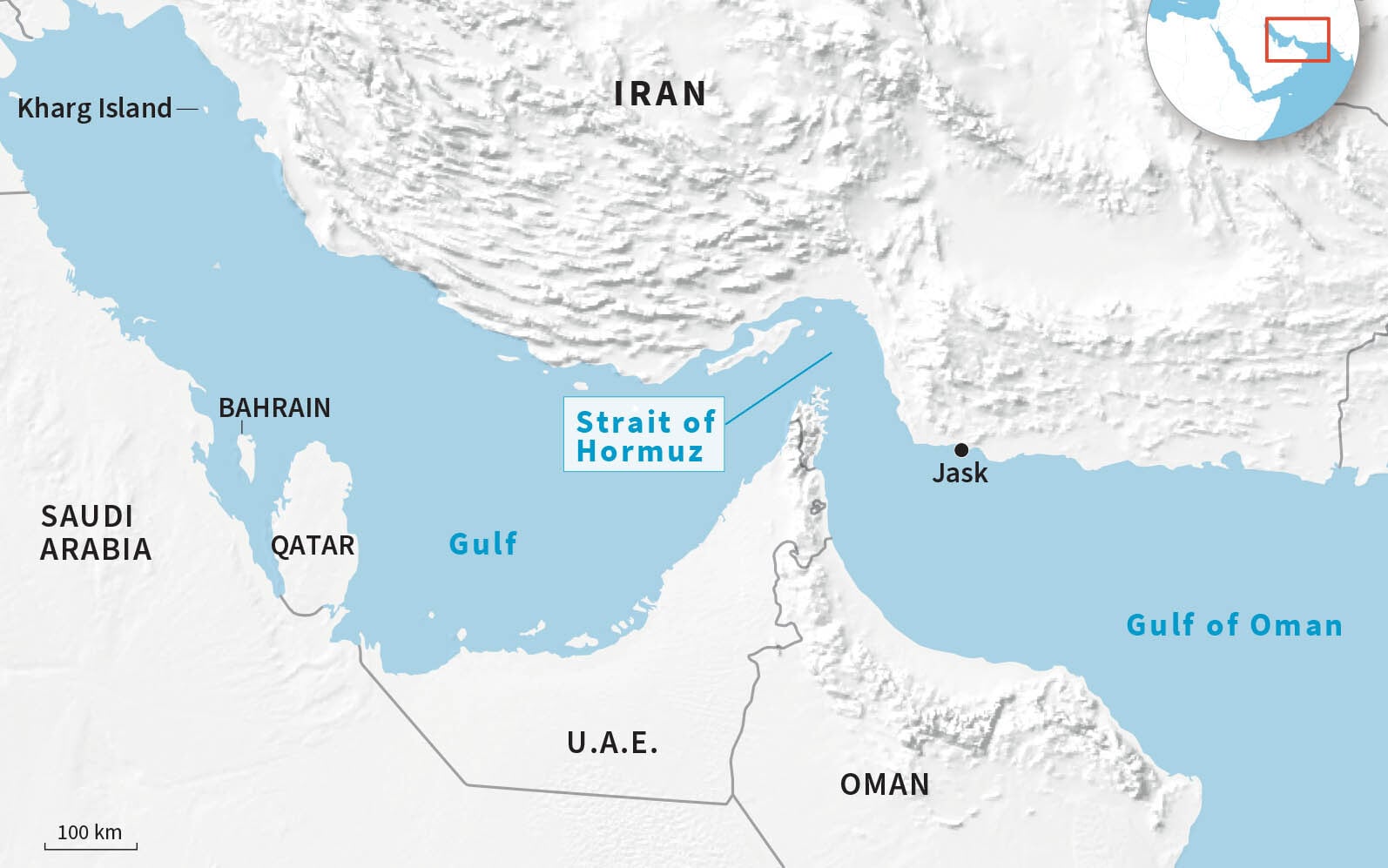
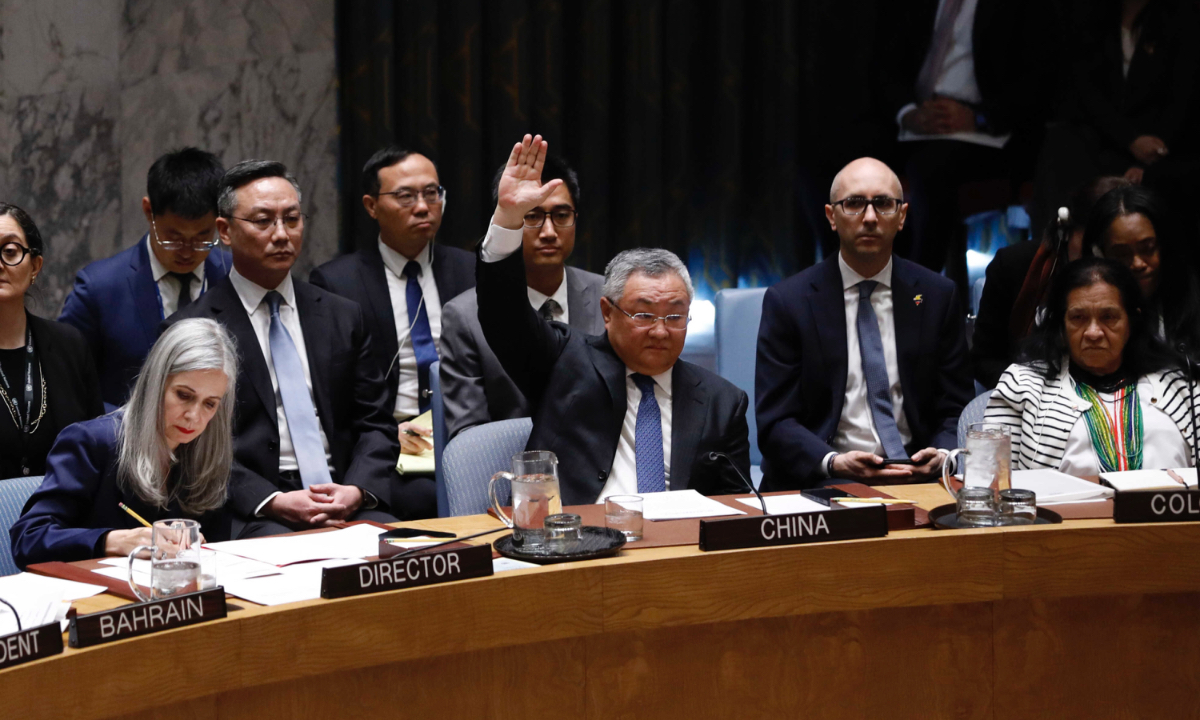
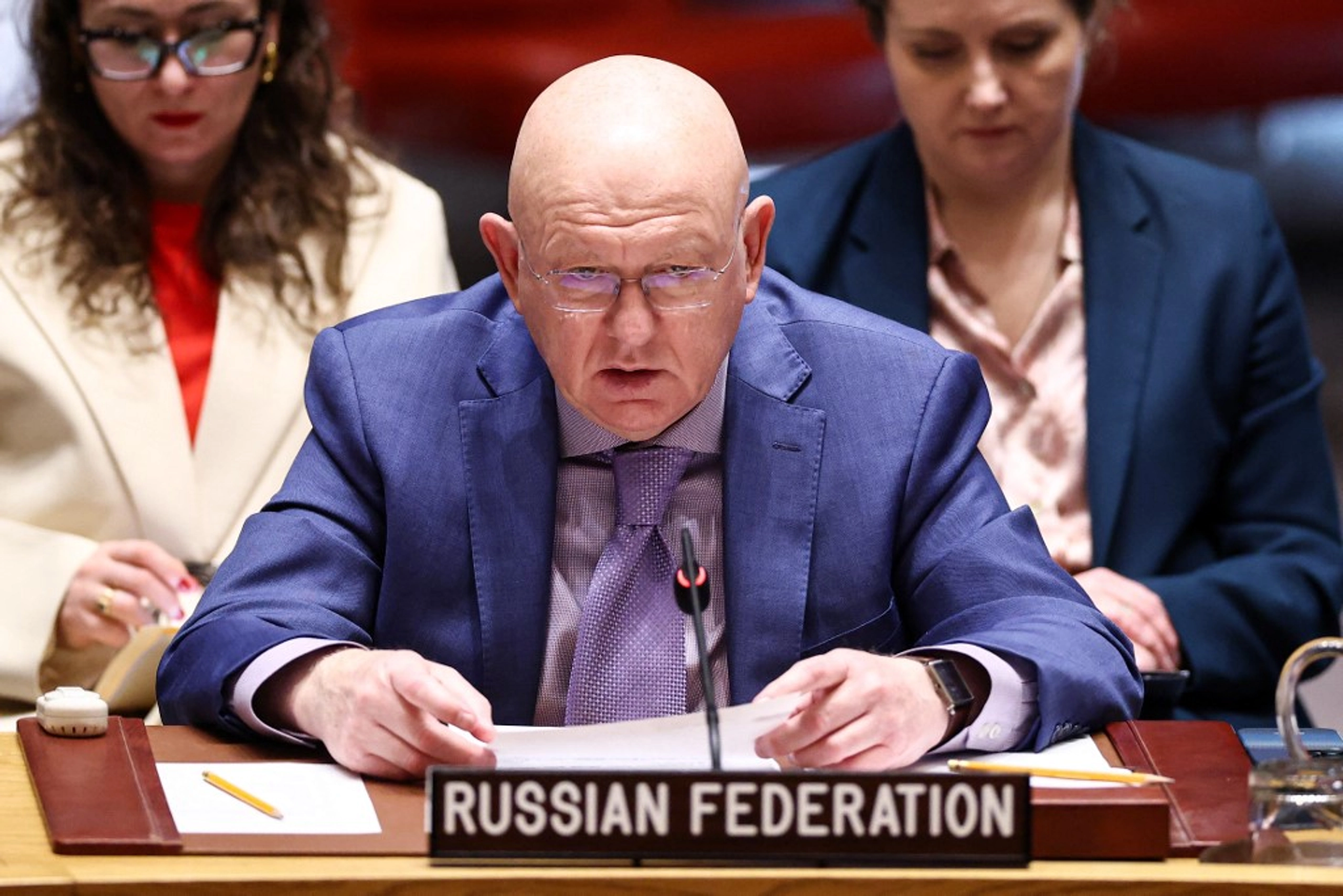
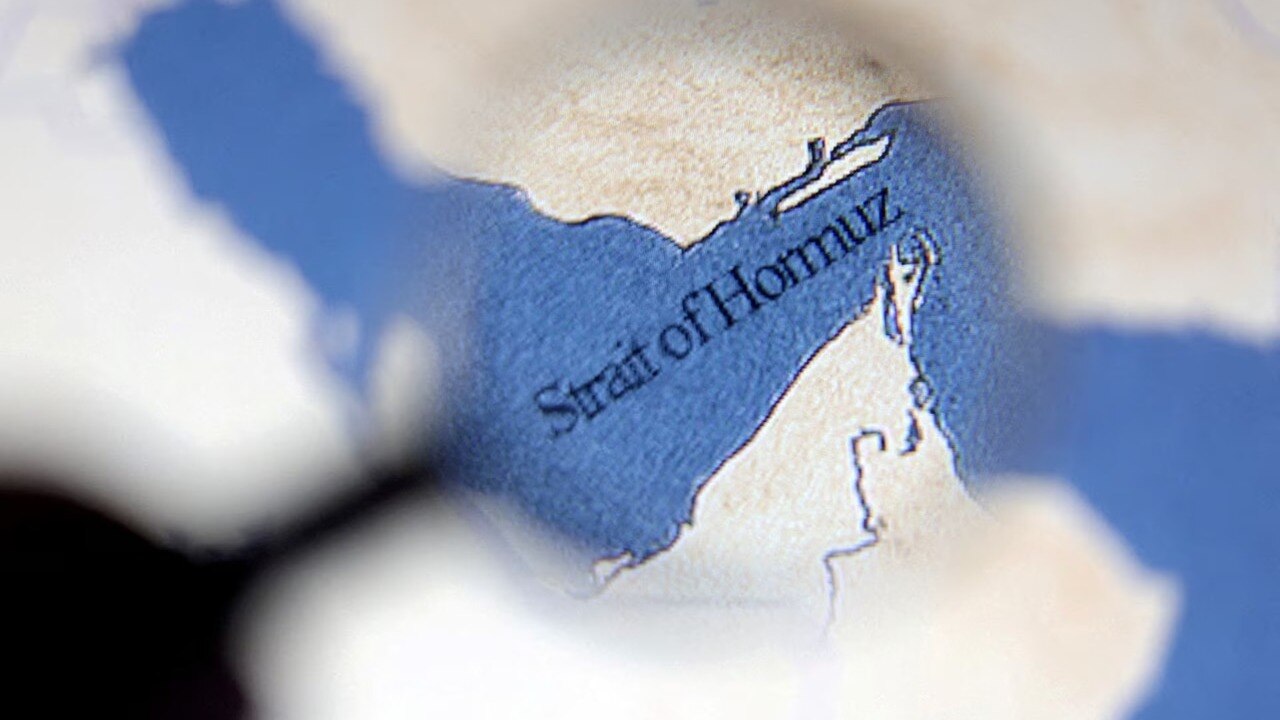
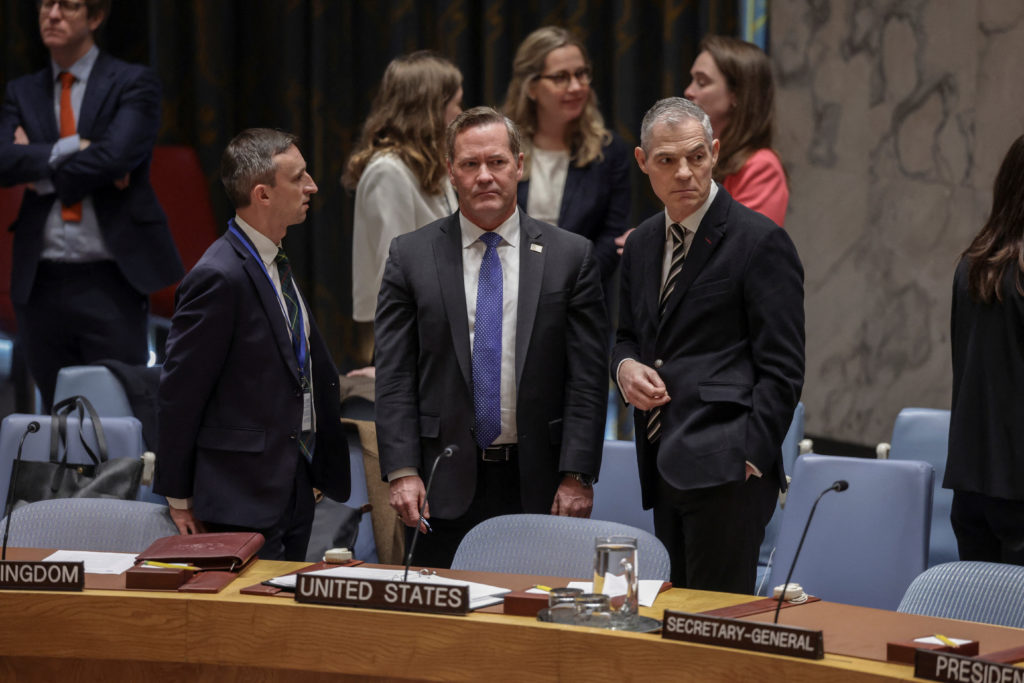
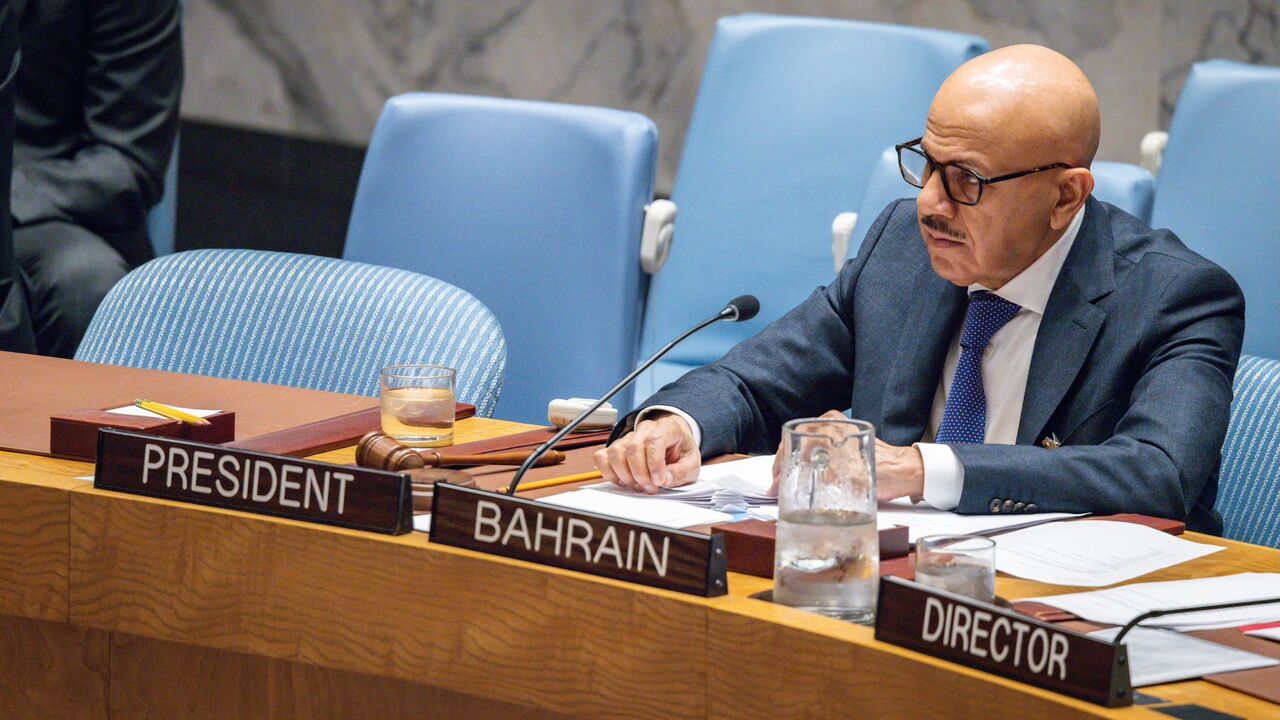
The Strait of Hormuz blockade represents a critical supply chain disruption for cross-border e-commerce sellers, with Iran effectively closing this strategic waterway since late February 2026 following US-Israel military operations. The UN Security Council's failed resolution on April 7, 2026—vetoed by Russia and China—eliminates near-term diplomatic solutions, leaving sellers facing sustained logistics cost increases of 8-15% for shipments transiting the strait. Approximately 20% of global oil supply normally flows through this chokepoint, making fuel price volatility a direct margin pressure for international sellers.
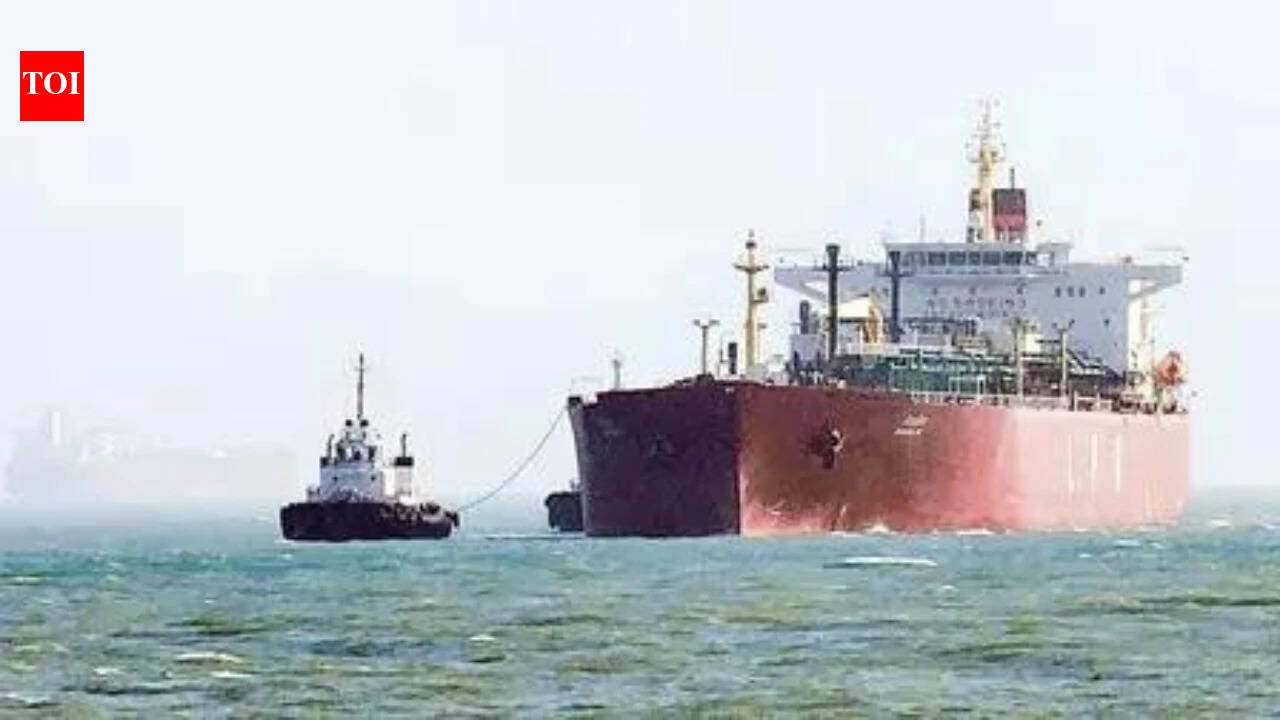
For sellers dependent on Asia-to-Europe and Asia-to-Middle East trade corridors, the blockade creates three immediate cost pressures: First, fuel surcharges from logistics providers are already materializing, with ocean freight rates from Shanghai to Rotterdam increasing 12-18% since the blockade began. Second, sellers must now route shipments around Africa's Cape of Good Hope, adding 10-14 days to transit times and increasing per-unit shipping costs by $0.80-2.50 depending on product weight and volume. Third, insurance premiums for maritime shipping through contested waters have risen 5-8%, directly impacting 3PL provider costs that get passed to sellers.
The geopolitical stalemate creates distinct competitive advantages for specific seller segments. Large sellers (>$5M annual revenue) with established 3PL relationships can negotiate volume discounts on alternative routing, while small sellers (<$500K revenue) face proportionally higher per-unit cost increases. Sellers sourcing from Vietnam, India, and Pakistan gain competitive advantage over China-dependent suppliers, as vessels linked to these nations receive preferential passage through the blockade. This creates a 6-12 month window for sellers to shift sourcing from China to Vietnam (electronics, textiles, consumer goods) and India (pharmaceuticals, chemicals, specialty products) before competitors optimize their supply chains. The blockade also benefits sellers holding inventory in European distribution centers, as they can serve Middle Eastern markets without transiting the strait, reducing delivery times by 40-50% compared to Asia-sourced competitors.
Strategic sourcing opportunities emerge in three categories: Electronics and consumer goods sourcing should shift 20-30% from China to Vietnam and Thailand, where tariff advantages under CPTPP agreements combine with blockade-driven logistics benefits. Pharmaceutical and chemical sellers should accelerate India sourcing, which now offers 15-20% cost advantages over China routes due to preferential passage. Luxury goods and high-margin products should prioritize air freight alternatives (currently 3-4x ocean costs but avoiding the blockade entirely), creating margin compression that favors sellers with 40%+ gross margins. The compliance angle is critical: sellers must verify that alternative routing doesn't trigger additional customs documentation requirements in Egypt (Suez Canal) or South Africa (Cape routing), as these add 5-7 business days to clearance timelines.
Questions 8
How much will the Strait of Hormuz blockade increase my shipping costs?
Ocean freight costs are rising 8-15% for sellers routing through the blockade, with additional fuel surcharges of 5-8% from logistics providers. For a typical 20-foot container from Shanghai to Rotterdam, expect cost increases of $800-1,500 per shipment. Alternative Cape of Good Hope routing adds 10-14 days transit time and $0.80-2.50 per unit depending on product weight. Small sellers (<$500K revenue) face proportionally higher per-unit increases due to lower volume negotiating power with 3PL providers. Monitor your logistics provider's fuel surcharge announcements weekly, as these typically adjust with crude oil prices and geopolitical risk assessments.
Should I shift my sourcing from China to Vietnam or India?
Yes, a 20-30% sourcing shift to Vietnam and India is strategically justified for the next 6-12 months. Vietnam offers 15-20% logistics cost advantages for electronics and textiles due to preferential blockade passage and CPTPP tariff benefits. India provides similar advantages for pharmaceuticals and chemicals, with additional benefits from existing US-India trade agreements. However, verify your supplier's quality certifications and lead times before shifting volume—Vietnam suppliers typically require 4-6 week onboarding, while India suppliers need 6-8 weeks. Start with 10-15% test orders to validate quality before committing to larger volumes.