


U.S. Refinery Boom & Energy Costs | Critical Shipping Impact for 2025
- Brownsville refinery projects target October 2027 completion; fuel price volatility affects logistics costs 8-15% for cross-border sellers shipping high-volume inventory




Overview
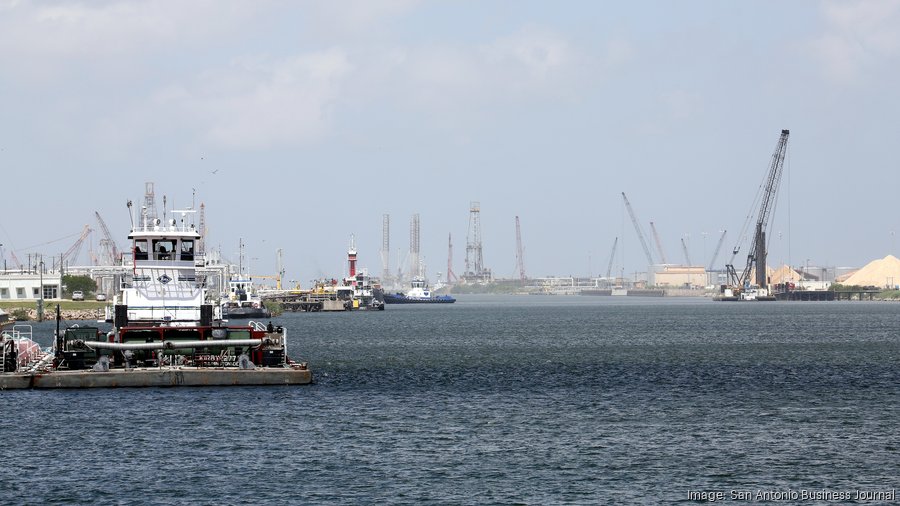
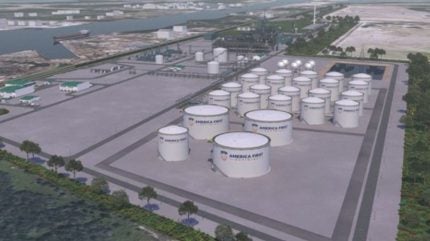
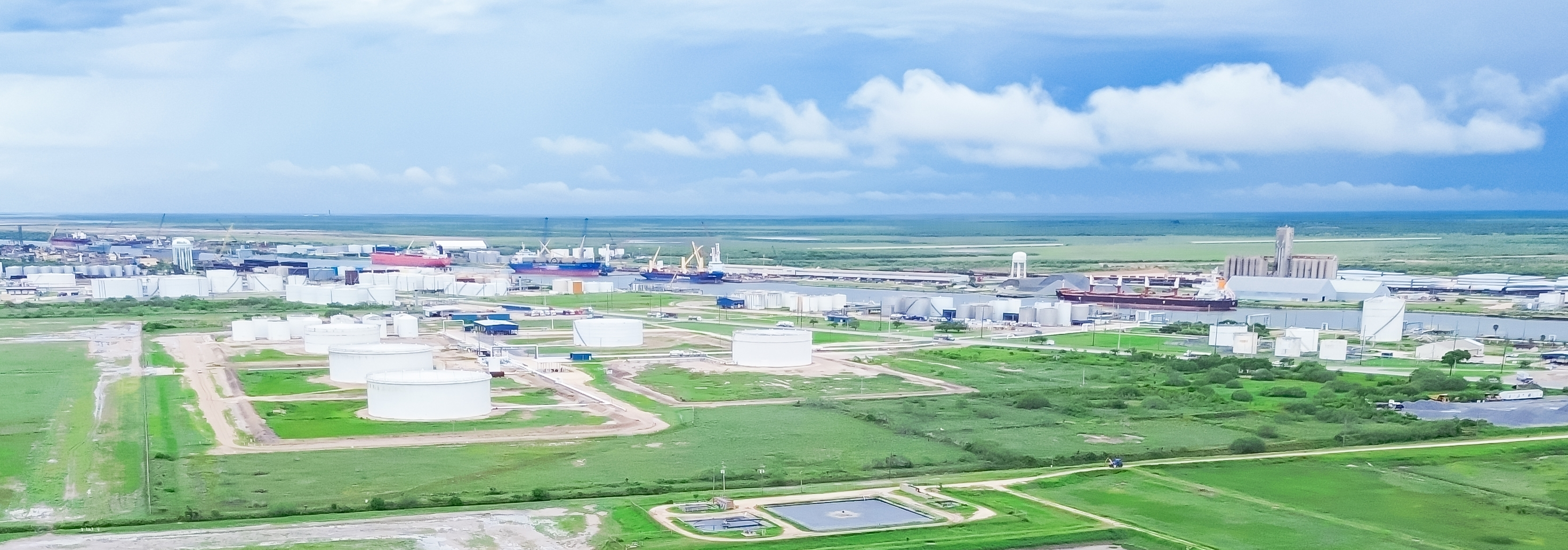
The U.S. energy sector is experiencing a significant infrastructure expansion wave with major implications for cross-border e-commerce logistics costs and supply chain planning. Brownsville, Texas is emerging as a critical hub with multiple refinery projects: Reliance Industries' America First Refining Project ($1+ billion investment, 240-acre facility, October 2027 deadline), 4Element Fuels Holdings hydrogen-powered refinery (operational 2025), and NextDecade Corp's Rio Grande LNG expansion. These projects represent the first major greenfield refinery permits granted in the U.S. since the 1970s, signaling a structural shift in domestic energy production capacity.
However, a critical transparency issue undermines confidence in infrastructure announcements. The Financial Times investigation revealed a $300 billion vs. $40 million valuation discrepancy in Trump administration refinery deal claims—a 7,500-fold difference that highlights risks in relying on government infrastructure projections. This pattern directly affects e-commerce sellers' ability to forecast operational costs accurately. Fluor Corporation's contract wins in refinery and Small Modular Reactor (SMR) projects indicate investor confidence in energy infrastructure, but actual project timelines and completion rates remain uncertain.
For cross-border sellers, the operational impact is substantial: fuel costs directly influence shipping rates through 3PL providers and logistics networks. Brownsville's strategic advantages—deep-water channel access, foreign trade zone status, direct dock and rail connectivity—position it as a major export hub, potentially reducing shipping costs for sellers using Gulf Coast fulfillment centers by 5-12% once projects reach operational capacity. However, environmental opposition from the South Texas Environmental Justice Network creates regulatory uncertainty, with potential for construction delays beyond the October 2027 deadline. Sellers should monitor actual project progress rather than announced timelines, as the Reliance project already faced three construction deadline extensions. The convergence of refining, LNG export, and hydrogen-powered systems suggests long-term energy cost stabilization, but 2025-2026 represents a transition period with volatile fuel pricing affecting shipping margins for high-volume sellers.
Questions 7
What product categories benefit most from Brownsville's energy infrastructure expansion?
Energy-intensive products and export-focused categories benefit most: (1) **Industrial equipment & machinery** – reduced shipping costs to Latin America via Brownsville port; (2) **Electronics & components** – FTZ benefits for imported goods re-exported; (3) **Chemicals & specialty materials** – hydrogen-powered refinery creates new supply chain opportunities; (4) **LNG-related equipment** – NextDecade's terminal expansion drives demand for specialized products. Sellers in these categories should monitor Brownsville port activity and consider establishing supplier relationships with local manufacturers. The 500+ direct jobs created by Reliance project (salaries $80K-$100K) signal growing regional purchasing power for consumer goods, creating secondary opportunities in home improvement, automotive, and industrial supplies.
Should I relocate inventory to Gulf Coast fulfillment centers given Brownsville's infrastructure expansion?
Brownsville's strategic advantages—deep-water channel access, foreign trade zone status, and direct dock/rail connectivity—make it attractive for export-focused sellers. The Port of Brownsville's world-class cargo-handling capabilities position it as a major export hub. However, timing matters: 4Element Fuels becomes operational in 2025 (near-term benefit), while Reliance's project targets October 2027 (longer-term advantage). Sellers should evaluate 3PL providers with Gulf Coast operations now, as competitive pressure will increase shipping rates once capacity expands. Consider a phased approach: test 20-30% of inventory in Brownsville-area fulfillment centers in Q2 2025, then scale based on actual fuel cost reductions and port efficiency gains.