




Gilead's $12.6B Oncology Acquisition Surge | Pharma Supply Chain & Healthcare Product Opportunities for Sellers
- Three major biotech acquisitions in 6 weeks signal accelerated cancer therapy commercialization; creates supply chain opportunities for medical device, diagnostic, and patient support product sellers in oncology ecosystem























Overview
Gilead Sciences' aggressive $12.6 billion acquisition strategy—acquiring CAR-T specialist Arcellx ($7.8B in February), T-cell engager biotech Ouro Medicines ($1.67B in March), and ADC platform company Tubulis ($3.15B in April 2026)—represents a fundamental reshaping of the pharmaceutical innovation landscape with significant indirect implications for cross-border e-commerce sellers. CEO Daniel O'Day's pivot from M&A to integration signals that Gilead is consolidating complementary technologies to accelerate time-to-market for next-generation cancer therapies, creating a 24-36 month window of heightened clinical trial activity, regulatory submissions, and commercialization infrastructure buildout.
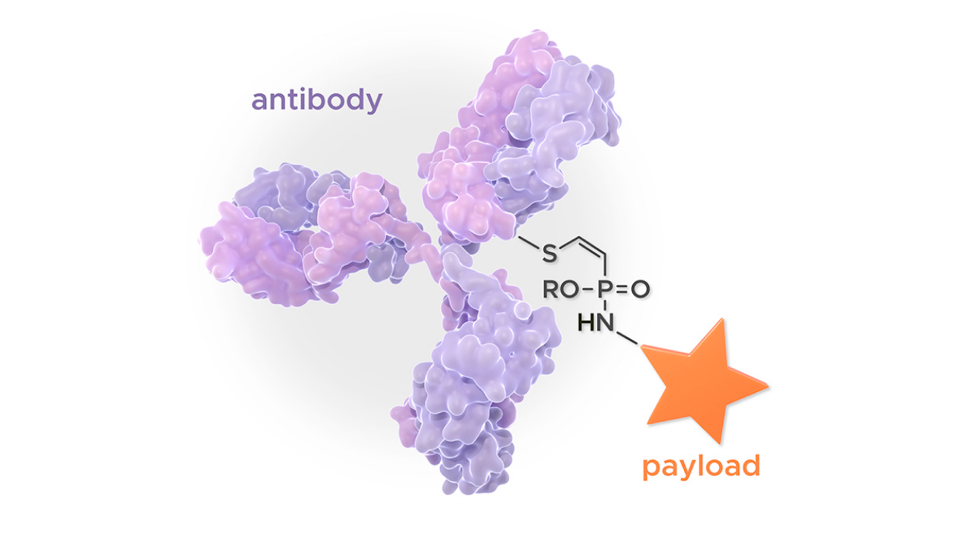
Supply Chain and Product Opportunities: The acquisition of Tubulis' novel ADC linker technology (P5 and Alco5 platforms) and the planned 2027 registrational trial for OM336 indicate Gilead will require expanded manufacturing, cold-chain logistics, patient support services, and diagnostic companion products. E-commerce sellers can capitalize on this through: (1) Medical device and diagnostic test kit distribution to clinical trial sites across Europe and North America; (2) Patient support products (nausea management, immune system support supplements) targeting multiple myeloma and ovarian cancer patient communities; (3) Specialized packaging and shipping solutions for temperature-controlled pharmaceutical samples; (4) Healthcare professional training materials and certification courses on new therapy protocols.
Market Consolidation and Competitive Dynamics: The strategy of converting existing partnerships (Ouro and Tubulis were prior collaborators) into full acquisitions demonstrates Gilead's confidence in these platforms' commercial potential. This consolidation reduces the number of independent biotech players in oncology, potentially creating supply chain bottlenecks for smaller competitors and opening opportunities for sellers to position as alternative suppliers of complementary products. The Munich-based Tubulis unit's continued operation signals European manufacturing expansion, creating logistics opportunities for sellers serving German and EU pharmaceutical distribution networks.
Regulatory and Timeline Implications: With anito-cel awaiting FDA approval for multiple myeloma and OM336 launching registrational trials in 2027, sellers should anticipate 18-24 months of accelerated demand for clinical trial support products, patient recruitment services, and post-approval commercialization infrastructure. The Belgian partnership with Galapagos (contributing 50% of Ouro acquisition cost) indicates multi-country regulatory coordination, creating opportunities for sellers with EU distribution capabilities.
Questions 8
How does FDA approval timeline for anito-cel affect seller opportunities?
Anito-cel's pending FDA approval for multiple myeloma creates immediate opportunities for sellers to develop post-approval commercialization support products. The approval timeline typically spans 12-24 months from submission, creating windows for sellers to: (1) develop patient education and disease awareness materials; (2) establish relationships with oncology clinics and treatment centers; (3) create patient support programs addressing CAR-T therapy side effects; (4) develop diagnostic companion products for patient selection and monitoring. Sellers should monitor FDA approval announcements and establish distribution partnerships with major cancer treatment centers 6-12 months before anticipated approval to capture early commercialization demand.
What manufacturing and logistics implications emerge from Gilead's three acquisitions?
The three acquisitions require integrated manufacturing, quality control, and distribution infrastructure for CAR-T therapies, T-cell engagers, and ADC platforms. Sellers should anticipate demand for: (1) specialized manufacturing equipment and consumables for cell therapy production; (2) cold-chain logistics solutions for temperature-sensitive biologics; (3) regulatory compliance and quality assurance services; (4) clinical trial logistics and patient recruitment support. The commitment to maintaining acquired teams and Tubulis' Munich-based operations signals European manufacturing expansion, creating opportunities for sellers with German and EU pharmaceutical distribution networks and cold-chain capabilities.