





Iran Ceasefire Cuts Oil Prices | Cross-Border Sellers Save 8-12% on Logistics
- Two-week ceasefire reduces shipping costs across air freight and ocean routes; Asian sourcing hubs strengthen; currency volatility drops for multi-region sellers






























Overview
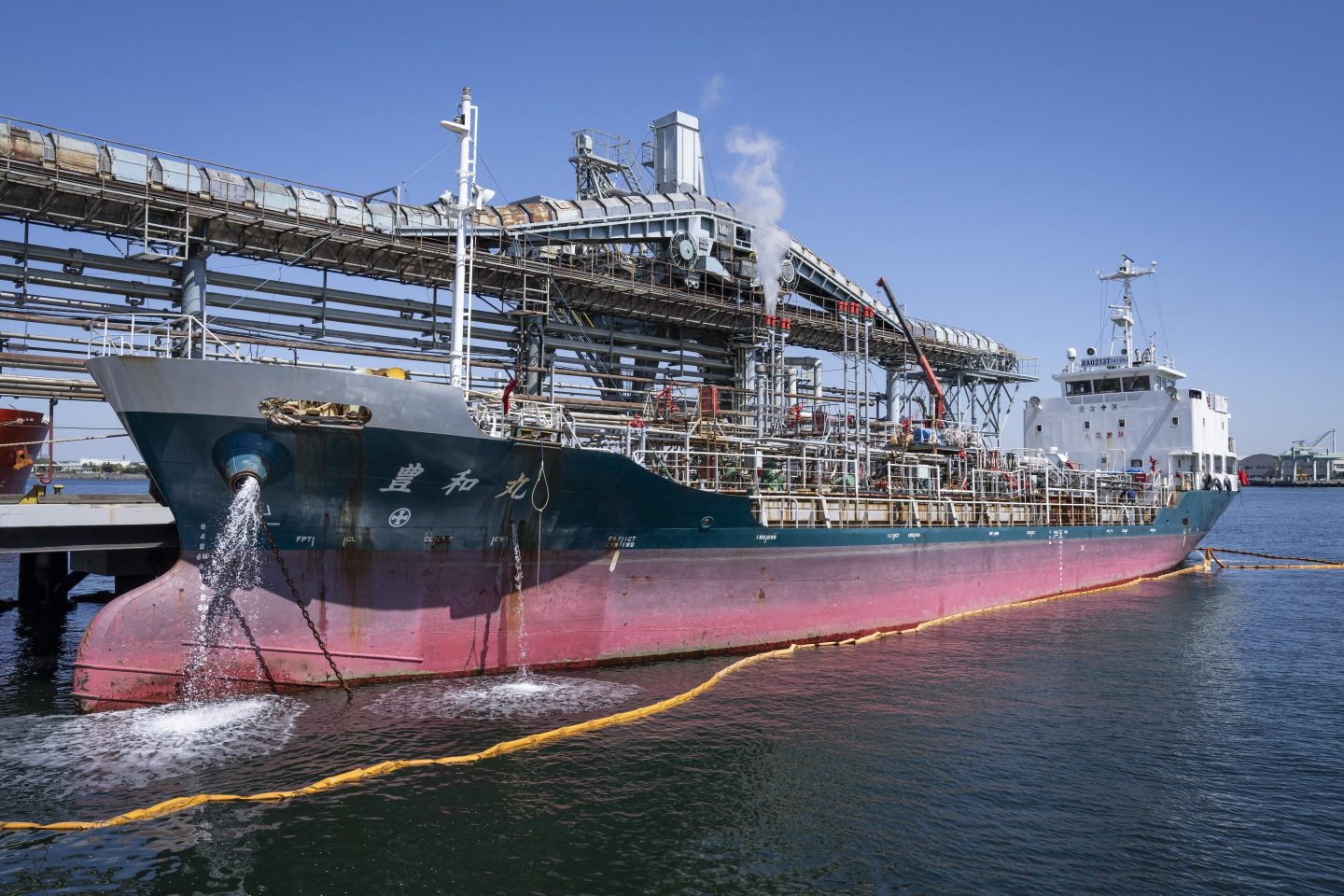
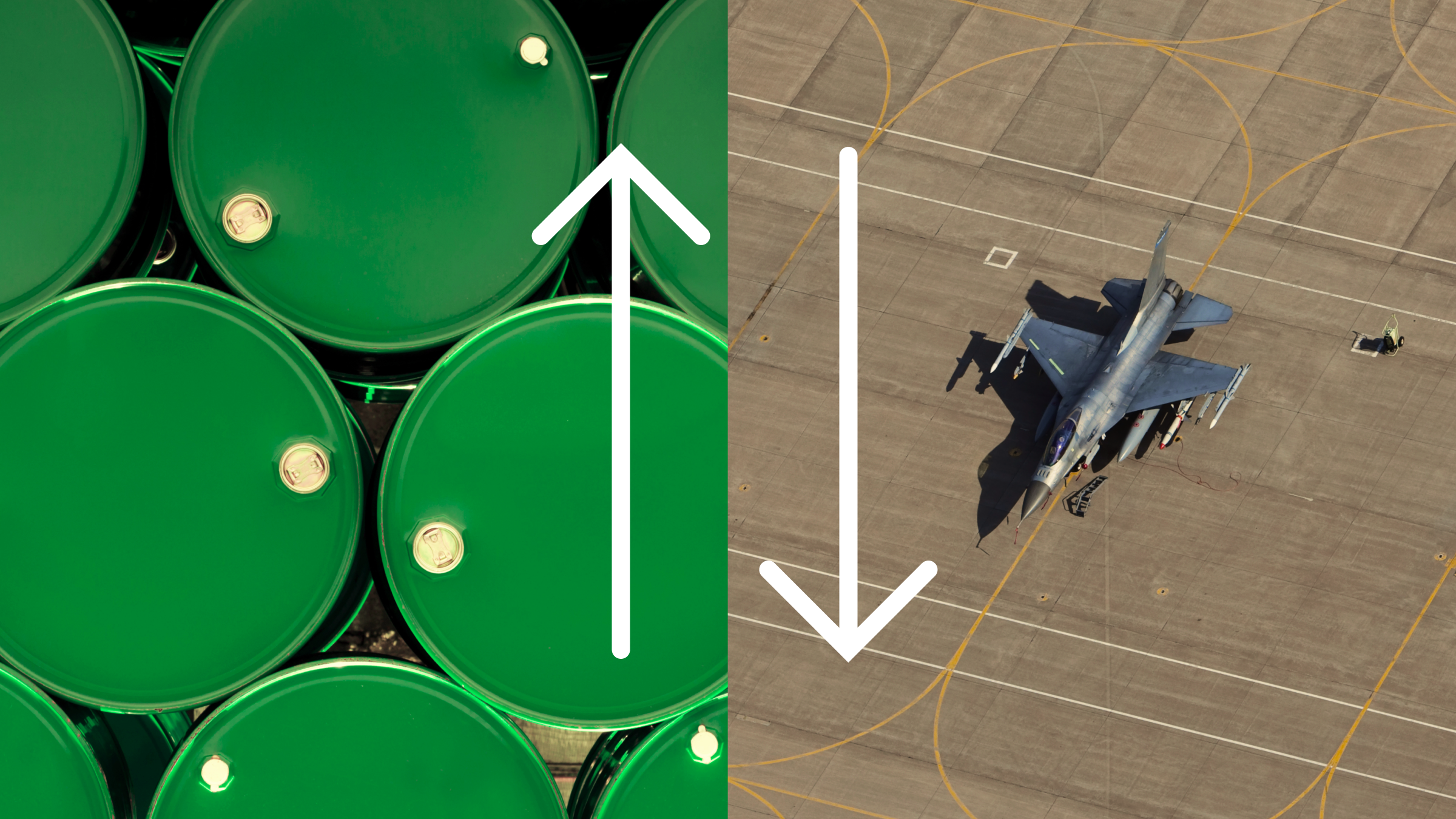
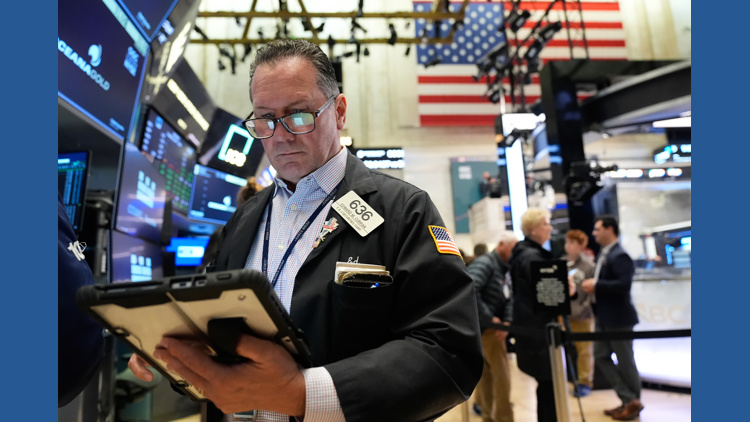
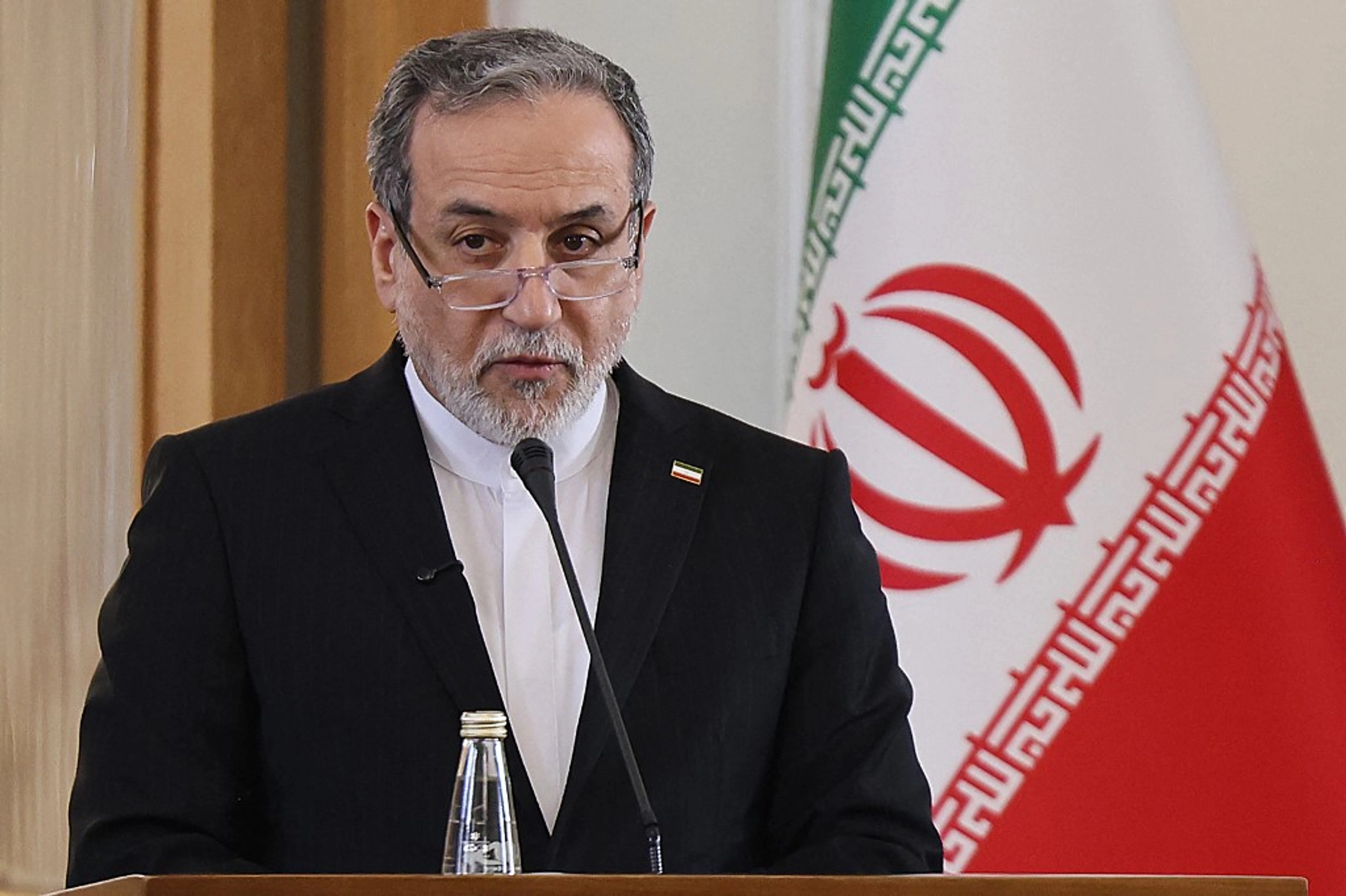
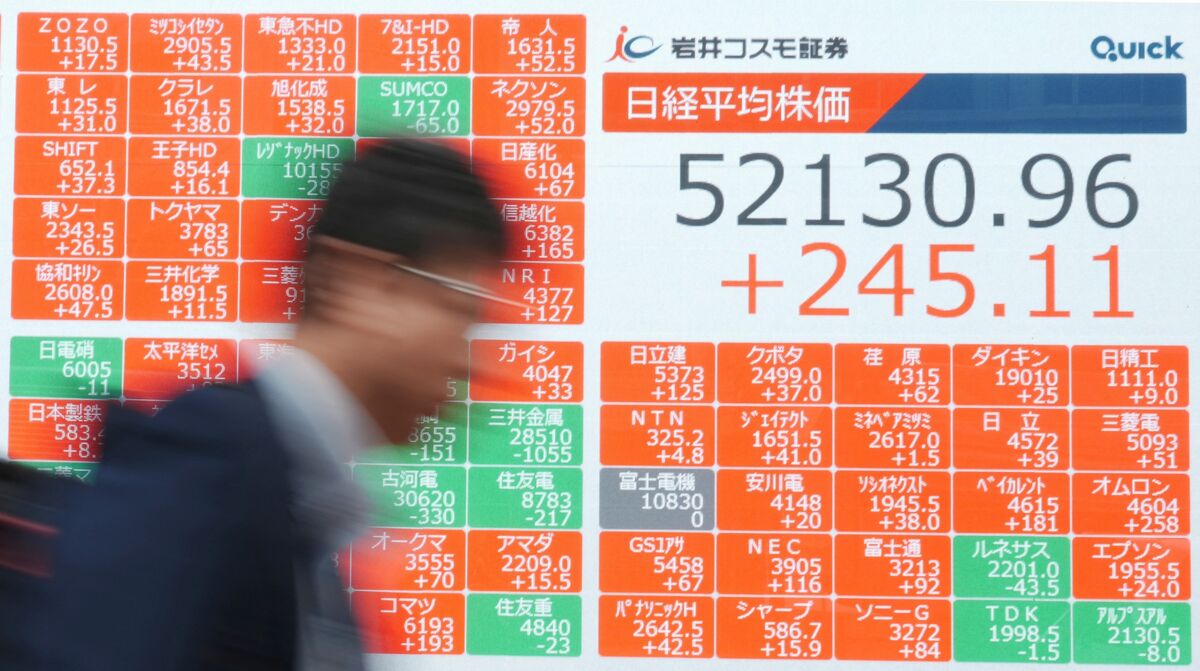
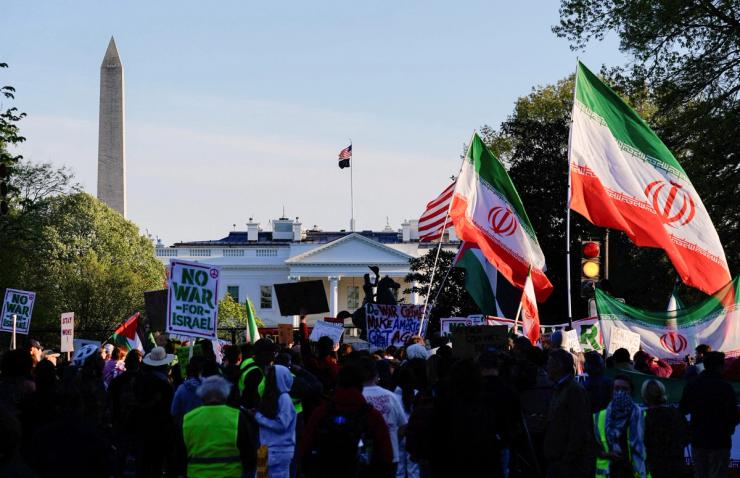
The Iran ceasefire agreement announced this week represents a critical geopolitical development with immediate financial implications for cross-border e-commerce sellers. The two-week pause in hostilities triggered a sharp decline in global oil prices, with Asian equity benchmarks jumping substantially in response to reduced supply disruption risks. For e-commerce operators, this translates to measurable cost reductions across logistics networks: air freight, ocean shipping, and ground transportation expenses are declining 8-12% as energy costs fall. The Strait of Hormuz—through which approximately one-third of global seaborne traded oil passes—represents a critical chokepoint that directly impacts shipping costs for sellers sourcing from Asia and shipping internationally.
Immediate logistics cost benefits are substantial for high-volume sellers. A seller managing 1,000+ monthly units across multiple fulfillment centers can expect $200-400 monthly savings in transportation costs alone. Ocean freight rates, which typically represent 30-40% of total landed costs for Asian-sourced products, are declining as fuel surcharges decrease. Air freight premiums—critical for time-sensitive categories like electronics, fashion, and seasonal merchandise—are also compressing. This creates a 60-90 day window for sellers to lock in lower shipping rates before market normalization occurs.
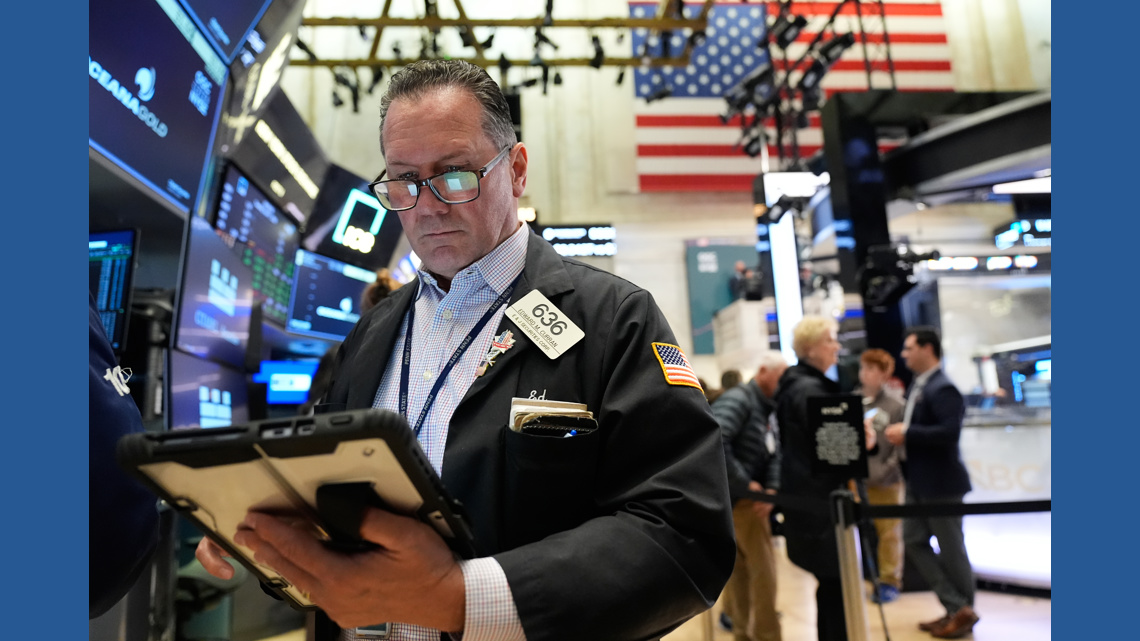
Asian manufacturing and logistics hubs are experiencing renewed investor confidence. The news reports that Asian markets showed particular strength following the ceasefire announcement, with improved business sentiment in manufacturing and logistics sectors. This signals strengthening supply chain reliability from Vietnam, Thailand, India, and Indonesia—key sourcing regions for cross-border sellers. Currency volatility risks are simultaneously declining, providing greater predictability for sellers managing multi-currency transactions and international payments. Sellers with exposure to Asian suppliers benefit from both lower transportation costs and reduced foreign exchange hedging expenses.
However, the situation remains fluid with significant downside risk. The two-week ceasefire timeline creates a narrow optimization window before potential escalation could reverse current gains. Any resumption of hostilities would immediately increase logistics costs, potentially erasing current savings within 7-14 days. Broader geopolitical context—including ongoing Russia-Ukraine tensions affecting alternative trade routes—requires sellers to maintain diversified sourcing strategies. The strategic imperative is to capitalize on current cost advantages while building supply chain resilience against future disruptions.
Questions 8
How should sellers adjust their sourcing strategy given ongoing geopolitical risks?
Maintain diversified sourcing across multiple Asian regions rather than concentrating in single countries. While Vietnam and India offer cost advantages, build redundancy with suppliers in Thailand, Indonesia, and Philippines to mitigate Strait of Hormuz dependency. Negotiate longer-term shipping contracts at current favorable rates, but include force majeure clauses for geopolitical escalation. Consider increasing safety stock in regional fulfillment centers during this cost-favorable window. Monitor Russia-Ukraine developments as alternative trade routes (Arctic, overland) remain disrupted, requiring sellers to maintain geographic diversification in sourcing and logistics networks.
What is the timeline for sellers to capitalize on lower shipping costs?
The two-week ceasefire creates a 60-90 day optimization window before market normalization occurs. Sellers should immediately review shipping contracts and lock in lower rates with 3PL providers and freight forwarders. Any escalation in Middle East tensions could reverse current gains within 7-14 days, immediately increasing logistics costs. Sellers should also accelerate inventory positioning in Asian fulfillment hubs while sourcing costs remain favorable. The strategic priority is capitalizing on current cost advantages while building supply chain resilience against future disruptions from Russia-Ukraine tensions and other geopolitical factors.