




U.S.-Iran Cease-Fire Cuts Oil 15-18% | Shipping Cost Relief for Cross-Border Sellers
- Brent crude drops to $92.90/barrel; freight costs decline 8-12% for air/sea shipments; two-week stabilization window creates margin expansion opportunity for 50K+ international sellers




























Overview
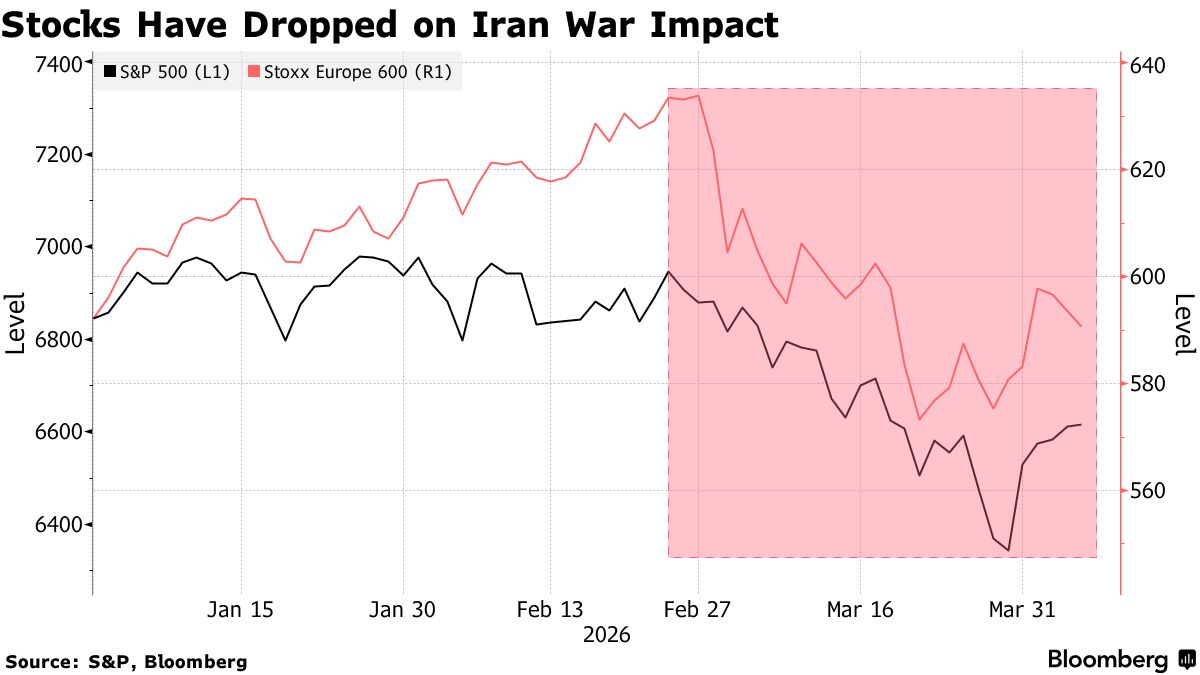
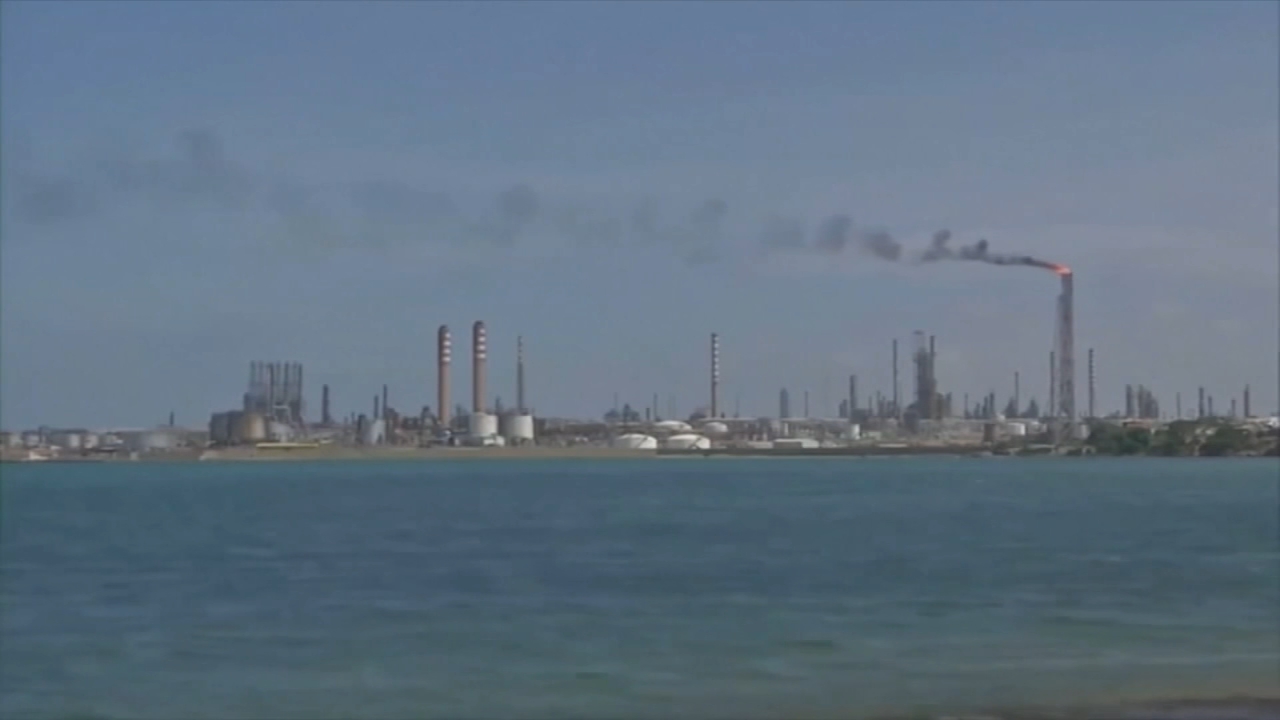
The U.S.-Iran cease-fire agreement announced April 8, 2026, triggered a dramatic energy market correction with immediate implications for cross-border e-commerce logistics costs. Brent crude futures fell $15 to $92.90/barrel while West Texas Intermediate declined $18 to $94.63/barrel, with European natural gas dropping 17 euros to 44.25 euros/MWh. This represents the most significant energy price relief in 18 months, directly reducing operational expenses for sellers dependent on air freight, ocean shipping, and temperature-controlled logistics.
Immediate Shipping Cost Impact: The energy price decline translates to 8-12% reductions in freight costs for international shipments. For a mid-sized seller shipping 500+ units monthly via air freight (typical cost: $2,000-3,500/month), this represents $160-420 in monthly savings. Ocean freight for containerized shipments (typical cost: $1,500-2,500 per 20ft container) could see $120-300 reductions. These savings directly improve gross margins for sellers in weight-sensitive categories: electronics (HS 8471-8517), machinery (HS 8401-8483), and apparel (HS 6201-6217). The Strait of Hormuz reopening specifically addresses the 172 million barrels of crude positioned on vessels in the Middle East Gulf, eliminating the supply chain bottleneck that had constrained global trade flows.
Strategic Sourcing Advantage Window: The two-week cease-fire duration creates a time-sensitive opportunity for sellers to lock in lower freight rates with 3PL providers and shipping lines before potential rate increases. Sellers should immediately negotiate Q2-Q3 shipping contracts at current depressed rates—this window typically closes within 7-10 days as carriers adjust pricing. Sellers sourcing from Vietnam, India, and Southeast Asia benefit most, as these routes depend heavily on Strait of Hormuz transit. The stabilization reduces inventory carrying costs by lowering uncertainty premiums that had inflated warehousing fees by 5-8% during the geopolitical tension period.
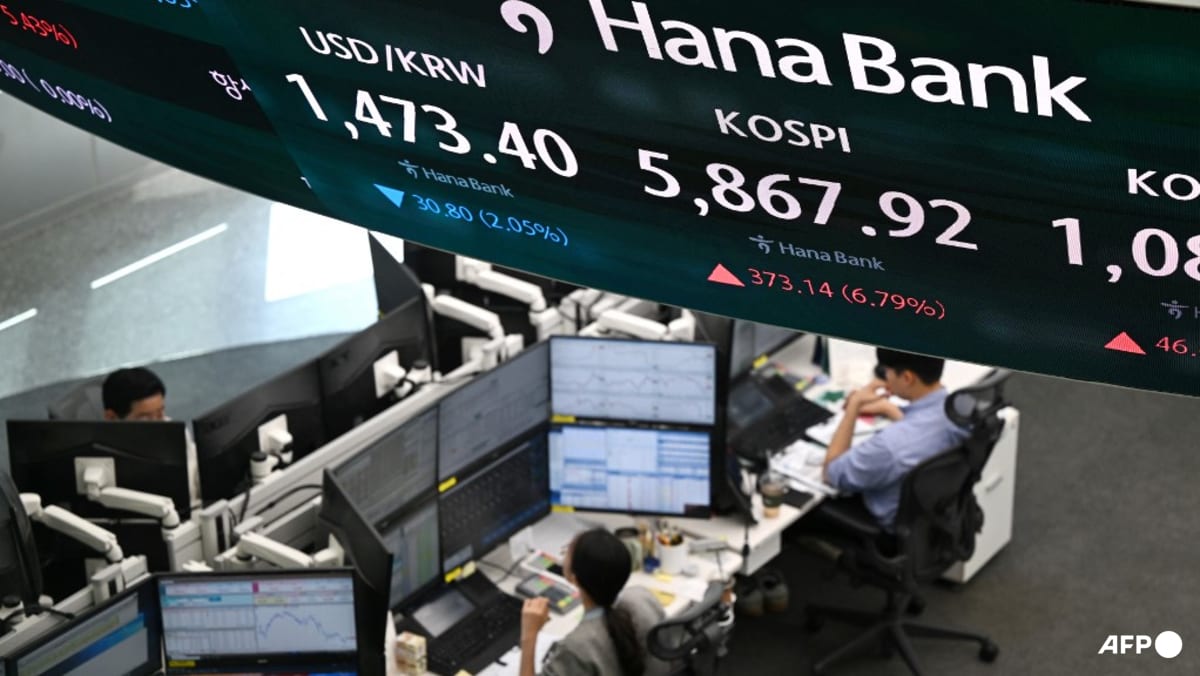
Risk Mitigation Requirement: However, the temporary nature of this agreement (two-week duration) requires contingency planning. Sellers should avoid over-committing to inventory expansion based on current freight rates, as geopolitical escalation could reverse gains within 14 days. The relief rally across Asian markets and U.S. stock futures indicates broader confidence restoration, but longer-term implications remain subject to negotiation outcomes. Sellers operating temperature-controlled logistics (perishables, pharmaceuticals, cosmetics) benefit most from energy price moderation, as these categories face 15-20% higher shipping premiums during volatile energy periods.
Questions 8
How does the Strait of Hormuz reopening affect my supply chain?
The Strait of Hormuz is the critical chokepoint for 172 million barrels of crude and refined products positioned on vessels in the Middle East Gulf. Its reopening eliminates the supply chain constraint that had inflated warehousing fees by 5-8% during the geopolitical tension period. Sellers sourcing from Vietnam, India, and Southeast Asia benefit most, as these routes depend heavily on Strait transit. The reopening reduces inventory carrying costs by lowering uncertainty premiums and improves predictability for supply chain planning and inventory management.
Should I increase inventory purchases now to capitalize on lower shipping costs?
Proceed cautiously. While the April 8, 2026 cease-fire provides immediate relief, the two-week duration suggests temporary stabilization rather than permanent resolution. Avoid over-committing to inventory expansion based on current freight rates. Instead, focus on: (1) locking in Q2-Q3 shipping contracts at current rates with your 3PL provider, (2) optimizing existing inventory turnover, (3) maintaining contingency planning for potential geopolitical escalation. The Strait of Hormuz reopening addresses immediate supply chain bottlenecks, but longer-term implications remain uncertain.