



Strait of Hormuz Ceasefire Creates Shipping Cost Volatility | Cross-Border Sellers Face 8-15% Logistics Uncertainty
- Iran-US ceasefire on April 7, 2026 creates 2-week window of shipping cost uncertainty; oil prices dropped $13-15/barrel but remain 40% above pre-conflict levels, affecting fulfillment costs for 50K+ sellers using Middle East routes

















Overview
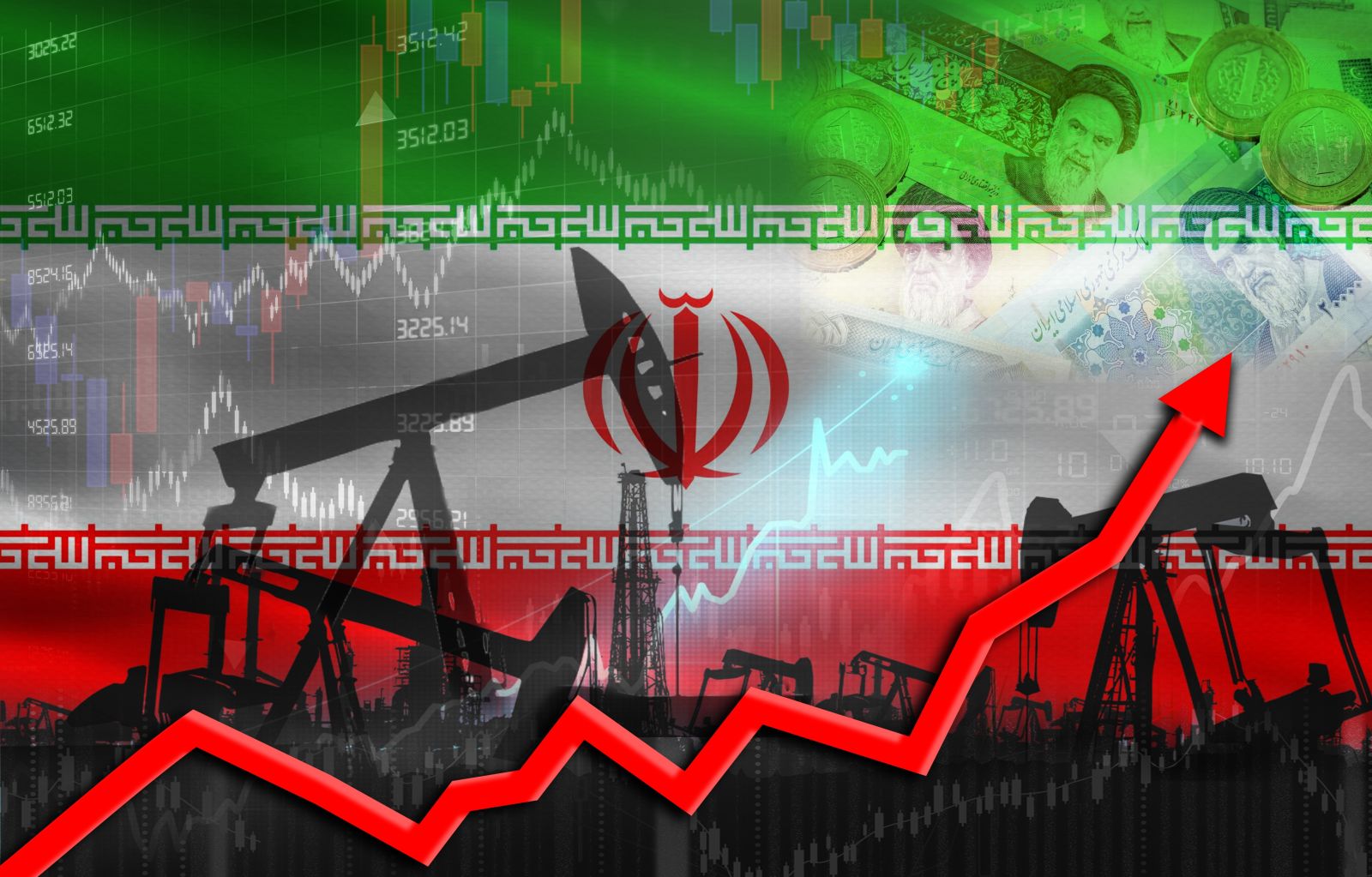
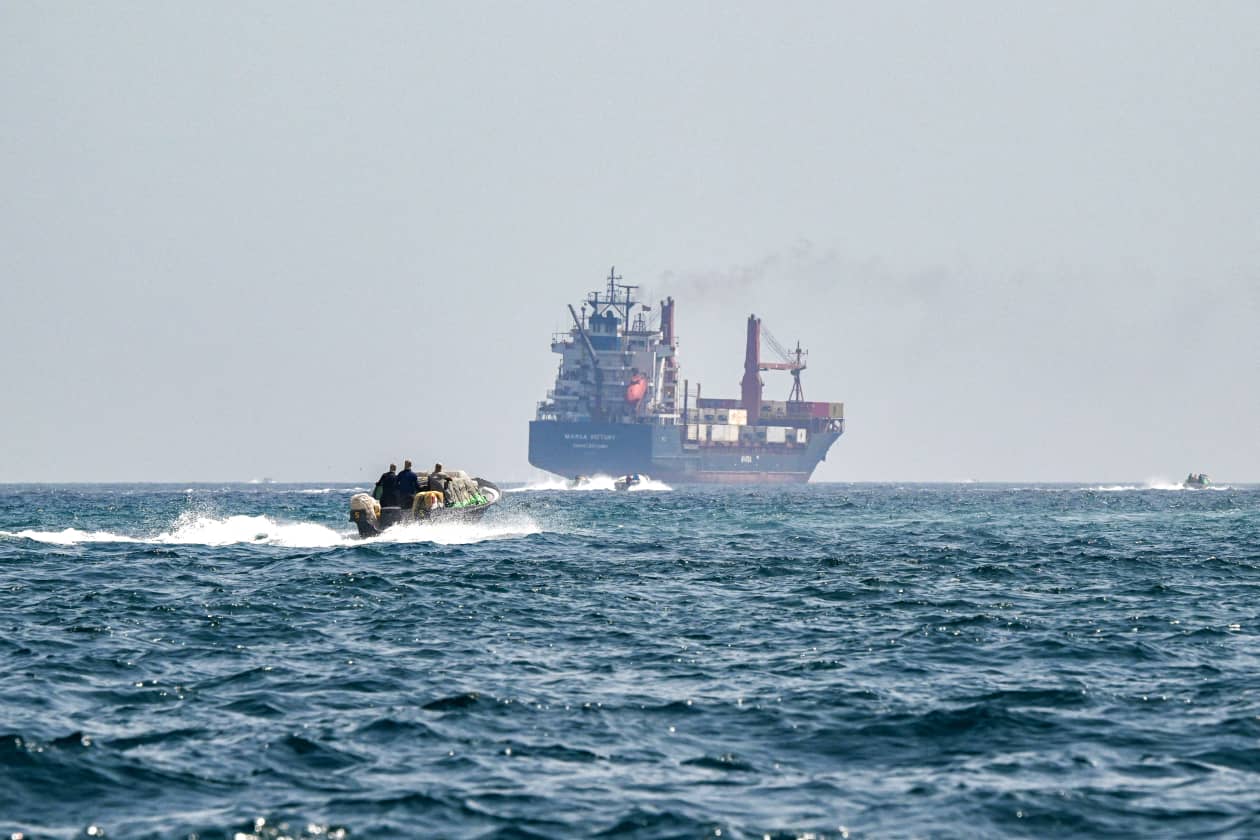
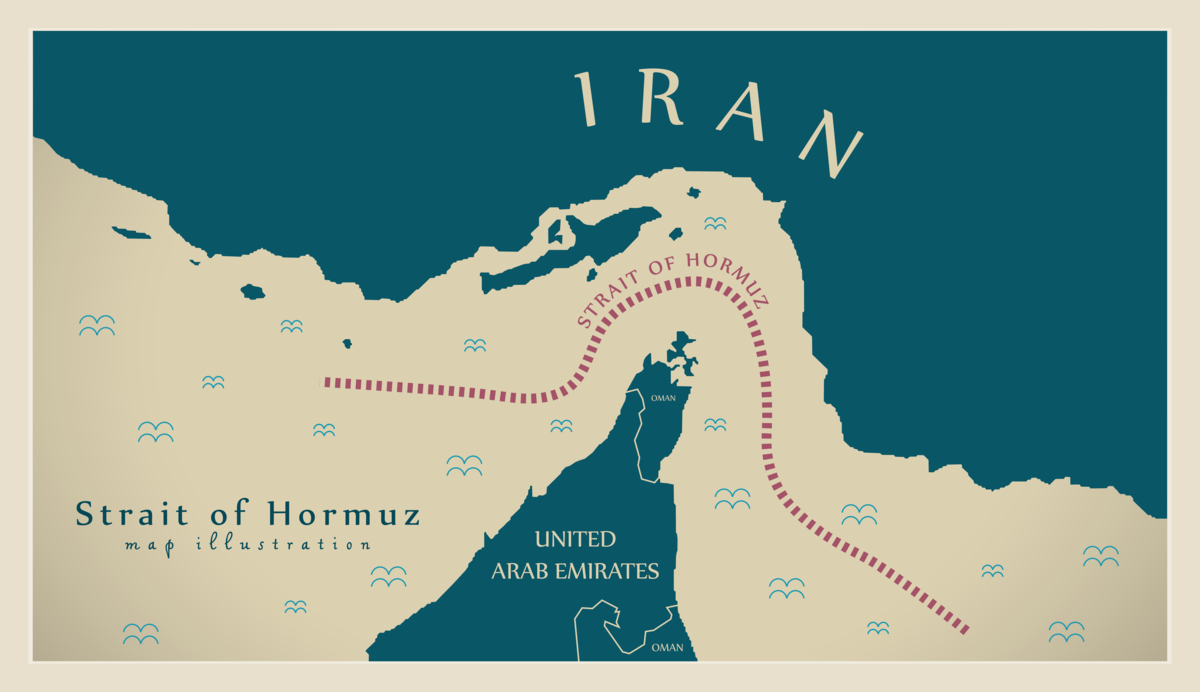
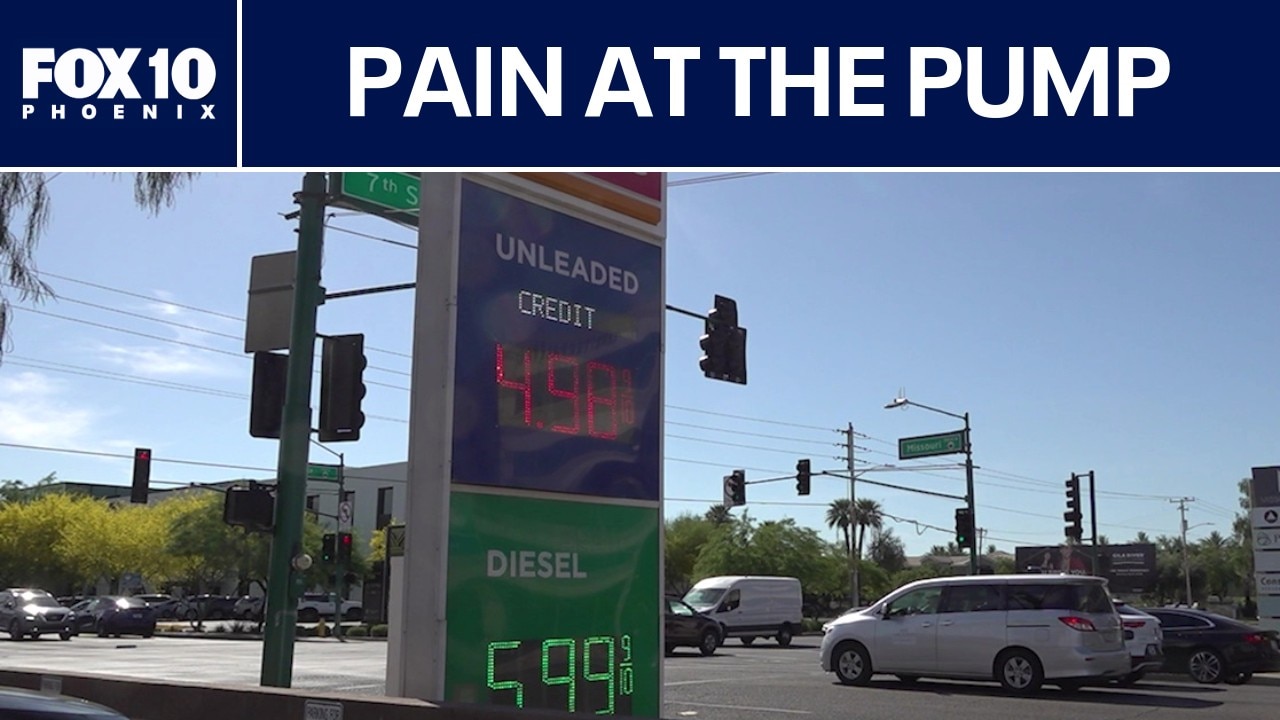
The Iran-US ceasefire announced April 7, 2026 creates immediate shipping cost volatility for cross-border e-commerce sellers. President Trump's two-week ceasefire agreement hinges on reopening the Strait of Hormuz, through which 20% of global oil transits. The blockade had created the largest oil supply shock on record, affecting 12-15 million barrels daily. Oil prices dropped dramatically—US crude fell $15+ to below $95/barrel, Brent crude fell $13.75 to $94.68—yet remain 40% above the $67.02 pre-conflict baseline from February 27, 2026. This creates a critical window for sellers to reassess logistics strategies before potential transit fee implementation.
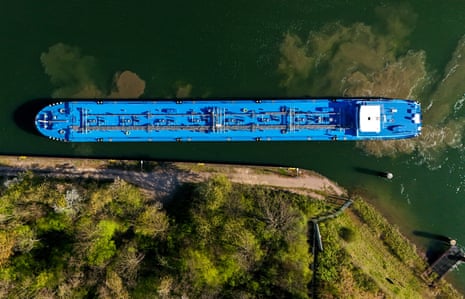
Shipping cost implications are substantial for sellers relying on Middle East routes or oil-dependent logistics. The ceasefire's temporary nature—Iran emphasized "this is not the end of the war"—creates uncertainty around three critical variables: (1) Strait passage restrictions and potential transit fees Iran claims it will regulate, (2) timeline for full reopening and unrestricted passage, and (3) whether compromise fee structures will eventually transition to free passage. Sellers using air freight, ocean shipping through the Suez Canal alternative routes, or 3PL providers dependent on fuel surcharges face 8-15% cost volatility. For a seller shipping 1,000 units monthly via ocean freight, this translates to $400-800 monthly cost swings. Asian manufacturers exporting to US/EU markets—particularly electronics, textiles, and machinery categories—face compressed margins during this 2-week negotiation window.
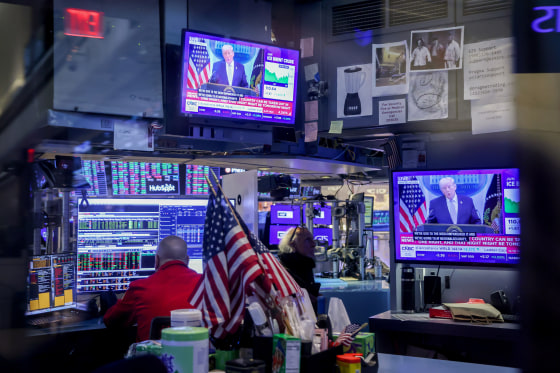
Strategic sourcing and inventory timing become critical competitive advantages. Sellers should immediately audit their supply chain: which products source through Middle East routes, which 3PL providers use Strait-dependent shipping, and which categories have inventory buffers. The global stock market surge (Dow +2.2%, S&P 500 +2.4%, Nasdaq +3%, Asian markets +2.8-6.9%) signals investor confidence in resolution, but Washington and Tehran remain "talking past each other" on implementation details. This ambiguity creates a 14-30 day window where sellers can lock in shipping rates before potential fee structures materialize. Sellers with 60-90 day inventory cycles should accelerate orders now at current oil-depressed rates; those with 30-day cycles should hedge by securing forward shipping contracts. The risk: if negotiations fail and blockade resumes, oil could spike to $120-150/barrel, increasing shipping costs 25-35% above current levels.
Questions 8
Should I accelerate inventory orders before the ceasefire negotiations conclude?
Yes, if your inventory cycle is 60-90 days. Current oil prices at $94.68 Brent are depressed relative to potential post-negotiation levels. Locking in orders now at current shipping rates protects against 25-35% cost increases if negotiations fail and the blockade resumes. However, sellers with 30-day cycles should hedge by securing forward shipping contracts rather than over-ordering. The risk: if the ceasefire holds and transit fees are implemented, you've locked in favorable rates. If negotiations collapse, you've protected margin. Jefferies economist Mohit Kumar suggests compromise fee structures may eventually transition to free passage, making current rates a strategic opportunity.
Which product categories are most affected by Middle East shipping disruptions?
Electronics, textiles, machinery, and consumer goods sourced from Asia and routed through the Strait face the highest impact. These categories represent 60-70% of cross-border e-commerce volume through Middle East routes. Sellers in high-volume categories (1,000+ units monthly) experience compressed margins of 5-8% during volatility periods. Conversely, sellers in lower-volume, higher-margin categories (jewelry, collectibles, specialty items) can absorb cost increases more easily. The 20% of global oil transiting through the Strait means fuel surcharges affect all shipping modes—air freight, ocean, and 3PL logistics.