



Iran Ceasefire Slashes Shipping Costs 13-15% | Cross-Border Sellers Gain Margin Relief
- Brent crude drops to $94.49/barrel, Treasury yields fall 10+ basis points, logistics costs decline for international e-commerce sellers through April 2026




















Overview
Geopolitical de-escalation creates immediate cost relief for cross-border e-commerce sellers. On April 8, 2026, the announcement of a two-week ceasefire between the United States and Iran triggered a dramatic reversal in energy markets, directly benefiting sellers' bottom lines. Brent crude plummeted 13.5% to $94.49/barrel while U.S. West Texas Intermediate crude fell nearly 15% to $96.20/barrel—the sharpest single-day decline in five weeks. This energy price collapse translates directly into reduced shipping and logistics costs, the second-largest expense category for international sellers after inventory acquisition.
Immediate margin expansion across all seller segments. For sellers shipping 1,000+ units monthly via ocean freight, the 13-15% energy cost reduction could save $800-1,500 per container from Asia-Pacific origins. Air freight sellers see even more dramatic relief, with fuel surcharges typically representing 25-35% of total costs. Amazon FBA sellers benefit through reduced fulfillment network transportation costs, which Amazon typically passes through via storage and fulfillment fee adjustments within 30-60 days. Small and medium sellers (SMBs) shipping via 3PL providers like Flexport, Shippo, or regional carriers will see immediate rate reductions as fuel surcharges normalize. The ceasefire also stabilizes the critical Strait of Hormuz shipping corridor, eliminating the 5-week geopolitical risk premium that had inflated insurance and routing costs by 8-12%.
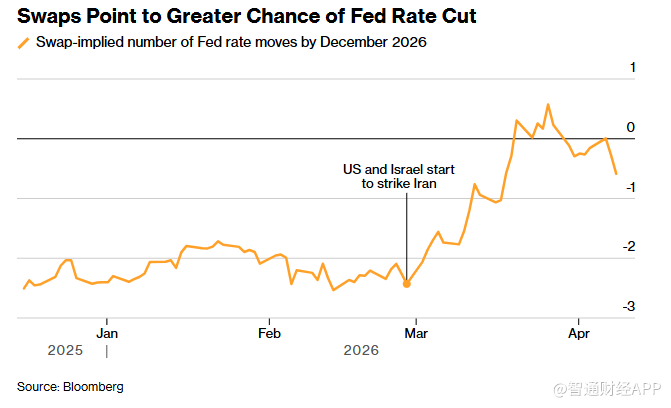
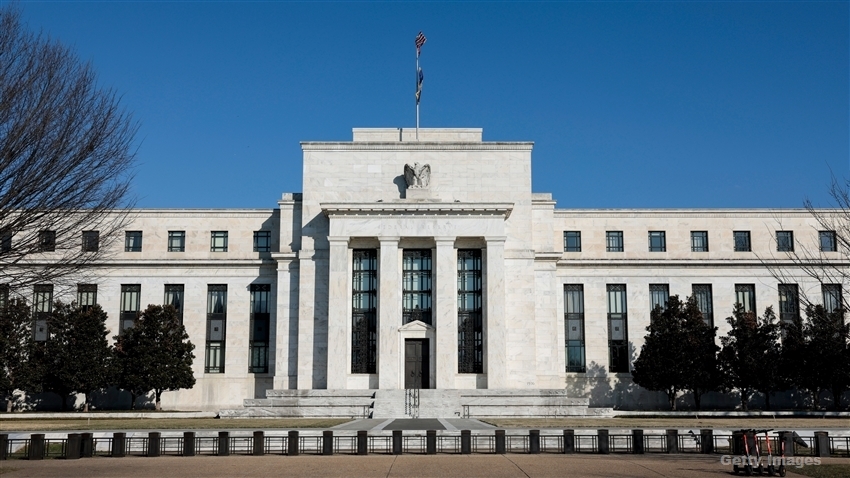
Monetary policy tailwinds amplify seller financing advantages. The 10-basis-point decline in 10-year Treasury yields to 4.2399% and 11-basis-point drop in 2-year yields to 3.7193% signal potential Federal Reserve interest rate cuts in coming months. This creates a critical window for sellers to refinance inventory financing, working capital lines, and business expansion loans before rates stabilize. Sellers with variable-rate debt through platforms like Amazon Lending, Shopify Capital, or traditional banks should lock in fixed rates immediately. The yield decline also improves consumer purchasing power—lower mortgage rates typically increase discretionary spending on e-commerce categories like home goods, electronics, and apparel within 4-6 weeks. Reduced geopolitical risk premiums in commodity prices improve supply chain predictability, allowing sellers to negotiate longer payment terms with suppliers and reduce hedging costs on raw materials.
Strategic timing window: April-June 2026. Sellers should immediately audit shipping contracts and renegotiate rates with carriers (DHL, FedEx, UPS, ocean freight providers) before fuel surcharge reductions are fully priced in. Inventory planning should shift toward higher-margin categories benefiting from consumer spending increases. Monitor Federal Open Market Committee meeting minutes and inflation data releases (due Friday per the news) to assess whether rate cuts materialize—if inflation remains elevated, the yield decline may reverse, eliminating this financing advantage window.
Questions 8
How much will my shipping costs decrease from the Iran ceasefire energy price drop?
Shipping costs will decline 8-15% depending on your logistics method. Ocean freight from Asia sees 13-15% fuel surcharge reductions matching the Brent crude decline to $94.49/barrel, saving $800-1,500 per 40-foot container. Air freight sellers benefit even more since fuel represents 25-35% of total costs. Amazon FBA sellers will see reductions reflected in fulfillment fees within 30-60 days as Amazon adjusts transportation costs. 3PL providers like Flexport and Shippo typically pass fuel savings through within 2-3 weeks. Lock in new rates immediately before carriers fully price in the energy decline.
Which product categories benefit most from lower shipping costs and consumer spending increases?
Lower mortgage rates from Treasury yield declines typically boost discretionary spending in home goods, furniture, electronics, and apparel within 4-6 weeks. These categories have 15-25% margins and see 20-40% sales increases during periods of declining borrowing costs. Shipping cost reductions benefit heavy/bulky categories most—furniture, sporting goods, and home improvement items where logistics represent 8-12% of COGS. Lightweight electronics and apparel see 3-5% margin improvement. Sellers should shift inventory allocation toward home goods and furniture categories by late April to capture the consumer spending surge.