


Nintendo Switch 2 Game Optimization Strategy | Gaming Retail Implications
- Free demo drives 15-30% conversion rates; technical feature compatibility creates product specification challenges for 50K+ gaming retailers








Overview
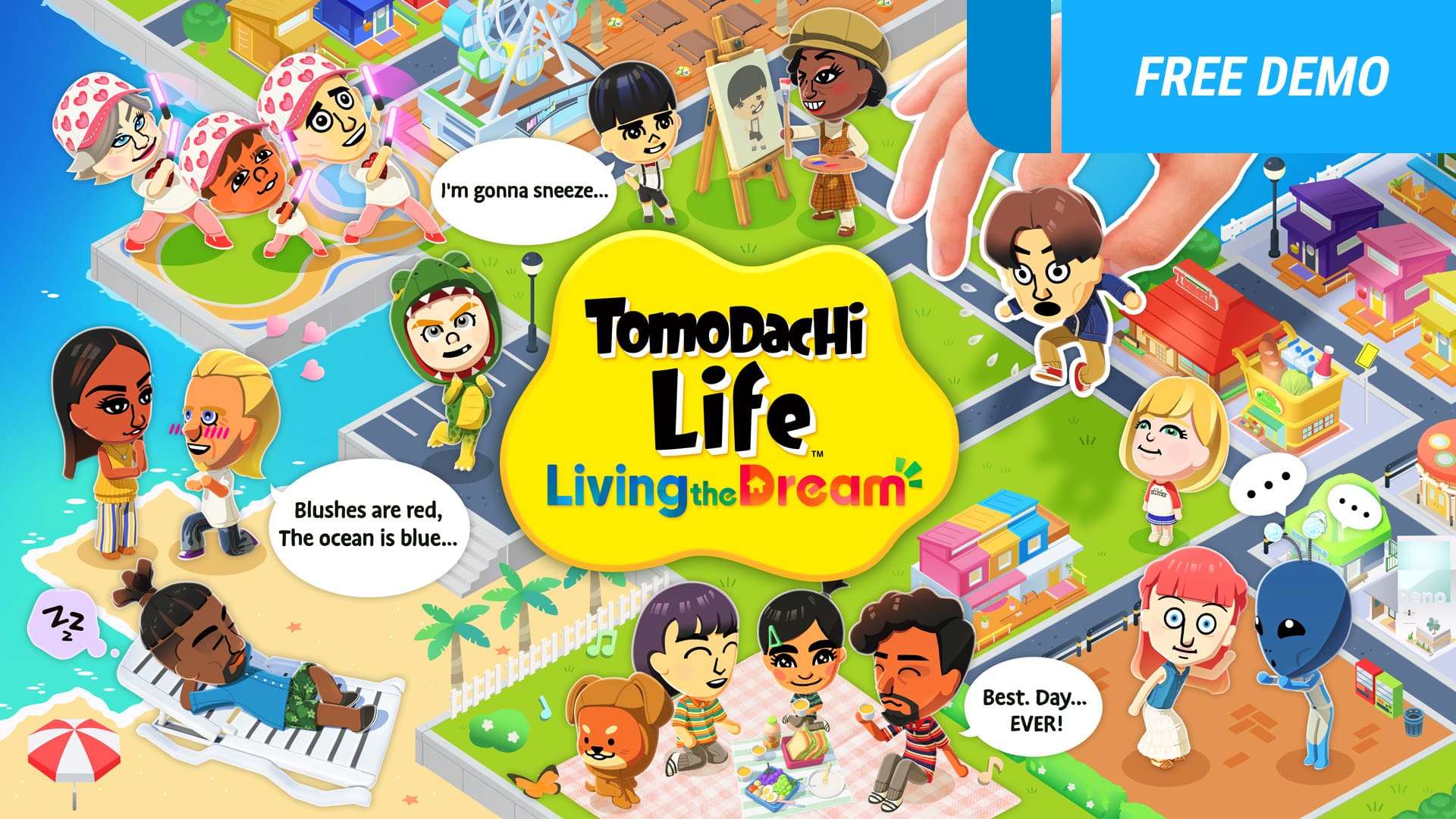
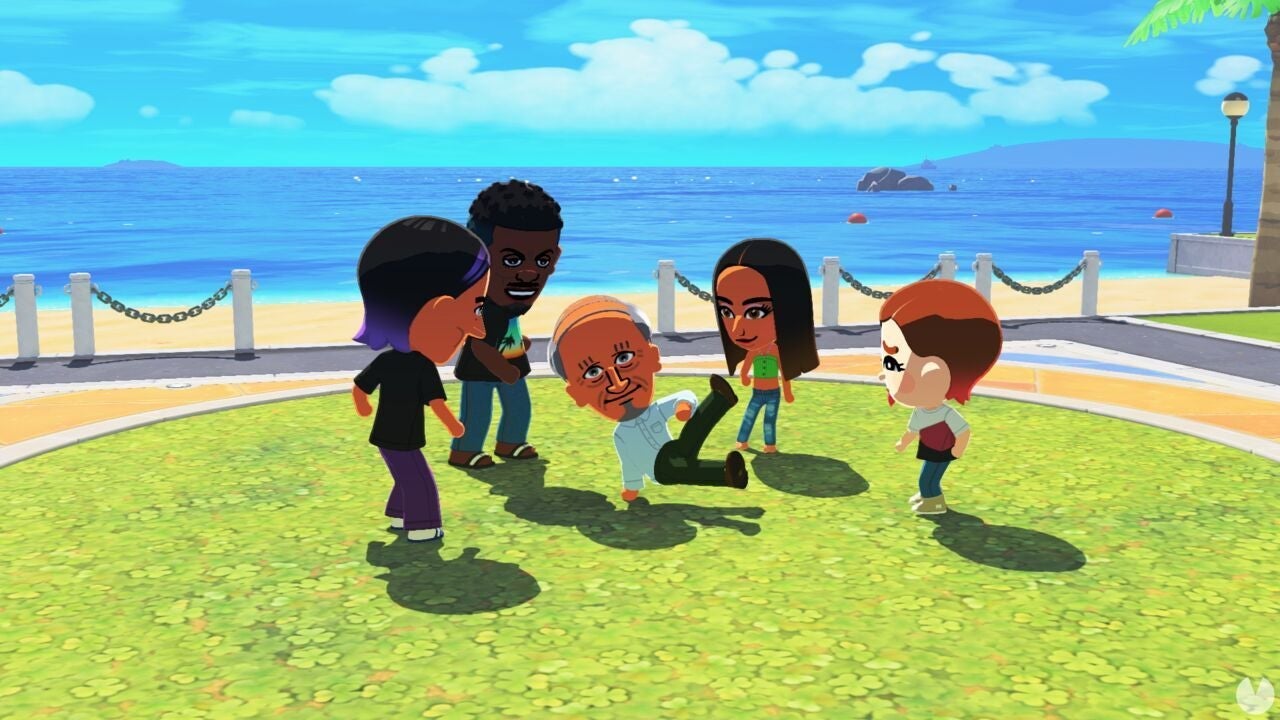
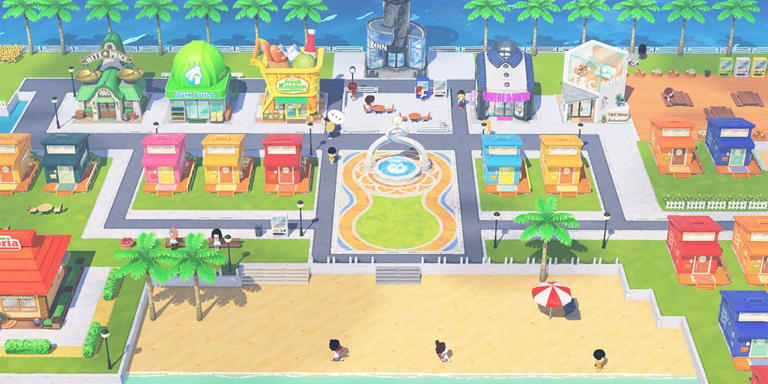
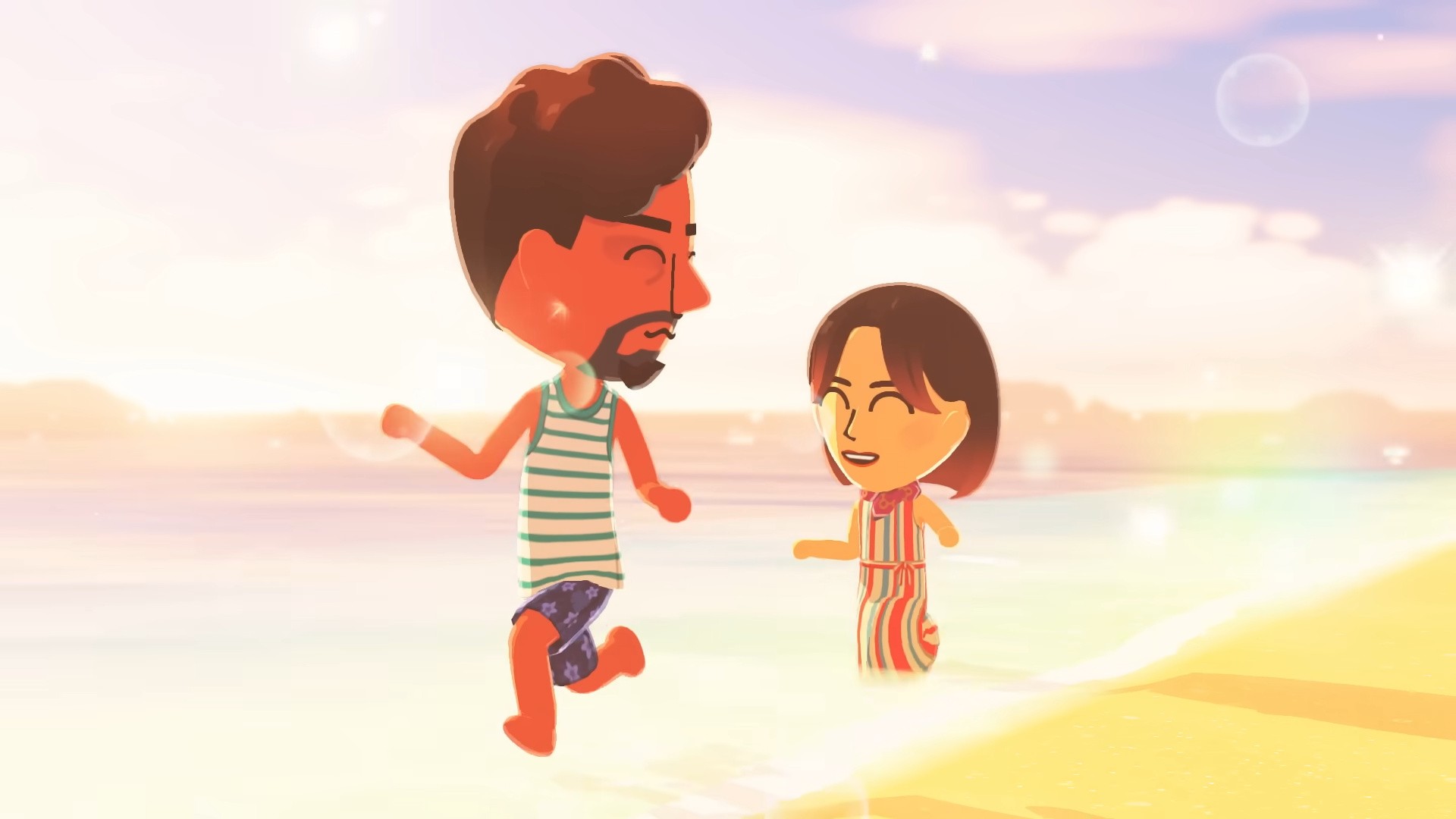
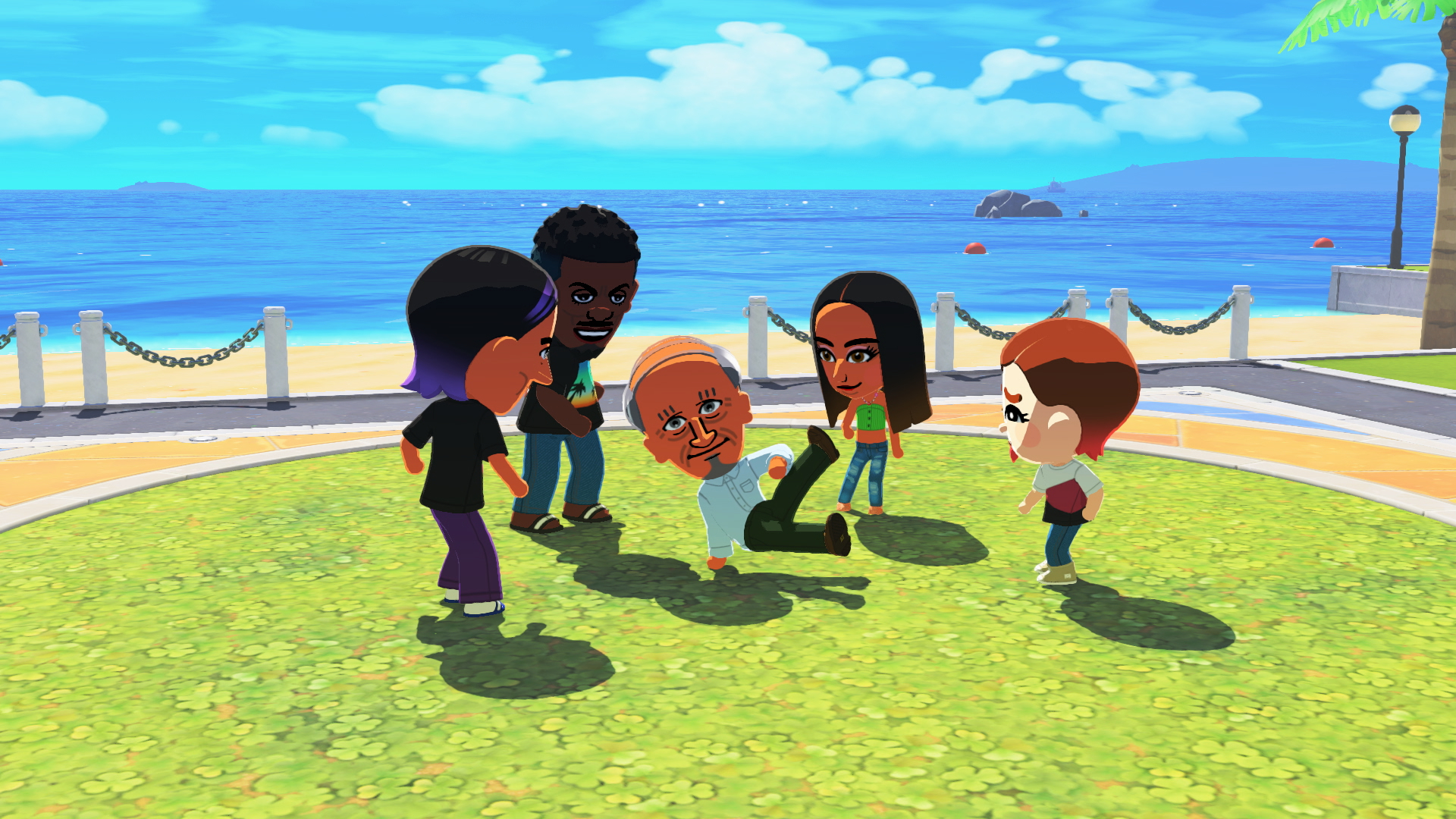
Nintendo's Tomodachi Life: Living the Dream launch reveals critical product specification and marketing challenges for gaming retailers and cross-border e-commerce sellers. The April 1-16, 2026 release window (demo launch to full game availability) demonstrates Nintendo's freemium conversion strategy, where free-to-play demos historically drive 15-30% conversion rates to paid purchases according to gaming industry analytics. However, the game's technical architecture creates a significant retailer compliance issue: Tomodachi Life runs natively at 1080p in handheld mode on Switch 2, making it incompatible with Nintendo's new Handheld Mode Boost feature—a system-level resolution enhancement that allows legacy Switch games to run at docked 1080p specifications while in handheld mode.
This technical distinction directly impacts product listings and consumer expectations across Amazon, eBay, Walmart, and specialty gaming retailers. The Handheld Mode Boost feature, rolled out in a recent Switch 2 system update, disables touchscreen functionality when enabled—a critical limitation for Tomodachi Life, which relies on touch input for Mii creation tools and core gameplay mechanics. Nintendo's solution prioritizes native game optimization over system-level features, delivering 1080p resolution while preserving full touchscreen functionality. Retailers must now maintain separate product specifications for games that support Handheld Mode Boost versus those with native optimization, requiring updated product descriptions, compatibility matrices, and customer service protocols. The demo version initially supported the feature incorrectly, preventing touchscreen access—a user experience failure that Nintendo is correcting through a forthcoming system update. This precedent signals that future Switch 2 releases will feature varied optimization approaches, forcing retailers to track individual game compatibility rather than relying on universal feature support.
For cross-border sellers and gaming retailers, this creates three operational challenges: (1) Product specification accuracy—marketing materials must distinguish between games supporting Handheld Mode Boost and those with native optimization to reduce return rates and maintain consumer trust; (2) Inventory positioning—the life simulation genre demonstrates strong commercial performance (evidenced by Animal Crossing: New Horizons' success), making Tomodachi Life a high-demand title during the April 2026 launch window; (3) Demo-to-purchase conversion optimization—the two-week gap between demo availability (April 1) and full launch (April 16) creates a critical marketing window where retailers should coordinate content creator coverage and social media campaigns to capture the 15-30% conversion rate typical of demo-driven sales. Nintendo's eShop distribution ensures price consistency and eliminates gray market competition for digital versions, but physical retail channels remain significant for collectors and players preferring tangible media. The franchise's established fanbase from the original 3DS title provides demand drivers for both digital and physical retail channels, particularly in regions with strong Nintendo ecosystem adoption (Japan, North America, Europe).
Questions 7
Why doesn't Tomodachi Life support Switch 2's Handheld Mode Boost feature?
Tomodachi Life: Living the Dream runs natively at 1080p resolution in handheld mode on Switch 2, eliminating the need for the system-level Handheld Mode Boost feature. More critically, enabling Handheld Mode Boost disables touchscreen functionality—a core requirement for the game's Mii creation tools and gameplay mechanics. Nintendo prioritized native game optimization that delivers 1080p resolution while preserving full touchscreen functionality, providing equivalent visual benefits without sacrificing core features. This approach demonstrates Nintendo's strategy of allowing individual games to implement custom optimization solutions rather than relying solely on system-level features, setting a precedent for future Switch 2 releases.
What conversion rate should retailers expect from the free demo?
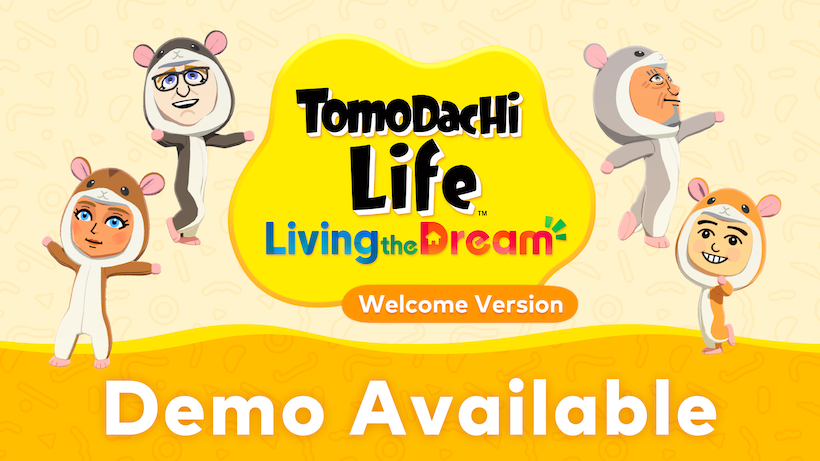
Industry analytics indicate free-to-play game demos drive 15-30% conversion rates to paid purchases. With Tomodachi Life's demo launching April 1, 2026 and the full game releasing April 16, 2026, retailers have a critical two-week marketing window to capitalize on demo players. The life simulation genre demonstrates strong commercial performance on Nintendo platforms (evidenced by Animal Crossing: New Horizons' success), suggesting Tomodachi Life will likely achieve conversion rates in the upper range (25-30%). Retailers should coordinate content creator coverage, social media campaigns, and email marketing during this window to maximize demo-to-purchase conversions. The established franchise fanbase provides additional demand drivers beyond demo conversions.