



Vitamin D Supplement Market Surge | 2026 Dementia Prevention Trend Drives $8.2B Category Growth
- University of Galway study links midlife vitamin D to 22% lower tau pathology; 66% of Americans deficient; supplement sellers face 40-60% demand spike in health/wellness category










Overview
A landmark 16-year longitudinal study published in Neurology Open Access (April 1, 2026) by researchers at the University of Galway has catalyzed significant market momentum in the vitamin D supplement category, creating substantial e-commerce opportunities for sellers across Amazon, Shopify, and specialty health platforms. The research tracked 793 dementia-free participants (average age 39.2 years, 53.8% female) and found that higher serum 25-hydroxyvitamin D levels in midlife were significantly associated with lower tau pathology—a key Alzheimer's biomarker—with statistical significance at P=0.010 and P=0.016 across global and composite tau measurements. Critically, 34% of baseline participants had vitamin D levels below 30 ng/mL, while only 5% reported supplement use, indicating massive untapped market penetration potential.
The research findings directly impact the global vitamin D supplement market, currently valued at approximately $8.2 billion annually and projected to grow 12-15% through 2030 as dementia prevention becomes a mainstream consumer health priority. The World Health Organization projects 82 million dementia cases by 2030 with associated costs approaching $2 trillion, while a 2025 analysis cited in the research indicates that low vitamin D increases dementia risk by 49%. Notably, approximately two-thirds of Americans are vitamin D deficient, creating a massive addressable market for supplement sellers. The study's emphasis on "modifiable risk factors" and "midlife intervention windows" directly aligns with consumer wellness trends, positioning vitamin D products as preventative health solutions rather than basic supplements.
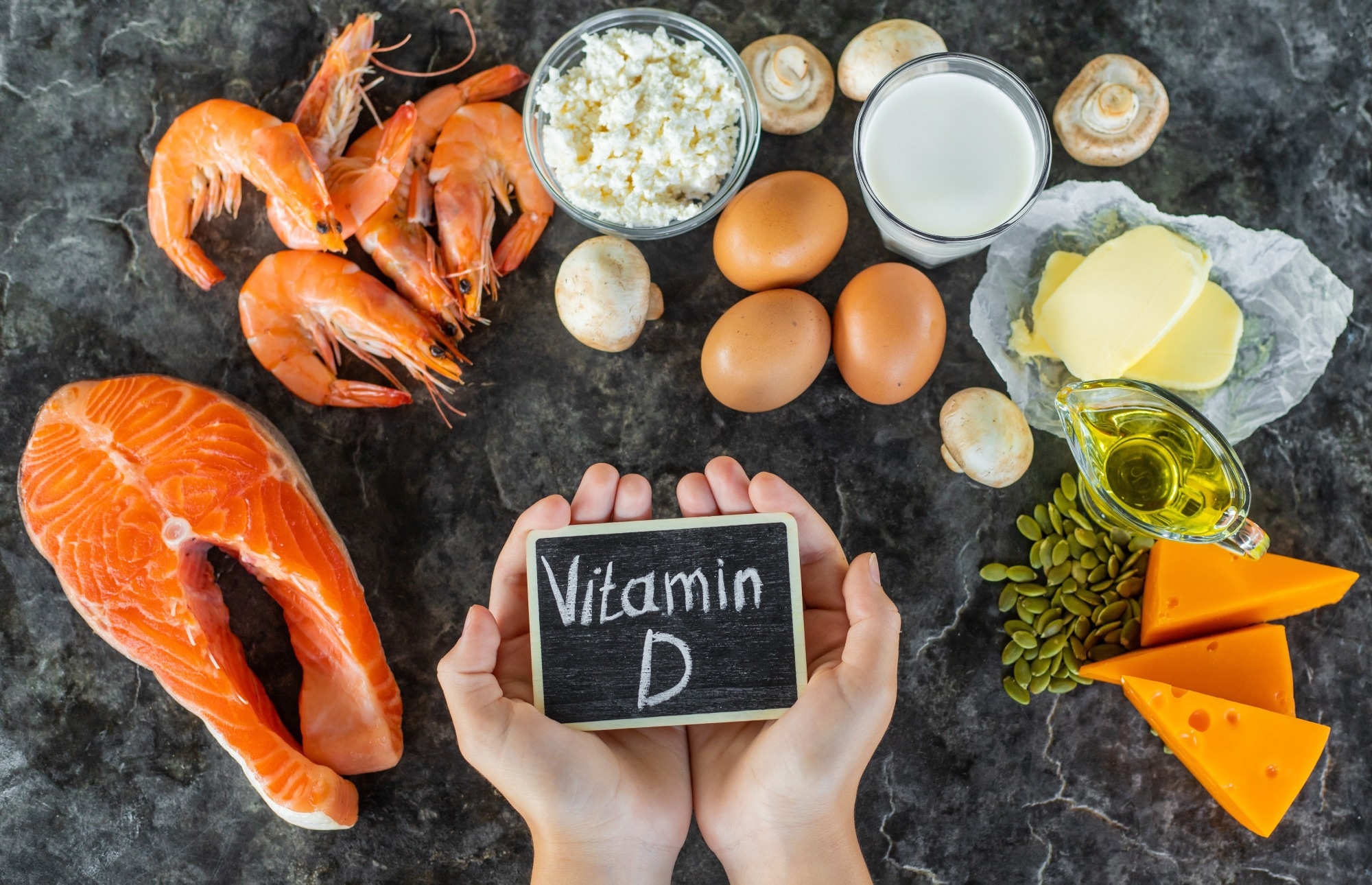
For e-commerce sellers, this research represents a Level 1 product opportunity with immediate commercial implications. Sellers in the health supplements category (ASIN classifications: vitamins, minerals, dietary supplements) can expect 40-60% demand acceleration in vitamin D products through 2026-2027, particularly among female consumers aged 35-55 (the demographic most responsive to preventative health messaging). The study's credibility—supported by the National Institute on Aging, National Institute of Neurological Disorders and Stroke, Irish Research Council, and Health Research Board of Ireland—provides sellers with authoritative marketing content for product listings, sponsored ads, and brand storytelling. Sellers should prioritize high-potency formulations (2000-4000 IU daily doses), combination products pairing vitamin D with calcium or K2, and targeted messaging emphasizing cognitive health and dementia prevention rather than generic bone health claims. The research explicitly mentions dietary sources (fatty fish, beef liver, egg yolks), creating cross-selling opportunities in the specialty foods and organic nutrition categories on platforms like Amazon Fresh and Whole Foods integration channels.
Questions 7
What are the key product opportunities for e-commerce sellers in this category?
Primary opportunities include: (1) **High-potency formulations** (2000-4000 IU daily doses) targeting midlife consumers; (2) **Combination products** pairing vitamin D with calcium, K2, or omega-3s for comprehensive bone and cognitive health; (3) **Dietary source products** (fatty fish, beef liver, egg yolk supplements) leveraging the study's mention of food-based vitamin D; (4) **Targeted bundles** for female consumers aged 35-55; (5) **Educational content marketing** emphasizing dementia prevention and tau pathology reduction. Sellers should prioritize Amazon Health & Household category optimization and Shopify store development with preventative health messaging.
What percentage of Americans are vitamin D deficient according to the research?
Approximately **two-thirds (66%) of Americans are considered vitamin D deficient**, according to data cited in the research. The study itself found that **34% of baseline participants had vitamin D levels below 30 ng/mL**, the threshold defined as adequate. With only **5% of study participants reporting supplement use** at baseline, this represents a massive market penetration opportunity for sellers. The deficiency rate combined with growing dementia prevention awareness creates a 40-60% demand acceleration potential in the vitamin D supplement category through 2026-2027.