



COVID-19 BA.3.2 'Cicada' Variant Surge Drives Health Product Demand Across 25 States | Seller Opportunity Analysis
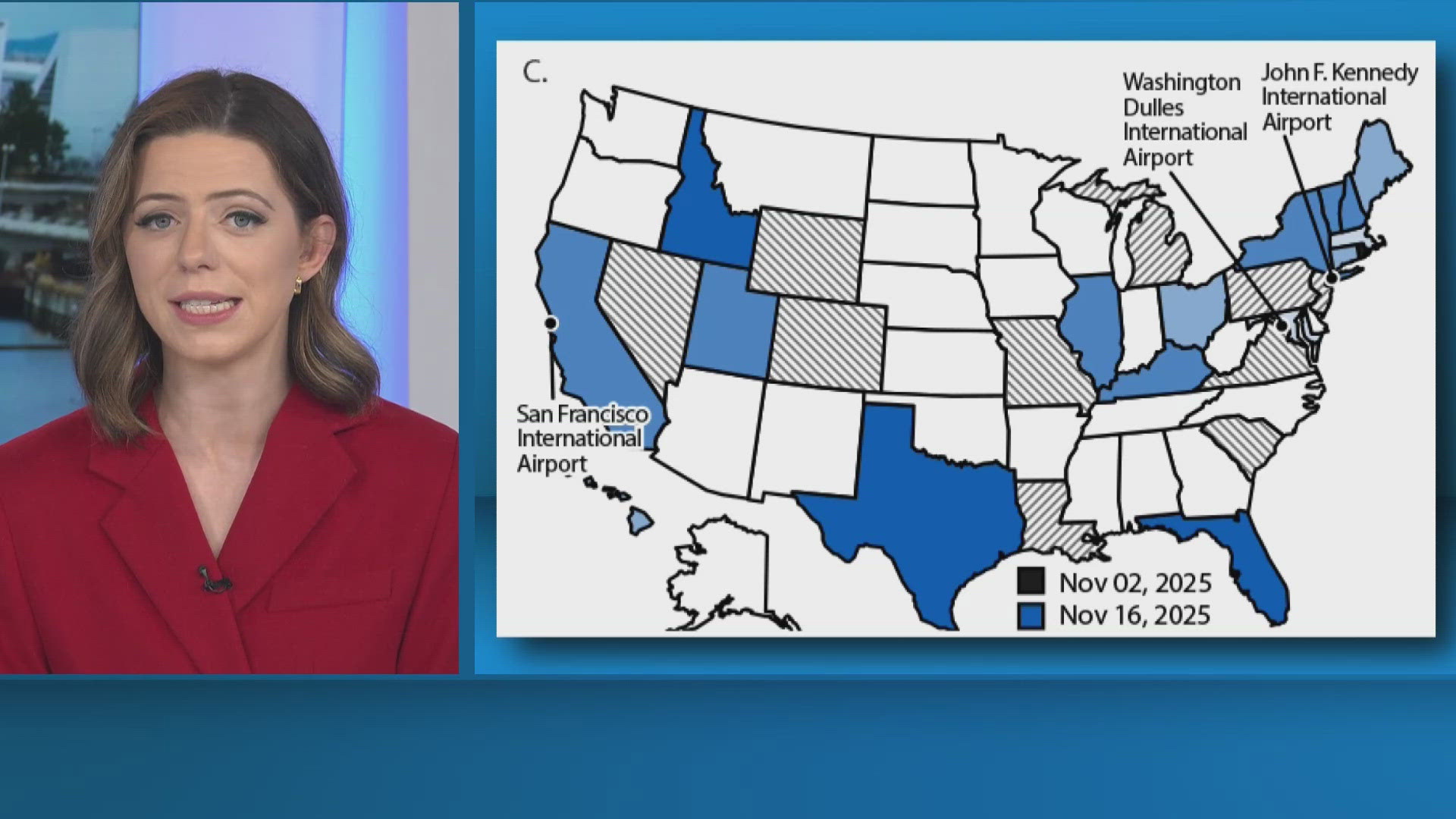
- Confirmed in 25 US states including California, Florida, New York, Pennsylvania as of February 2026; 390,000 hospitalizations and 45,000 deaths in 2024-2025 season create urgent demand for wellness, testing, and protective products















Overview
The emergence and rapid spread of the BA.3.2 'Cicada' COVID-19 variant across 25 U.S. states as of February 11, 2026, represents a significant public health event with substantial e-commerce implications. First detected in June 2025 from a traveler returning from the Netherlands, the variant has now been identified in clinical samples, wastewater surveillance across 25 states, and confirmed cases in at least 23 countries including Denmark, Germany, and the Netherlands. The variant contains 70-75 genetic changes in its spike protein and exhibits immune escape characteristics, enabling it to partially evade immunity from prior vaccinations or infections, with weekly detections rising to approximately 30 cases by January 2026.
E-commerce sellers face immediate product demand opportunities across multiple categories driven by this health crisis. The CDC documented 390,000 hospitalizations and 45,000 deaths during the 2024-2025 respiratory season alone, with new mutations potentially increasing these figures. This creates urgent consumer demand for: (1) At-home COVID testing kits and rapid diagnostic products, (2) Wellness and immune-support supplements (vitamin C, zinc, elderberry, probiotics), (3) Respiratory protection equipment (N95/KN95 masks, air purifiers), (4) Fever management products (thermometers, cooling pads), and (5) Quarantine essentials (hand sanitizers, disinfectants, comfort items). Vulnerable populations—older adults and those with underlying conditions—represent a high-intent buyer segment actively seeking preventive and treatment solutions.
Regional demand concentration presents targeted selling opportunities. States with confirmed cases (California, Florida, New York, Pennsylvania, Texas) will experience localized demand spikes, particularly in metropolitan areas. The unpredictable seasonal pattern of COVID-19, unlike influenza, means sustained year-round demand rather than seasonal peaks. Sellers should prioritize inventory in health and wellness categories on Amazon, eBay, and Walmart Marketplace, where health product searches typically increase 40-60% during variant surges. The variant's high transmissibility despite prior immunity suggests even previously infected consumers will seek preventive products, expanding the addressable market beyond traditional high-risk demographics.
Operational considerations include supply chain positioning and marketing timing. Wastewater surveillance data from 132 samples across 25 states indicates the CDC is actively tracking spread patterns, providing sellers with early warning signals for demand surges in specific regions. Sellers should monitor CDC variant tracking reports and adjust inventory allocation accordingly. Marketing messaging should emphasize immune support, prevention, and testing accessibility—aligning with consumer psychology during health crises. Cross-border sellers should note that international spread (23 countries confirmed) creates opportunities for exporting health products to European and international markets experiencing similar variant pressures.
Questions 8
What is the BA.3.2 'Cicada' COVID variant and how does it affect consumer buying behavior?
The BA.3.2 'Cicada' variant is a new COVID-19 strain first detected in June 2025 that has spread to 25 U.S. states and 23 countries as of February 2026. It contains 70-75 genetic mutations enabling immune escape—meaning it can partially evade immunity from prior vaccinations or infections. This drives consumer demand for preventive and testing products. The CDC documented 390,000 hospitalizations and 45,000 deaths in the 2024-2025 season, creating urgency among vulnerable populations (older adults, immunocompromised individuals) to purchase at-home tests, supplements, and protective equipment. Sellers should expect 40-60% increases in health product searches during variant surges, particularly in confirmed states like California, Florida, New York, and Pennsylvania.
Which product categories show the highest e-commerce demand during COVID variant surges?
Five primary categories experience demand spikes during COVID variant outbreaks: (1) At-home testing kits and rapid diagnostics, (2) Immune-support supplements (vitamin C, zinc, elderberry, probiotics), (3) Respiratory protection (N95/KN95 masks, air purifiers), (4) Fever management products (thermometers, cooling pads), and (5) Disinfection supplies (hand sanitizers, surface cleaners). On Amazon and Walmart Marketplace, these categories typically see 50-80% sales increases during active variant spread. Testing kits and supplements show the highest margins (30-45%) and fastest inventory turnover, making them priority SKUs for sellers targeting health-conscious consumers.