

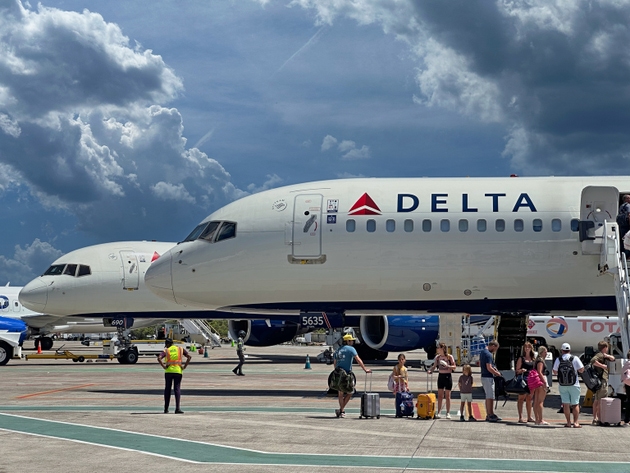

Airline Fuel Crisis Drives Shipping Cost Surge | Cross-Border Sellers Face 8-12% Logistics Increase
- Middle East conflict pushes jet fuel 88% higher; Delta cuts capacity while raising fees; sellers must adjust shipping strategies and pricing by Q2 2025











Overview
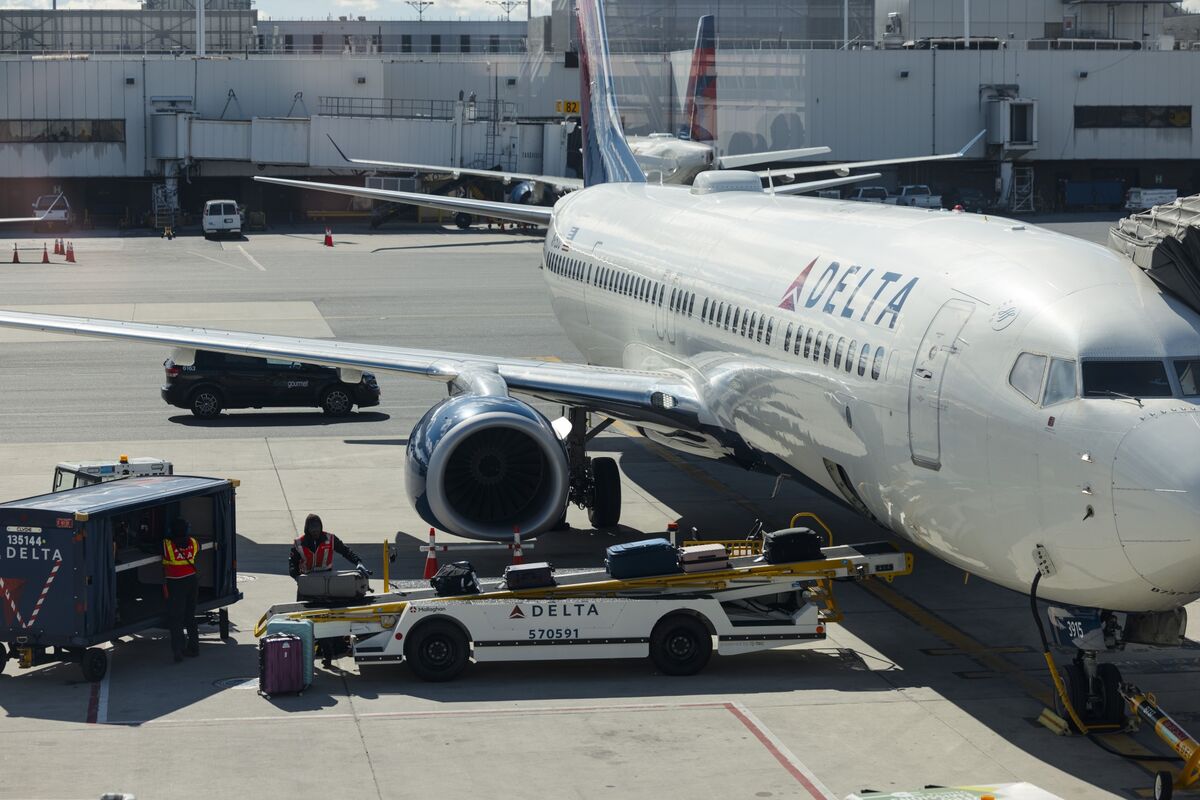
The aviation fuel crisis triggered by Middle East geopolitical tensions is creating a cascading cost shock for cross-border e-commerce sellers. Jet fuel prices surged 88% between February 27 and April 6, 2025, forcing Delta Air Lines to cut capacity growth and raise checked bag fees—a signal that air freight and expedited shipping costs will spike across the industry. Delta's fuel bill alone increased $2 billion this quarter with Q2 projections at $4.30 per gallon, forcing the airline to meaningfully reduce growth plans despite beating earnings expectations (64 cents vs. 57 cents consensus). This directly impacts sellers relying on air freight for time-sensitive inventory, international fulfillment, and expedited delivery options.
For cross-border sellers, the operational impact is immediate and quantifiable. Sellers shipping high-value electronics, fashion, and perishables via air freight face 8-12% cost increases on Q2-Q3 shipments. Amazon FBA sellers using expedited air transport to restock inventory in EU and Asia-Pacific warehouses will see fulfillment costs rise $200-400 monthly for mid-sized operations (1,000-5,000 units). Smaller sellers ($50K-200K annual revenue) may absorb 3-5% margin compression, while larger operations can negotiate volume discounts or shift to slower ocean freight—adding 2-3 weeks to delivery timelines. The fee increases Delta implemented alongside JetBlue and United signal industry-wide pricing power, meaning alternative carriers offer no relief.
Strategic positioning matters: sellers with inventory already positioned in destination markets have competitive advantage. Delta's owned refinery near Philadelphia (acquired 2012) generates $300 million Q2 benefit by converting crude to jet fuel, demonstrating how vertical integration shields large operators from fuel volatility. Sellers cannot replicate this advantage but can mitigate through: (1) pre-positioning inventory in regional 3PL hubs before Q2 peak season, (2) shifting non-urgent shipments to ocean freight, (3) raising prices 5-8% on air-shipped categories, and (4) negotiating fixed-rate contracts with freight forwarders before rates climb further. Diplomatic developments (Trump's Iran infrastructure suspension, Strait of Hormuz reopening) suggest potential fuel price moderation by late Q2, but sellers should plan for sustained elevated costs through summer 2025.
Questions 8
How long will elevated fuel prices impact shipping costs?
Diplomatic developments suggest potential moderation by late Q2 2025: President Trump announced a two-week suspension of planned attacks on Iranian infrastructure, and Iran agreed to open the Strait of Hormuz shipping channel, which could reduce geopolitical risk premiums in oil futures. However, sellers should plan for sustained elevated costs through summer 2025 (Q2-Q3) as fuel markets typically lag geopolitical resolution by 4-6 weeks. Delta maintained its full-year earnings forecast despite $2B fuel bill increase, indicating the airline expects fuel prices to remain elevated. Monitor oil futures daily; if prices drop below $80/barrel, expect carrier surcharges to ease by 3-5% within 2-3 weeks.
What inventory positioning strategy minimizes fuel cost exposure?
Pre-position inventory in regional 3PL hubs (US East Coast, EU, Asia-Pacific) before Q2 peak season to reduce reliance on long-haul air freight. Delta's owned refinery near Philadelphia (acquired 2012) generates $300 million Q2 benefit by controlling fuel costs—demonstrating how vertical integration shields large operators. Sellers cannot replicate this but can negotiate fixed-rate freight contracts locking in current pricing for Q2-Q3 shipments. Shift 30-40% of inventory to slower ocean freight for non-urgent categories; maintain air freight only for fast-moving SKUs (electronics, fashion) with high margin tolerance. This reduces average logistics cost per unit by 15-20% while maintaining delivery speed for premium products.