



The Great GTA 6 Anticipation Rollercoaster Reveals Gaming's Psychological Pressure Cooker
- Unprecedented fan anxiety signals massive cultural stakes for Rockstar's most anticipated game release





Overview
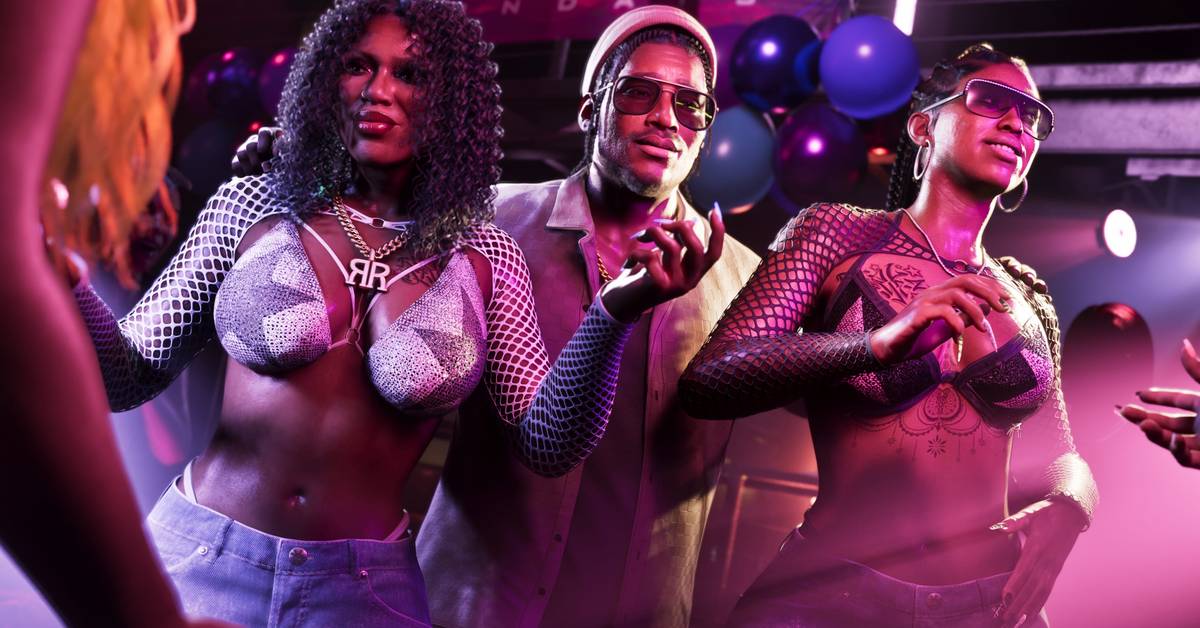
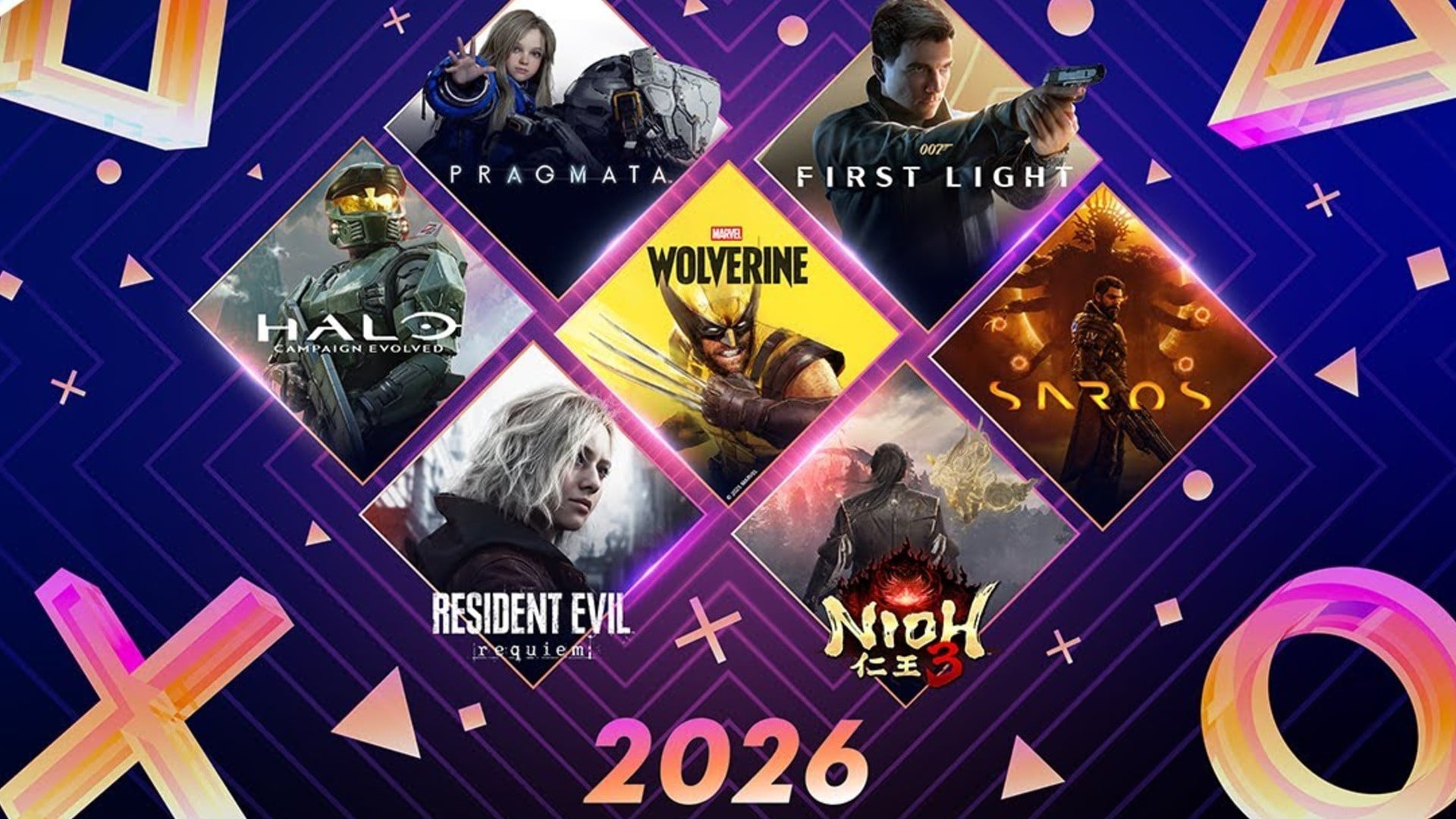
The Grand Theft Auto 6 saga is emerging as a fascinating case study in modern gaming psychology, where fan anticipation has transformed from excitement into a high-stakes emotional investment. With the game's scheduled November 19, 2026 release date hanging in delicate balance, the recent PlayStation 5 trailer's conspicuous GTA 6 omission has triggered a seismic wave of speculation and anxiety within the global gaming community.
Unprecedented Fan Sensitivity characterizes this moment. The gaming ecosystem has become so interconnected that even the slightest perceived signal—in this case, a missing trailer—can spark widespread existential questioning. Reddit discussions reveal a community hypervigilant about potential delays, demonstrating how GTA 6 has transcended mere video game status to become a cultural phenomenon. The game's absence from the PlayStation 5 trailer doesn't necessarily indicate a scheduling problem, but it perfectly illustrates the intense psychological pressure surrounding its release.
Strategic Communication Dynamics are equally fascinating. Rockstar's independent approach to game reveals means that Sony's trailer lineup shouldn't be interpreted as a definitive development signal. However, the fact that fans are parsing every possible communication nuance reveals the extraordinary expectations surrounding this release. The gaming community's reaction suggests GTA 6 represents more than a game—it's a generational cultural event with massive psychological and economic implications.
The underlying narrative is clear: fans are not just waiting for a game, but projecting massive hopes, expectations, and personal narratives onto GTA 6. Each potential delay or communication gap becomes a moment of collective anxiety, reflecting broader trends of heightened anticipation in digital entertainment. This phenomenon goes beyond traditional product launches, representing a new paradigm where fan communities co-create meaning around major cultural releases.
Questions 3
Why are fans so anxious about GTA 6's release timeline?
The extraordinary anticipation stems from GTA 6 being more than just a game—it represents a generational cultural event. Previous delays and the massive cultural significance of the Grand Theft Auto franchise have created an environment of heightened psychological investment among fans.
Does the PlayStation 5 trailer's omission definitely mean a delay?
No, the trailer's absence doesn't necessarily indicate a scheduling problem. Rockstar typically handles its own game reveals independently, so Sony's trailer lineup shouldn't be interpreted as a definitive development signal.