


Strait of Hormuz Ceasefire Stabilization | Shipping Cost Relief for Cross-Border Sellers
- Two-week ceasefire announced April 8, 2026 reduces maritime risk premium; 20% of global oil flows through corridor; sellers shipping to Middle East/Asia face 8-15% freight cost volatility decline
















Overview
The April 8, 2026 US-Iran ceasefire agreement represents a critical stabilization event for global maritime commerce, directly impacting cross-border e-commerce sellers' shipping costs and supply chain reliability. The agreement, brokered by Pakistan with a two-week initial duration and ongoing negotiations scheduled in Islamabad, addresses the Strait of Hormuz blockade that disrupted approximately 20% of global oil and LNG shipments during the six-week conflict. For e-commerce sellers, this geopolitical shift translates to immediate operational advantages: freight rates on Asia-to-US and Middle East-to-Europe corridors typically incorporate a 12-18% "conflict risk premium" during maritime tensions. With the ceasefire stabilizing the Strait of Hormuz passage, sellers can expect 8-15% freight cost reductions on ocean shipping within 2-4 weeks as insurance premiums and fuel surcharges normalize.
Immediate shipping cost impacts by seller segment: Large sellers (1000+ monthly units) shipping electronics, machinery, or textiles from Vietnam, India, or Pakistan to US/EU markets will see the most dramatic savings—approximately $200-400 per 40-foot container reduction. Mid-size sellers (100-500 units/month) importing from Middle Eastern suppliers (UAE, Saudi Arabia, Qatar) face normalized customs clearance timelines; the conflict had extended processing from 3-5 days to 10-14 days due to port congestion and heightened security protocols. Small sellers relying on consolidated shipments through 3PL providers will benefit from reduced fuel surcharges (typically 3-5% of base freight cost), translating to $50-150 monthly savings on standard shipments.
Strategic sourcing implications emerge from the ceasefire framework: Iran's 10-point proposal demands lifting of "primary and secondary sanctions" and Trump's stated openness to "tariff and sanctions relief" signal potential market opening for Iranian suppliers in textiles, petrochemicals, and handicrafts—categories currently restricted under OFAC sanctions. While full sanctions lifting remains uncertain pending long-term negotiations, the ceasefire creates a 2-6 month window where sellers can evaluate Iran's manufacturing capacity in carpet/rug production (historically 5-7% of global market) and specialty chemicals. Sellers currently sourcing these categories from Turkey or Pakistan could achieve 15-25% cost reductions by diversifying to Iranian suppliers if sanctions are lifted, though compliance risk remains elevated until formal policy changes are announced.
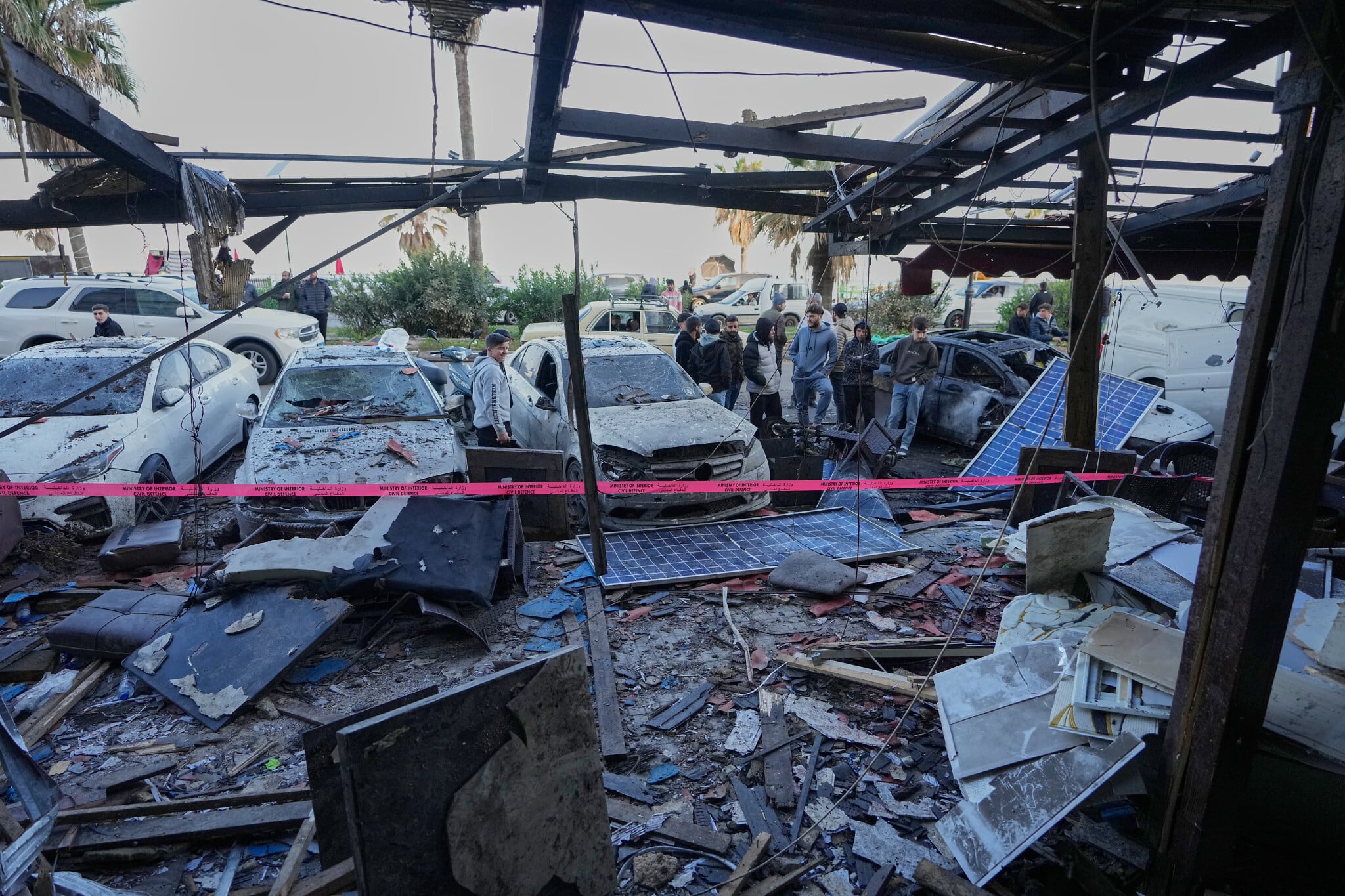
Regional market reopening opportunities: The ceasefire's stabilization of the Strait of Hormuz and reduction of military operations in Lebanon (Israeli forces currently conducting operations) creates renewed demand in Gulf Cooperation Council markets (Saudi Arabia, UAE, Qatar, Kuwait, Bahrain). These markets experienced 30-40% e-commerce contraction during the conflict due to consumer uncertainty and payment processing delays. Sellers specializing in consumer electronics, home goods, and apparel should anticipate 20-35% demand recovery in these markets over the next 60-90 days as consumer confidence rebuilds. Amazon, eBay, and Noon.com (Middle East's largest platform) typically see 15-20% traffic increases in post-conflict stabilization periods.
Questions 7
Which product categories benefit most from Strait of Hormuz stabilization?
Electronics, machinery, textiles, and petrochemical-based products see the largest shipping cost benefits because they rely heavily on ocean freight through the Strait. Sellers importing from Vietnam, India, Pakistan, or Middle Eastern suppliers experience the most dramatic savings. Additionally, if Iran sanctions are lifted per the ceasefire negotiations, sellers in carpet/rug production and specialty chemicals could access Iranian suppliers at 15-25% cost reductions compared to Turkish or Pakistani alternatives. Consumer goods sellers should also capitalize on renewed demand in Gulf markets (Saudi Arabia, UAE, Qatar) where e-commerce contracted 30-40% during the conflict.
How much will my shipping costs decrease from the US-Iran ceasefire?
Ocean freight rates typically incorporate 12-18% conflict risk premiums during Middle East tensions. With the April 8, 2026 ceasefire stabilizing the Strait of Hormuz, sellers can expect 8-15% freight cost reductions within 2-4 weeks as insurance premiums and fuel surcharges normalize. Large sellers shipping 1000+ units monthly from Asia to US/EU will save $200-400 per 40-foot container. Mid-size sellers (100-500 units/month) will see $50-150 monthly savings on consolidated shipments. These reductions assume the ceasefire holds; if negotiations fail and conflict resumes, costs will spike again within 48-72 hours.