



Bitcoin Founder Identity Dispute Signals Crypto Market Stability | Seller Implications for Digital Asset Commerce
- New York Times investigation claims Adam Back is Satoshi Nakamoto; Back denies; Bitcoin price rises 4.4% to $71,732.79; $71-73B wealth question unresolved; SEC disclosure implications emerge







/tpg/sources/d37cc3b5-67a9-47da-952d-f1230936f1c9.jpeg)











Overview
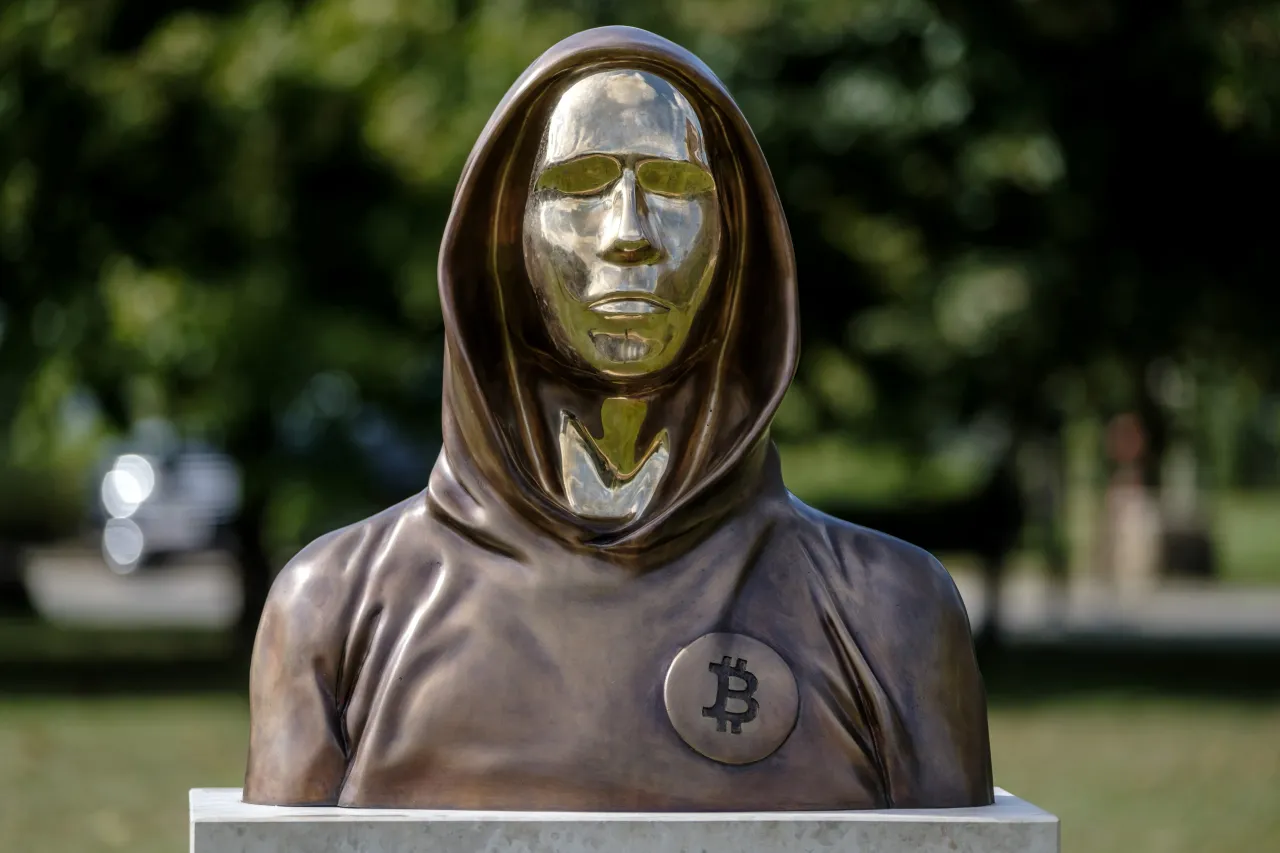
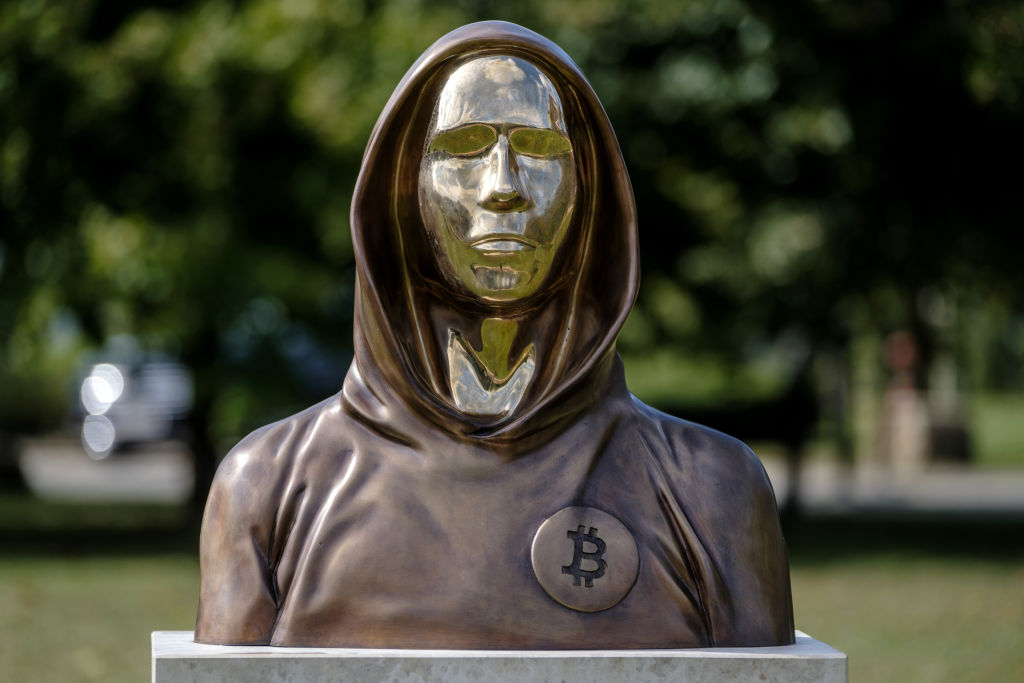
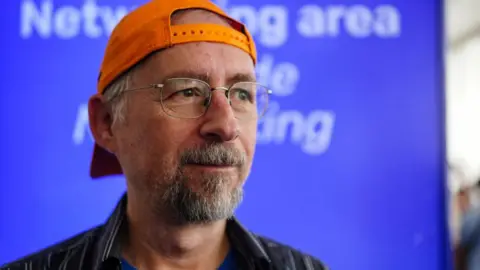
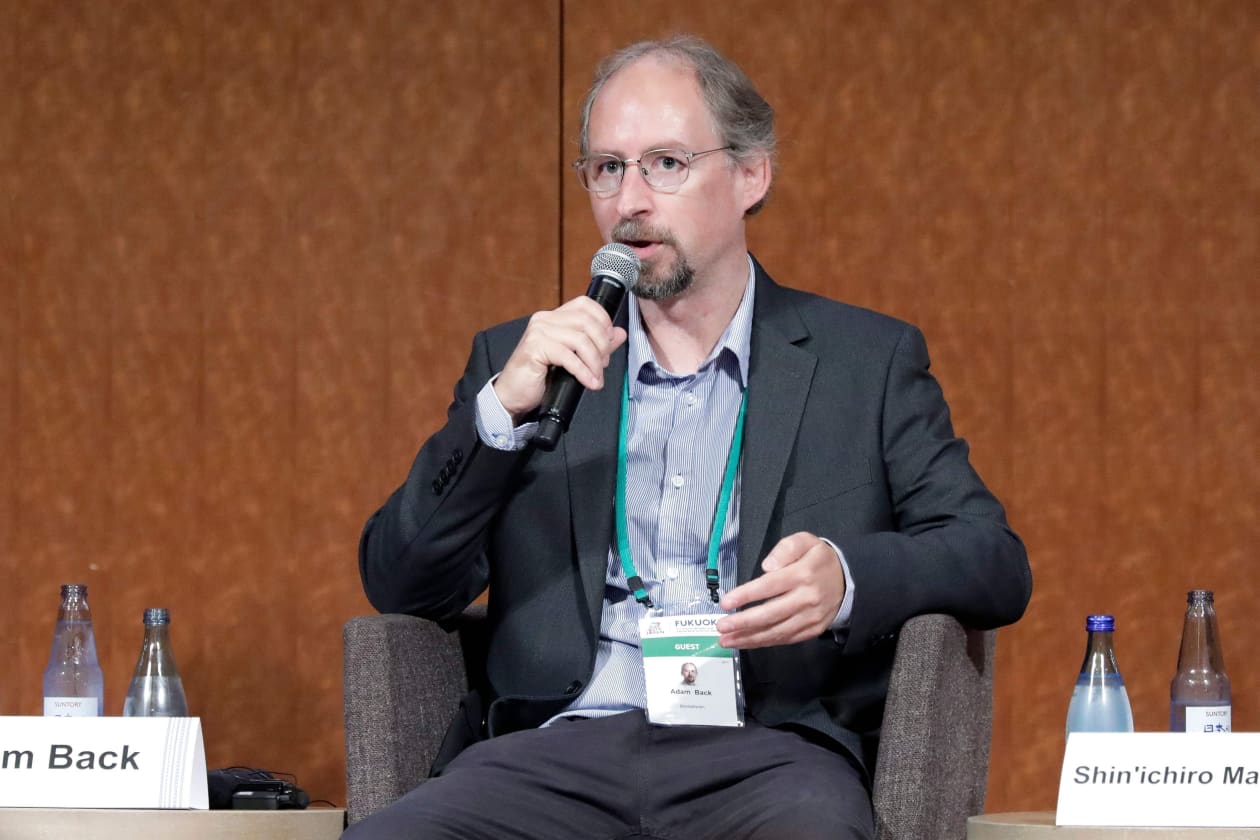
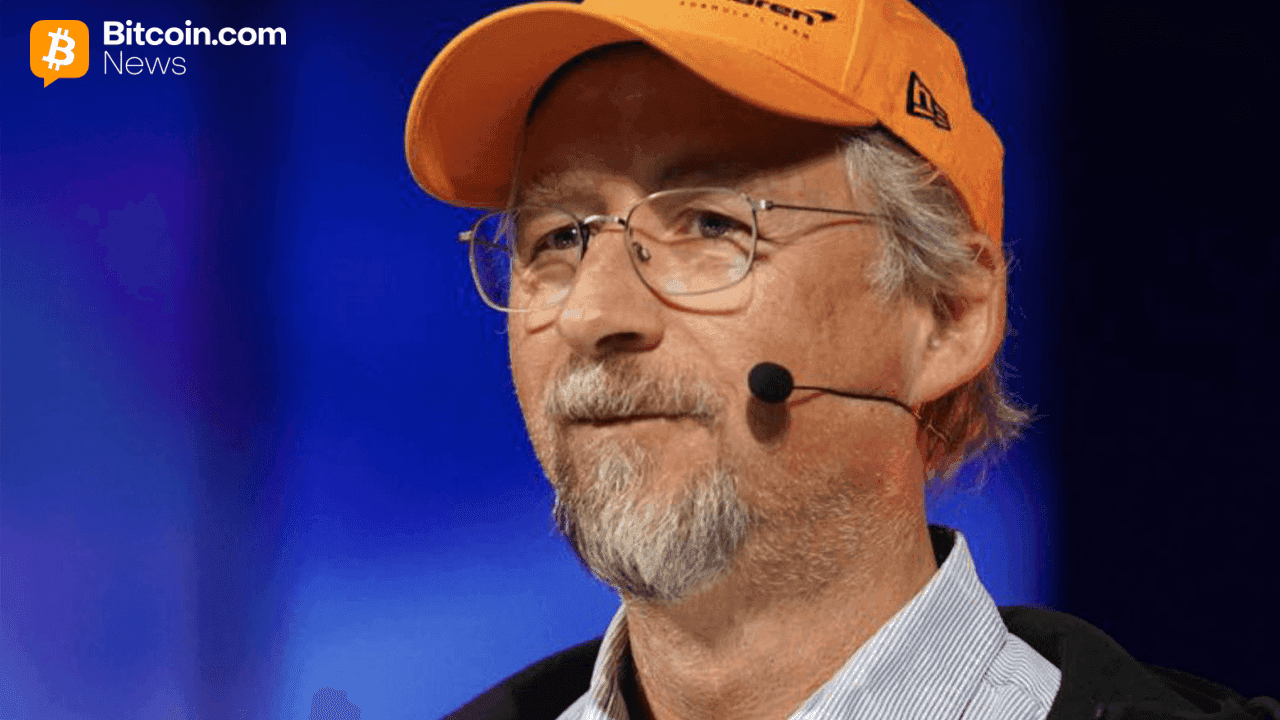
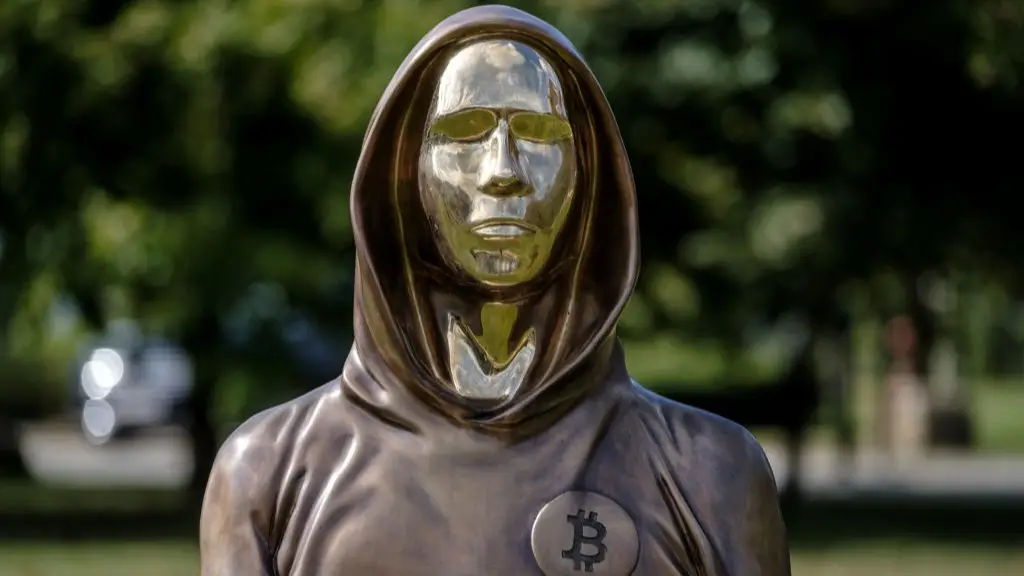
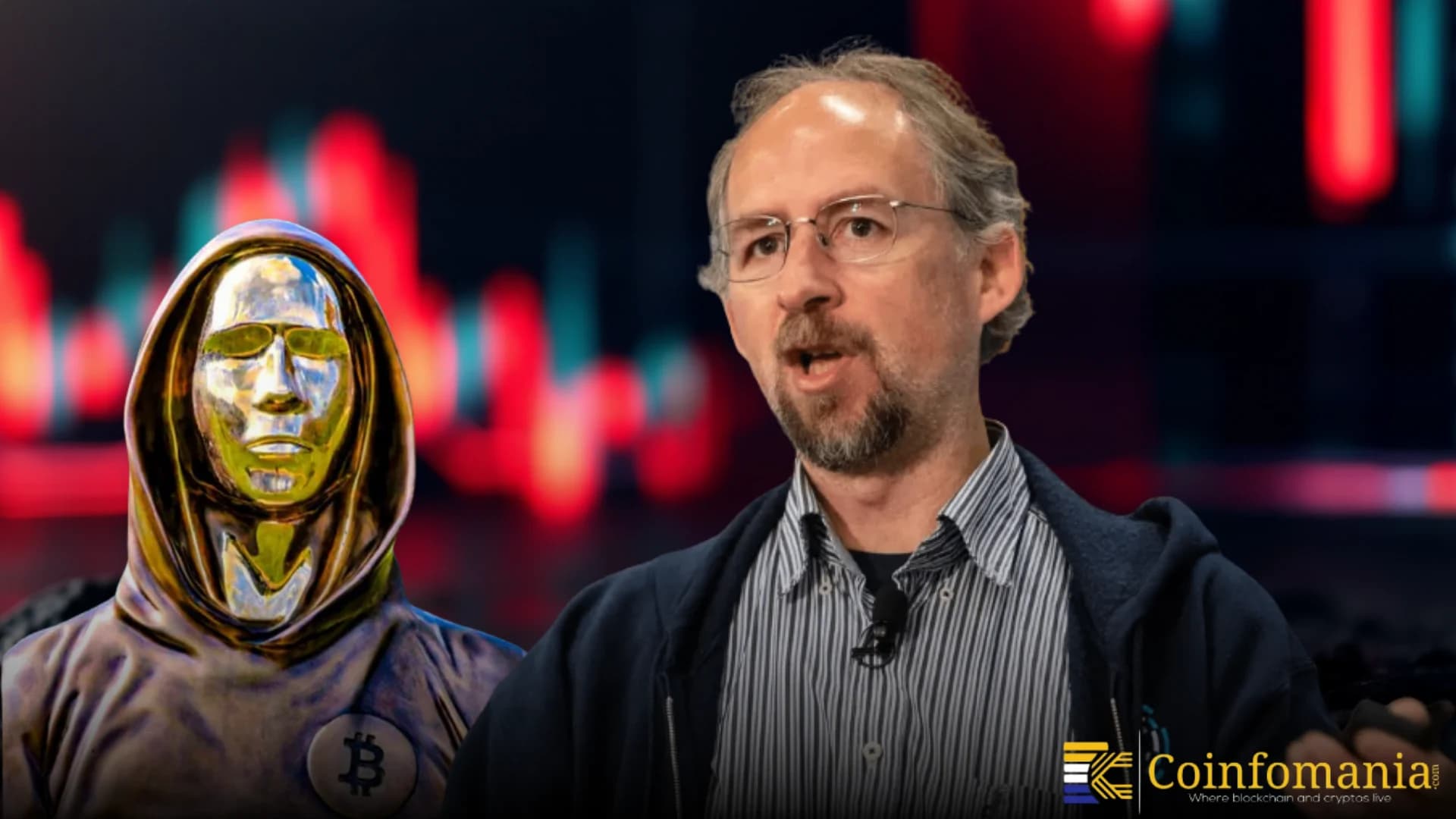
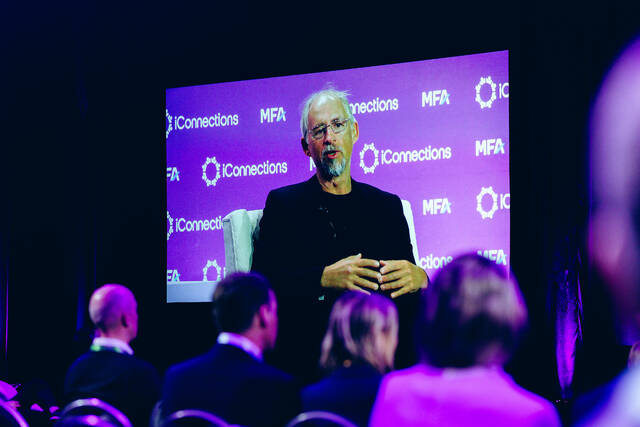
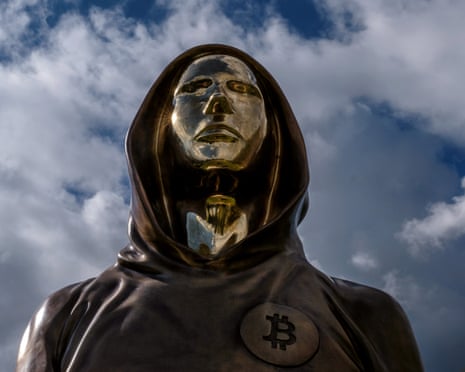
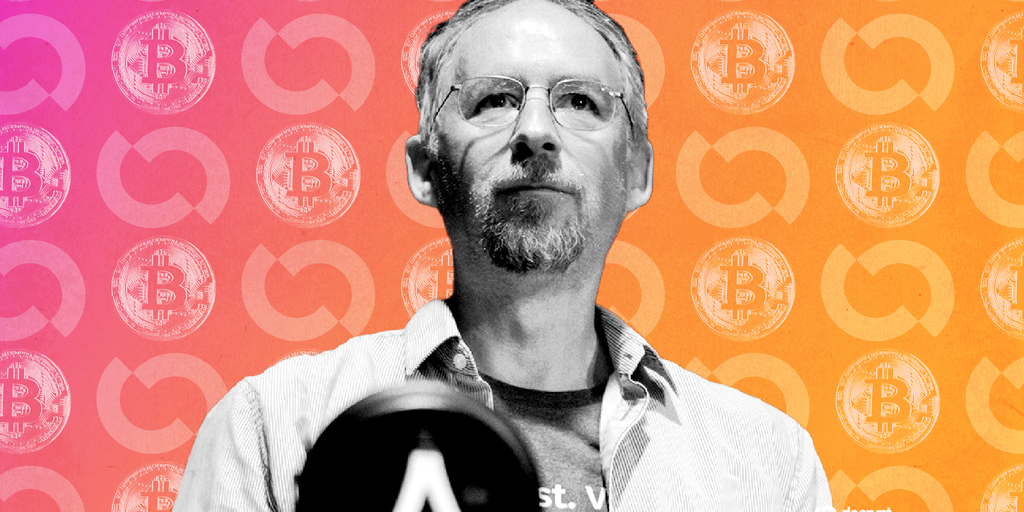
The New York Times' April 8, 2026 investigation by journalist John Carreyrou claims to have identified Adam Back, a 55-year-old British cryptographer and CEO of Blockstream, as Satoshi Nakamoto—the pseudonymous creator of Bitcoin. The investigation employed forensic linguistic analysis across 600+ Cypherpunk mailing list contributors, identifying 67 identical hyphenation errors shared between Nakamoto and Back (versus 38 for the next-closest candidate), alongside behavioral parallels including Back's disappearance from cryptography forums during Satoshi's active period and his re-emergence after Satoshi vanished in 2011. Nakamoto's estimated 1.1 million Bitcoin holdings are valued at approximately $71-73 billion, potentially making the identity economically significant for regulatory and market purposes.
However, Back has consistently and strenuously denied these allegations through multiple meetings, email exchanges, and public statements on X (formerly Twitter), emphasizing that his high volume of Cypherpunks posts creates confirmation bias and that linguistic similarities are coincidental. Computational linguist Florian Cafiero acknowledged that while stylometry methods proved inconclusive, the hyphenation and grammatical quirks are "harder to dismiss." Back's company BSTR Holding is merging with shell company Cantor Equity Partners I, creating a significant SEC disclosure complication: if Back were Nakamoto holding $71-73B in Bitcoin, disclosure requirements would apply given his involvement with a bitcoin treasury firm merging with a publicly traded entity.
Critical market context: Bitcoin's price rose 4.4% to $71,732.79 on the day following the report, but analysts attribute this primarily to broader market relief following a U.S.-Iran ceasefire announcement rather than the identity investigation itself. The cryptocurrency community has historically maintained that Nakamoto's identity holds no material financial significance, as Bitcoin has operated independently for over 15 years. Industry experts argue the founder's anonymity may actually benefit investors by preventing personality-driven market volatility. Previous identity candidates have included Hal Finney, Nick Szabo, and Peter Todd (proposed in a 2024 HBO documentary "Money Electric: The Bitcoin Mystery"). Expert opinions remain divided: Stephen Murdoch (University College London) suggests Hal Finney remains a stronger candidate given he received Bitcoin's first transaction, while Dr. Jacky Mallett (Reykjavík University) theorizes Satoshi was likely a small group rather than an individual, citing code updates suggesting multiple contributors with financial expertise.
For cross-border e-commerce sellers, this investigation carries indirect but meaningful implications. The stability of Bitcoin's price despite the identity controversy signals market maturity and reduced dependence on founder mythology—a positive indicator for sellers accepting cryptocurrency payments. The SEC disclosure question highlights regulatory clarity emerging around crypto asset ownership and corporate structures, which affects sellers using crypto-to-fiat conversion services or accepting Bitcoin payments. Additionally, the investigation demonstrates institutional journalism's increasing scrutiny of cryptocurrency figures and assets, suggesting sellers should expect heightened regulatory attention to crypto-related business activities and disclosure requirements.
Questions 8
What is Adam Back's documented role in Bitcoin's development?
Adam Back developed Hashcash, a proof-of-work system in 1997 that was later incorporated into Bitcoin's mining technology. He is a prominent figure in cryptocurrency history and remains an active participant in the Bitcoin ecosystem. In an SEC-filed podcast transcript, Back described himself as one of the earliest Bitcoin participants and claimed to be the first person to receive an email from Satoshi. He founded Blockstream and assembled top Bitcoin Core developers. His documented early involvement in cryptographic systems that preceded Bitcoin complicates the identity narrative despite the Times investigation.
What previous candidates have been proposed as Satoshi Nakamoto?
Previous identity candidates have included computer scientists Hal Finney (who received Bitcoin's first transaction), Nick Szabo, and developer Peter Todd (proposed in a 2024 HBO documentary 'Money Electric: The Bitcoin Mystery'). Expert Stephen Murdoch from University College London suggests Hal Finney remains a stronger candidate given he received Bitcoin's first transaction. Dr. Jacky Mallett from Reykjavík University theorizes Satoshi was likely a small group rather than an individual, citing code updates suggesting multiple contributors with financial expertise. The mystery has remained unresolved despite decades of speculation.