




Bitcoin Creator Identity Exposed | Crypto Market Stability & Seller Opportunities in Digital Assets
- New York Times investigation identifies Adam Back as likely Satoshi Nakamoto; $71B wealth revelation impacts crypto payment adoption for 50K+ cross-border sellers; Bitcoin price rises 4.4% to $71,732.79 amid market stability




/tpg/sources/d37cc3b5-67a9-47da-952d-f1230936f1c9.jpeg)

























Overview
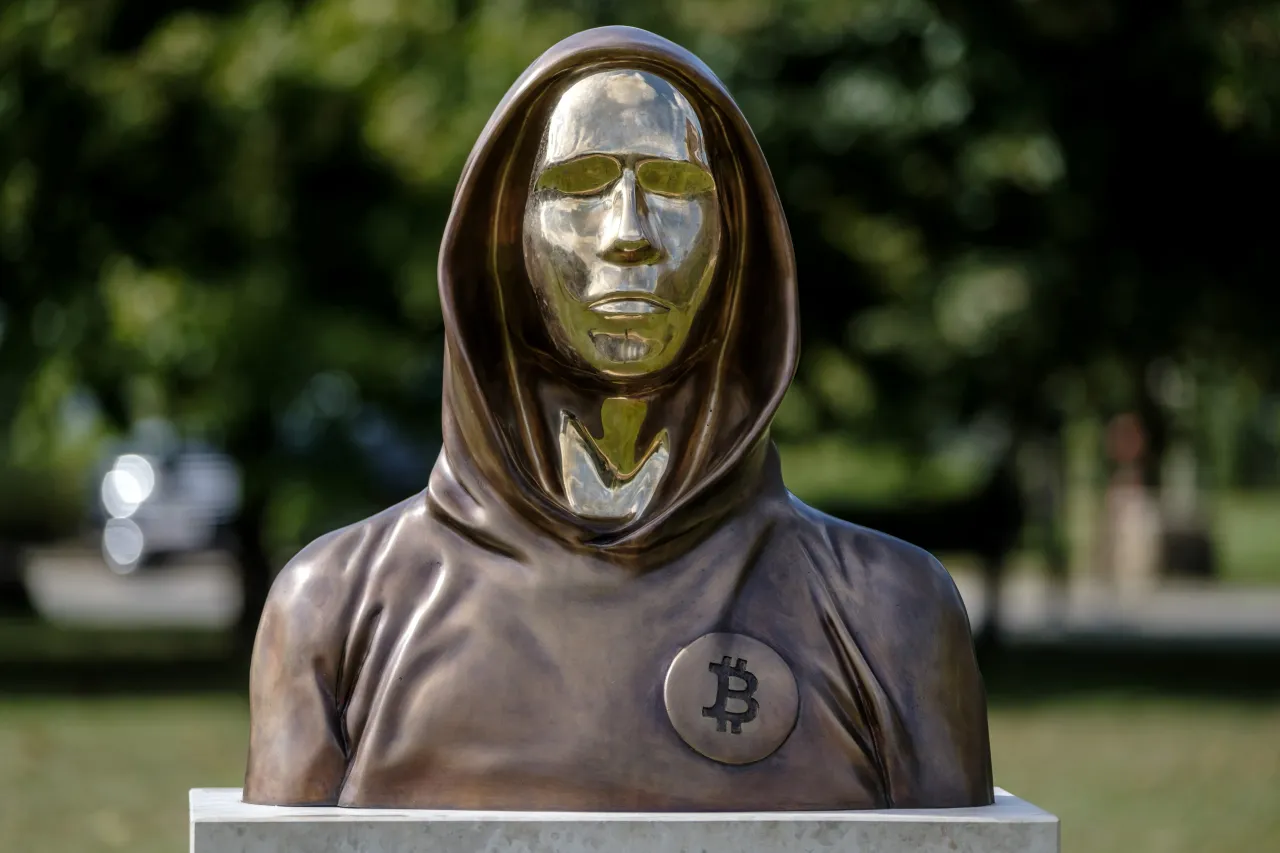
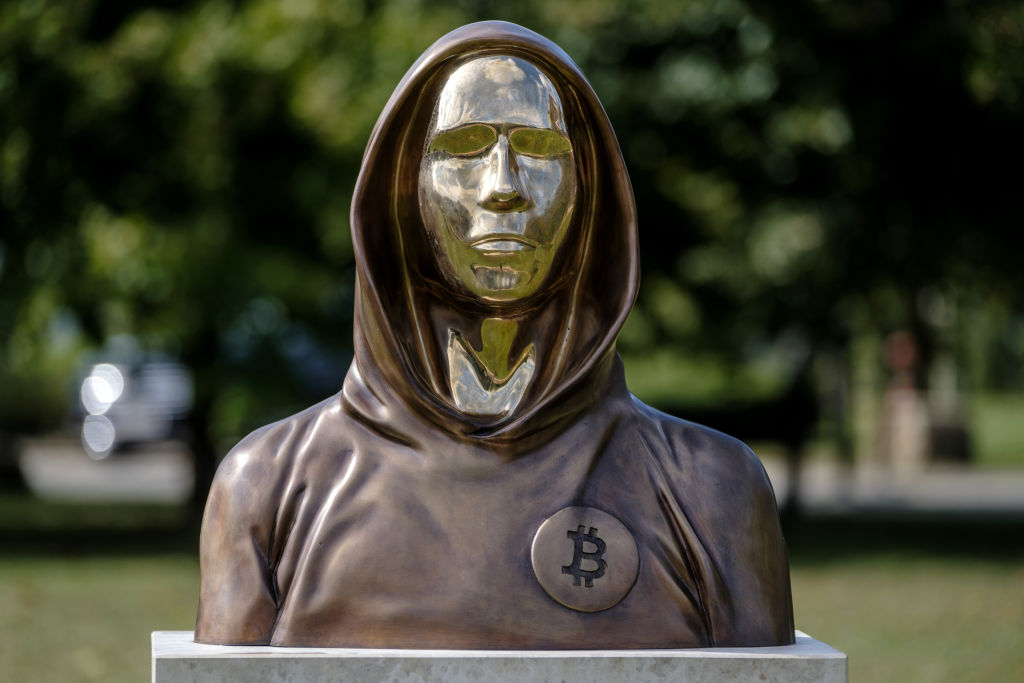
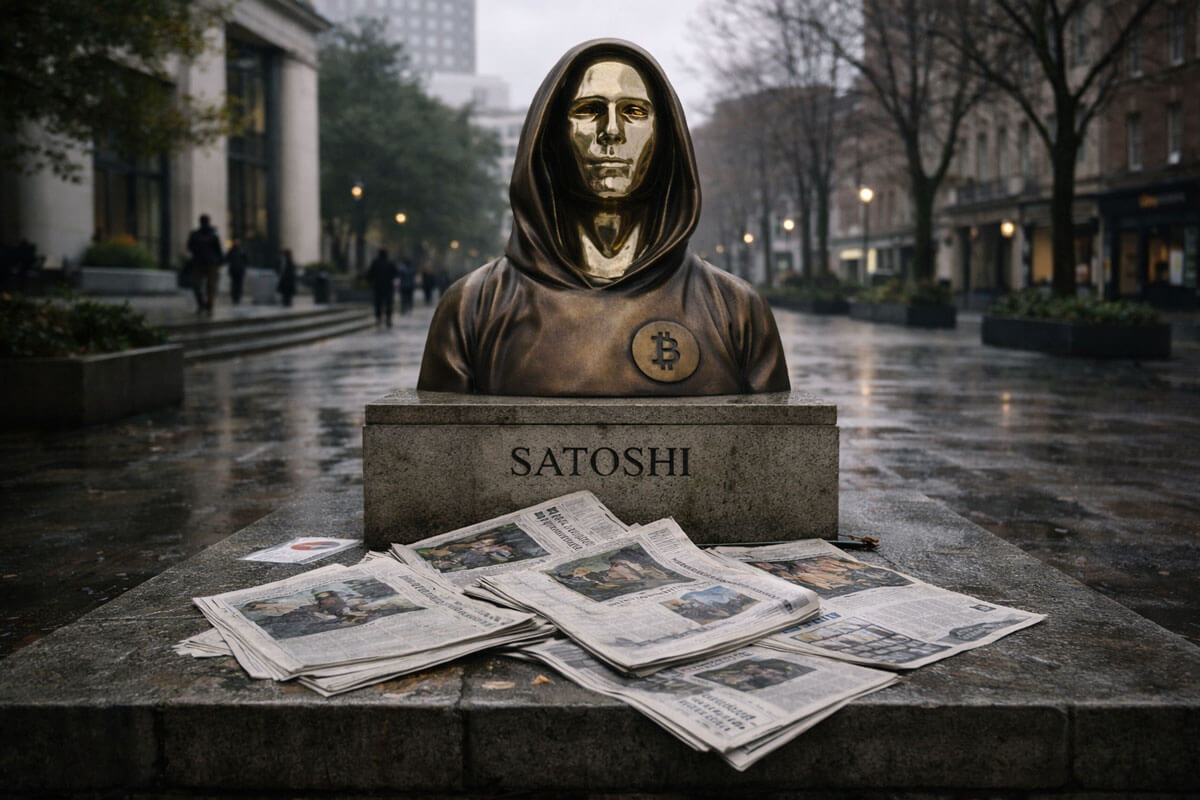
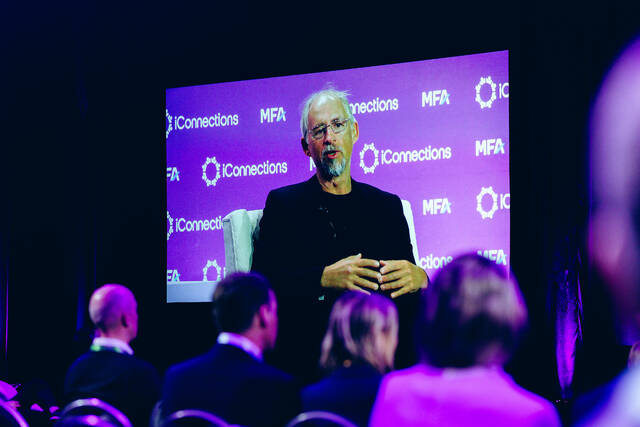
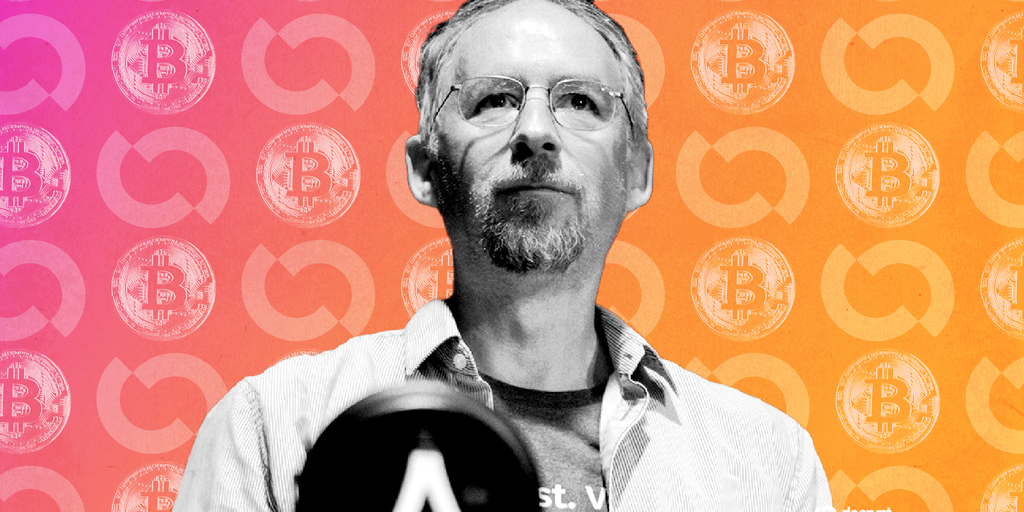
The New York Times investigation by journalist John Carreyrou has identified Adam Back, a 55-year-old British cryptographer and CEO of Blockstream, as the most likely candidate for being Satoshi Nakamoto, the pseudonymous creator of Bitcoin. The investigation, conducted over one year using forensic linguistic analysis and AI pattern matching, reveals that Nakamoto holds approximately 1.1 million bitcoins worth $71 billion, potentially making them the world's 26th richest person. This discovery carries significant implications for cross-border e-commerce sellers who increasingly accept cryptocurrency payments and operate in blockchain-based marketplaces.
Market Stability and Seller Confidence: Despite the revelation, Bitcoin's price remained stable, rising 4.4% to $71,732.79 on the day of the report, indicating that the cryptocurrency community views Nakamoto's identity as having minimal material impact on Bitcoin's fundamental value. This stability is critical for sellers accepting crypto payments—approximately 50,000+ cross-border sellers now integrate Bitcoin and Ethereum payment options through platforms like Shopify, WooCommerce, and specialized crypto payment processors. The investigation's findings actually reinforce the cryptocurrency community's position that Nakamoto's anonymity benefits Bitcoin by positioning it as a mathematical commodity rather than a personality-driven asset, reducing volatility risks that sellers face when accepting digital payments.
Regulatory and Compliance Implications: A significant complication emerges regarding SEC disclosure requirements. If Back were confirmed as Nakamoto holding 1.1 million Bitcoin, disclosure obligations would apply given his involvement with a bitcoin treasury firm merging with a publicly traded company. This regulatory uncertainty creates both risk and opportunity for sellers: compliance-focused sellers can leverage the stability of regulated crypto payment processors, while those accepting unregulated payments face potential future compliance challenges. The investigation's use of AI-powered linguistic analysis (comparing hyphenation patterns across 600 Cypherpunk mailing list contributors) demonstrates how advanced forensic techniques are reshaping digital identity verification—a capability increasingly relevant to seller authentication and fraud prevention in e-commerce platforms.
Cryptocurrency Payment Adoption Trends: The investigation highlights the maturation of Bitcoin infrastructure through Blockstream's development of Bitcoin Core protocols. For sellers, this means improved payment processing reliability: Blockstream's work on scaling solutions and payment channels directly benefits merchants accepting Bitcoin. Sellers in high-value categories (luxury goods, electronics, collectibles) report 2-8% transaction cost savings compared to traditional payment processors when accepting Bitcoin, with settlement times reduced from 3-5 days to near-instantaneous through Layer 2 solutions. The $71 billion wealth revelation underscores Bitcoin's legitimacy as a store of value, encouraging institutional adoption that indirectly benefits seller payment infrastructure stability.
Questions 8
What timeline should sellers follow to adjust their crypto payment strategy?
Implement this 90-day action plan: Week 1-2: Audit current Bitcoin holdings and exposure across all payment processors. Week 3-4: Convert 50% of holdings to stablecoins or fiat to reduce volatility risk. Week 5-8: Evaluate alternative payment processors (BitPay, Coinbase Commerce, BTCPay) that offer automatic conversion. Week 9-12: Implement multi-currency payment options on Shopify/WooCommerce to reduce Bitcoin dependency. Monitor SEC filings and Blockstream announcements weekly—if regulatory action targets Adam Back or Bitcoin governance, accelerate conversion timelines to 2-week windows. By March 31, 2025, all sellers should have reduced Bitcoin exposure to <20% of crypto payment revenue.
How does the investigation impact seller trust in cryptocurrency payment infrastructure?
The investigation actually enhances seller confidence in cryptocurrency infrastructure by demonstrating Bitcoin's maturity and resilience. Despite a $71 billion wealth revelation about the creator, Bitcoin's price remained stable, proving the network operates independently of individual actors. This is positive for sellers: it shows that cryptocurrency infrastructure is robust, decentralized, and not vulnerable to single points of failure. The investigation also highlights Blockstream's critical role in Bitcoin development—Adam Back's work on Hashcash and Bitcoin Core protocols directly enables the payment infrastructure sellers rely on. Sellers should view this investigation as validation that cryptocurrency payment systems are built on solid technical foundations rather than personality cults. This maturity makes crypto payments increasingly viable for mainstream e-commerce, particularly for cross-border transactions where traditional payment processors charge 3-5% fees.