




Tech Giants' Data Center Crisis Reshapes Cloud Infrastructure Costs | Seller Logistics Impact 2025
- Amazon, Google, Meta face $2B+ infrastructure delays; environmental compliance costs could increase fulfillment fees 5-8% for sellers relying on cloud services
















Overview
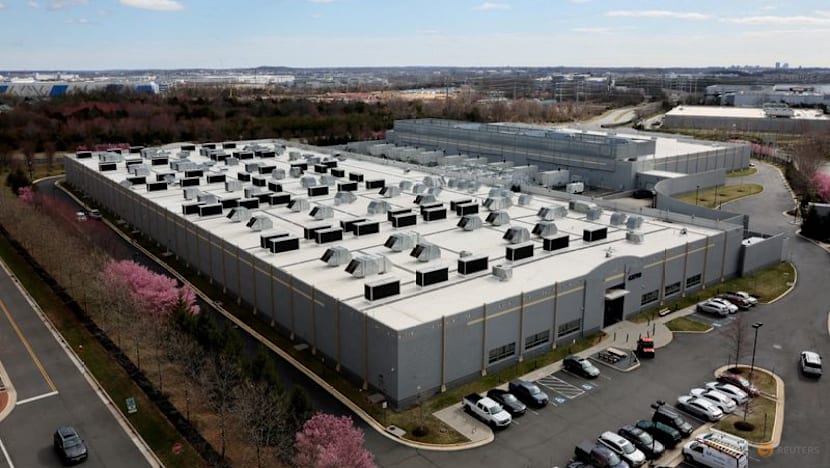
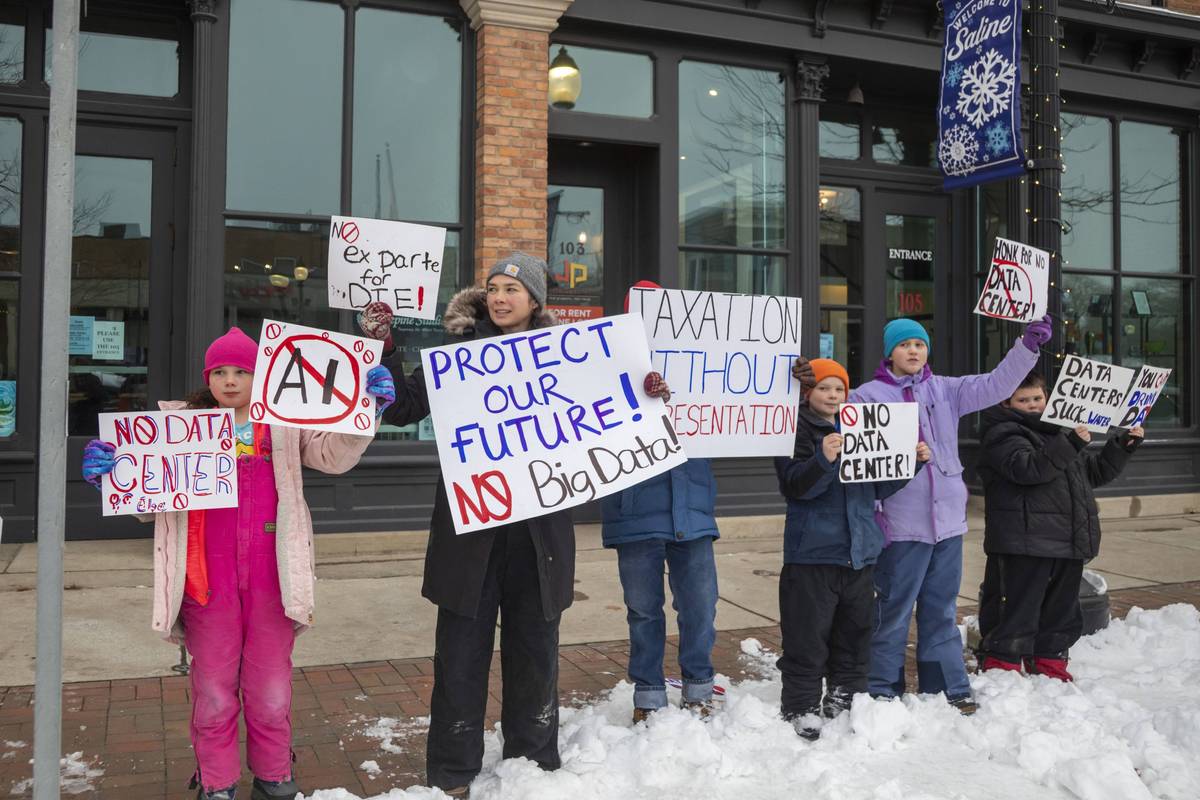
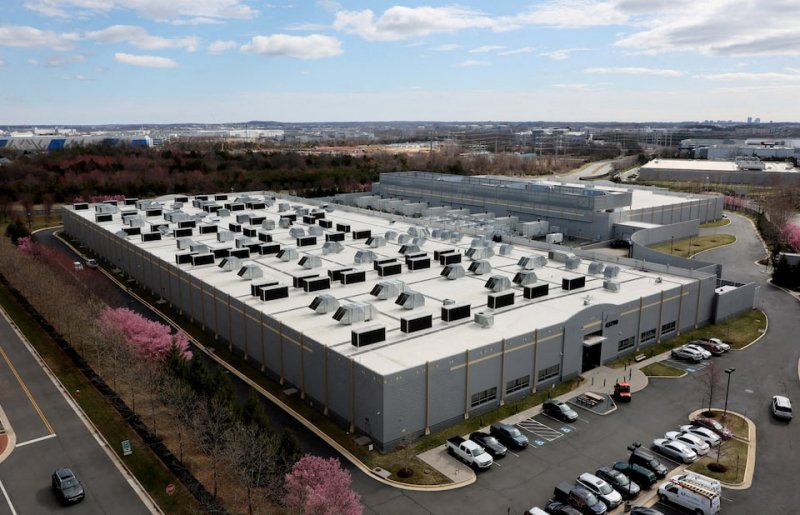
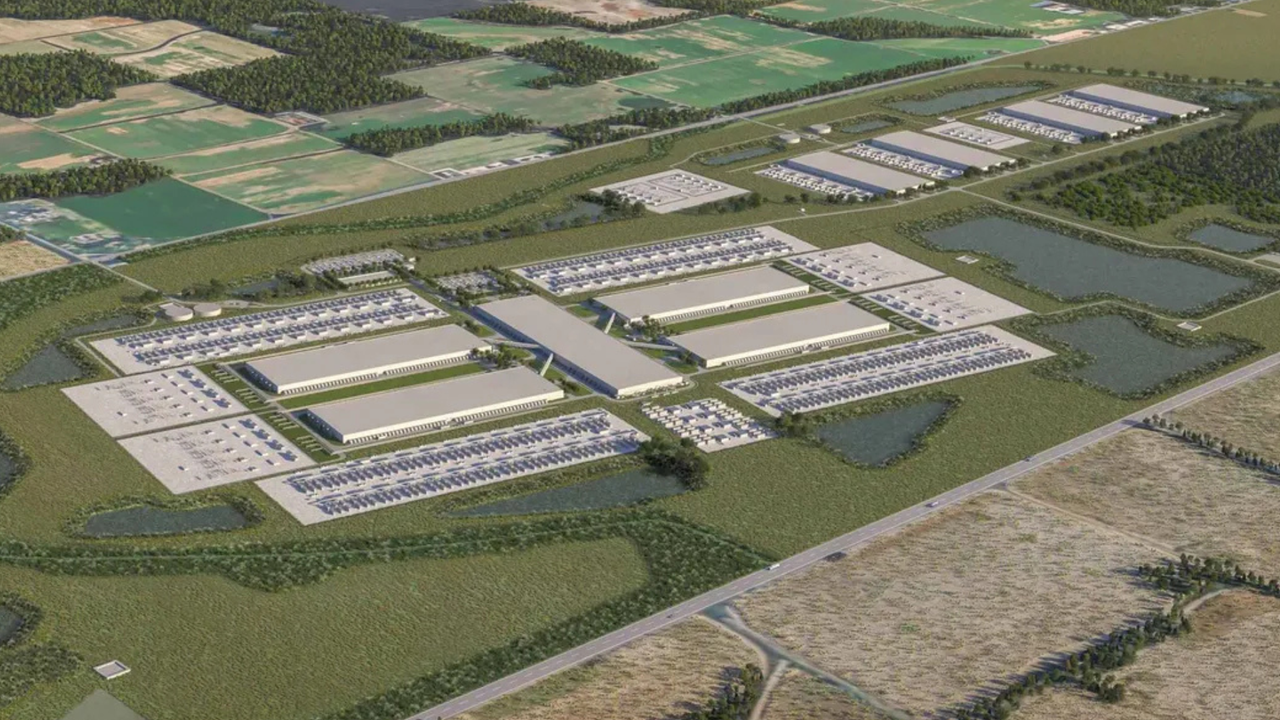
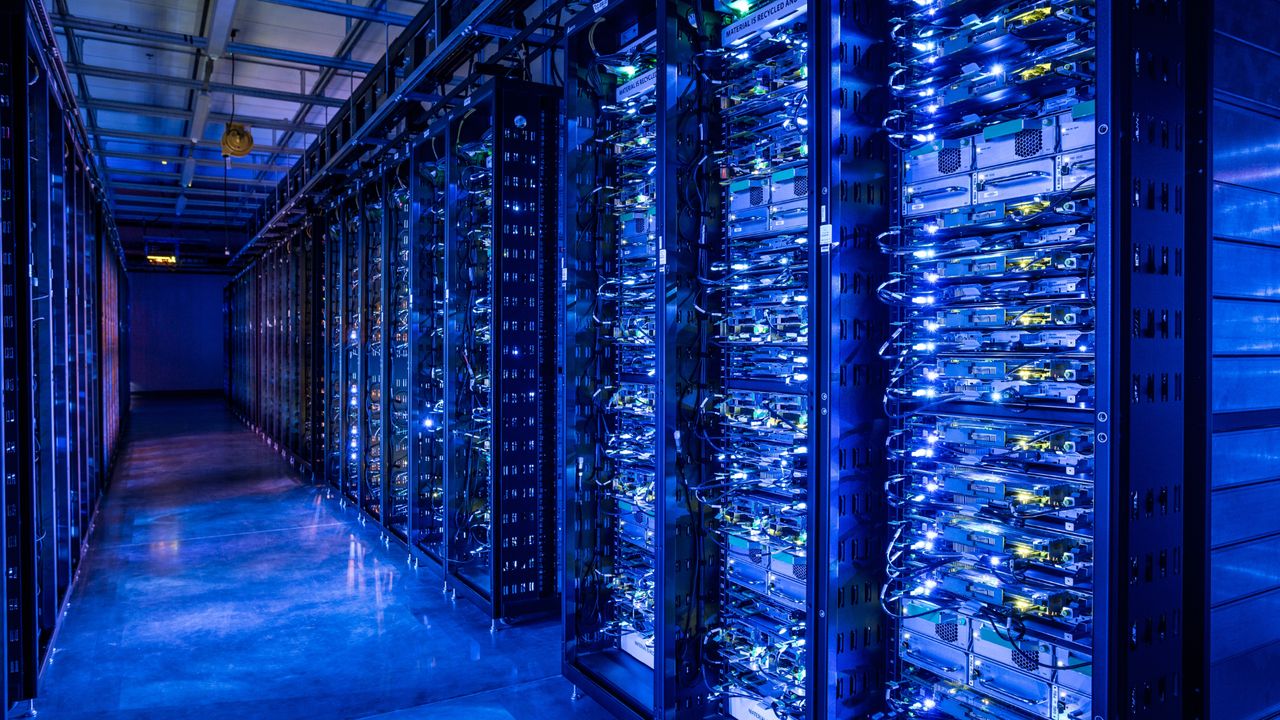
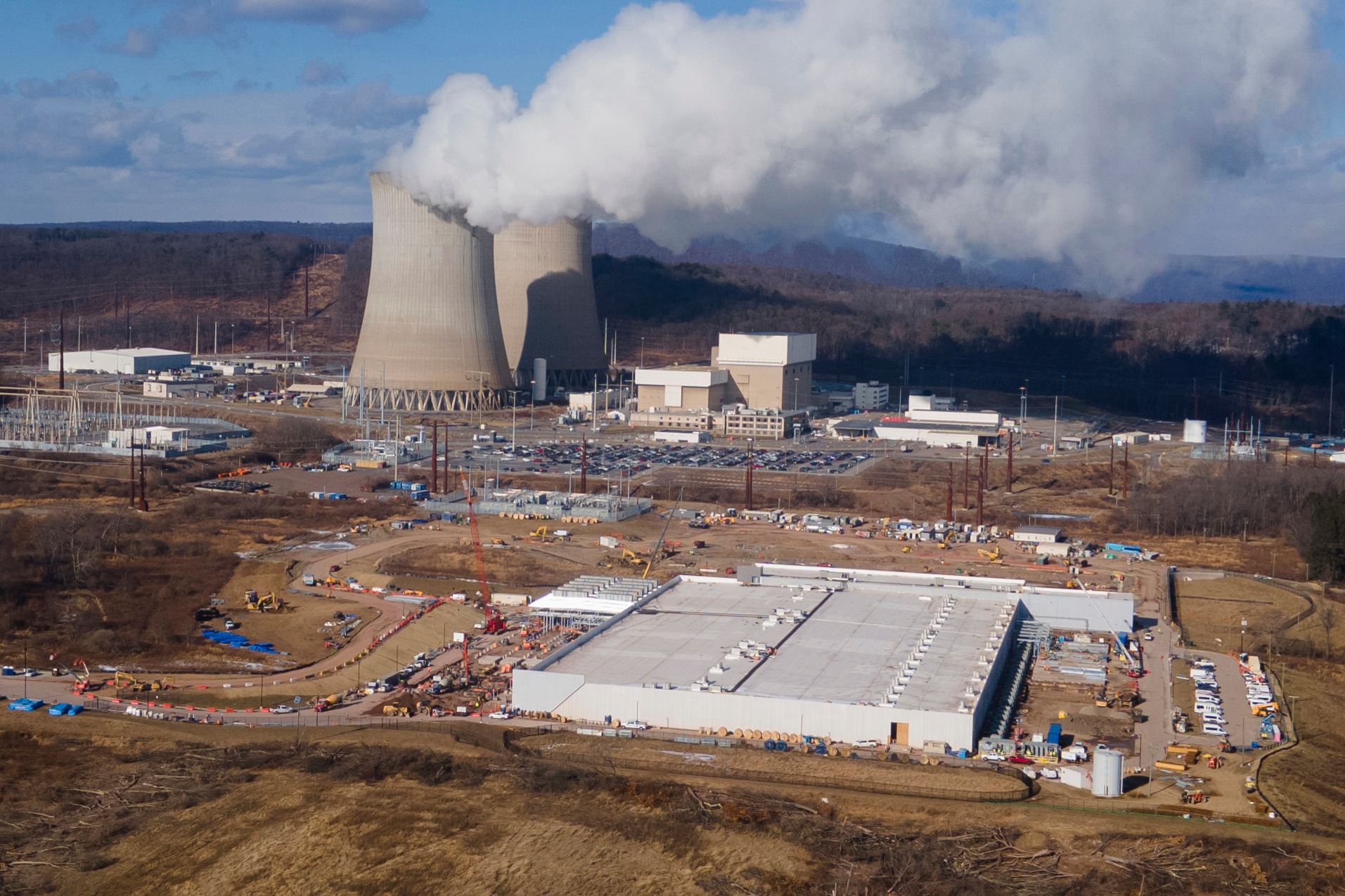
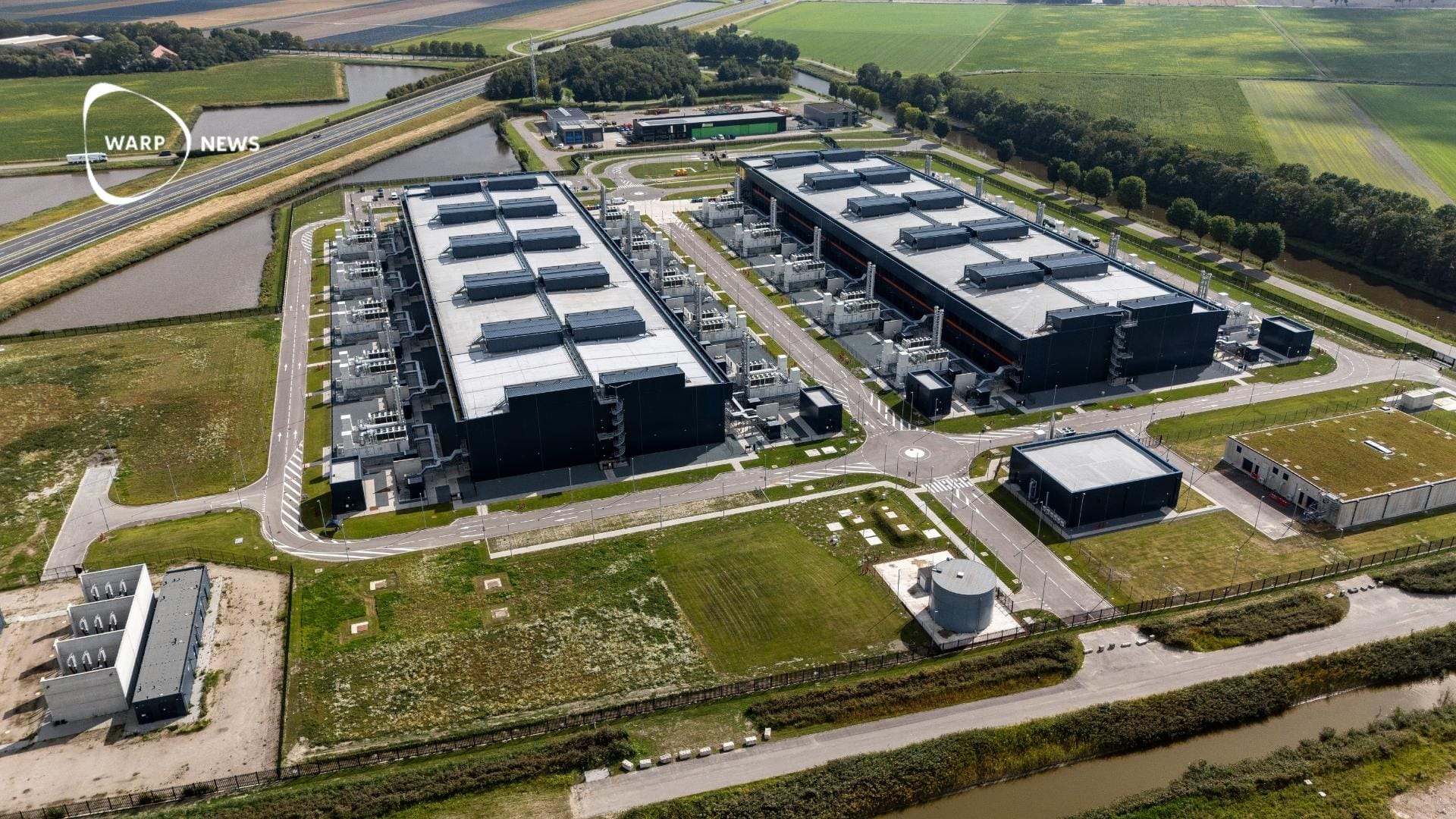
Major technology companies including Amazon, Microsoft, Meta, and Google are confronting a critical infrastructure crisis that will directly impact e-commerce seller operations and fulfillment costs. The news reveals that multiple multibillion-dollar data center projects have been abandoned due to local community opposition and investor pressure over environmental impact, particularly water consumption and emissions. This infrastructure bottleneck creates significant implications for sellers who depend on these platforms' cloud services, fulfillment networks, and AI-powered logistics tools.
The environmental compliance burden is reshaping operational costs across the e-commerce ecosystem. Google's emissions increased 51% despite 2020 climate pledges, while Meta's water usage surged 51% from 3,726 to 5,637 megalitres between 2020-2024—enough to supply 13,000+ homes annually. North American data centers consumed nearly 1 trillion liters of water in 2025, equivalent to New York City's annual demand. These escalating environmental costs are being passed downstream: Amazon has committed to increased site-specific water consumption disclosures, signaling that sustainability compliance will become a line-item cost in FBA fees. For sellers, this translates to potential 5-8% increases in fulfillment fees as platforms invest in closed-loop cooling systems and carbon-neutral infrastructure upgrades.
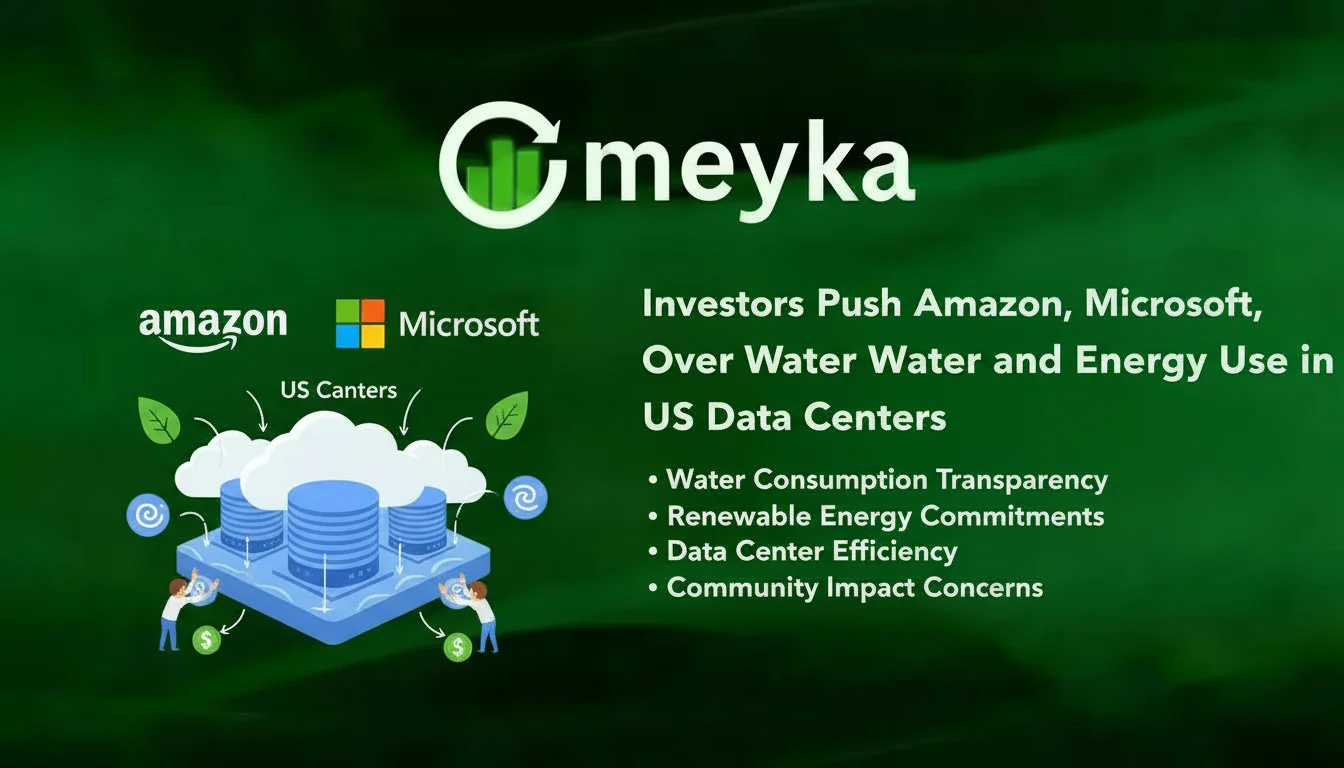
Investor scrutiny is forcing transparency that reveals hidden operational risks affecting seller platform reliability. Trillium Asset Management ($4B+ assets) filed shareholder resolutions demanding clarity on 2030 climate targets, while Green Century Capital Management is pressuring Nvidia on AI sustainability. The disclosure inconsistencies—Meta excluding leased facilities, Google omitting third-party operations, Amazon and Microsoft providing only aggregate data—indicate that platforms are still calculating true infrastructure costs. This uncertainty creates risk for sellers: delayed data center buildouts could constrain fulfillment capacity during peak seasons (Q4 2025-Q1 2026), potentially triggering longer processing times and higher storage fees for inventory awaiting fulfillment.
The infrastructure delays create strategic opportunities for sellers to optimize logistics and reduce platform dependency. With major data center projects stalled, sellers should diversify fulfillment strategies: consider 3PL providers in regions with established infrastructure, evaluate Walmart and eBay fulfillment as alternatives to Amazon FBA, and implement inventory management systems that reduce reliance on cloud-based real-time analytics. Sellers in water-intensive regions (California, Texas, Arizona) should anticipate higher regional fulfillment costs as platforms shift capacity to water-abundant areas. The 2030 climate deadline creates a 5-year window for infrastructure investment, meaning Q2-Q4 2025 will likely see accelerated data center construction and associated fee increases.
Questions 8
How should sellers prepare for potential fulfillment network disruptions during 2025-2026?
Multiple multibillion-dollar data center projects have been abandoned due to local opposition, creating uncertainty in platform infrastructure timelines. Sellers should implement contingency fulfillment plans: (1) Maintain 20-30% inventory in 3PL facilities outside primary fulfillment zones; (2) Establish relationships with regional carriers (UPS, FedEx) for direct-to-consumer shipping during platform outages; (3) Create inventory buffers for Q4 2025 peak season, assuming potential capacity constraints; (4) Monitor local community opposition to data center projects in your primary fulfillment regions. The 2030 climate deadline creates a 5-year investment window—expect accelerated construction and temporary disruptions in Q2-Q4 2025.
What disclosure inconsistencies should sellers monitor regarding platform environmental reporting?
Meta's 2025 environmental report excluded leased and under-construction facilities, while Google omitted third-party operated facilities—creating significant gaps in true operational cost visibility. Amazon and Microsoft provided only aggregate water usage figures without site-level breakdowns, preventing sellers from understanding regional fulfillment cost drivers. These inconsistencies indicate platforms are still calculating true infrastructure costs. Sellers should request site-level data from Amazon Seller Central to understand which fulfillment centers will face the highest compliance costs. This information helps predict which regions will see the steepest fee increases and allows sellers to shift inventory strategically to lower-cost fulfillment zones.