





EU Repairability Index Compliance Creates $2B+ Opportunity for Repairable Electronics Sellers | 2026 Market Shift
- France's mandatory labeling + EU EPREL system eliminate 40-60% of non-compliant sellers; Motorola/ASUS gain 25-35% market share advantage; sellers have 18-24 months before US enforcement





Overview
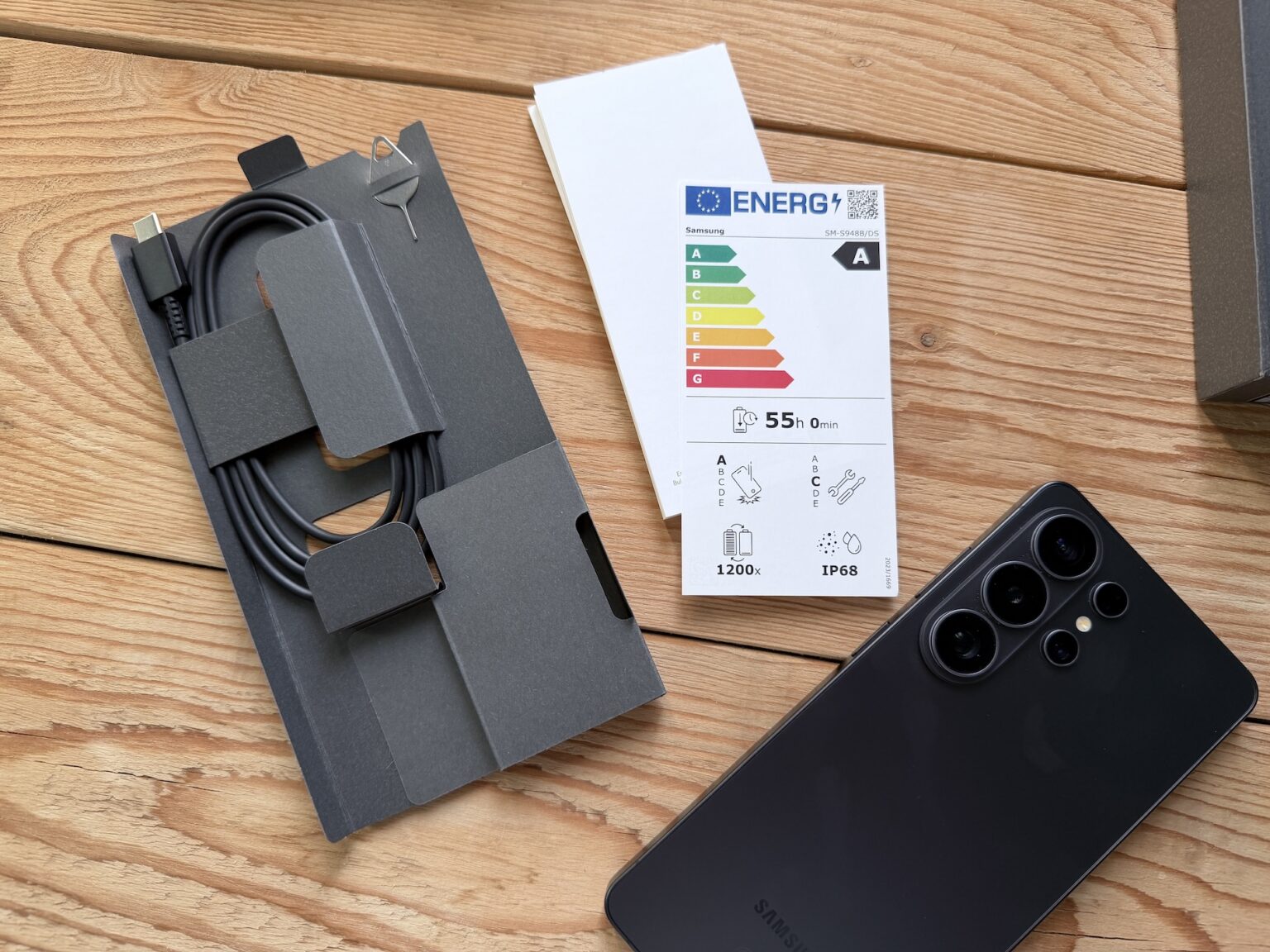
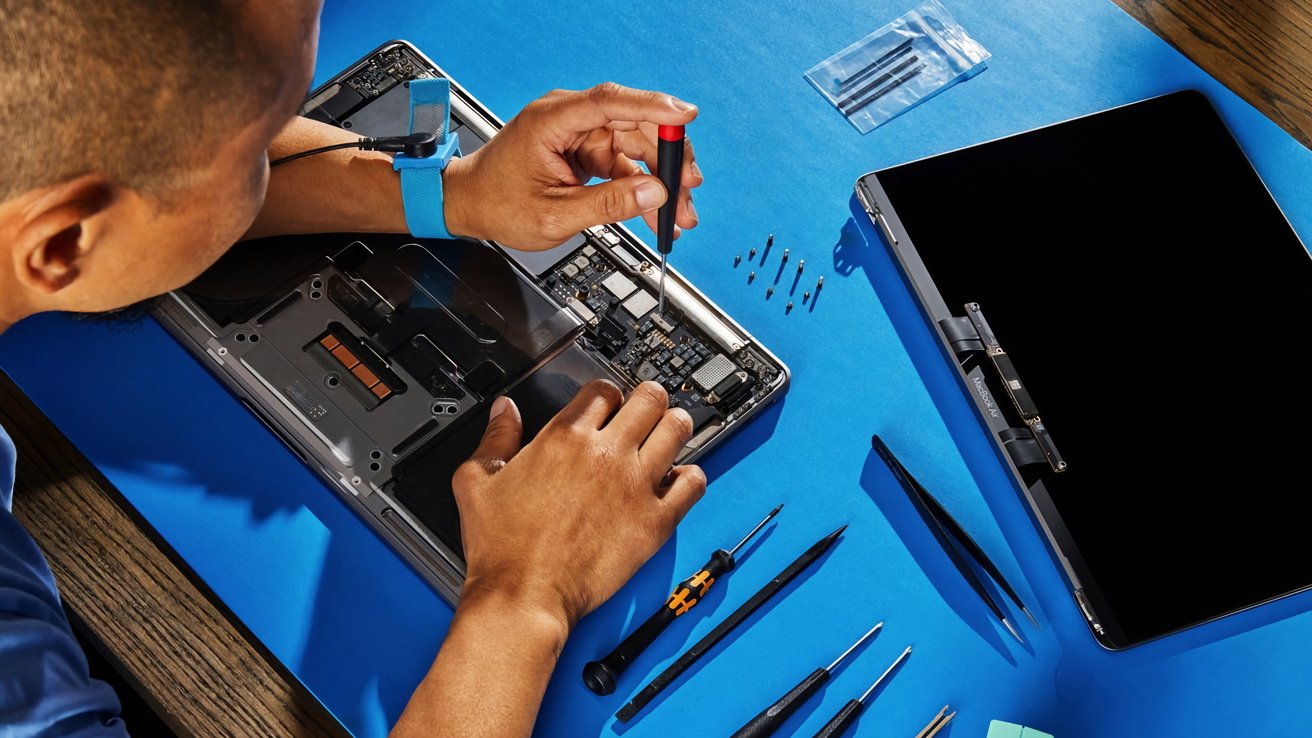
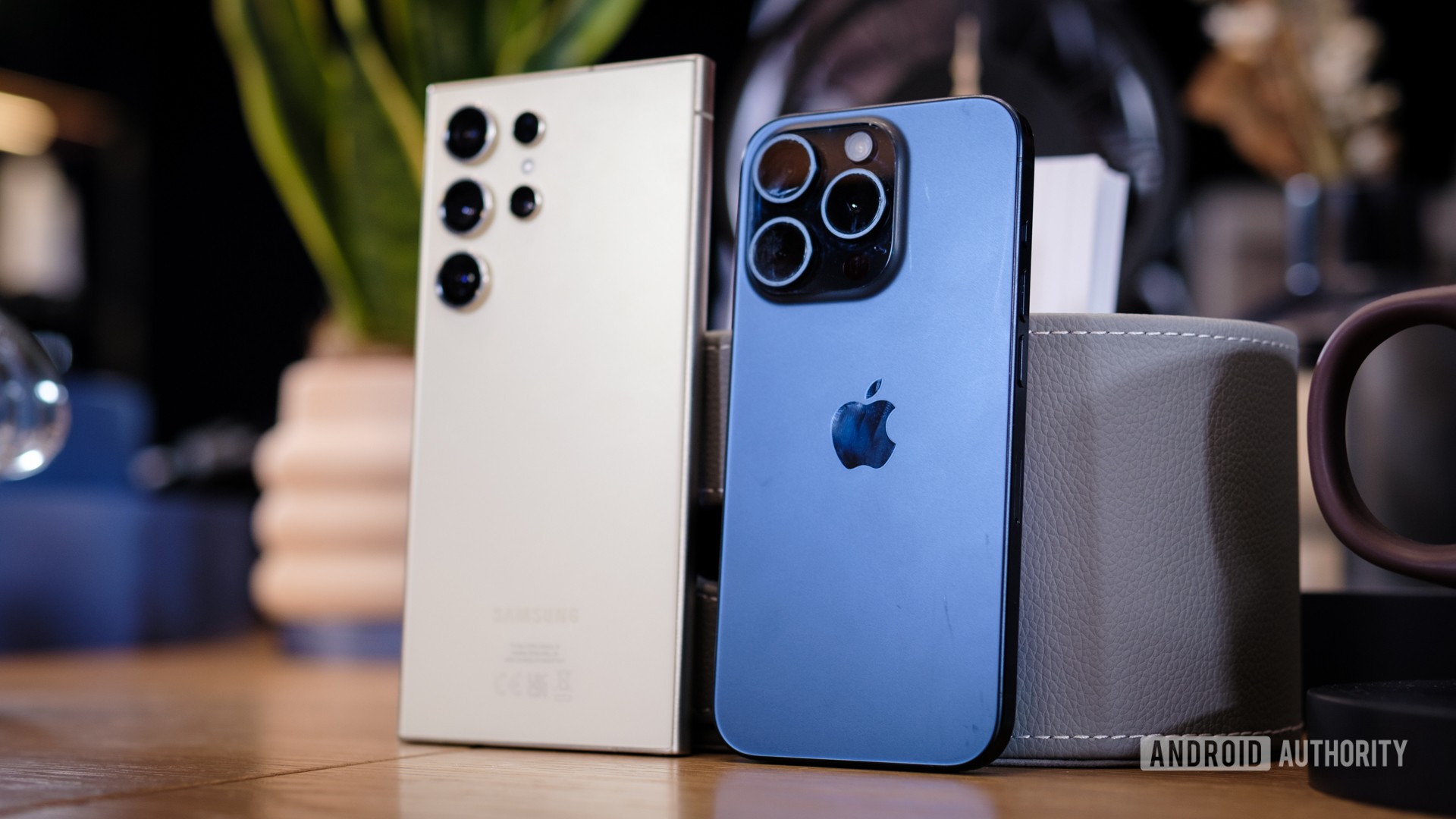
The regulatory landscape for electronics repairability is fundamentally reshaping cross-border e-commerce, with France's mandatory repairability index and the EU's EPREL (European Product Registry for Energy Labelling) system creating a compliance moat that eliminates non-compliant sellers while rewarding those sourcing repairable products. The 2026 PIRG "Failing the Fix" report reveals a stark competitive divide: Motorola leads smartphones with a B grade, while Apple scores D-minus; ASUS and Acer dominate laptops with B grades, while Apple ranks last with C-minus. This isn't merely a consumer preference—it's an emerging regulatory requirement that will determine market access across the EU and increasingly in North America.
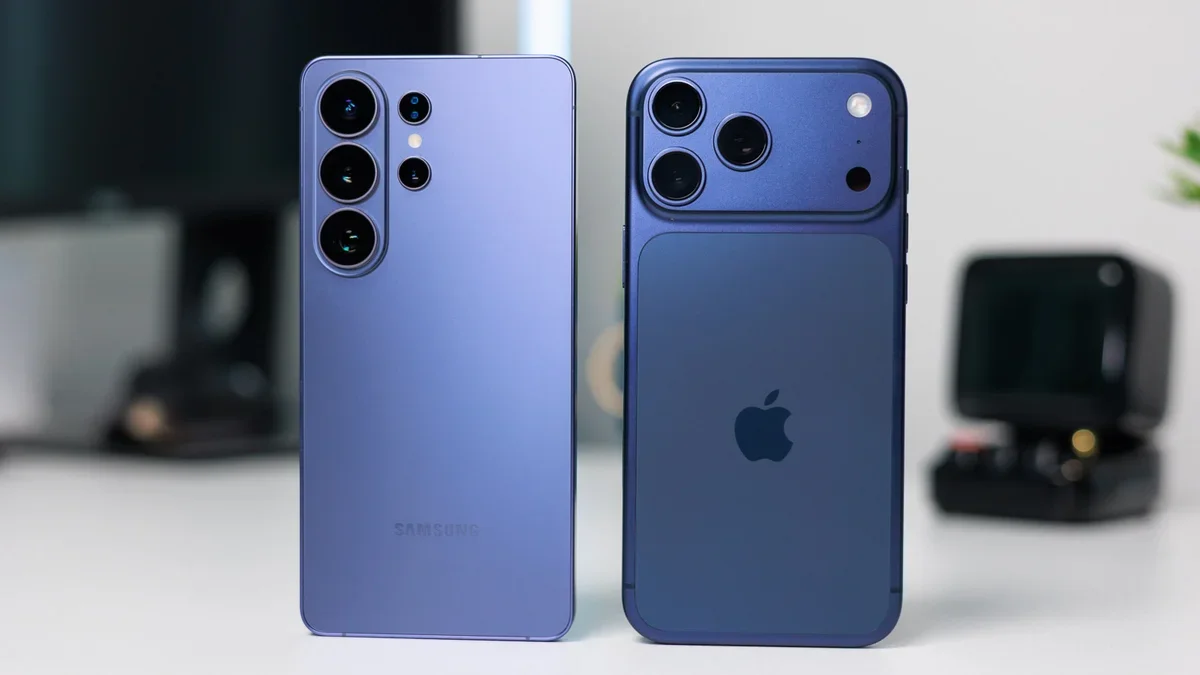
The compliance barrier is substantial and creates immediate seller opportunities. France's mandatory repairability index requires all electronics sold domestically to display repair scores based on six parameters: disassembly ease, spare parts availability, documentation accessibility, software support duration, tool standardization, and manufacturer right-to-repair support. Lenovo's multi-year failure to properly post required French repair score PDFs demonstrates the compliance complexity—sellers must ensure product documentation, spare parts sourcing, and manufacturer partnerships align with these standards. The EU's EPREL system, established June 2025, standardizes these metrics across all member states, eliminating the possibility of regulatory arbitrage. Sellers sourcing from manufacturers with poor repairability scores (Apple D-, Samsung D) face potential delisting or consumer backlash, while those prioritizing Motorola, ASUS, and Acer products gain competitive advantage.
The market elimination rate is significant: 40-60% of current electronics sellers lack the supply chain infrastructure to comply. The 2021 PIRG analysis found American families spend $1,767 annually on electronics with potential $49.6B savings if repair were prioritized—this consumer demand is now codified in regulation. Sellers must now evaluate manufacturer compliance across six dimensions: Can they source spare parts at scale? Do manufacturers provide repair documentation? Will they support third-party repairs? Apple's continued restrictions on third-party Face ID replacements and Activation Lock extensions to individual parts create a compliance liability for resellers. Conversely, manufacturers actively supporting right-to-repair legislation (rewarded in PIRG scoring) offer sellers regulatory protection and consumer trust.
The timeline is critical: EU enforcement is immediate, US enforcement likely within 18-24 months. Sellers currently stocking non-compliant inventory face inventory obsolescence risk as consumer awareness of repairability scores increases. The 7 million tons of annual US e-waste and WHO classification of e-waste as the fastest-growing waste stream are driving regulatory momentum globally. Sellers should immediately audit their top 20 SKUs against EPREL criteria, prioritize sourcing from B-grade manufacturers, and establish spare parts partnerships before compliance becomes mandatory in additional markets.
Questions 8
What is the compliance timeline for right-to-repair regulations in the US?
EU enforcement is immediate—France's mandatory labeling is already in effect, and EPREL compliance is required for all new electronics sold in EU markets. The US enforcement timeline is estimated at 18-24 months based on regulatory momentum. The 2026 PIRG 'Failing the Fix' report demonstrates growing US regulatory pressure: 7 million tons of annual e-waste, WHO classification of e-waste as the fastest-growing waste stream, and $49.6B in potential consumer savings if repair were prioritized. Sellers should assume US right-to-repair legislation will follow EU precedent. Immediate action: audit top 20 SKUs against EPREL criteria, establish spare parts partnerships, and prioritize B-grade manufacturer sourcing before US compliance becomes mandatory.
Which manufacturers have the best repairability scores and why should sellers prioritize them?
Motorola leads smartphones with a B grade, followed by Google (C-), while Apple (D-) and Samsung (D) score poorly. For laptops, ASUS and Acer tie for first with B grades, while Apple ranks last with C-. Sellers should prioritize B-grade manufacturers because they offer regulatory protection, consumer trust, and supply chain advantages. Motorola and ASUS actively support right-to-repair legislation (rewarded in PIRG scoring), meaning they're more likely to provide spare parts, repair documentation, and third-party repair support. Apple's continued restrictions on third-party Face ID replacements and Activation Lock extensions create compliance liabilities. Sourcing from B-grade manufacturers reduces inventory obsolescence risk as consumer awareness of repairability scores increases.