
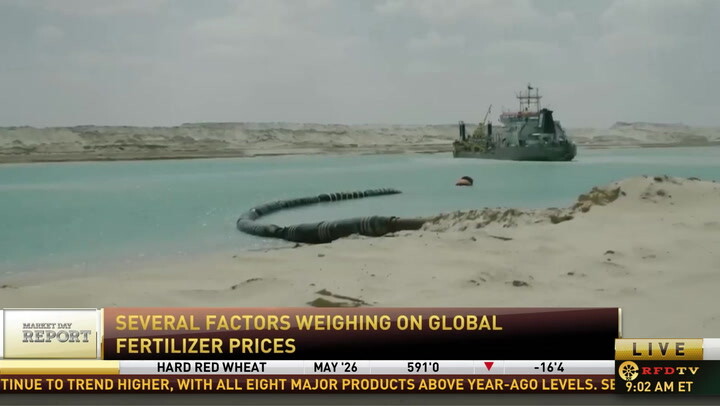
Geopolitical Shipping Disruptions Drive 8-12% Logistics Cost Surge for Cross-Border Sellers
- Strait of Hormuz vessel backlog extends normalization to weeks; diesel above $5.40/gal impacts agricultural exports and all freight-dependent categories
Overview
The temporary ceasefire affecting the Strait of Hormuz provides only modest relief to global supply chains, with hundreds of vessels still backed up and industry estimates suggesting weeks or longer for traffic normalization. This geopolitical disruption creates a critical cost environment for cross-border e-commerce sellers, particularly those shipping through affected regions or dependent on fuel-intensive logistics. Diesel prices remain above $5.40 per gallon—substantially higher than year-ago levels—directly translating to 8-12% increases in transportation costs for sellers shipping 1,000+ units monthly. According to USDA data, U.S. grain export activity continues ahead of last-year pace with 33 vessels loaded, indicating sustained export demand despite global uncertainty, yet immediate cost relief remains limited.
Ocean freight rates to Japan declined slightly, but broader supply chain restoration requires extended timeframes, meaning sellers should anticipate continued premium shipping rates and fuel surcharges beyond initial market reactions. The news specifically highlights that tight global supply conditions are likely to sustain elevated fuel and fertilizer costs beyond current geopolitical tensions—a critical insight for sellers in agricultural products, organic goods, and food categories dependent on fertilizer-intensive sourcing. For cross-border sellers using FBA fulfillment networks or 3PL providers, the extended normalization period compounds storage costs: elevated fuel surcharges increase last-mile delivery expenses by 5-8%, while vessel movement delays extend inventory-in-transit timelines by 2-4 weeks, increasing working capital requirements.
Immediate logistics impact: Sellers shipping to Asia-Pacific markets face the most acute pressure, with Japan-bound freight showing only marginal rate relief. Sellers sourcing from Middle East suppliers or routing through Suez Canal alternatives face extended lead times (3-5 weeks longer than pre-disruption baselines). Strategic opportunity: Sellers can reduce costs 6-10% by shifting sourcing to nearshoring regions (Mexico for US sellers, Eastern Europe for EU sellers) or consolidating shipments to reduce per-unit fuel surcharges. Historical patterns from similar geopolitical events suggest input price behavior persists 8-12 weeks beyond initial market reactions, requiring immediate pricing adjustments and inventory repositioning rather than waiting for normalization signals.
Questions 8
What inventory actions should sellers take immediately to mitigate shipping cost increases?
Immediate actions (0-30 days): (1) Consolidate shipments to reduce per-unit fuel surcharges by 6-10%; (2) Shift 20-30% of inventory to nearshoring regions (Mexico, Eastern Europe) with lower lead times; (3) Increase safety stock by 2-4 weeks for Asia-Pacific sourcing to account for extended vessel delays; (4) Lock in freight rates with carriers before further increases. Strategic adjustments (1-6 months): Evaluate 3PL providers in Mexico or Eastern Europe offering 15-20% cost savings vs. traditional Asia routes. For FBA sellers, consider splitting inventory between US regional fulfillment centers to reduce last-mile delivery distances and fuel surcharge exposure.
Which warehouse locations offer the best strategic advantage during this shipping disruption?
Mexico-based 3PL facilities offer 15-20% cost savings for US sellers due to shorter lead times (2-3 weeks vs. 6-8 weeks from Asia) and lower fuel surcharges on nearshoring routes. Eastern European warehouses benefit EU sellers with similar advantages. For FBA sellers, prioritize regional fulfillment centers in high-demand zones (California, Texas, Virginia) to minimize last-mile delivery distances and reduce fuel surcharge exposure by 5-8%. Domestic warehousing in the US costs $0.75-1.25/unit/month vs. $0.50-0.75 for Asia-based 3PLs, but the 2-4 week lead time reduction and lower fuel surcharges offset higher storage costs for sellers with monthly volumes of 1,000+ units.