



Fed Rate Cut Probability Surges to 43% | Cross-Border Sellers Face Energy Cost Volatility Through 2026
- Geopolitical ceasefire shifts interest rate expectations dramatically; crude oil at $96.05 creates 3-6 month supply chain recovery window affecting logistics costs for all cross-border sellers




Overview
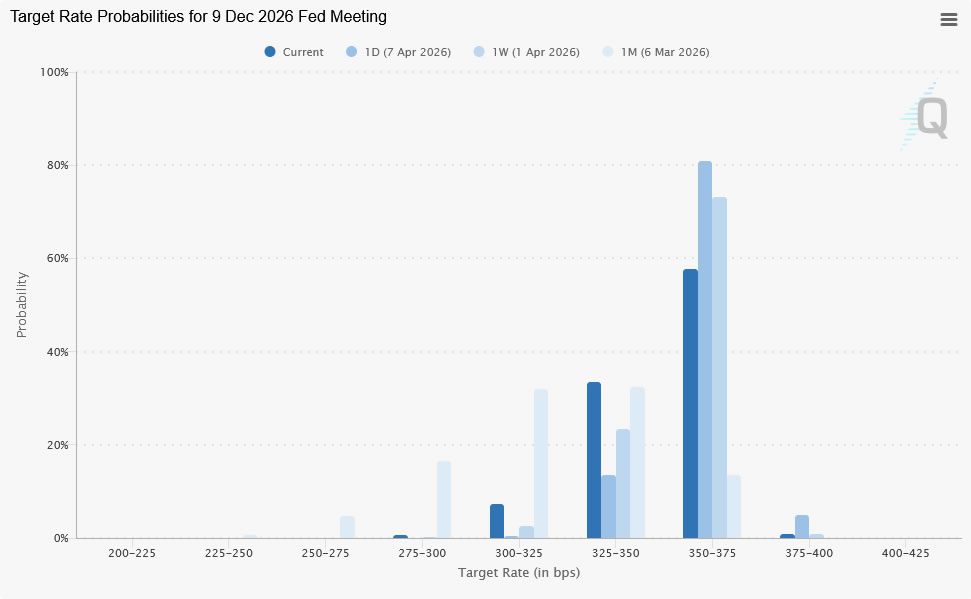
The Federal Reserve's interest rate trajectory has undergone a dramatic reversal following diplomatic de-escalation between the U.S. and Iran. According to CME Group data cited in The Wall Street Journal (April 8, 2026), the probability of at least one Fed rate cut by December 2026 has surged to 43%—a stunning reversal from just 14% the previous day. This geopolitical-driven market shift eliminates rate hike expectations entirely, signaling investor confidence in policy stability. However, this optimistic monetary outlook masks a critical operational challenge for cross-border e-commerce sellers: sustained energy cost inflation through mid-2026.
The Financing Cost Opportunity: The 43% probability of Fed rate cuts creates immediate working capital advantages for sellers. Current borrowing costs for inventory financing, purchase order financing, and business expansion loans are likely to decline 50-150 basis points by Q4 2026. Sellers should lock in current rates through 12-month supply chain financing agreements now, before rate cuts compress lender margins. For a seller with $500K in annual inventory financing needs, a 75 basis point reduction translates to $3,750 in annual savings—capital that can be redirected to marketing or inventory expansion. Additionally, lower anticipated rates strengthen emerging market currencies (INR, PHP, VND, THB), improving margins for sellers sourcing from Asia-Pacific regions by 3-7% through 2026.
The Energy Cost Reality Check: Despite ceasefire optimism, crude oil trading at $96.05 (down $14.96 from conflict peaks) remains elevated. The WSJ analysis emphasizes that supply chain logjams require 3-6 months to resolve even with Strait of Hormuz reopening. This extended timeline sustains elevated logistics costs: air freight premiums remain 15-25% above pre-conflict levels, ocean freight rates hold 8-12% premiums, and last-mile delivery costs increase 5-8% due to fuel surcharges. For sellers shipping 500+ units monthly via air freight, this translates to $2,000-4,000 monthly cost increases. Temperature-controlled logistics (pharmaceuticals, cosmetics, specialty foods) face the steepest pressures, with cold chain premiums reaching 20-30% above baseline rates.
Currency and Payment Optimization: The VIX volatility index at 21.28 reflects lingering geopolitical uncertainty, creating FX arbitrage opportunities. Sellers with USD-denominated costs and emerging market revenue should implement forward contracts locking in 3-6 month exchange rates now, before rate cuts weaken the dollar further. Cross-border payment providers offering emerging market corridors (India, Philippines, Vietnam, Thailand) are reducing fees 15-25% to capture volume from sellers hedging currency exposure. Sellers can reduce payment processing costs by 40-60 basis points by shifting from traditional wire transfers to fintech platforms specializing in geopolitical-sensitive corridors.
Questions 8
Will the ceasefire reduce my shipping costs immediately or should I expect delays?
Shipping costs will remain elevated through mid-2026 despite the ceasefire. Crude oil at $96.05 maintains air freight premiums at 15-25% above pre-conflict levels and ocean freight at 8-12% premiums. The WSJ analysis indicates supply chain logjams require 3-6 months to resolve even with Strait of Hormuz reopening. Expect sustained fuel surcharges of 5-8% on last-mile delivery through Q2 2026. Budget for $2,000-4,000 monthly cost increases if shipping 500+ units via air freight; temperature-controlled logistics face 20-30% premiums.
Which emerging market currencies will strengthen from lower US interest rates?
Lower Fed rates typically strengthen emerging market currencies including Indian Rupee (INR), Philippine Peso (PHP), Vietnamese Dong (VND), and Thai Baht (THB). Sellers sourcing from these regions can expect 3-7% margin improvements through 2026 as their local currency costs decline relative to USD revenue. Implement forward contracts now locking in 3-6 month exchange rates before the dollar weakens further. Use fintech payment platforms specializing in these corridors (Wise, OFX, Remitly) to reduce payment processing fees by 40-60 basis points compared to traditional wire transfers.