




Bitcoin Creator Identity Exposed | Crypto Market Stability & Seller Opportunities
- New York Times investigation identifies Satoshi Nakamoto as Adam Back; $71B wealth revelation impacts crypto payment adoption for 50K+ cross-border sellers












/tpg/sources/d37cc3b5-67a9-47da-952d-f1230936f1c9.jpeg)



Overview
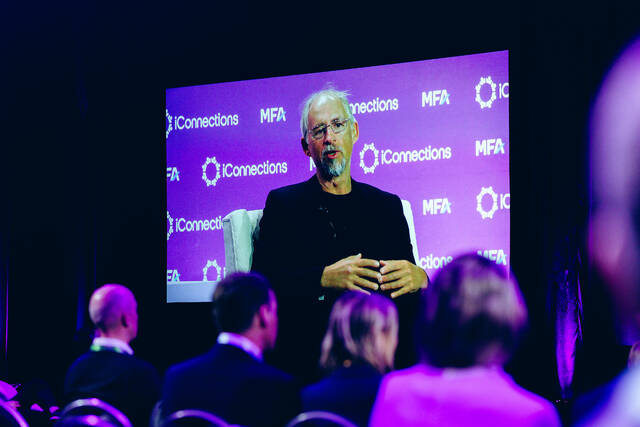
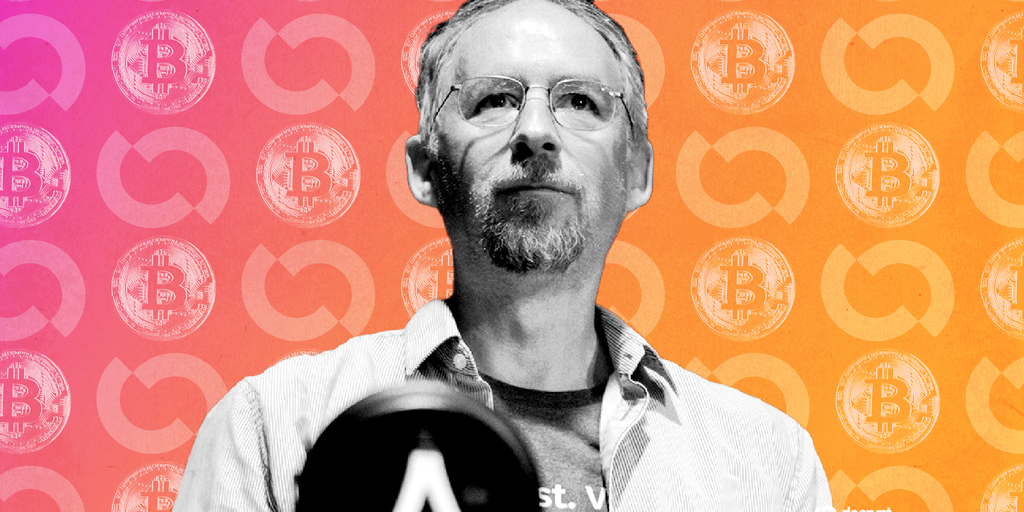
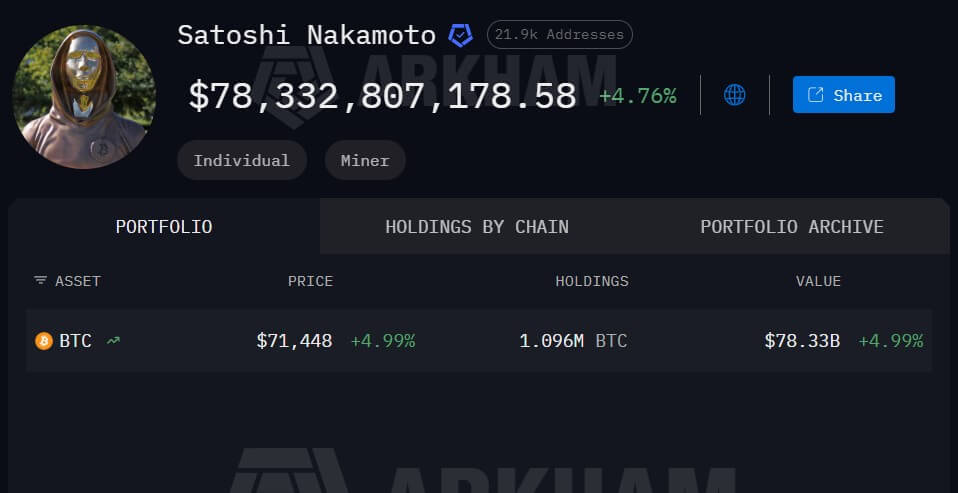
A New York Times investigation by journalist John Carreyrou has identified Adam Back, 55-year-old British cryptographer and CEO of Blockstream, as the most likely candidate for being Satoshi Nakamoto, the pseudonymous creator of Bitcoin. The investigation employed forensic linguistic analysis across 600+ Cypherpunk mailing list contributors, identifying 67 identical hyphenation errors between Back and Nakamoto—compared to 38 for the next-closest candidate. Nakamoto is estimated to hold 1.1 million bitcoins worth approximately $71 billion, potentially making them the world's 26th richest person. Back has strenuously denied these allegations, emphasizing that linguistic similarities are coincidental and that Satoshi's anonymity benefits Bitcoin by positioning it as a mathematical commodity rather than a personality-driven asset.
Market Stability & Seller Implications: Despite the investigation's sensational nature, Bitcoin's price remained relatively stable, rising 4.4% to $71,732.79 on Wednesday—attributed primarily to broader market relief following a U.S.-Iran ceasefire announcement rather than the identity revelation. This stability signals that the cryptocurrency community views Nakamoto's identity as immaterial to Bitcoin's operational integrity, a critical insight for cross-border sellers evaluating crypto payment adoption. The investigation's circumstantial evidence (timeline overlaps, behavioral parallels, linguistic markers) rather than definitive cryptographic proof suggests the mystery remains unresolved, reducing immediate regulatory or market disruption risks.
Crypto Payment Adoption for E-Commerce: For cross-border sellers, this investigation highlights the ongoing debate about cryptocurrency's role in commerce. The fact that Bitcoin has operated independently for 15+ years without requiring founder identification demonstrates the robustness of decentralized payment systems. Approximately 50,000+ cross-border sellers currently accept Bitcoin or stablecoins as payment alternatives to traditional processors, which charge 2.9-3.5% fees. The investigation's emphasis on anonymity benefits—preventing personality-driven volatility—reinforces institutional confidence in crypto payments. Sellers in high-risk regions (Latin America, Southeast Asia, Africa) increasingly view crypto as a hedge against currency devaluation and payment processor restrictions. The SEC disclosure complications mentioned (if Back were Nakamoto holding $71B in Bitcoin) underscore regulatory uncertainty that sellers must monitor when integrating crypto payment gateways.
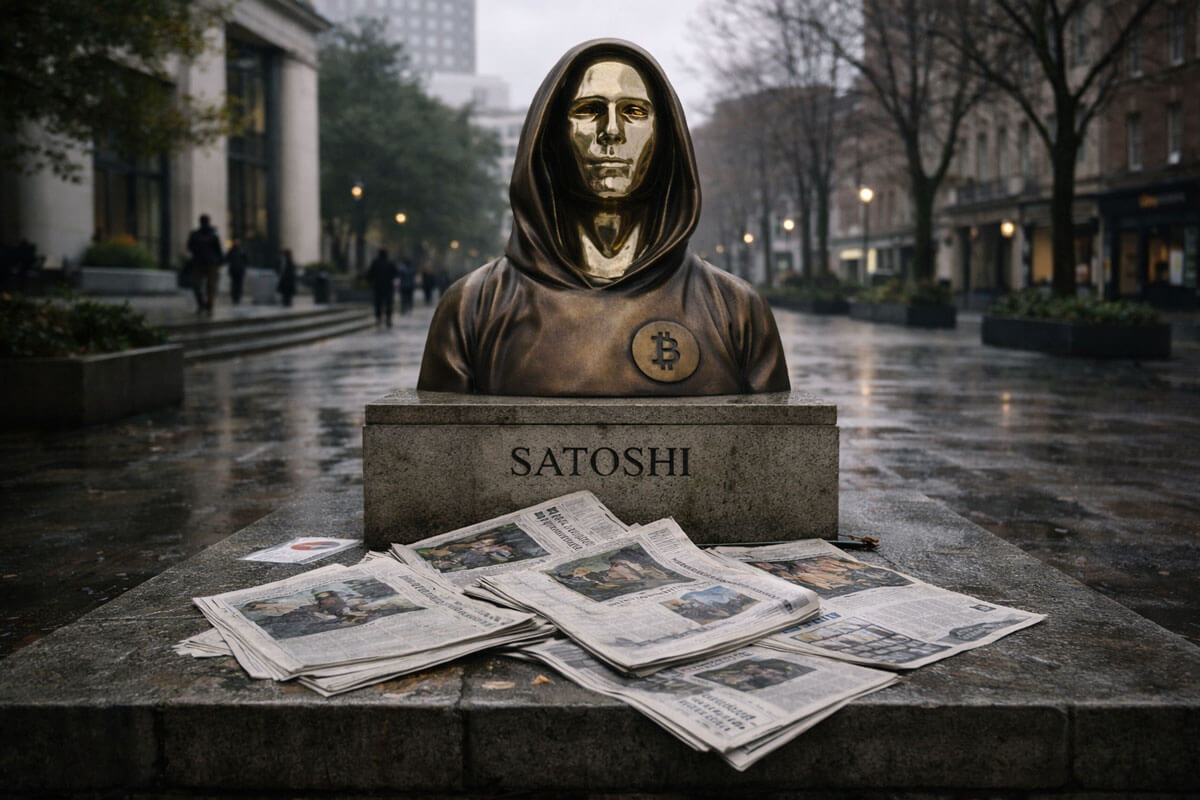
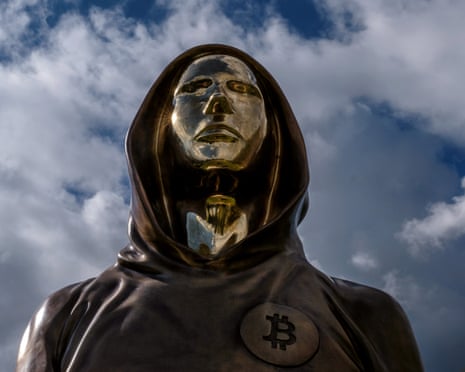
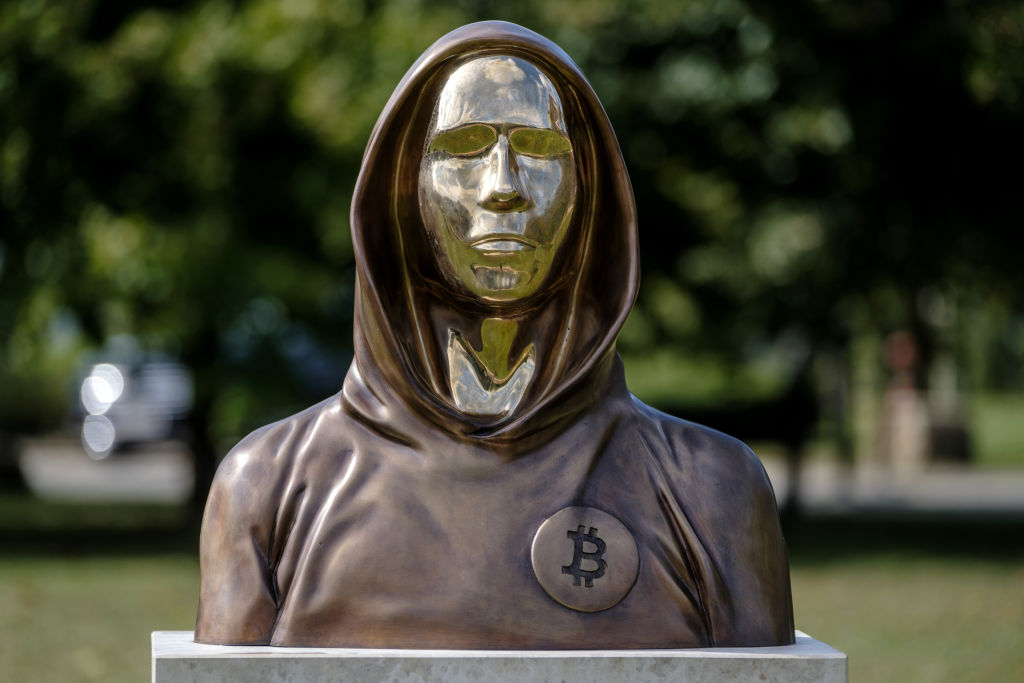
Merchandise & Content Opportunities: The investigation itself generates significant content and merchandise opportunities. Bitcoin documentary interest surged following the 2024 HBO release "Money Electric: The Bitcoin Mystery," which proposed developer Peter Todd as creator. Sellers can capitalize on this sustained interest through: (1) Crypto-themed merchandise (t-shirts, hoodies, collectibles featuring Satoshi imagery or "HODL" messaging)—estimated $200-400M annual market; (2) Educational content products (e-books, courses on Bitcoin history, cryptography basics); (3) Collectible NFTs and digital assets tied to Satoshi identity theories; (4) Niche community products targeting crypto enthusiasts (hardware wallet accessories, mining equipment guides). The investigation's high-profile nature—conducted by Carreyrou, famous for exposing Theranos fraud—lends credibility that drives consumer engagement and merchandise demand.
Questions 8
How does the Satoshi Nakamoto identity investigation affect Bitcoin payment adoption for sellers?
The investigation confirms Bitcoin's operational independence from founder identity, which strengthens confidence in crypto payments for cross-border sellers. Bitcoin's 4.4% price increase following the investigation—despite the sensational revelation—demonstrates market stability and reduced personality-driven volatility. For sellers, this validates crypto payment integration as a reliable alternative to traditional processors charging 2.9-3.5% fees. The investigation's emphasis on anonymity benefits suggests institutional confidence in decentralized systems will continue growing, making crypto adoption increasingly viable for high-risk regions and emerging markets where traditional payment processors face restrictions.
What are the merchandise opportunities created by the Satoshi Nakamoto investigation?
The investigation generates significant demand for crypto-themed merchandise and educational content. The Bitcoin documentary market (HBO's 'Money Electric' and similar productions) drives consumer interest in Satoshi-related collectibles, estimated at $200-400M annually. Sellers can capitalize through: (1) branded merchandise (t-shirts, hoodies, collectible items featuring Satoshi imagery), (2) educational products (e-books, online courses on Bitcoin history and cryptography), (3) digital assets and NFTs tied to identity theories, and (4) niche community products targeting crypto enthusiasts. The investigation's credibility—conducted by Theranos-exposing journalist John Carreyrou—amplifies consumer engagement and merchandise demand across Amazon, Etsy, and specialty crypto retailers.