


Bitcoin Creator Identity Debate Signals Crypto Payment Adoption Risk for E-Commerce Sellers
- New York Times investigation into Satoshi Nakamoto identity creates regulatory uncertainty affecting $71B in Bitcoin holdings and cryptocurrency payment processing for cross-border sellers






/tpg/sources/d37cc3b5-67a9-47da-952d-f1230936f1c9.jpeg)














Overview
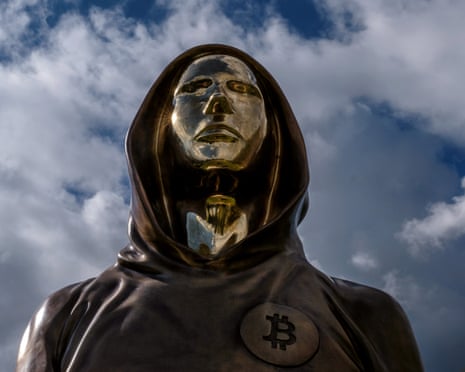
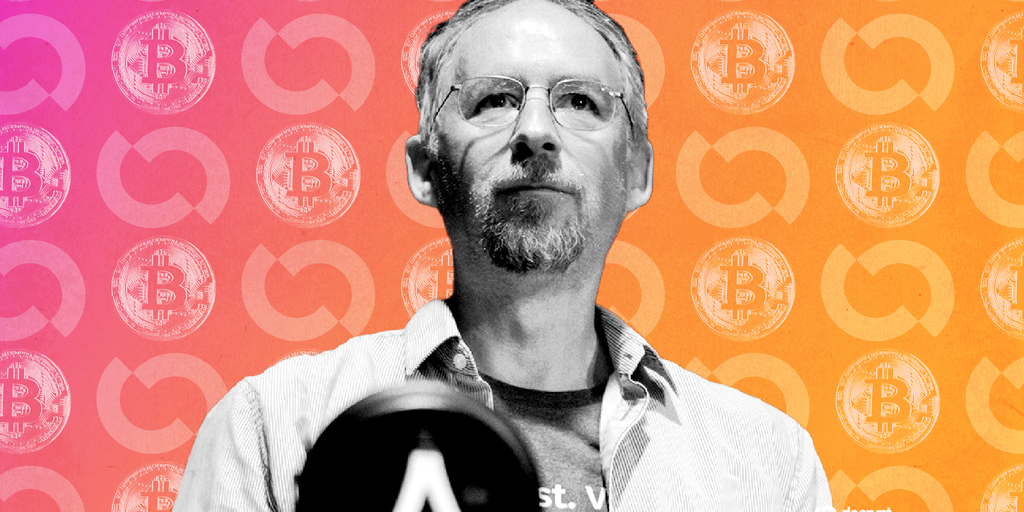
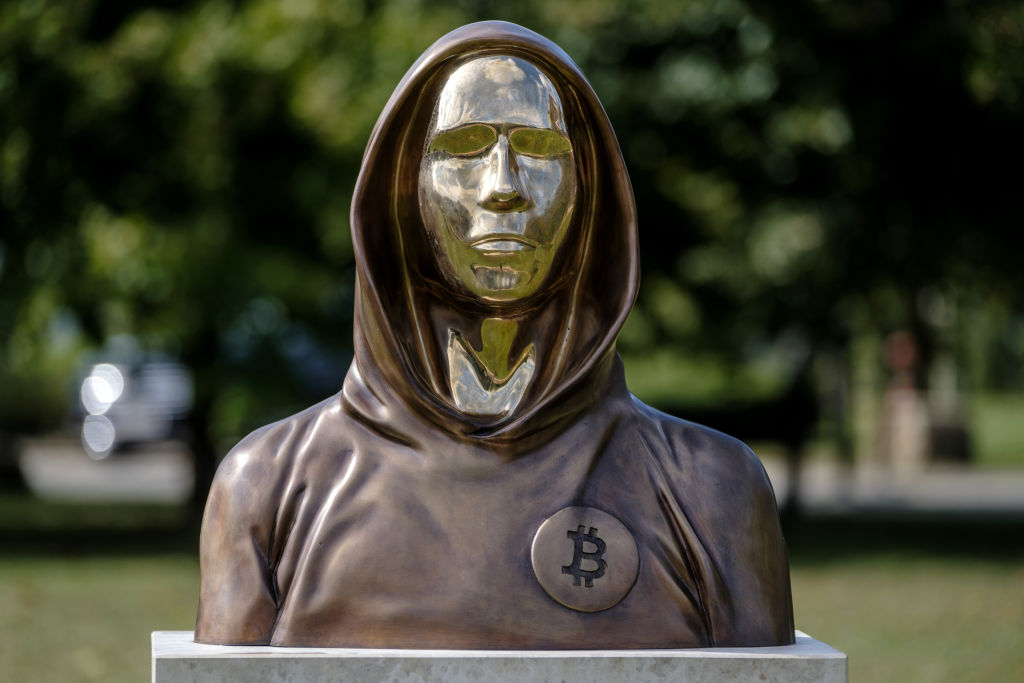
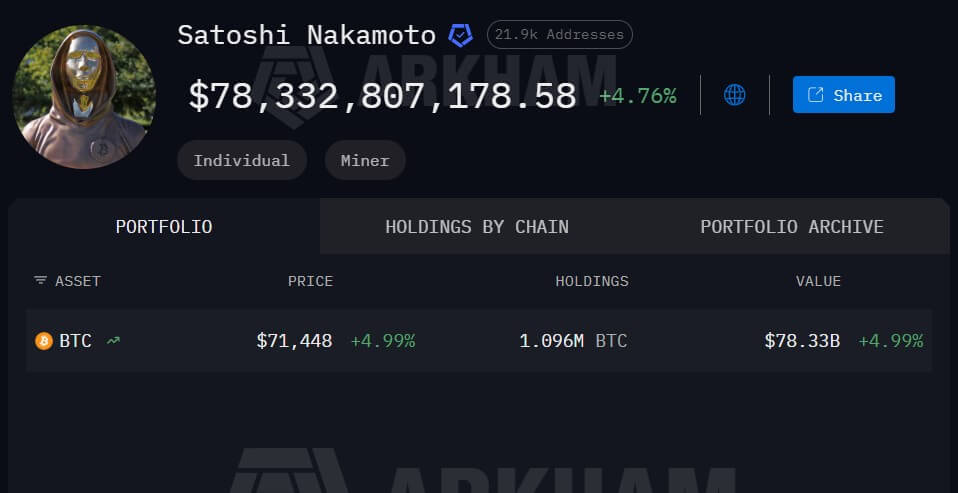
The New York Times investigation by journalist John Carreyrou identifying Blockstream CEO Adam Back as the likely creator of Bitcoin (Satoshi Nakamoto) has significant implications for e-commerce sellers accepting cryptocurrency payments and managing payment processing risk. The investigation, conducted over one year using forensic linguistic analysis, identified 67 identical hyphenation errors between Back and Nakamoto across 600+ Cypherpunk mailing list contributors, with Back emerging as the statistical outlier. Nakamoto's estimated 1.1 million Bitcoin holdings worth approximately $71 billion (potentially making them the world's 26th richest person) underscore the massive financial stakes in this identity question.
Regulatory and Compliance Implications for Sellers: If Back were confirmed as Nakamoto, Securities and Exchange Commission disclosure requirements would apply given his involvement with Blockstream, a bitcoin treasury firm merging with a publicly traded company. This regulatory uncertainty directly impacts sellers using cryptocurrency payment processors like Blockstream's services or accepting Bitcoin payments. The investigation reveals that Back's timeline shows dormancy from the Cryptography mailing list during Satoshi's active period (2008-2011), then re-emergence after Satoshi vanished. When researchers publicly estimated Satoshi's holdings in 2013, Back joined the bitcoin forum that same day—behavioral patterns suggesting potential identity concealment. Within two years, he founded Blockstream and assembled top Bitcoin Core developers, positioning himself as a central figure in cryptocurrency infrastructure.
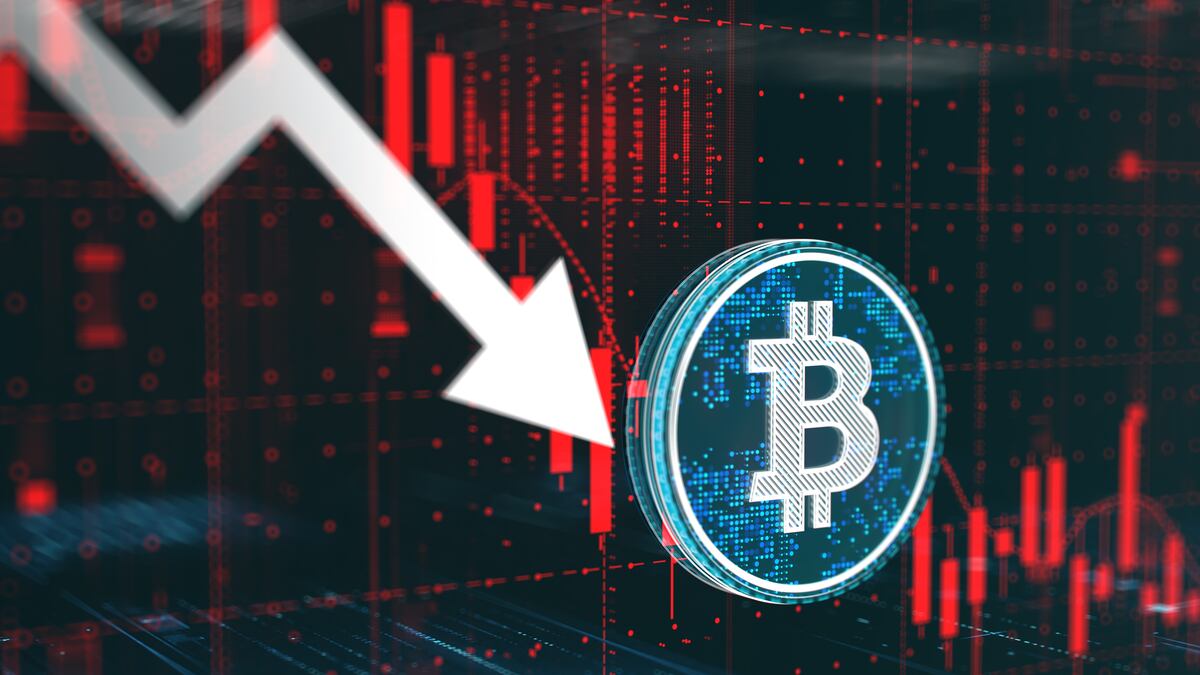
Payment Processing and Market Stability Concerns: Bitcoin's price remained relatively stable following the report, rising 4.4% to $71,732.79 on Wednesday, attributed primarily to broader market relief following a U.S.-Iran ceasefire announcement rather than the identity investigation itself. However, the cryptocurrency community has historically maintained that Nakamoto's identity holds no material financial significance, as Bitcoin has operated independently for over 15 years. Industry experts argue the founder's anonymity may actually benefit investors by preventing personality-driven market volatility. For e-commerce sellers, this stability is critical—cryptocurrency payment volatility directly impacts profit margins on cross-border transactions. The investigation's focus on linguistic analysis and AI-driven pattern matching (comparing hyphenation errors, spelling inconsistencies, and grammatical quirks) demonstrates how forensic investigation techniques are evolving, with implications for seller identity verification and fraud detection systems.
Seller Opportunity in Crypto Payment Infrastructure: Back's denial through multiple channels (X/Twitter, email exchanges, public statements) emphasizes that Satoshi's anonymity benefits Bitcoin by positioning it as a mathematical commodity rather than a personality-driven asset. This philosophical stance directly supports the case for cryptocurrency adoption in e-commerce—sellers can market Bitcoin and blockchain payments as decentralized, identity-agnostic payment solutions. The investigation's inability to produce definitive cryptographic proof (despite circumstantial evidence) highlights the security and privacy advantages of cryptocurrency for cross-border transactions. Sellers operating in regions with currency instability or high payment processing fees can leverage this narrative to justify cryptocurrency payment adoption to customers and investors.
Questions 8
How does the Satoshi Nakamoto identity investigation affect cryptocurrency payment processors used by e-commerce sellers?
The investigation creates regulatory uncertainty for sellers using cryptocurrency payment services like Blockstream. If Adam Back were confirmed as Nakamoto, SEC disclosure requirements would apply to his company, potentially triggering compliance audits of all cryptocurrency payment infrastructure. For sellers currently accepting Bitcoin or blockchain payments, this means monitoring regulatory developments closely and ensuring payment processors maintain proper licensing. The investigation demonstrates that cryptocurrency infrastructure operators face increased scrutiny, which could lead to higher compliance costs (estimated 5-15% increase in processing fees) and longer transaction settlement times as regulatory frameworks evolve.
How does Satoshi's anonymity philosophy impact cryptocurrency adoption in e-commerce?
Back's statement that Satoshi's anonymity benefits Bitcoin by positioning it as a mathematical commodity rather than a personality-driven asset directly supports cryptocurrency adoption arguments for sellers. The investigation reveals that Bitcoin has operated independently for 15+ years without founder involvement, demonstrating that decentralized systems don't require ongoing creator participation. For sellers, this means cryptocurrency payments offer genuine decentralization advantages—transactions don't depend on any single company's reputation or regulatory status. Sellers in regions with unstable currencies or high payment processing fees can market cryptocurrency as a censorship-resistant, identity-agnostic payment solution that reduces dependence on traditional financial infrastructure.