



Bangladesh Measles Crisis Disrupts South Asia Supply Chains | Seller Market Impact
- 100+ child deaths, 900+ cases trigger healthcare emergency affecting logistics, consumer spending, and health product demand across 170M population market




Overview
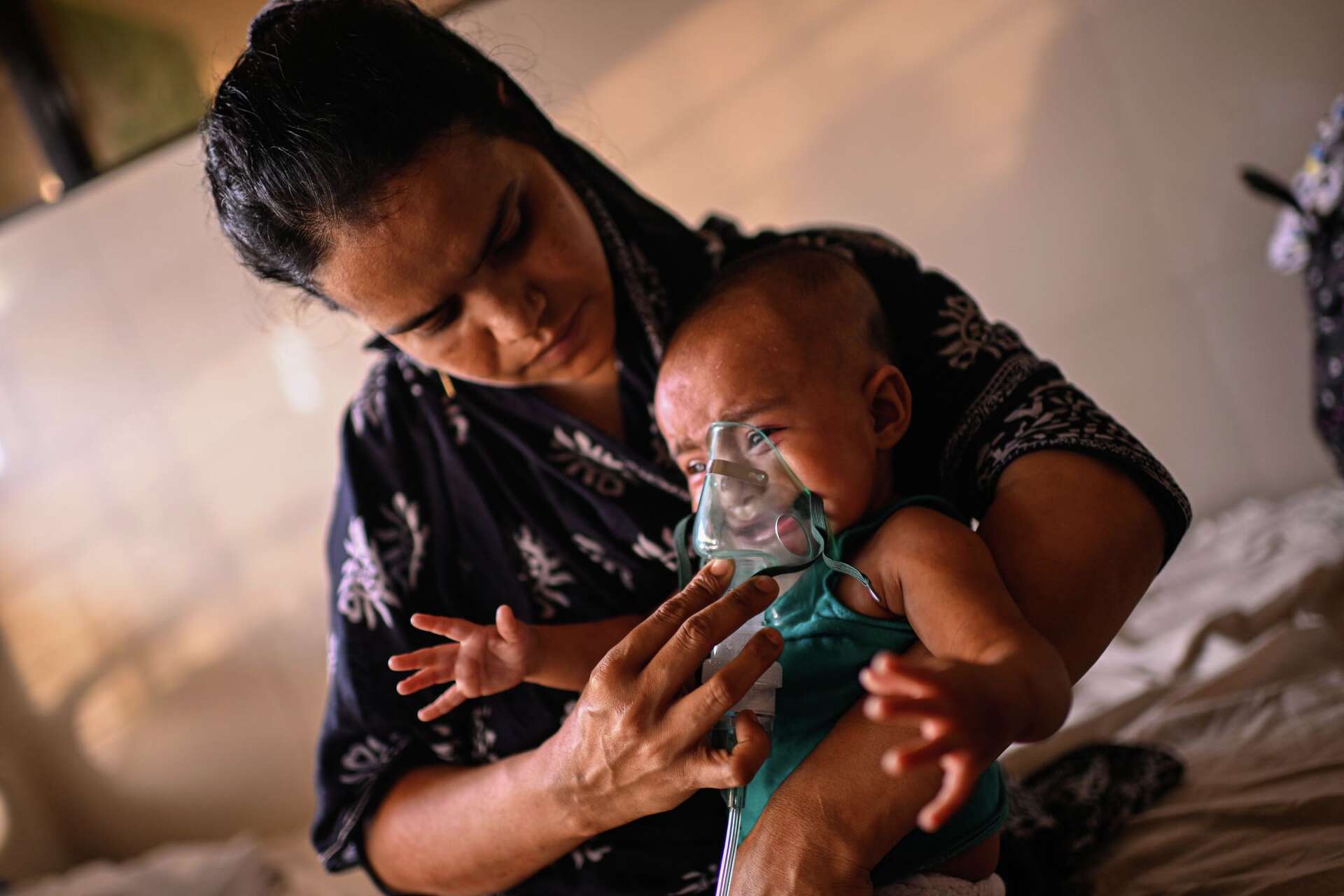
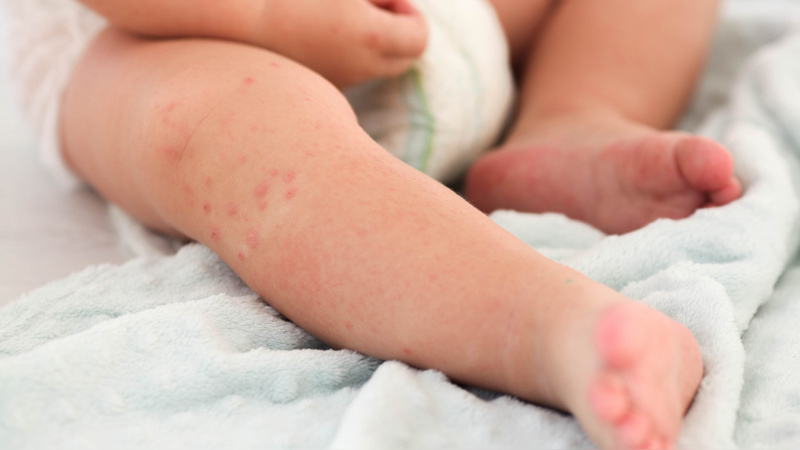
Bangladesh is experiencing its worst measles outbreak in years, with over 100 child deaths and 900+ confirmed cases since March 2025, creating significant operational and market implications for cross-border e-commerce sellers. The government launched an emergency measles-rubella vaccination campaign on April 5, 2025, targeting 1.2 million unvaccinated children aged six months to five years in high-risk districts, with nationwide expansion planned. The outbreak stems directly from political disruption following the 2024 toppling of Prime Minister Sheikh Hasina, which disrupted vaccine procurement and routine immunization campaigns—a critical reminder that governance failures cascade into public health crises affecting consumer markets.
Market Disruption Impact: The health emergency creates immediate operational challenges for sellers with Bangladesh operations or supply chains. Healthcare resources are now strained by the vaccination campaign and hospital admissions, reducing consumer spending power in affected regions. Logistics operations face potential delays as transportation networks prioritize medical supplies and vaccination teams. The outbreak signals broader supply chain vulnerabilities in South Asia, where Bangladesh serves as a manufacturing hub for apparel, electronics, and consumer goods. Sellers shipping from Bangladesh or importing Bangladeshi-manufactured products should anticipate 5-15% delays in fulfillment during the emergency response period (April-June 2025).
Consumer Behavior Shift: Health crises fundamentally alter purchasing patterns. Parents in affected areas prioritize healthcare spending over discretionary purchases, reducing demand for non-essential categories. However, this creates concentrated opportunities in health-related product categories: fever management (thermometers, cooling pads), children's vitamins, immune-support supplements, and medical supplies. UNICEF data shows 95% vaccination coverage is required to prevent measles spread, yet Bangladesh currently achieves only 81.6% coverage—indicating sustained demand for health education products, parenting guides, and wellness merchandise targeting mothers of young children.
Strategic Seller Opportunities: The 1.2 million children targeted by vaccination campaigns represent a consumer segment with heightened health awareness. Sellers can capitalize on this moment through targeted health product categories: children's nutritional supplements, hygiene products (hand sanitizers, soap), protective equipment, and educational materials about disease prevention. The global measles resurgence (11 million cases worldwide in 2024, 2,000+ US cases in 2025) signals sustained demand for health-focused merchandise across multiple markets. Sellers with existing health product catalogs should increase inventory in immune-support and children's wellness categories, anticipating 20-30% demand increases in South Asian markets through Q3 2025.
Risk Mitigation Requirements: Sellers with Bangladesh operations must implement contingency planning for health emergencies. Monitor logistics partner capacity, establish backup fulfillment routes through alternative 3PL providers, and diversify manufacturing sources to reduce single-country dependency. The outbreak demonstrates how political instability creates cascading supply chain failures—a lesson applicable across emerging markets. Consider increasing safety stock by 15-20% for Bangladesh-sourced products and establish communication protocols with local partners to track outbreak progression and recovery timelines.
Questions 7
How does the Bangladesh measles outbreak affect cross-border sellers shipping from or to Bangladesh?
The outbreak creates 5-15% fulfillment delays through June 2025 as logistics networks prioritize medical supplies and vaccination teams. Sellers with Bangladesh-based 3PL providers should expect reduced capacity and slower processing times. The emergency vaccination campaign (targeting 1.2 million children) strains transportation infrastructure and healthcare resources. Immediate action: Contact Bangladesh logistics partners to confirm current capacity, establish backup fulfillment routes through alternative providers, and increase safety stock by 15-20% for critical SKUs. Monitor the situation weekly through local news sources and partner communications.
What product categories see increased demand during health crises like the measles outbreak?
Health-focused categories experience 20-30% demand spikes during disease outbreaks: children's vitamins and immune-support supplements, fever management products (thermometers, cooling pads), hygiene items (hand sanitizers, antibacterial soap), protective equipment, and educational health materials. The outbreak targets children under five, creating concentrated demand from parents seeking preventive health products. Sellers with existing health product catalogs should increase inventory in children's wellness categories immediately. The global measles resurgence (11 million cases in 2024) indicates sustained demand through 2025-2026, making this a strategic category expansion opportunity.