





Nintendo's Strategic Pivot: Metroid Prime 4 Reveals Next-Generation Gaming Ecosystem
- Platform Transition Dynamics Reshape Nintendo's Market Positioning for Hardcore Gamers








Overview
Nintendo's latest Metroid Prime 4 release signals a sophisticated strategic maneuver in the evolving gaming platform landscape, revealing deeper market transformation beyond a simple game launch. The UK gaming charts expose a nuanced narrative of platform transition, with 83% of Metroid Prime 4 sales occurring on the Switch 2 while maintaining a stable market reception.
Platform Fragmentation as Strategic Opportunity: The game's performance demonstrates Nintendo's calculated approach to generational hardware migration. Despite a marginal 15% decline in physical sales compared to Metroid Dread, the release strategically bridges original and new Switch platforms. This approach allows Nintendo to maintain engagement with existing user bases while gradually steering consumers toward the next-generation ecosystem.
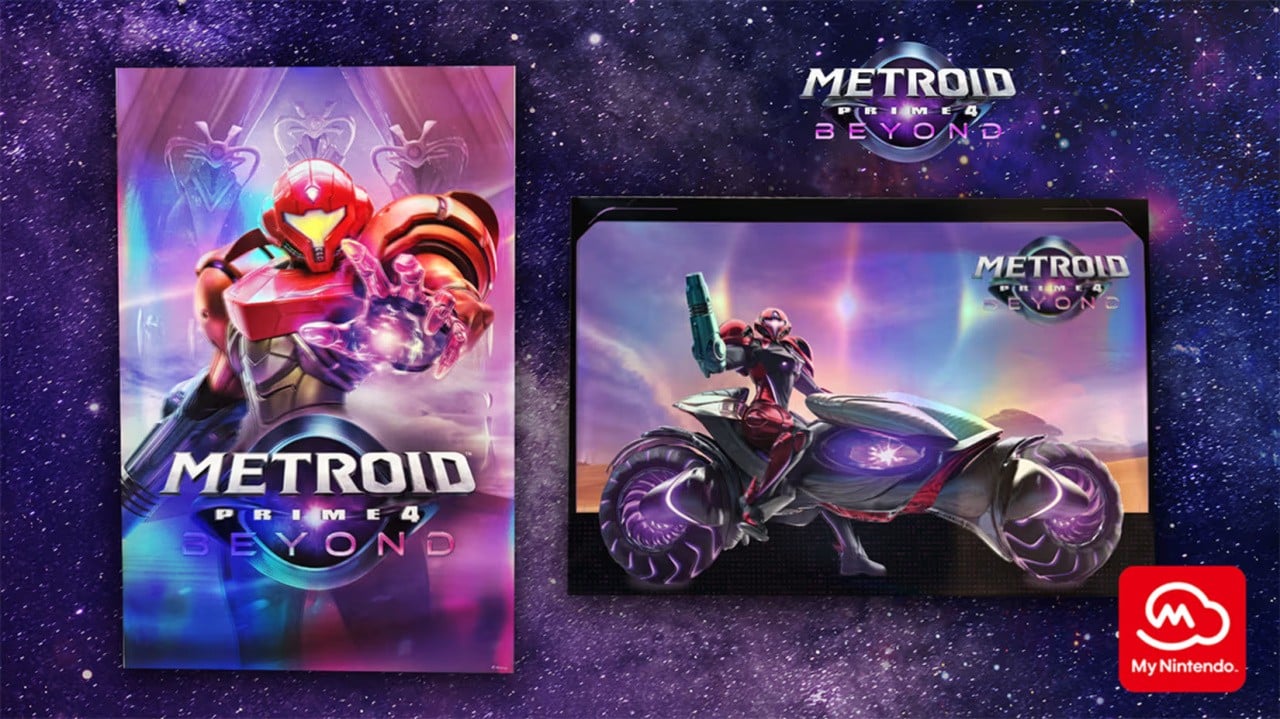
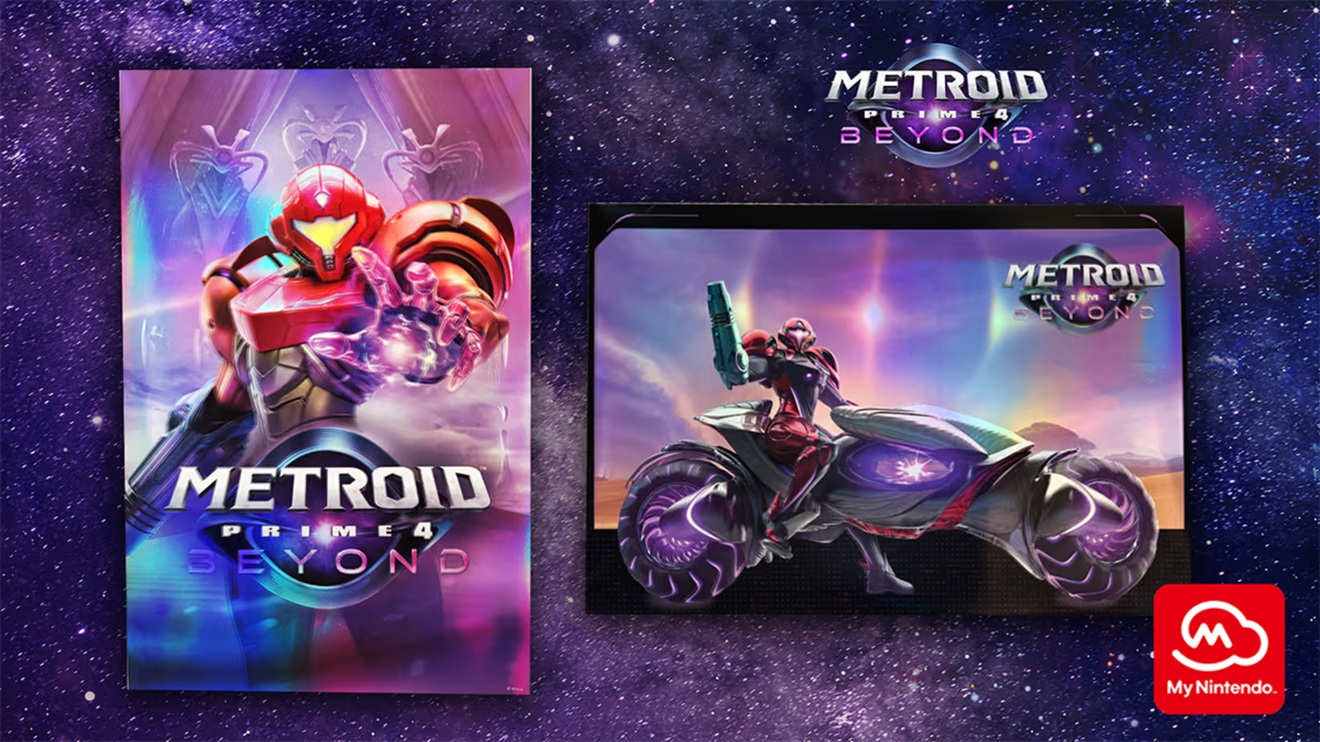
Merchandise and Loyalty Ecosystem Expansion: Beyond the game itself, Nintendo's My Nintendo Store reward strategy reveals a sophisticated multi-channel engagement model. The holographic poster set and region-specific digital rewards represent more than mere merchandise—they're precision-engineered tools for fan retention and platform stickiness. By offering exclusive, collectible items priced at 1,000 Platinum Points, Nintendo creates additional value propositions that extend the game's economic and emotional footprint.
The broader gaming charts reinforce this strategic complexity. With titles like Mario Kart World, EA Sports FC 26, and Metroid Prime 4 representing diverse genres, Nintendo demonstrates an ability to maintain a robust, multi-segment market presence. The gradual Switch 2 adoption, coupled with continued original Switch relevance, suggests a deliberate, consumer-friendly transition strategy that minimizes market disruption.
Strategic Implications: For game developers and platform strategists, Metroid Prime 4 offers a masterclass in generational platform management. Nintendo is not just launching a game, but orchestrating a carefully choreographed ecosystem evolution that respects existing user investments while incrementally introducing next-generation capabilities.
Questions 3
How is Nintendo managing the transition between original Switch and Switch 2?
Nintendo is executing a gradual, consumer-friendly transition by maintaining game compatibility across platforms. Metroid Prime 4's sales split (83% Switch 2, 17% original Switch) demonstrates a strategic approach that allows existing users to feel supported while incrementally introducing next-generation hardware.
What role do merchandise rewards play in Nintendo's strategy?
Merchandise rewards like the holographic poster set serve multiple strategic purposes: they enhance fan engagement, create additional revenue streams, and reinforce brand loyalty. By offering exclusive collectibles through the My Nintendo Store, Nintendo transforms game launches into broader ecosystem experiences.