



Strait of Hormuz Toll Crisis | Critical Shipping Cost Impact for Cross-Border Sellers
- 20% of global oil supply at risk; maritime shipping costs could surge 8-15% for sellers; 90% traffic reduction creates 2-week supply chain delays



)















Overview
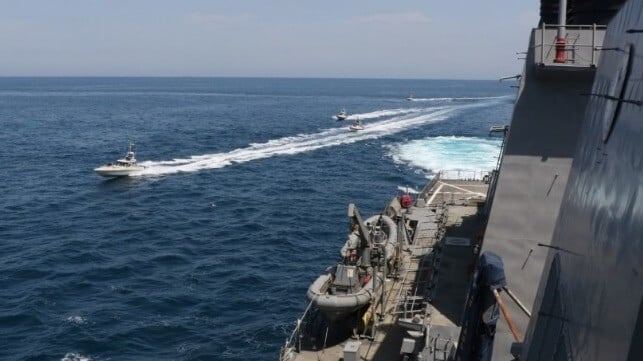
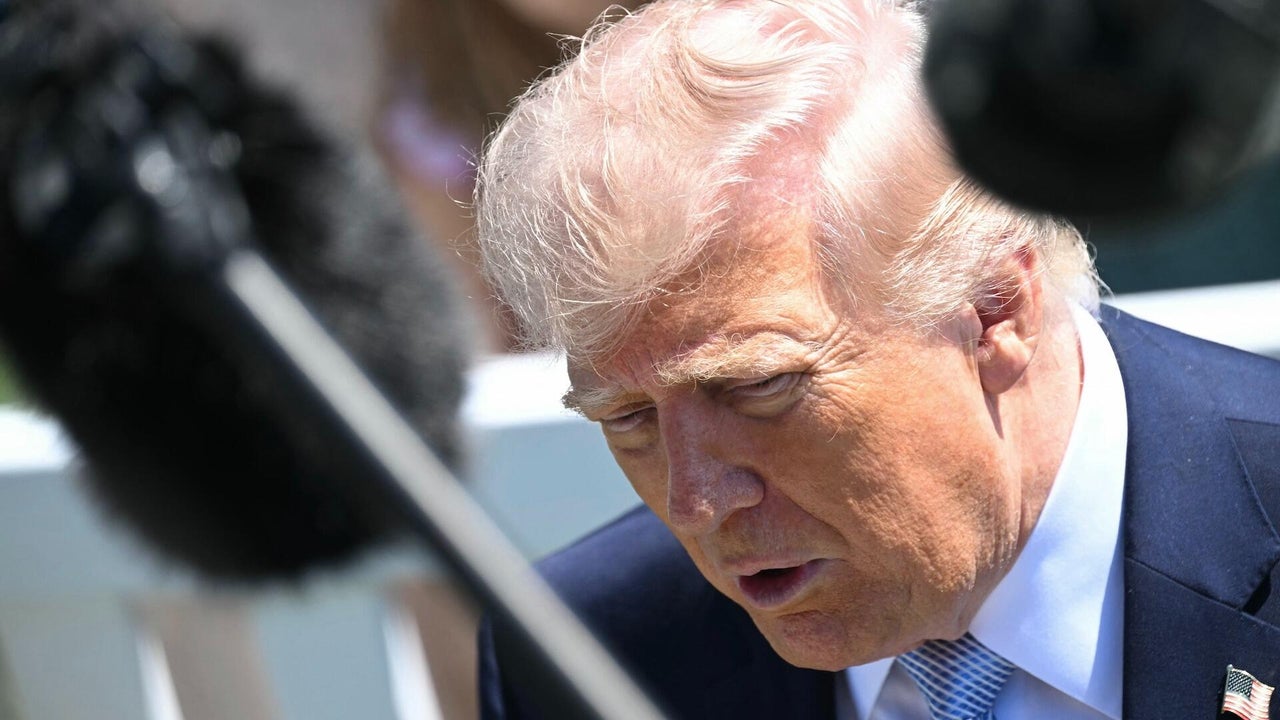
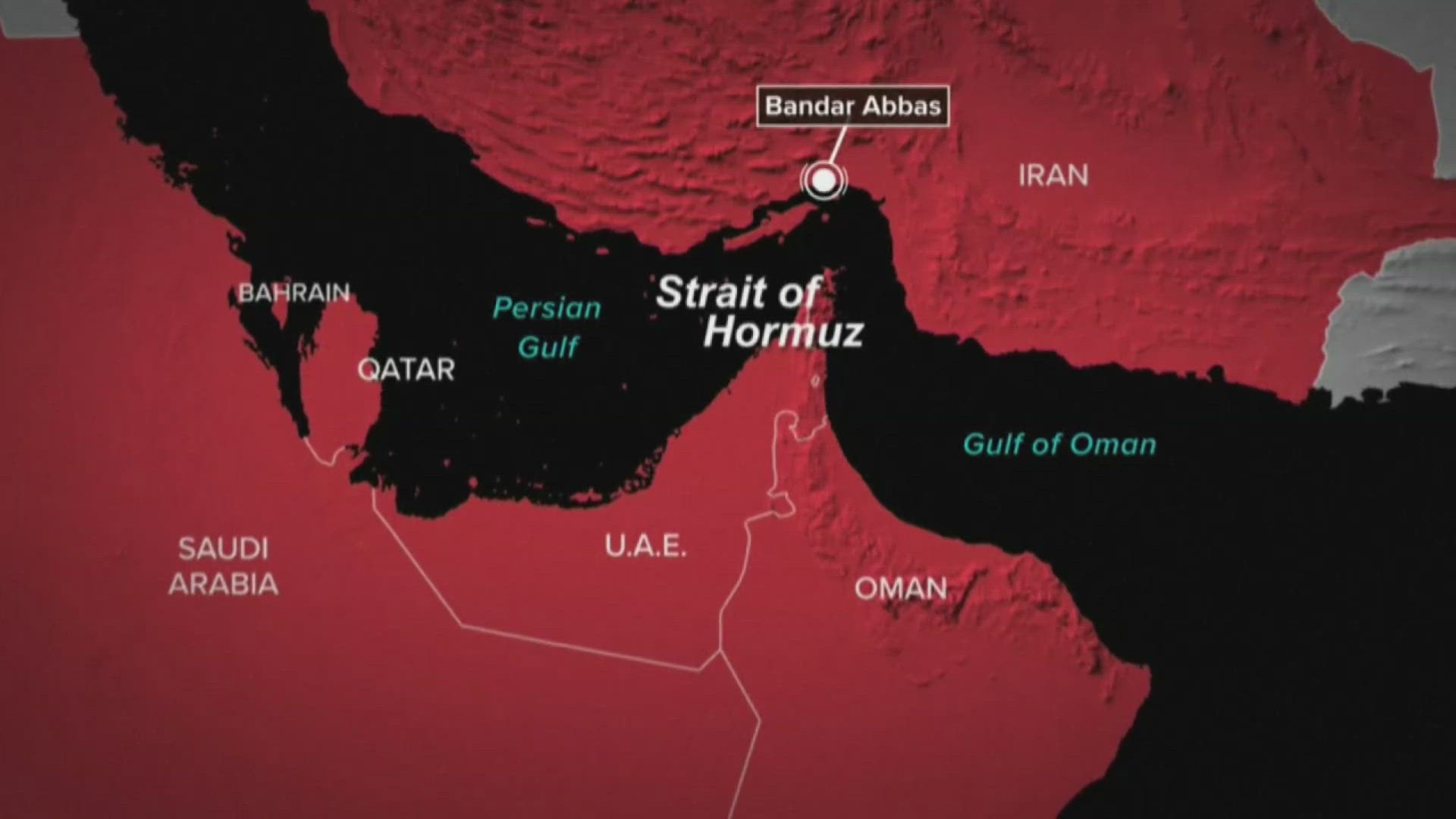
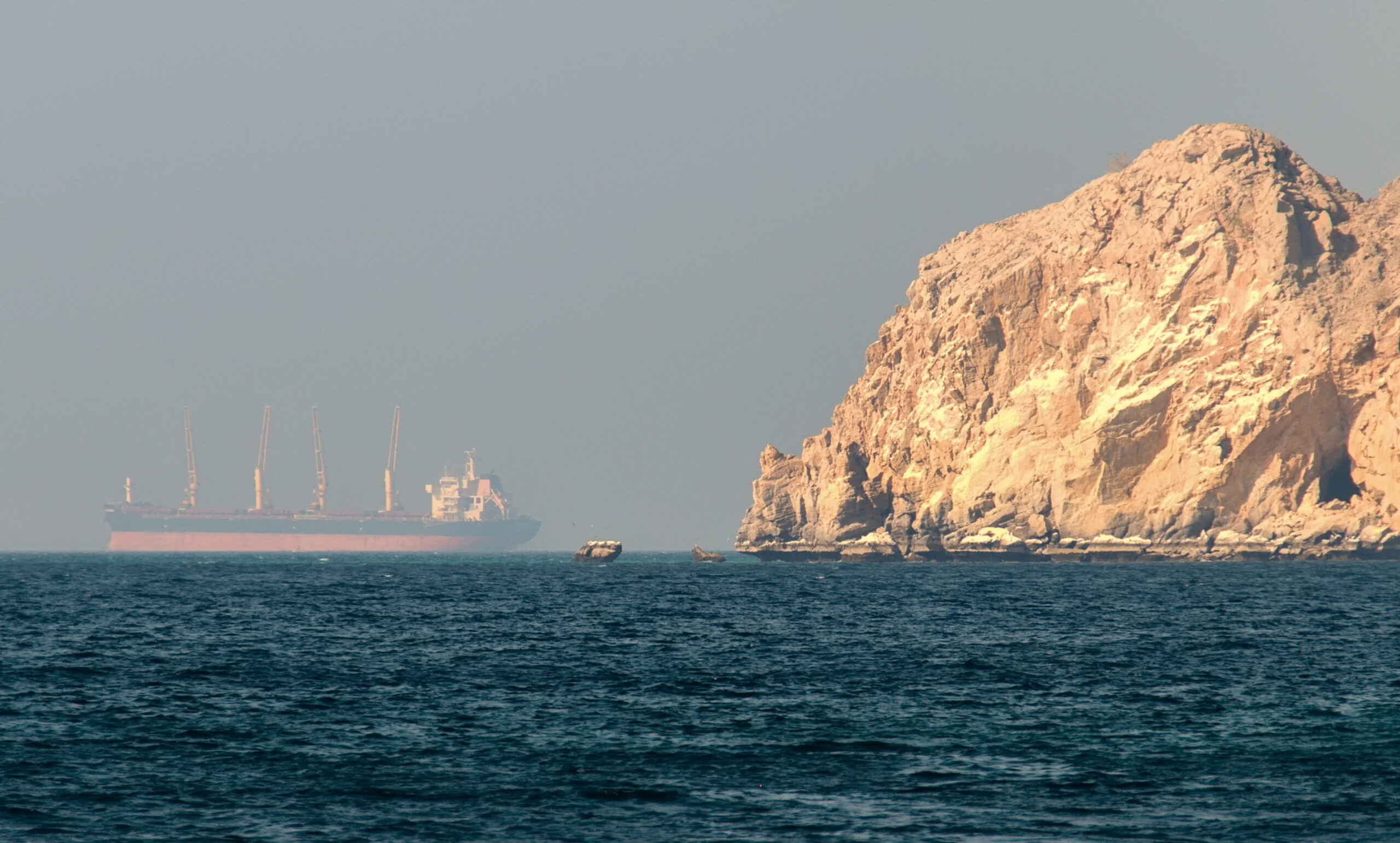
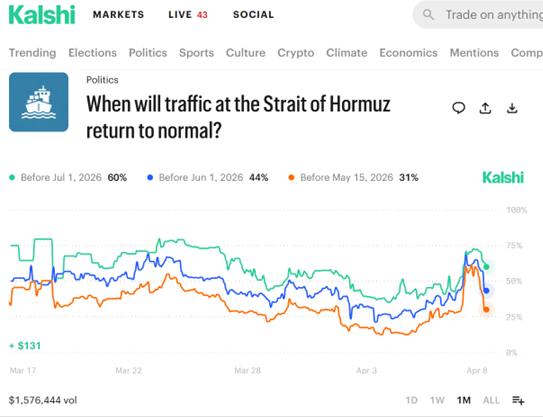
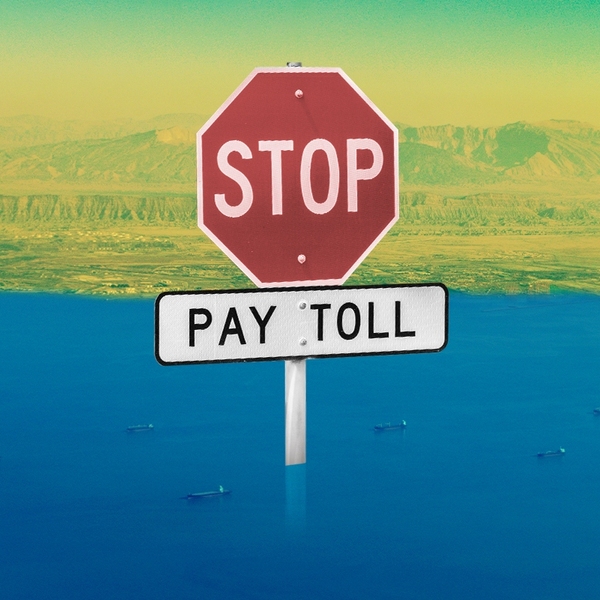
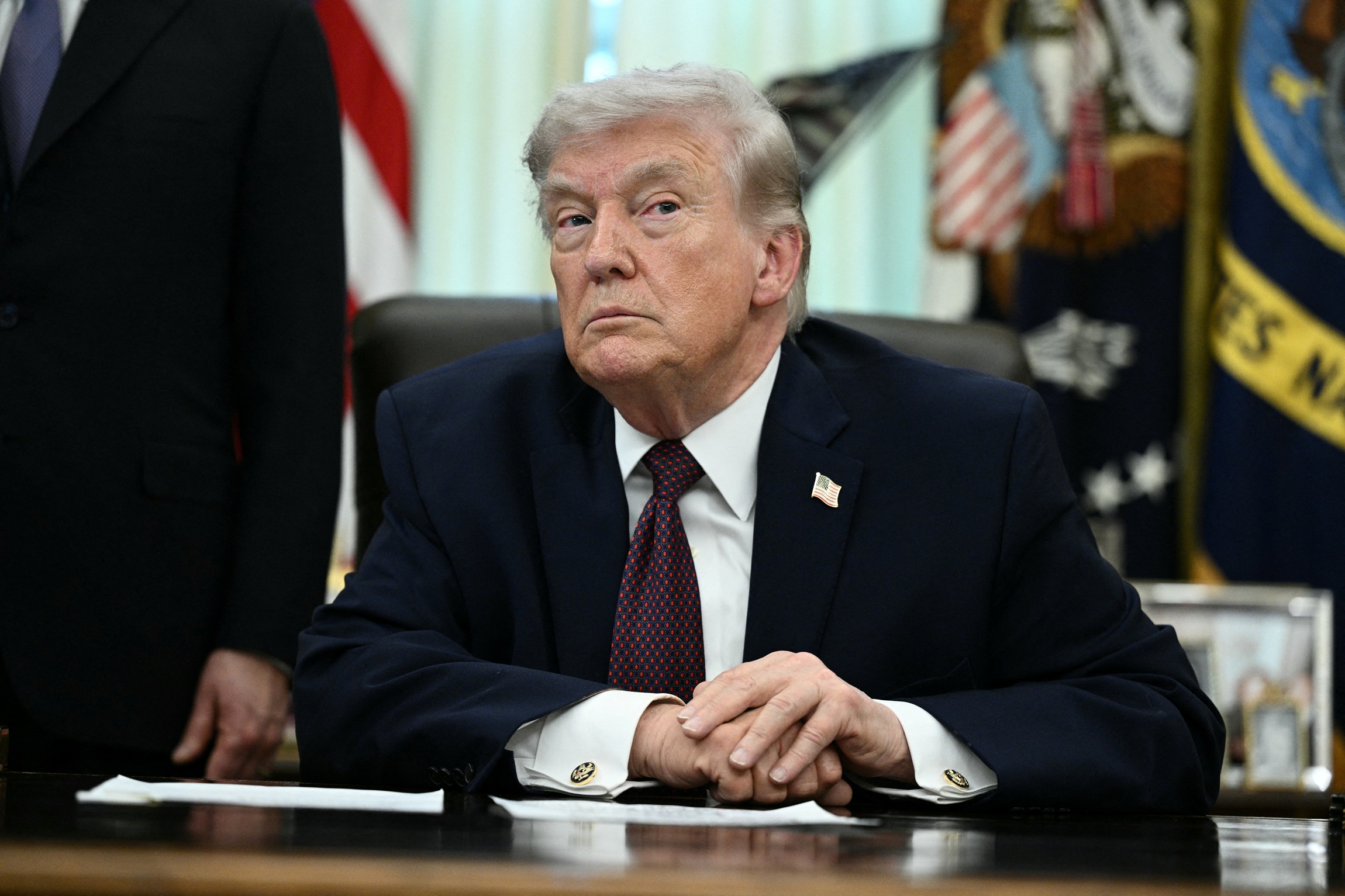
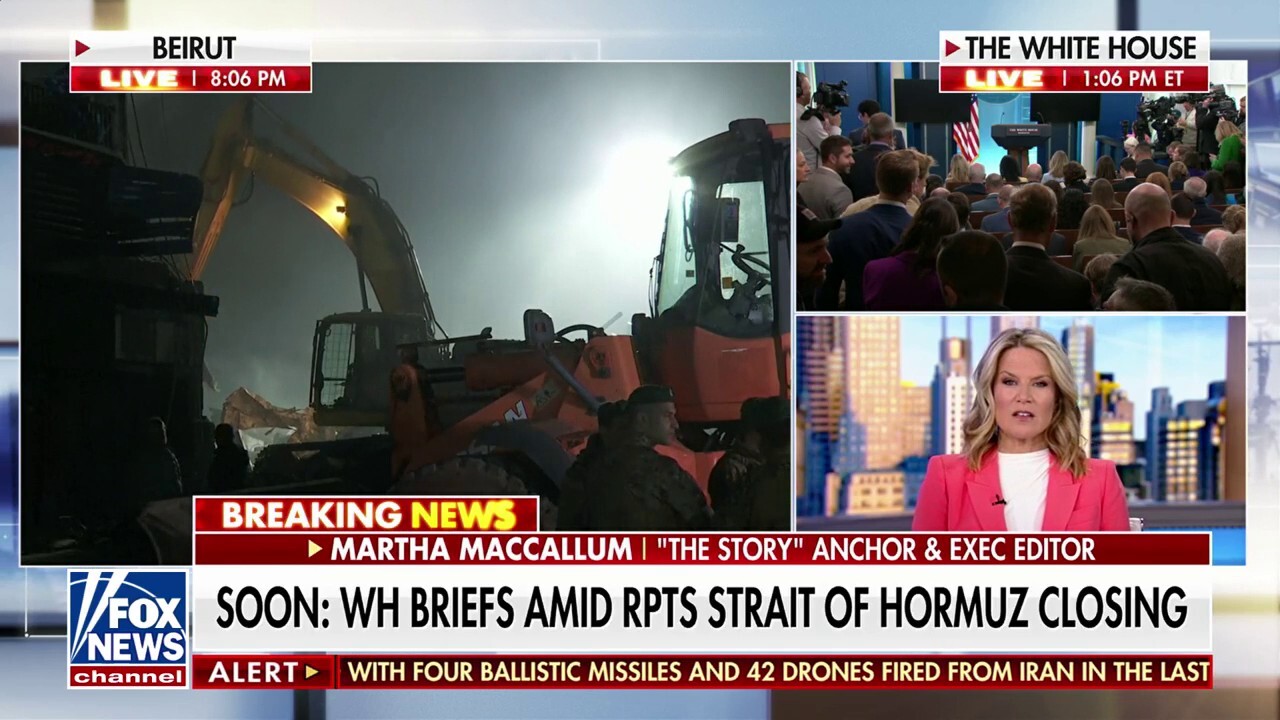
The Strait of Hormuz toll proposal represents a critical geopolitical disruption affecting cross-border e-commerce logistics costs and supply chain timelines. Following a two-week ceasefire agreement between the U.S. and Iran, President Trump announced consideration of a joint venture toll system for the strategically vital waterway through which approximately 20% of the world's oil supply transits annually. The White House subsequently demanded the strait remain open "without limitation, including tolls," directly contradicting Iran's reported plan to charge cryptocurrency-based tolls on all vessel passages. This policy uncertainty creates immediate operational challenges for cross-border sellers: MarineTraffic data shows current traffic volumes remain 90% below normal (only 2 bulk carriers transiting overnight versus pre-war average of 100-120 daily vessels), with shipping companies like Maersk citing lack of Iranian authority contact and safety concerns preventing normal operations resumption.
For cross-border e-commerce sellers, this translates to quantifiable cost pressures and timeline risks. Sellers sourcing from Asia-Pacific regions or exporting to Middle Eastern markets face 2-4 week supply chain delays as the maritime backlog clears. Shipping costs through the Strait—a critical chokepoint for containerized goods, electronics, textiles, and machinery—typically represent 8-12% of landed costs for sellers using ocean freight. Any toll implementation (whether unilateral Iranian or joint U.S.-Iran venture) would add 2-5% additional surcharges per container, compressing margins by $200-600 per 40-foot container depending on product category. The ceasefire remains "fragile" according to Vice President Vance, with negotiations resuming Saturday in Islamabad led by JD Vance, Steve Witkoff, and Jared Kushner. Trump's Truth Social post indicated U.S. support for clearing the traffic backlog, stating "Big money will be made" during reconstruction—signaling potential policy shifts favoring maritime commerce normalization.
Strategic seller implications vary by sourcing geography and product category. Sellers importing electronics, machinery (HS codes 8471-8544), textiles (HS 5208-6310), and chemicals (HS 2701-2930) from India, Vietnam, and Southeast Asia face the highest exposure, as these regions depend heavily on Strait transit for U.S. and European market access. Sellers with inventory in transit through the Strait face potential 14-21 day delays, creating stockout risks for fast-moving categories (apparel, consumer electronics, home goods). Conversely, sellers with pre-positioned inventory in U.S. or European fulfillment centers gain competitive advantage during the supply chain disruption window. The cryptocurrency toll proposal (if implemented) introduces additional compliance complexity—sellers would need to establish crypto payment capabilities or work through freight forwarders managing toll settlements, adding 1-2% operational overhead. Immediate actions include: (1) reviewing inventory-in-transit status by March 31, 2025; (2) evaluating alternative sourcing from Mexico, Central America, or nearshoring to reduce Strait dependency; (3) adjusting pricing to reflect potential 3-5% shipping cost increases; (4) monitoring negotiations through April 5 deadline when ceasefire terms expire.
Questions 8
How much will Strait of Hormuz tolls increase shipping costs for cross-border sellers?
If implemented, toll systems could add 2-5% to ocean freight costs per container, translating to $200-600 additional charges per 40-foot container depending on product category and weight. Current shipping costs through the Strait typically represent 8-12% of landed costs for Asia-Pacific imports. The White House demands the strait remain open "without limitation, including tolls," but Iran's ceasefire terms stipulate cryptocurrency toll payments for vessel passage. Sellers should model 3-5% total shipping cost increases and adjust pricing accordingly by March 31, 2025, before negotiations conclude.
Which product categories face the highest shipping cost impact from Strait disruptions?
Electronics (HS 8471-8544), machinery (HS 8401-8487), textiles (HS 5208-6310), and chemicals (HS 2701-2930) sourced from Asia-Pacific regions face maximum exposure, as these categories depend on Strait transit for U.S./European market access. MarineTraffic data shows current traffic remains 90% below normal with only 2 bulk carriers transiting daily versus 100-120 pre-war average. Sellers in high-volume, low-margin categories (apparel, consumer goods) face margin compression of 2-4%, while specialty/premium categories can absorb costs through pricing adjustments. Immediate inventory review by March 31 is critical to identify at-risk shipments.