
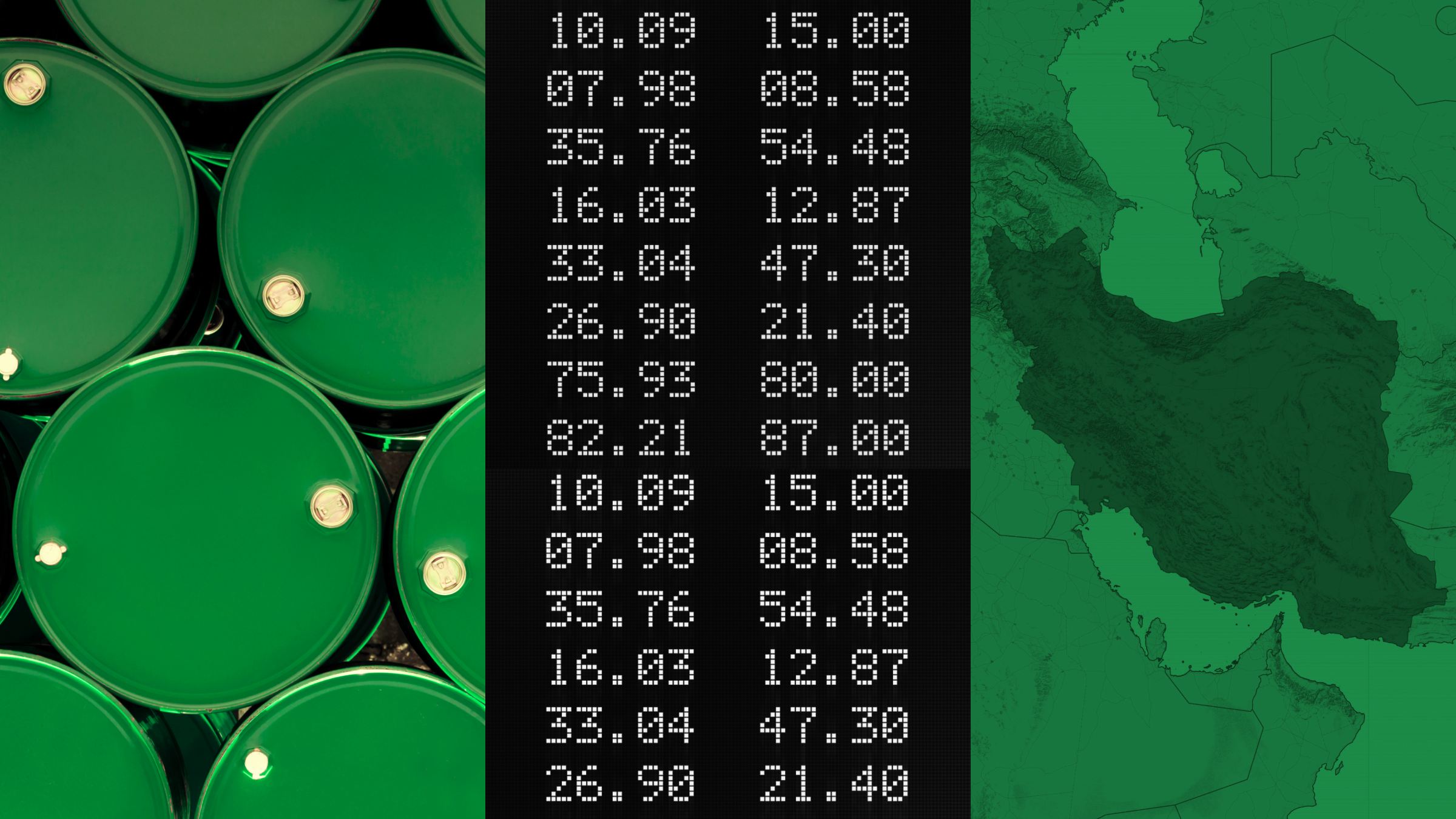




Geopolitical Oil Crisis Drives Shipping Costs Up 15-25% | Cross-Border Sellers Face 2-6 Month Logistics Headwinds
- Iran-Israel conflict disrupts 20% of global oil transit; Strait of Hormuz tolls add $1-2M per tanker; FBA and 3PL shipping costs rise 8-15% through Q2 2025 for sellers importing from Asia















Overview
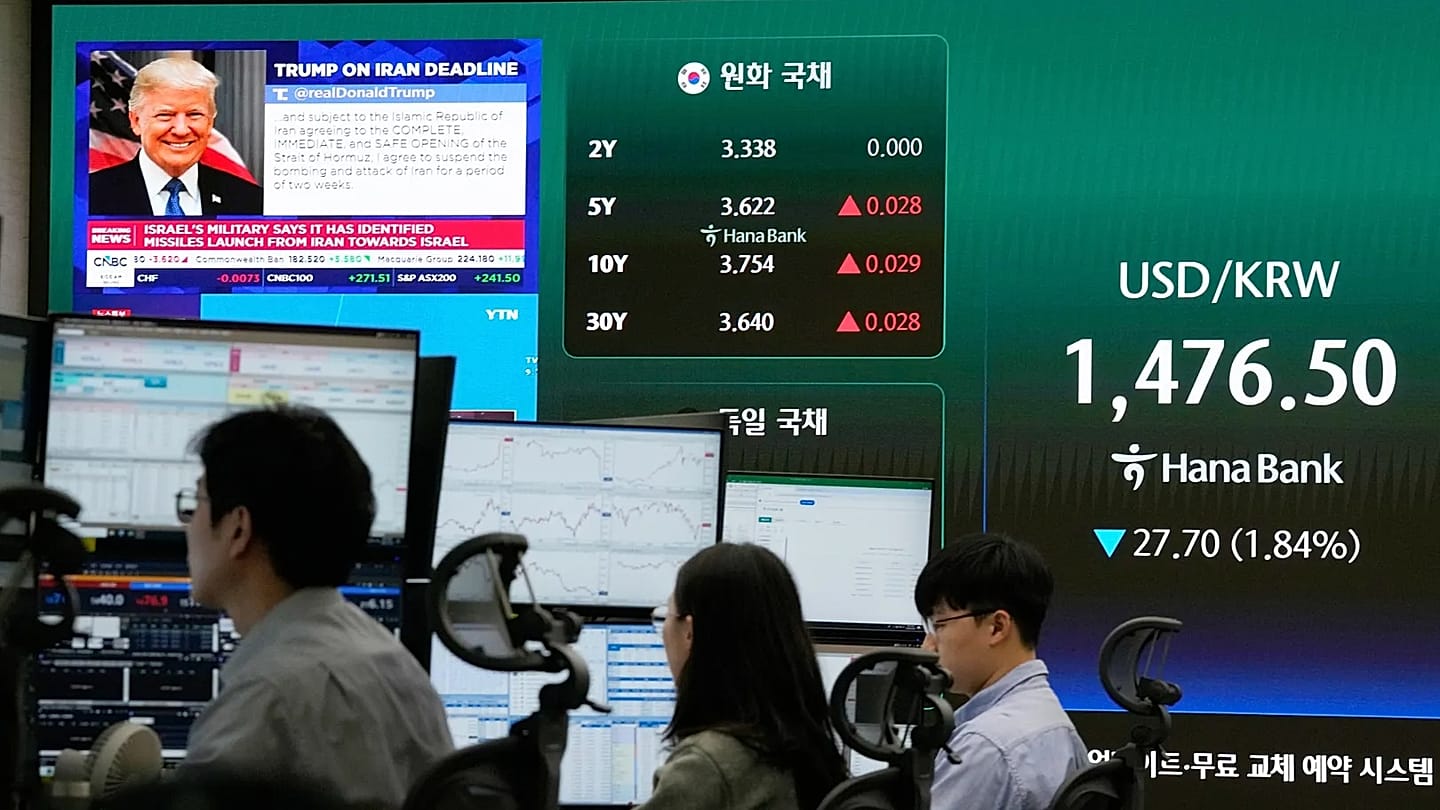
The Iran-Israel ceasefire and Strait of Hormuz reopening uncertainty are creating a critical logistics cost shock for cross-border e-commerce sellers. While crude oil prices have plunged following ceasefire announcements, gasoline and diesel prices—which directly impact shipping costs—will decline much more slowly, with analysts projecting 1-2 weeks for modest decreases and months to return to pre-war levels below $3.00 per gallon. The national average gas price surged to $4.16 per gallon since the conflict began February 27, representing a $1.18 increase from pre-war levels.
For Amazon FBA sellers and 3PL logistics providers, this creates immediate cost pressures. Shipping costs from Asia-Pacific manufacturing hubs through the Strait of Hormuz—which handles 20% of global oil transit—face compounding headwinds. The Persian Gulf infrastructure damage has shut down an estimated 7.5 million barrels per day of crude production across Saudi Arabia, Kuwait, UAE, Qatar, and Bahrain, constraining supply recovery. More critically, Iran's potential transit tolls of $1-2 million per tanker will be passed downstream to shipping companies, increasing container costs by 8-15% for sellers importing inventory. This asymmetry—where fuel prices "go up like a rocket and come down like a feather," per analyst Tom Kloza—means sellers locked into Q1-Q2 shipping contracts face 2-6 months of elevated costs before relief materializes.
The operational impact varies by seller segment. Small sellers (under 500 units/month) importing from China, Vietnam, or India face immediate margin compression of 5-8% on products with thin margins (electronics, home goods, apparel). Mid-market sellers (500-5,000 units/month) should expect FBA inbound shipping costs to rise $0.50-1.50 per unit through Q2 2025. Large sellers with pre-negotiated 3PL contracts may absorb costs through existing agreements, but contract renewals in Q2-Q3 will reflect elevated fuel surcharges. The Strait of Hormuz reopening remains uncertain—Iranian media reports Iran closed it again following Israeli attacks on Hezbollah in Lebanon, creating hesitancy among shipping companies about safe passage and confidence restoration timelines.
Immediate seller actions: Review current shipping contracts and lock in rates before Q2 renewals; evaluate inventory velocity to reduce holding periods; consider shifting 15-20% of inventory to US-based 3PL providers to bypass Hormuz transit; monitor fuel surcharge clauses in logistics agreements; and adjust product pricing 3-5% upward for categories with high shipping-to-COGS ratios before Q2 peak season.
Questions 8
How much will my Amazon FBA shipping costs increase due to the Strait of Hormuz disruption?
FBA inbound shipping costs from Asia-Pacific are rising 8-15% through Q2 2025 due to elevated fuel prices and potential $1-2M per tanker transit tolls through the Strait of Hormuz. Small sellers importing 500+ units monthly should expect $0.50-1.50 per unit cost increases on average. The news reports that gasoline prices surged to $4.16 per gallon (up $1.18 from pre-war levels), and while crude prices have fallen, retail fuel costs will take 1-2 weeks to decline modestly and months to return to pre-war levels. Sellers should lock in shipping rates immediately before Q2 contract renewals, as fuel surcharge clauses will reflect the elevated cost environment through mid-2025.
Should I shift inventory to US-based 3PL providers to avoid Hormuz shipping costs?
Yes, shifting 15-20% of inventory to US-based 3PL providers is strategically sound for sellers importing from Asia. The Strait of Hormuz handles 20% of global oil transit, and its reopening remains uncertain—Iranian media reports Iran closed it again following Israeli attacks on Hezbollah in Lebanon. Shipping companies face hesitancy about safe passage and potential $2M transit tolls, creating 2-6 month delays in cost normalization. US-based 3PL providers eliminate Hormuz transit exposure and reduce fuel surcharge volatility. This strategy works best for sellers with inventory velocity above 2-3 turns per month, as holding costs in US warehouses offset shipping savings for slower-moving SKUs.