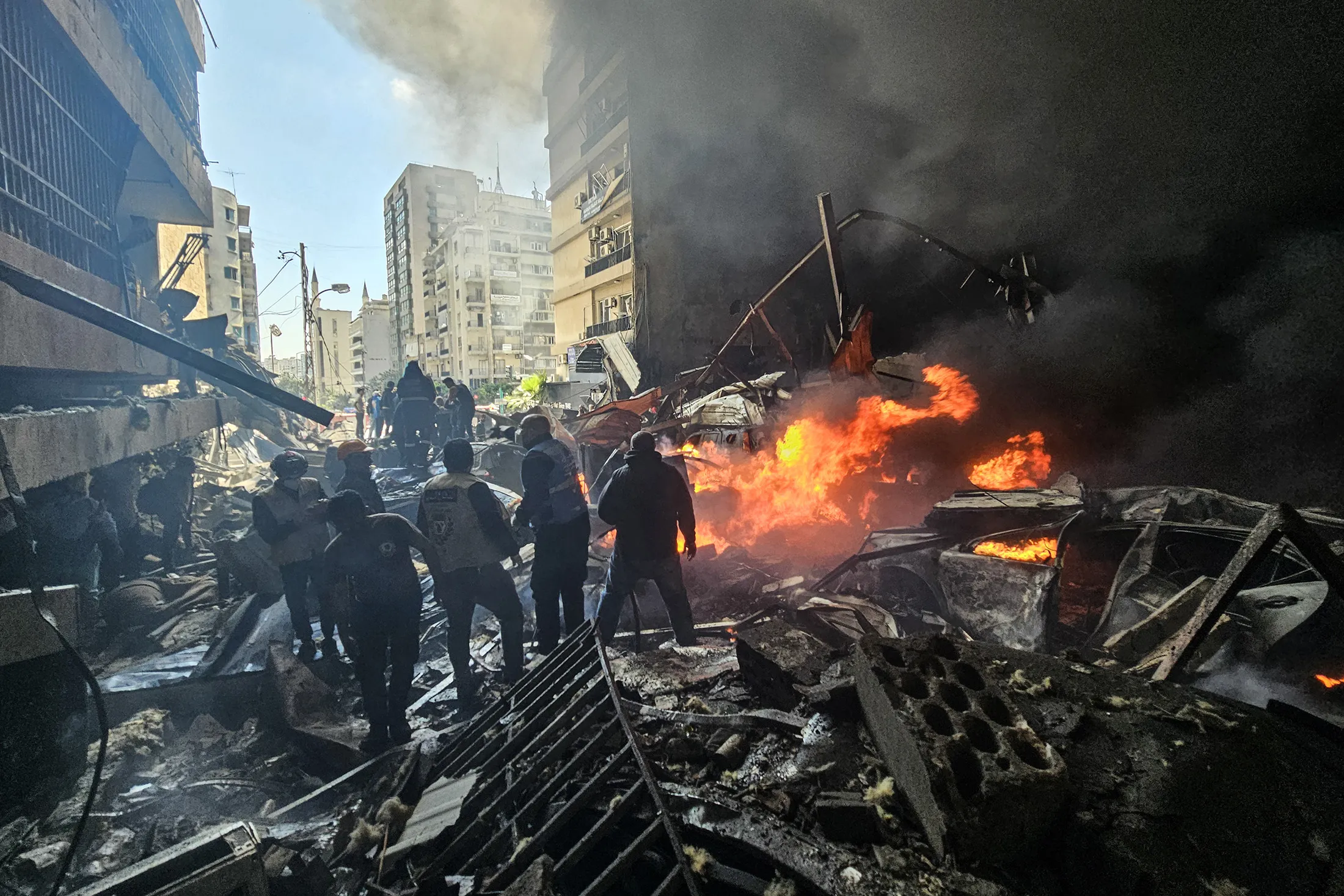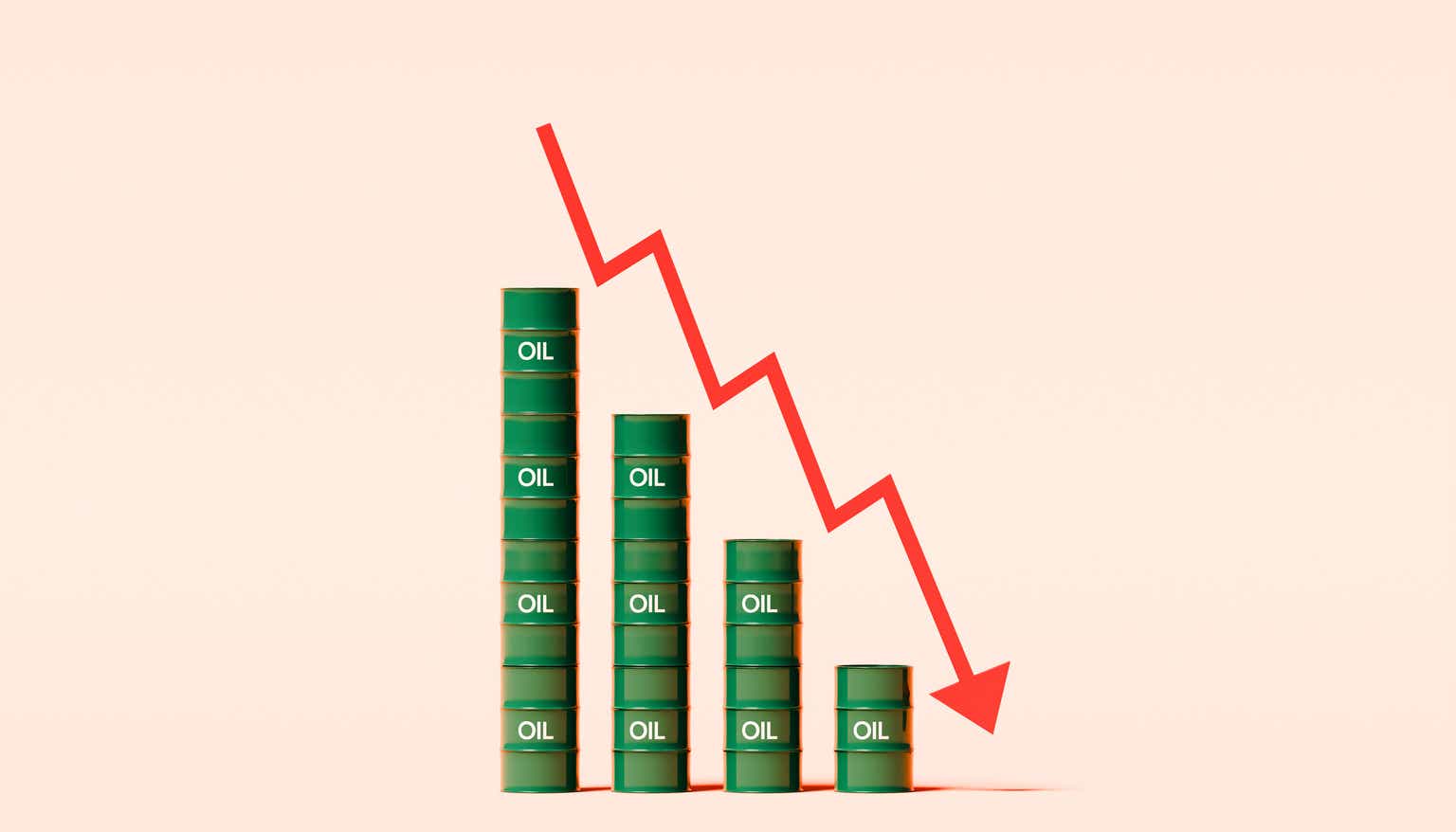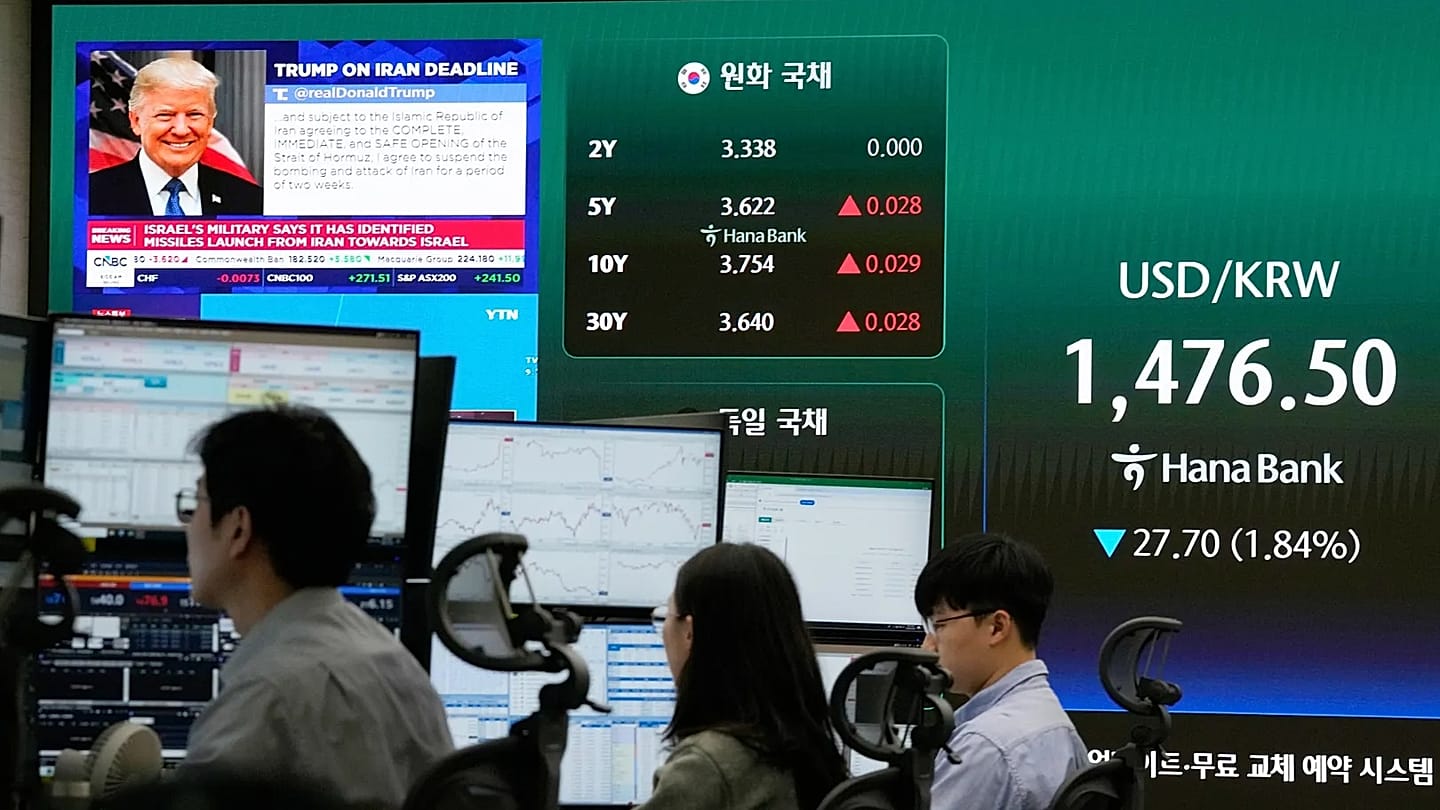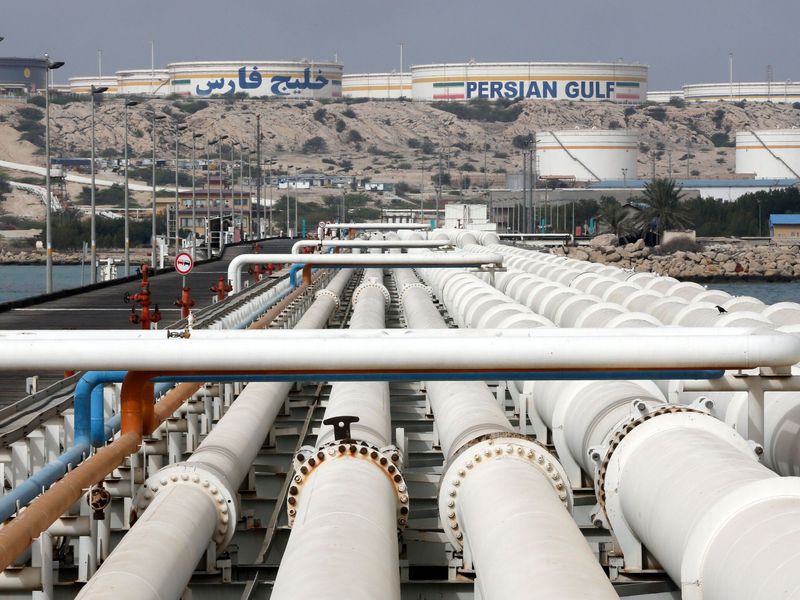



The fragile U.S.-Iran cease-fire agreement announced April 8, 2026, has triggered a critical maritime logistics crisis affecting cross-border e-commerce sellers globally. Iran has severely restricted traffic through the Strait of Hormuz—which handles 21% of global petroleum trade and significant container cargo—to approximately a dozen vessels daily, with toll charges imposed during the two-week cease-fire period. On April 10, only four ships received passage clearance, marking the lowest daily volume recorded in April according to S&P Global Market Intelligence. This geopolitical disruption has immediate financial consequences: Brent crude futures rose 3.1% and WTI crude increased 3.6%, directly translating to elevated fuel surcharges on ocean freight rates.
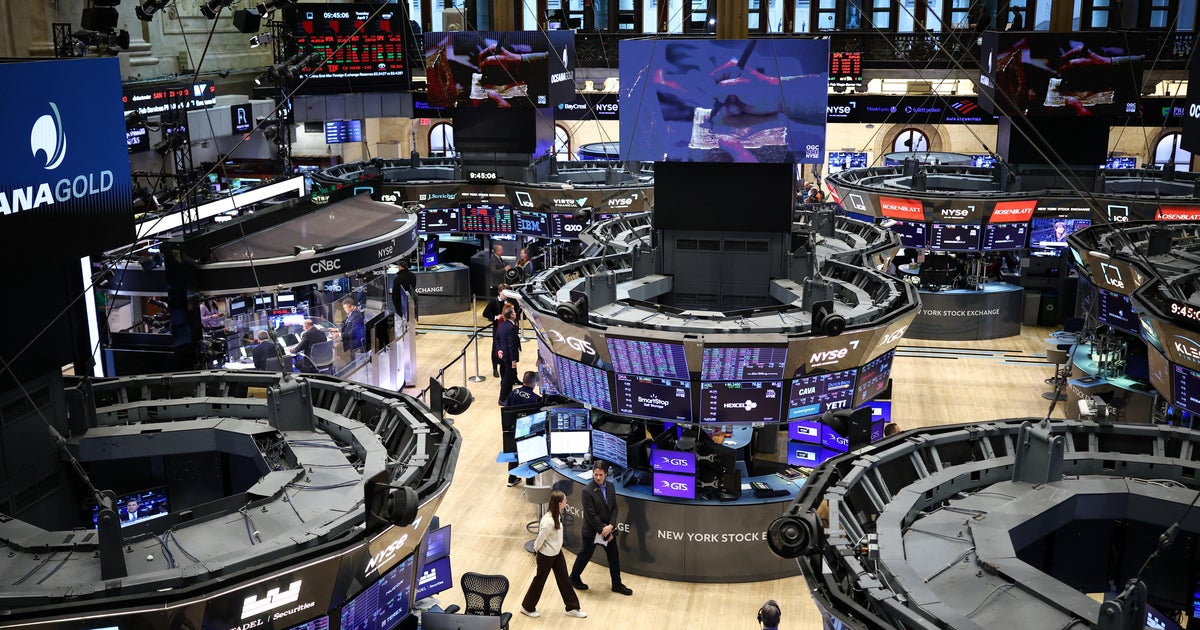
For cross-border e-commerce sellers, this crisis presents severe operational and financial headwinds. Sellers importing goods from Asia-Pacific manufacturing hubs—particularly electronics, apparel, home goods, and consumer products—face extended lead times and compressed margins. The fuel surcharge component of shipping costs typically ranges from 8-15% of base freight rates; with crude prices spiking, sellers can expect shipping cost increases of $200-600 per 20-foot container depending on origin and destination. Sellers with inventory in transit through the Strait face potential 7-14 day delays, disrupting fulfillment timelines on Amazon FBA, eBay, Shopify, and Walmart Marketplace. Asian equity market declines (Nikkei -0.85%, Hang Seng -0.36%, Shanghai -0.73%) signal broader supply chain stress, affecting manufacturing capacity and export availability from key sourcing regions.
The two-week cease-fire timeline creates acute planning uncertainty. Historical precedent suggests such geopolitical disruptions typically persist beyond initial agreements, warranting immediate contingency planning. Sellers with high inventory velocity and thin margins face the greatest risk—those turning inventory 8+ times annually may experience 3-5% margin compression from elevated logistics costs. Sellers exporting to Middle Eastern markets (UAE, Saudi Arabia, Kuwait) face additional risks from toll charges and potential further restrictions. The situation demands immediate action: inventory rebalancing, alternative sourcing evaluation, and dynamic pricing adjustments to offset logistics cost inflation.
The news reports a fragile cease-fire lasting two weeks with ongoing military tensions. Historical precedent from similar geopolitical disruptions (2019 Strait tanker attacks, 2022 Russia-Ukraine shipping impacts) shows restrictions typically persist 4-8 weeks beyond initial agreements. The cease-fire's extension depends on diplomatic negotiations that remain uncertain. Plan conservatively: assume 4-6 week total disruption period (through late April/early May 2026). This means: (1) inventory ordered today won't arrive until mid-May at earliest, (2) current in-transit inventory faces 7-14 day delays, (3) fuel surcharges will remain elevated through May. Build contingency plans assuming the disruption extends through Q2. Sellers should communicate transparently with customers about potential delivery delays and consider offering expedited shipping credits to maintain customer satisfaction. Monitor geopolitical news daily—any escalation could extend disruptions 8-12 weeks, requiring more aggressive inventory and sourcing adjustments.
Execute this 30-day action plan: (1) Within 48 hours, contact your freight forwarder and 3PL providers to confirm all in-transit inventory schedules and rerouting options; (2) By April 15, audit inventory by margin tier and identify SKUs to deprioritize during this period; (3) By April 20, accelerate orders for bestselling, highest-margin products to secure manufacturing capacity before supplier constraints tighten; (4) By April 25, implement dynamic pricing on your Amazon, eBay, and Shopify storefronts to offset logistics cost increases; (5) By May 5, evaluate alternative sourcing for 10-15% of your inventory mix to reduce future Hormuz exposure. Additionally, build 30-45 day safety stock for core SKUs, negotiate extended payment terms with suppliers, and establish daily monitoring of crude oil prices and shipping rate indices. Avoid major sourcing decisions until the cease-fire situation clarifies; instead, focus on operational efficiency and margin protection through pricing and inventory optimization.
The Strait of Hormuz handles 21% of global petroleum trade; Iran's restriction to ~12 daily ships has driven Brent crude up 3.1% and WTI up 3.6% as of April 8, 2026. Ocean freight fuel surcharges—typically 8-15% of base rates—will increase $200-600 per 20-foot container. For sellers importing 50+ containers monthly from Asia, this translates to $10,000-30,000 in additional monthly logistics costs. Amazon FBA sellers cannot pass these costs directly to consumers without losing Buy Box competitiveness, compressing margins 2-5% depending on product category and current pricing. Monitor your 3PL provider's fuel surcharge notifications daily and consider pre-positioning inventory in U.S. fulfillment centers before further restrictions.
With only 4 vessels permitted passage on April 10 (the lowest April volume on record per S&P Global), expect 7-14 day delays for containers queued at Suez Canal entry points or Middle Eastern ports. The two-week cease-fire creates temporary predictability, but historical precedent suggests disruptions persist beyond initial agreements. Sellers with inventory in transit should contact freight forwarders immediately to confirm vessel schedules and potential rerouting via longer routes (Cape of Good Hope adds 10-15 days). For time-sensitive categories (seasonal goods, electronics with short product lifecycles), consider air freight alternatives despite 4-6x higher costs, or expedited rail routes through Central Asia if sourcing from non-coastal regions.
High-volume, lower-margin categories are most vulnerable: apparel (typically 20-30% margins), home goods (25-35% margins), and consumer electronics (15-25% margins). These categories depend on consistent Asia-Pacific sourcing and high inventory velocity (8+ turns annually). Luxury goods and niche products with 50%+ margins can absorb logistics cost increases more easily. Sellers in apparel and home goods should expect 3-5% margin compression; electronics sellers may face 2-3% compression. Conversely, sellers in high-margin categories (collectibles, specialty items, branded products) have pricing flexibility. Immediately audit your product mix by margin tier and prioritize inventory rebalancing away from lowest-margin SKUs during this disruption period.
Partial diversification is prudent but not immediately feasible for most sellers. Vietnam, India, and Indonesia offer alternatives to China, but they face the same Strait of Hormuz transit constraints. European sourcing (Poland, Portugal, Turkey) adds 15-20% to product costs but avoids Hormuz exposure. For sellers with 6+ month lead times, evaluate 10-20% inventory allocation to non-Asia sources for core SKUs. However, the cease-fire's two-week timeline suggests waiting for clarity before major sourcing shifts. Instead, prioritize: (1) accelerating current Asia shipments before further restrictions, (2) negotiating extended payment terms with suppliers, (3) building 30-45 day safety stock for bestselling SKUs. Reshoring decisions should wait until the geopolitical situation stabilizes beyond the initial cease-fire period.
Asian equity declines signal broader supply chain stress and potential supplier financial strain. Manufacturing capacity in China, Vietnam, and India may tighten as suppliers face working capital pressures and delayed export revenues. Expect: (1) longer production lead times (add 5-10 days), (2) minimum order quantity increases, (3) price increases of 3-8% on new orders. Suppliers dependent on export revenue (most Asia-Pacific manufacturers) will prioritize large, established buyers. Smaller sellers should immediately confirm production schedules and payment terms with key suppliers. Consider prepaying for Q2-Q3 inventory to secure capacity and lock in current pricing before further cost increases. Monitor supplier communication closely—delayed responses may signal financial distress or production constraints.
Dynamic pricing is essential. Calculate your true landed cost including elevated fuel surcharges: base product cost + manufacturing + elevated freight ($200-600/container premium) + tariffs + fulfillment. If this increases your COGS by 5-8%, you have three options: (1) absorb 1-2% margin compression to maintain competitiveness, (2) increase prices 3-5% and accept potential sales volume decline, or (3) reduce SKU count and focus on highest-margin products. On Amazon, use dynamic pricing tools to test price elasticity—many categories show 10-15% volume decline per 5% price increase. For Shopify and eBay sellers, implement tiered pricing: maintain current prices on bestsellers (volume protection) and increase prices 5-8% on slower-moving inventory. Avoid aggressive price increases on commodity categories where competitors have similar cost pressures; instead, emphasize shipping speed and product quality to justify premium positioning.
The news reports a fragile cease-fire lasting two weeks with ongoing military tensions. Historical precedent from similar geopolitical disruptions (2019 Strait tanker attacks, 2022 Russia-Ukraine shipping impacts) shows restrictions typically persist 4-8 weeks beyond initial agreements. The cease-fire's extension depends on diplomatic negotiations that remain uncertain. Plan conservatively: assume 4-6 week total disruption period (through late April/early May 2026). This means: (1) inventory ordered today won't arrive until mid-May at earliest, (2) current in-transit inventory faces 7-14 day delays, (3) fuel surcharges will remain elevated through May. Build contingency plans assuming the disruption extends through Q2. Sellers should communicate transparently with customers about potential delivery delays and consider offering expedited shipping credits to maintain customer satisfaction. Monitor geopolitical news daily—any escalation could extend disruptions 8-12 weeks, requiring more aggressive inventory and sourcing adjustments.
Execute this 30-day action plan: (1) Within 48 hours, contact your freight forwarder and 3PL providers to confirm all in-transit inventory schedules and rerouting options; (2) By April 15, audit inventory by margin tier and identify SKUs to deprioritize during this period; (3) By April 20, accelerate orders for bestselling, highest-margin products to secure manufacturing capacity before supplier constraints tighten; (4) By April 25, implement dynamic pricing on your Amazon, eBay, and Shopify storefronts to offset logistics cost increases; (5) By May 5, evaluate alternative sourcing for 10-15% of your inventory mix to reduce future Hormuz exposure. Additionally, build 30-45 day safety stock for core SKUs, negotiate extended payment terms with suppliers, and establish daily monitoring of crude oil prices and shipping rate indices. Avoid major sourcing decisions until the cease-fire situation clarifies; instead, focus on operational efficiency and margin protection through pricing and inventory optimization.
The Strait of Hormuz handles 21% of global petroleum trade; Iran's restriction to ~12 daily ships has driven Brent crude up 3.1% and WTI up 3.6% as of April 8, 2026. Ocean freight fuel surcharges—typically 8-15% of base rates—will increase $200-600 per 20-foot container. For sellers importing 50+ containers monthly from Asia, this translates to $10,000-30,000 in additional monthly logistics costs. Amazon FBA sellers cannot pass these costs directly to consumers without losing Buy Box competitiveness, compressing margins 2-5% depending on product category and current pricing. Monitor your 3PL provider's fuel surcharge notifications daily and consider pre-positioning inventory in U.S. fulfillment centers before further restrictions.
With only 4 vessels permitted passage on April 10 (the lowest April volume on record per S&P Global), expect 7-14 day delays for containers queued at Suez Canal entry points or Middle Eastern ports. The two-week cease-fire creates temporary predictability, but historical precedent suggests disruptions persist beyond initial agreements. Sellers with inventory in transit should contact freight forwarders immediately to confirm vessel schedules and potential rerouting via longer routes (Cape of Good Hope adds 10-15 days). For time-sensitive categories (seasonal goods, electronics with short product lifecycles), consider air freight alternatives despite 4-6x higher costs, or expedited rail routes through Central Asia if sourcing from non-coastal regions.
High-volume, lower-margin categories are most vulnerable: apparel (typically 20-30% margins), home goods (25-35% margins), and consumer electronics (15-25% margins). These categories depend on consistent Asia-Pacific sourcing and high inventory velocity (8+ turns annually). Luxury goods and niche products with 50%+ margins can absorb logistics cost increases more easily. Sellers in apparel and home goods should expect 3-5% margin compression; electronics sellers may face 2-3% compression. Conversely, sellers in high-margin categories (collectibles, specialty items, branded products) have pricing flexibility. Immediately audit your product mix by margin tier and prioritize inventory rebalancing away from lowest-margin SKUs during this disruption period.
Partial diversification is prudent but not immediately feasible for most sellers. Vietnam, India, and Indonesia offer alternatives to China, but they face the same Strait of Hormuz transit constraints. European sourcing (Poland, Portugal, Turkey) adds 15-20% to product costs but avoids Hormuz exposure. For sellers with 6+ month lead times, evaluate 10-20% inventory allocation to non-Asia sources for core SKUs. However, the cease-fire's two-week timeline suggests waiting for clarity before major sourcing shifts. Instead, prioritize: (1) accelerating current Asia shipments before further restrictions, (2) negotiating extended payment terms with suppliers, (3) building 30-45 day safety stock for bestselling SKUs. Reshoring decisions should wait until the geopolitical situation stabilizes beyond the initial cease-fire period.
Asian equity declines signal broader supply chain stress and potential supplier financial strain. Manufacturing capacity in China, Vietnam, and India may tighten as suppliers face working capital pressures and delayed export revenues. Expect: (1) longer production lead times (add 5-10 days), (2) minimum order quantity increases, (3) price increases of 3-8% on new orders. Suppliers dependent on export revenue (most Asia-Pacific manufacturers) will prioritize large, established buyers. Smaller sellers should immediately confirm production schedules and payment terms with key suppliers. Consider prepaying for Q2-Q3 inventory to secure capacity and lock in current pricing before further cost increases. Monitor supplier communication closely—delayed responses may signal financial distress or production constraints.
Dynamic pricing is essential. Calculate your true landed cost including elevated fuel surcharges: base product cost + manufacturing + elevated freight ($200-600/container premium) + tariffs + fulfillment. If this increases your COGS by 5-8%, you have three options: (1) absorb 1-2% margin compression to maintain competitiveness, (2) increase prices 3-5% and accept potential sales volume decline, or (3) reduce SKU count and focus on highest-margin products. On Amazon, use dynamic pricing tools to test price elasticity—many categories show 10-15% volume decline per 5% price increase. For Shopify and eBay sellers, implement tiered pricing: maintain current prices on bestsellers (volume protection) and increase prices 5-8% on slower-moving inventory. Avoid aggressive price increases on commodity categories where competitors have similar cost pressures; instead, emphasize shipping speed and product quality to justify premium positioning.
The news reports a fragile cease-fire lasting two weeks with ongoing military tensions. Historical precedent from similar geopolitical disruptions (2019 Strait tanker attacks, 2022 Russia-Ukraine shipping impacts) shows restrictions typically persist 4-8 weeks beyond initial agreements. The cease-fire's extension depends on diplomatic negotiations that remain uncertain. Plan conservatively: assume 4-6 week total disruption period (through late April/early May 2026). This means: (1) inventory ordered today won't arrive until mid-May at earliest, (2) current in-transit inventory faces 7-14 day delays, (3) fuel surcharges will remain elevated through May. Build contingency plans assuming the disruption extends through Q2. Sellers should communicate transparently with customers about potential delivery delays and consider offering expedited shipping credits to maintain customer satisfaction. Monitor geopolitical news daily—any escalation could extend disruptions 8-12 weeks, requiring more aggressive inventory and sourcing adjustments.
Execute this 30-day action plan: (1) Within 48 hours, contact your freight forwarder and 3PL providers to confirm all in-transit inventory schedules and rerouting options; (2) By April 15, audit inventory by margin tier and identify SKUs to deprioritize during this period; (3) By April 20, accelerate orders for bestselling, highest-margin products to secure manufacturing capacity before supplier constraints tighten; (4) By April 25, implement dynamic pricing on your Amazon, eBay, and Shopify storefronts to offset logistics cost increases; (5) By May 5, evaluate alternative sourcing for 10-15% of your inventory mix to reduce future Hormuz exposure. Additionally, build 30-45 day safety stock for core SKUs, negotiate extended payment terms with suppliers, and establish daily monitoring of crude oil prices and shipping rate indices. Avoid major sourcing decisions until the cease-fire situation clarifies; instead, focus on operational efficiency and margin protection through pricing and inventory optimization.