


Geopolitical Oil Volatility & Shipping Costs Impact Cross-Border Seller Logistics 2025
- Iran-Israel ceasefire uncertainty extends shipping delays 2-6 months; $1-2M per-tanker tolls threaten 15-25% margin compression for Asia-Pacific sellers
































Overview
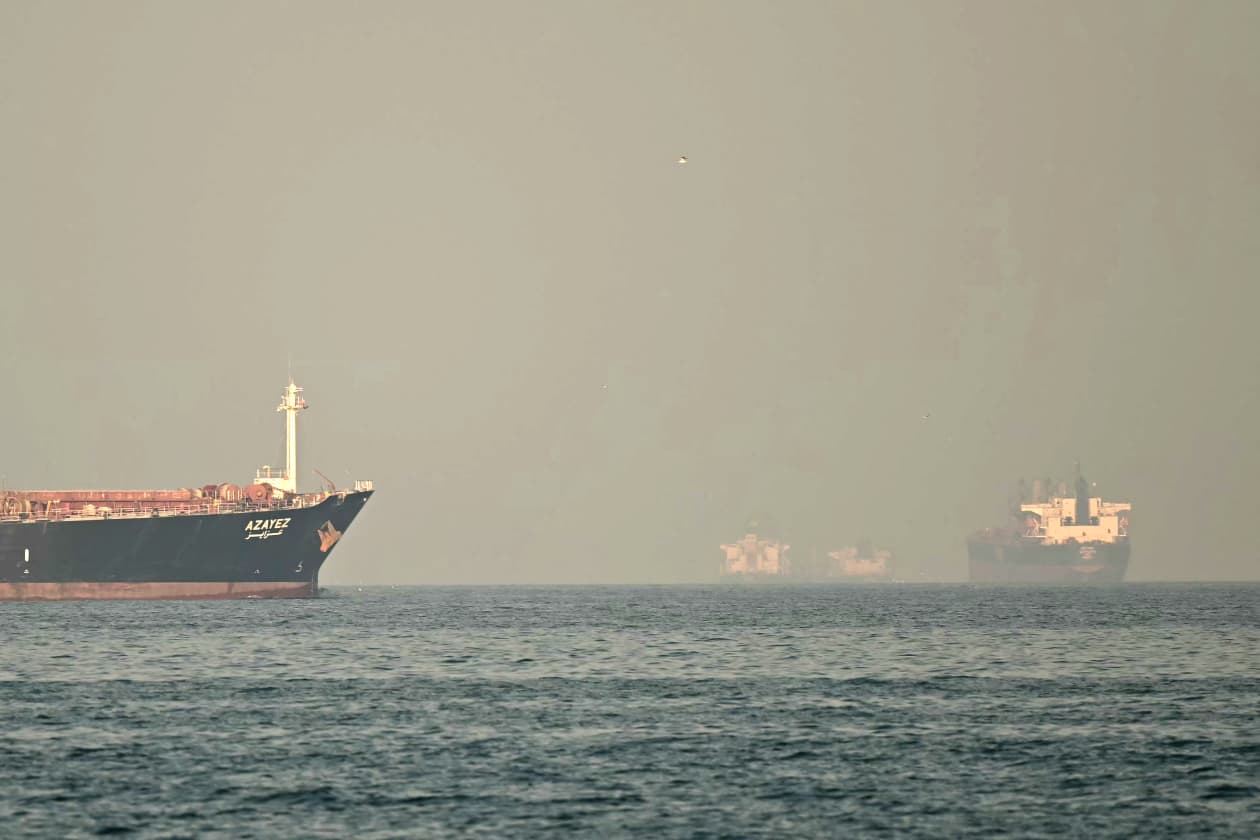
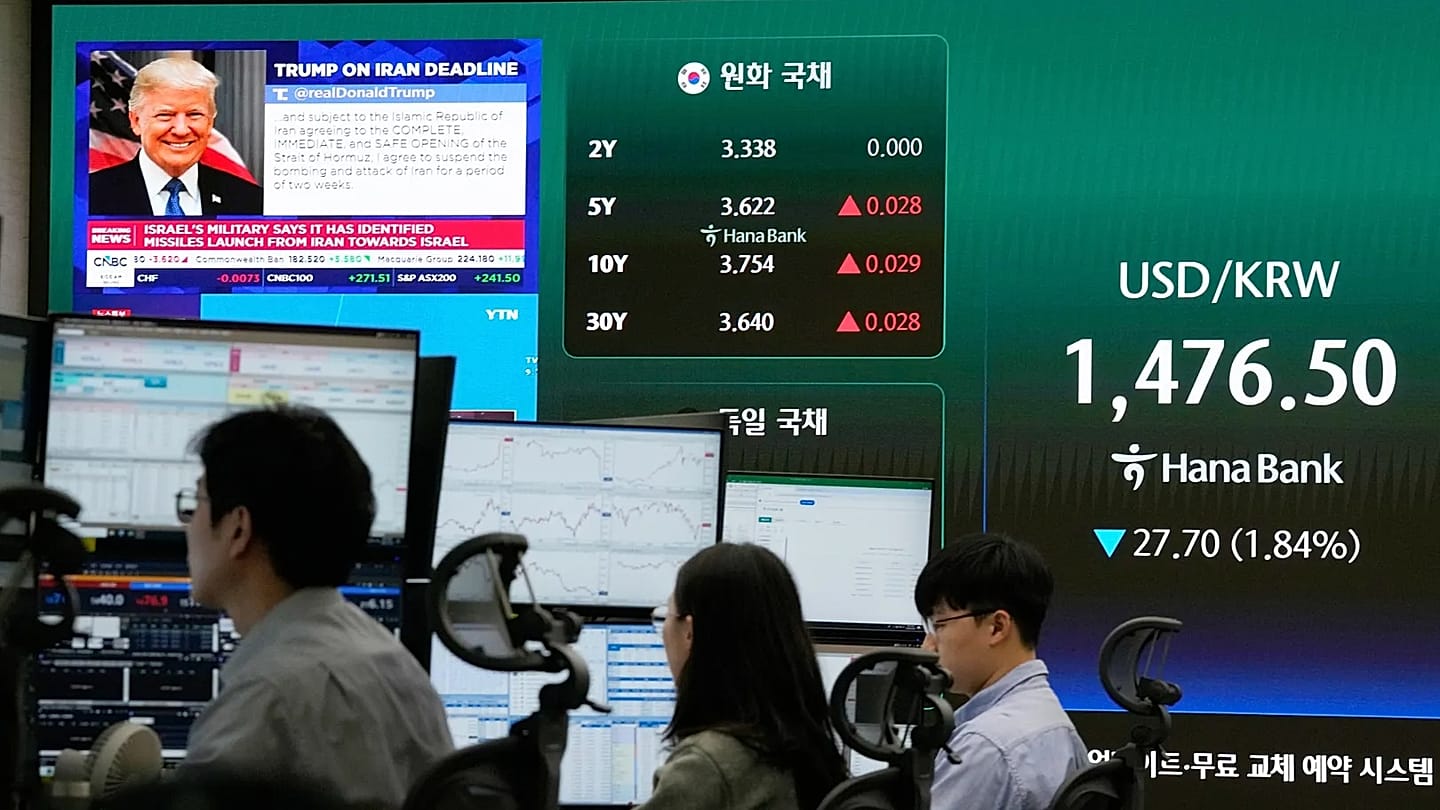
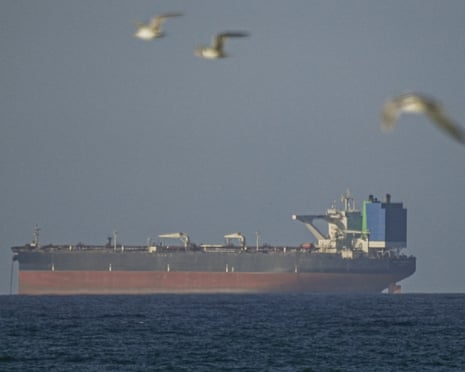
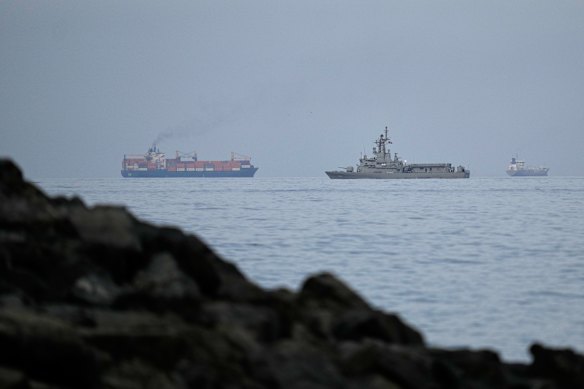
The Iran-Israel ceasefire and Strait of Hormuz reopening uncertainty directly impact cross-border e-commerce logistics costs and delivery timelines. While crude oil prices plunged following ceasefire announcements on February 27, 2025, the critical Strait of Hormuz—through which 20% of global oil transits—remains operationally uncertain. This creates a dual-impact scenario for sellers: fuel surcharges will decline slowly (gasoline prices may take months to return to pre-war levels below $3.00/gallon from current $4.16/gallon), while shipping route uncertainty and potential $1-2M per-tanker transit tolls compound logistics costs for months ahead.
For cross-border sellers, the asymmetric price recovery creates extended cost pressure. Tom Kloza's analysis shows "gas prices go up like a rocket and come down like a feather"—meaning sellers face 1-2 weeks for modest decreases to $4.00/gallon, but months for full recovery. More critically, the Strait of Hormuz's operational status remains contested: Iranian media reports Iran closed it again following Israeli attacks on Hezbollah in Lebanon, creating "hesitancy and caution" among shipping companies. The Persian Gulf's 7.5 million barrels per day production shutdown (Saudi Arabia, Kuwait, UAE, Qatar, Bahrain combined) signals sustained supply constraints through at least March 2025. This directly affects sellers shipping from Asia-Pacific regions (China, India, Vietnam) to US/EU markets—the primary routes through Hormuz.
Shipping cost implications are substantial for high-volume sellers. Potential transit tolls of $1-2M per tanker (Iran previously charged ~$2M for safe passage) will be absorbed by logistics providers and passed to sellers through fuel surcharges and route premiums. Sellers shipping 500+ units monthly via ocean freight face 8-15% cost increases; air freight premiums could reach 20-30% if Hormuz delays force alternative routing through Suez Canal or longer circumnavigation routes. The uncertainty window extends 2-6 months based on analyst Bob McNally's assessment: "The market has been eager to get good news but it remains to be seen if the Strait of Hormuz opens fully." This creates a planning vacuum for Q2-Q3 2025 inventory positioning.
Strategic implications vary by seller segment. Small sellers (100-500 units/month) should lock in shipping rates immediately before fuel surcharges escalate further; mid-market sellers (500-2000 units/month) should diversify routing through alternative ports (Jebel Ali, Singapore) despite 5-7% cost premiums; large sellers (2000+ units/month) should negotiate 3-month fixed-rate contracts with logistics providers before toll structures solidify. Sellers in high-margin categories (electronics, home goods, apparel) can absorb 10-15% cost increases; low-margin categories (home essentials, bulk goods) face margin compression requiring price increases or volume reductions.
Questions 8
How much will shipping costs increase for cross-border sellers due to Strait of Hormuz uncertainty?
Shipping costs will increase 8-15% for ocean freight and 20-30% for air freight over the next 2-6 months. The news reports that potential transit tolls of $1-2M per tanker, combined with 7.5 million barrels per day production shutdowns across the Persian Gulf, will extend fuel surcharges and route premiums. Sellers shipping from Asia-Pacific to US/EU markets face the highest impact since these routes depend on Hormuz transit. Lock in shipping rates immediately before fuel surcharges escalate further, and consider alternative routing through Jebel Ali or Singapore ports despite 5-7% cost premiums.
When will gasoline prices return to pre-war levels below $3.00 per gallon?
Gasoline prices may take months to return to pre-war levels below $3.00/gallon from the current $4.16/gallon, according to GasBuddy analysis. A modest decrease to $4.00/gallon could require 1-2 weeks, but full recovery faces obstacles including Strait of Hormuz reopening uncertainty and Iranian media reports of closure following Israeli attacks on Hezbollah. Tom Kloza notes the asymmetry: 'Gas prices go up like a rocket and come down like a feather.' This extended timeline means fuel surcharges on shipping will remain elevated through Q2-Q3 2025, affecting seller logistics budgets.