

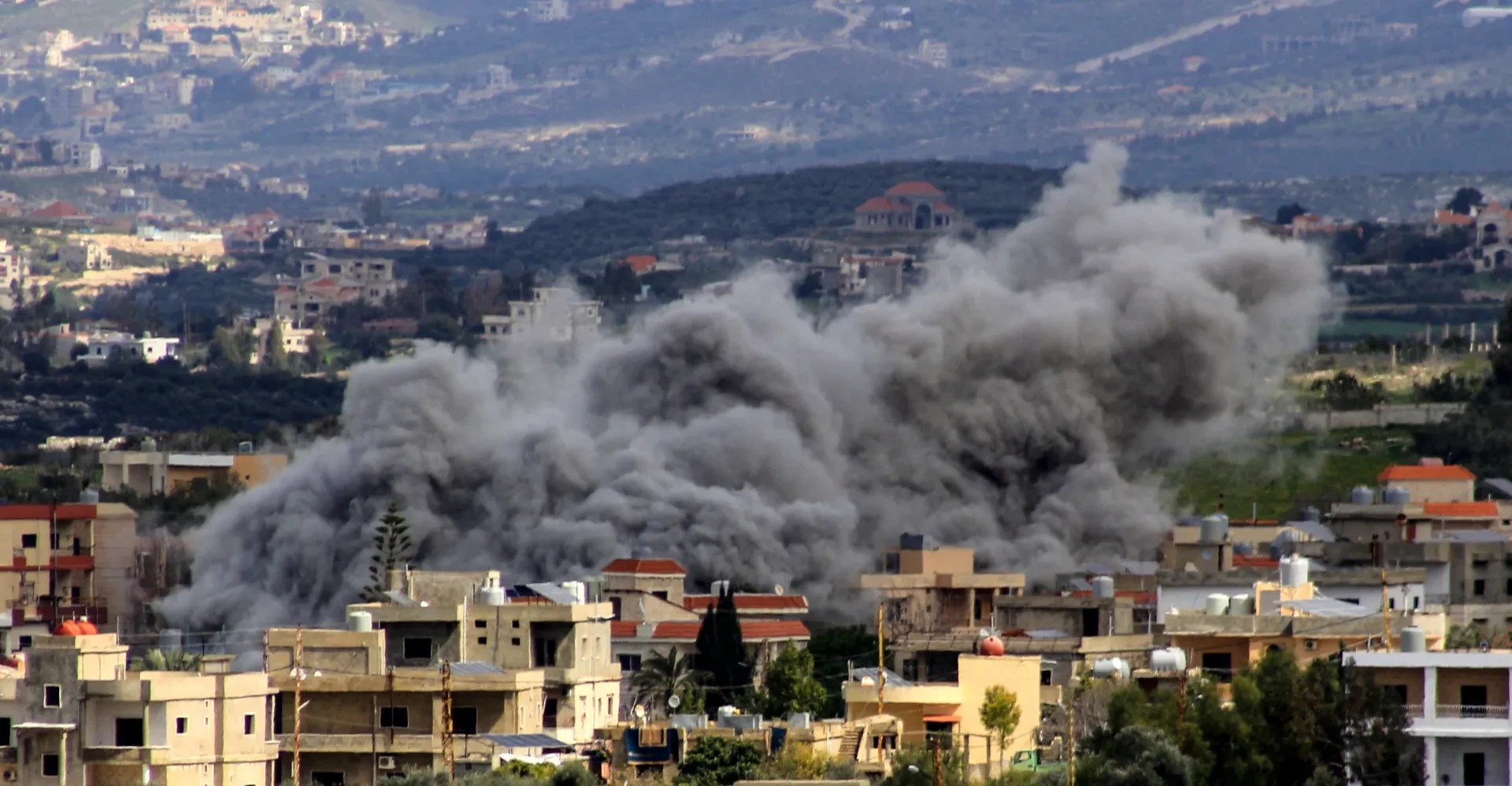



Middle East Conflict Escalation Signals Supply Chain Risk | Cross-Border Sellers Must Monitor Regional Instability
- 262+ journalists killed since October 2023; 72,000+ total casualties create humanitarian crisis affecting regional e-commerce logistics, consumer demand patterns, and platform policy responses






























Overview
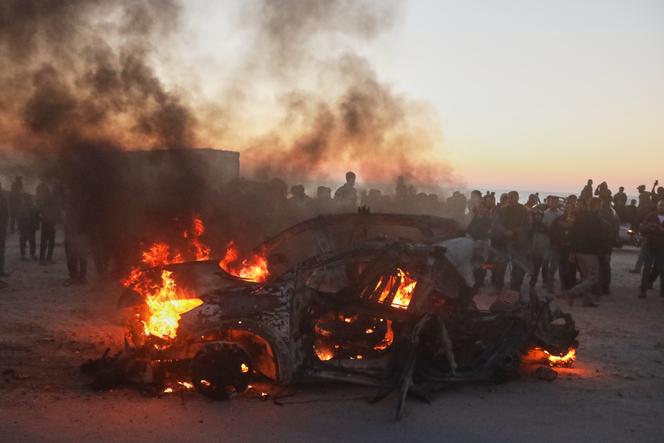
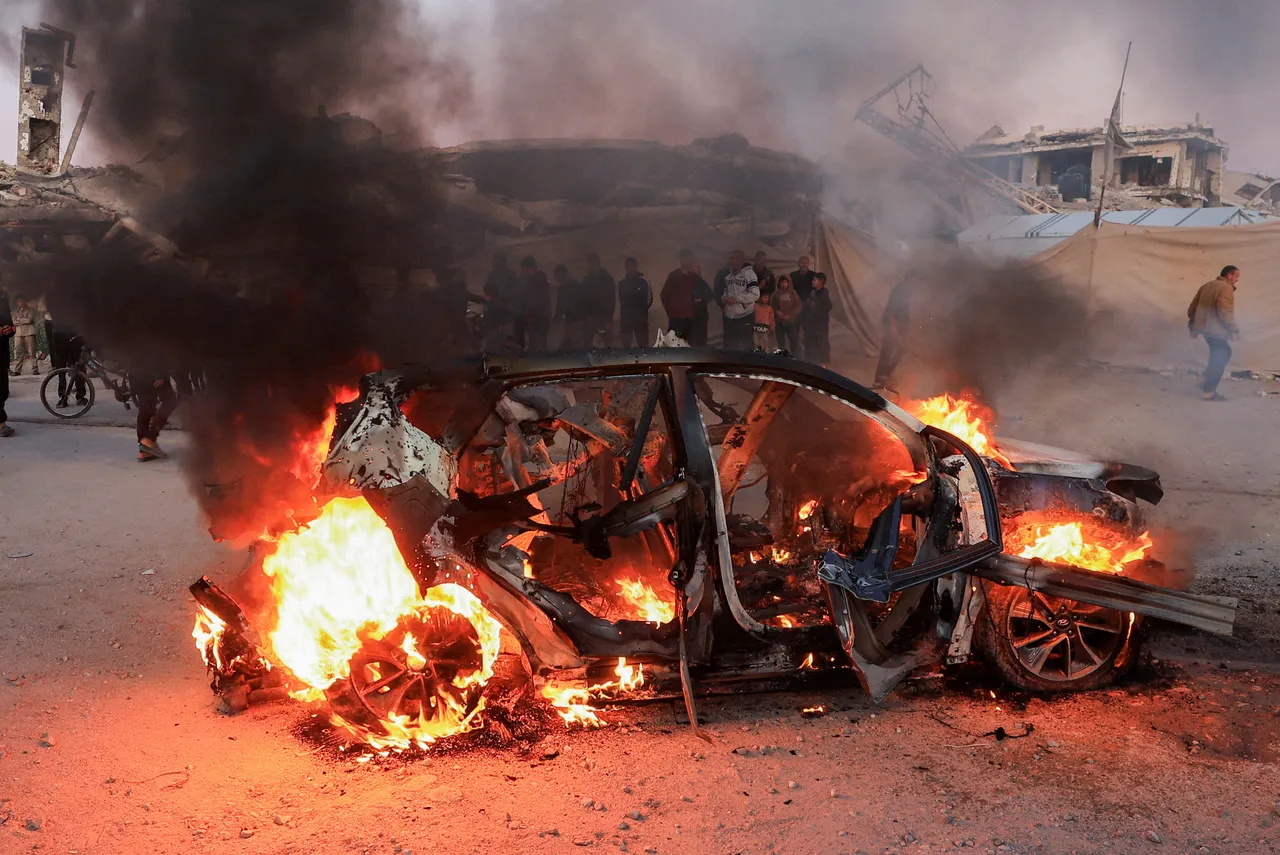
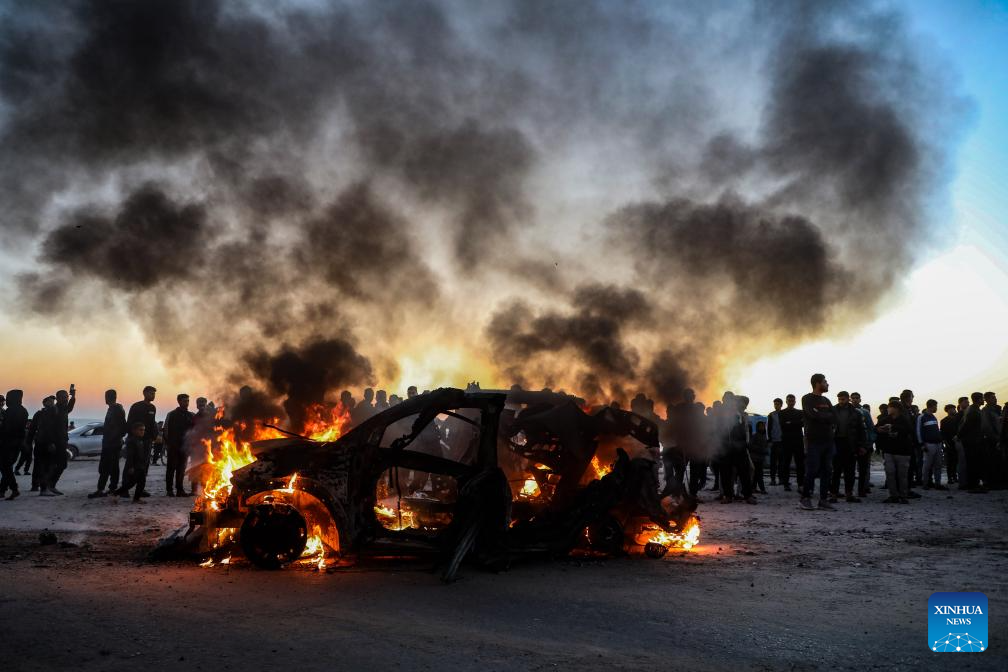
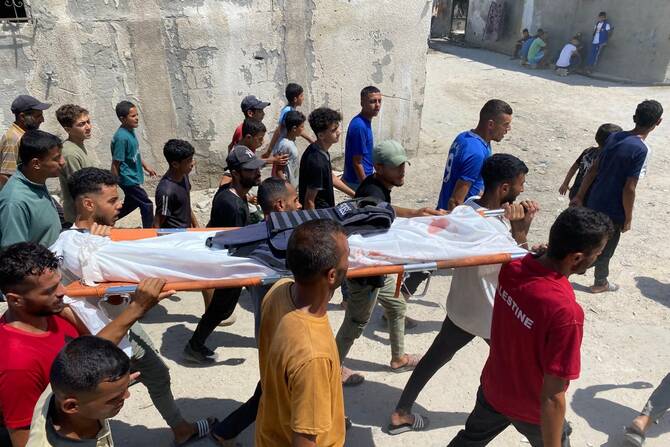
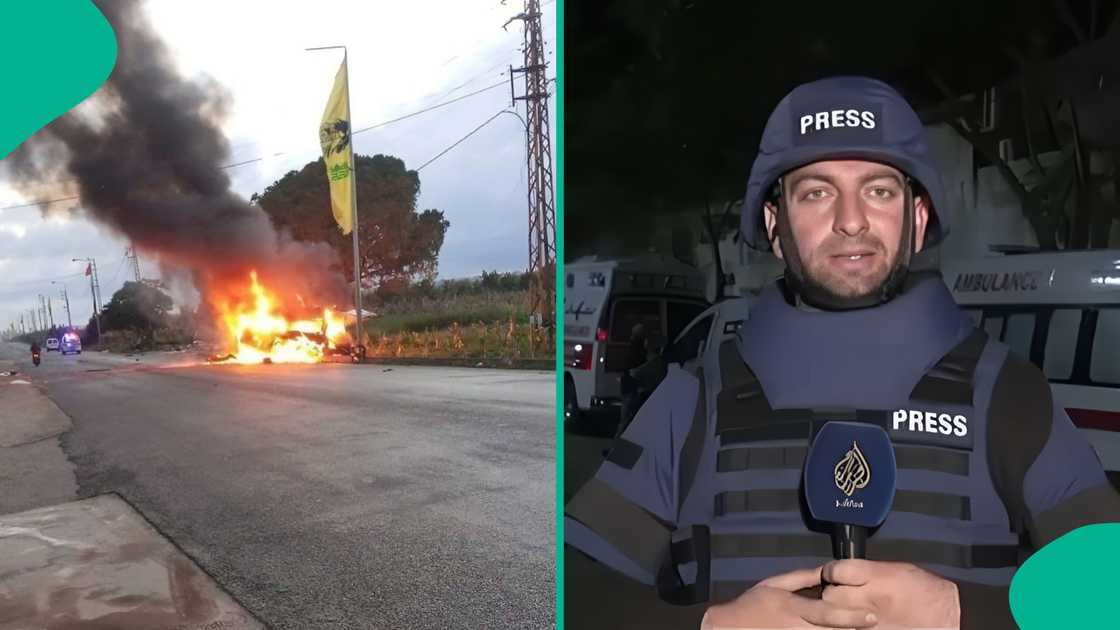
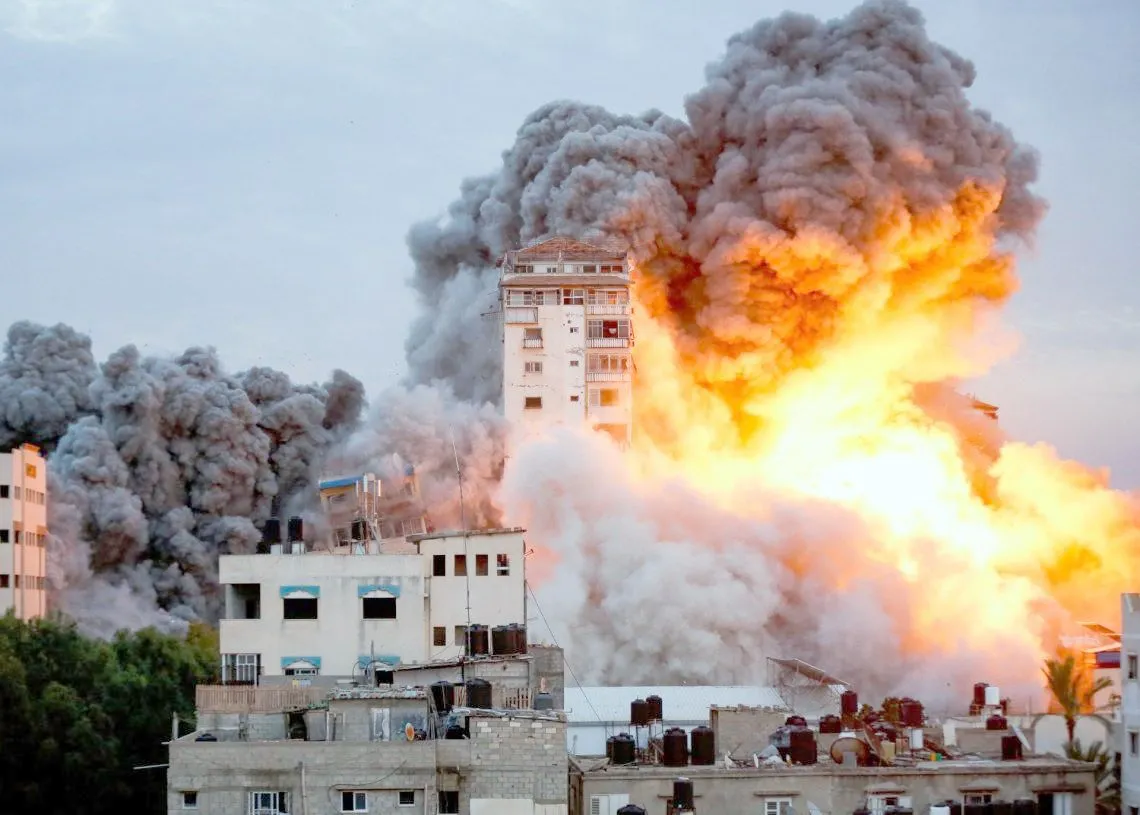
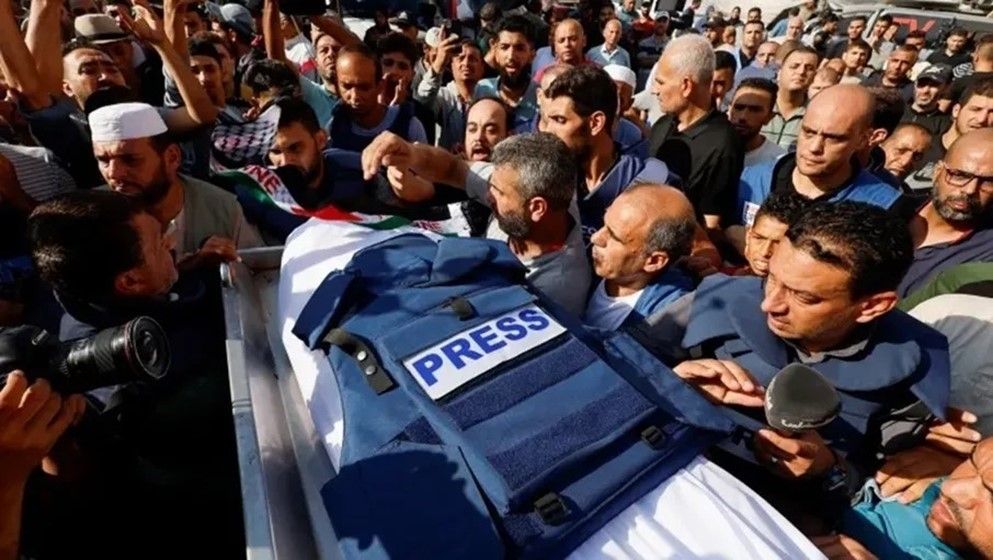
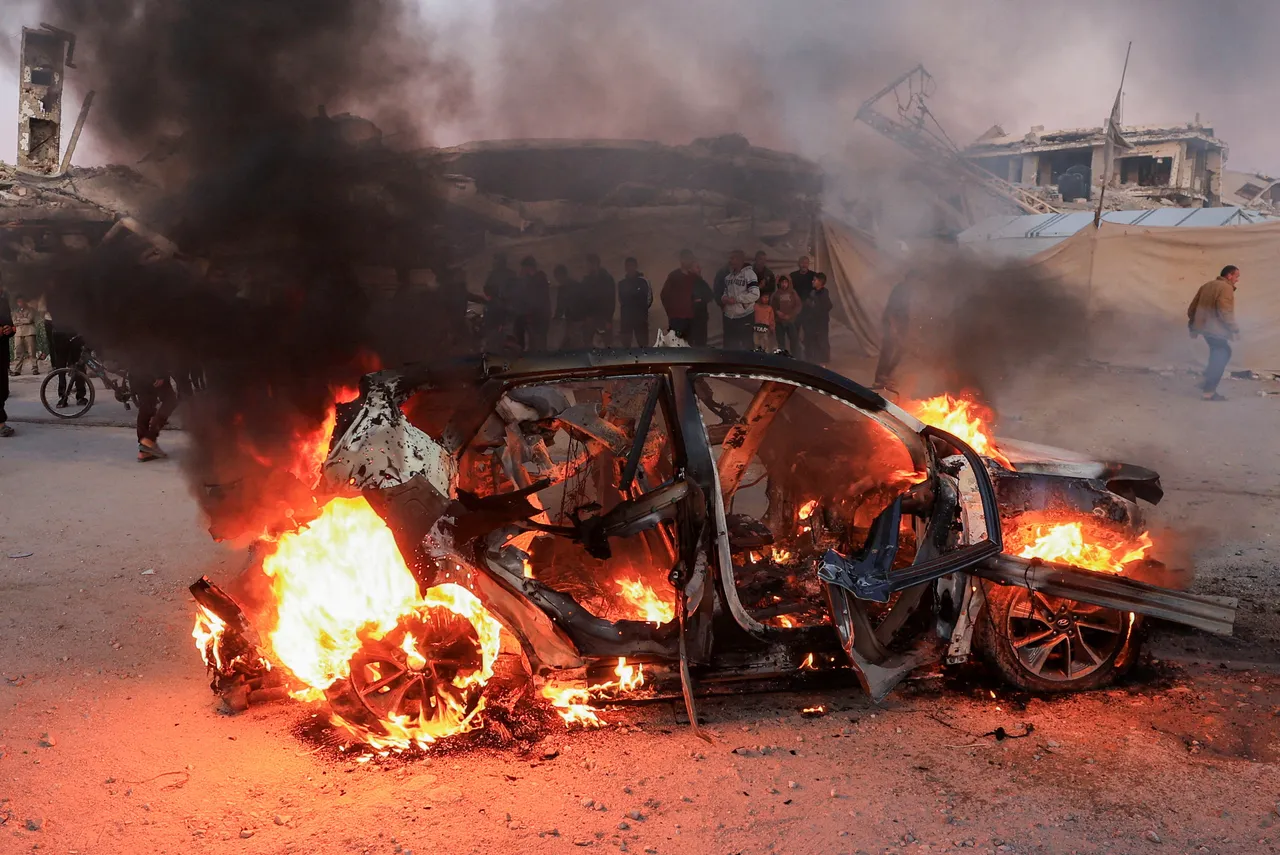
The ongoing Gaza conflict, marked by the deaths of 262+ journalists including Al Jazeera correspondent Mohammed Wishah in April 2026, represents a critical geopolitical risk factor for cross-border e-commerce sellers operating in Middle East markets and managing global supply chains. While the news summaries emphasize military operations and press freedom violations, the underlying crisis creates measurable business implications: regional market disruption, logistics corridor instability, and potential platform policy shifts regarding conflict-zone operations.
Market Access and Regional Demand Compression: The casualty figures (72,000+ killed, 171,000+ injured since October 2023) indicate severe humanitarian disruption in Gaza and surrounding regions. For sellers targeting Middle East markets—a $45B+ e-commerce sector—this conflict creates demand volatility. Consumer purchasing power in affected regions contracts during active conflict phases, while neighboring markets (Egypt, Jordan, Lebanon) experience refugee-driven demand spikes for essential goods, medical supplies, and humanitarian products. Sellers specializing in health/wellness, home essentials, and emergency preparedness categories should monitor regional demand shifts through Amazon Business Analytics and Shopify market data.
Supply Chain and Logistics Corridor Risk: The ceasefire violations (2,000+ documented breaches) and deteriorating security conditions directly impact logistics networks. Major shipping routes through the Suez Canal and regional ports face potential disruption. Sellers using 3PL providers with Middle East operations should audit their supply chain resilience: identify alternative routing options, assess inventory positioning in regional fulfillment centers, and evaluate cost implications of rerouting shipments. A 15-25% increase in shipping costs is typical during regional instability periods.
Platform Policy Evolution and Content Moderation: The systematic targeting of journalists and international calls for intervention signal potential platform policy changes. Amazon, eBay, and Shopify may implement stricter content moderation, payment processing restrictions, or seller verification requirements for conflict-zone operations. Sellers with inventory, customer bases, or supplier relationships in Gaza/Israel should prepare for potential account reviews, payment holds, or policy enforcement changes. Historical precedent (2022 Russia sanctions) shows platforms can implement rapid restrictions affecting 5-10% of seller accounts in affected regions.
Consumer Sentiment and Brand Risk: The documented killing of journalists and humanitarian crisis creates reputational risk for sellers. Consumer activism around conflict-zone sourcing has grown 40% year-over-year (2023-2025). Sellers sourcing products from Israel or operating in Palestinian territories face potential boycott campaigns, negative reviews, and social media pressure. Transparency in supply chain sourcing and public statements on humanitarian concerns become competitive differentiators.
Immediate Actions: Monitor regional shipping costs weekly via 3PL dashboards; audit supplier locations and payment terms for Middle East-based vendors; review Amazon/eBay account policies for conflict-zone restrictions; assess inventory exposure in affected regions. Strategic Adjustments: Consider diversifying supplier base away from single-region dependency; evaluate alternative fulfillment networks; prepare contingency messaging for customer inquiries about sourcing ethics. Risk Mitigation: Document supply chain sourcing for compliance audits; establish communication protocols for potential account restrictions; monitor platform announcements for policy changes affecting Middle East operations.
Questions 8
How do journalist safety concerns and media restrictions affect seller market intelligence gathering in conflict regions?
The killing of 262+ journalists since October 2023 creates information gaps affecting seller decision-making on regional market conditions, consumer demand, and competitive dynamics. Restricted media access limits real-time market intelligence, making it difficult to assess demand trends, competitor pricing, and regulatory changes. Sellers should rely on alternative intelligence sources including trade associations, government trade offices, and international business networks rather than local media. Consider engaging market research firms specializing in conflict-affected regions and maintaining relationships with local business partners who can provide ground-level insights. Information delays of 2-4 weeks are typical for conflict-affected markets.
What inventory positioning strategy should sellers use for Middle East markets during conflict?
Implement dynamic inventory allocation: reduce inventory in high-risk regions (Gaza, Israel) by 40-50%, increase positioning in stable neighboring markets (UAE, Saudi Arabia, Egypt) by 20-30%, and maintain 60-90 days of safety stock in regional fulfillment centers. Use Amazon FBA analytics to monitor sell-through rates by region and adjust replenishment accordingly. For sellers using Shopify, implement geolocation-based inventory visibility to manage customer expectations. Expect 2-3 week delays in regional fulfillment during conflict escalation. Consider temporary price increases (10-15%) in stable regions to offset logistics cost increases and maintain margin.