



)

Persian Gulf Energy Crisis Threatens Shipping Routes | Seller Supply Chain Impact
- Crude oil volatility and logistics disruptions create 8-15% cost increases for sellers shipping energy-dependent products to Middle East markets




































Overview
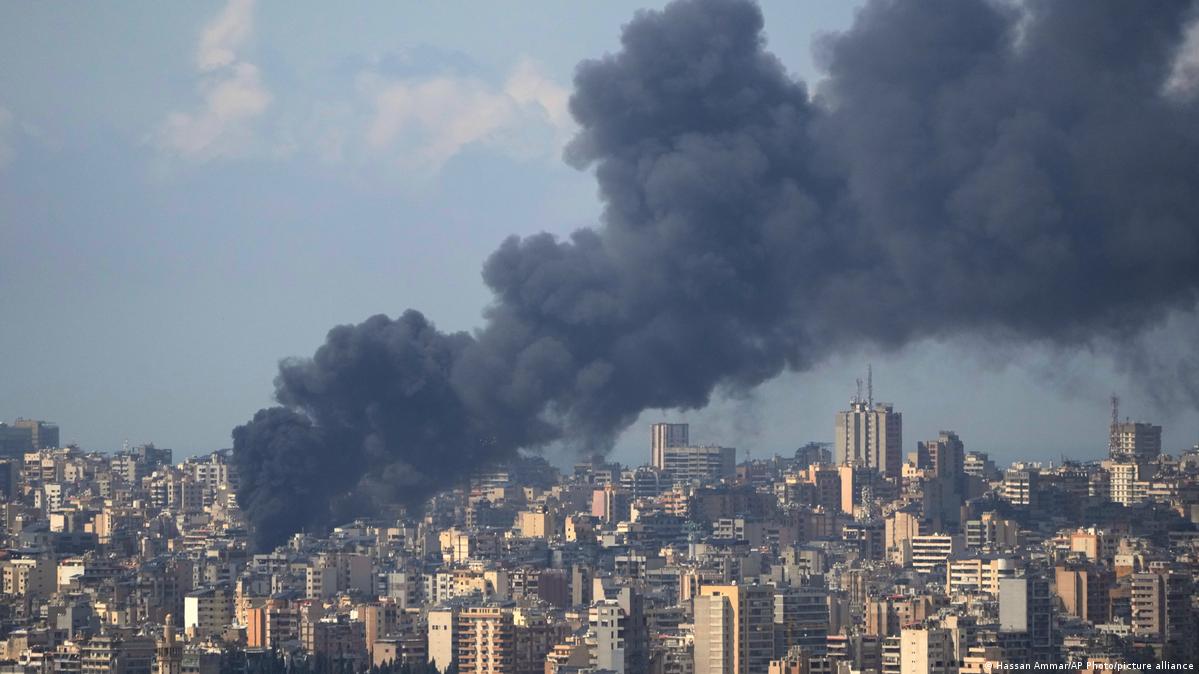
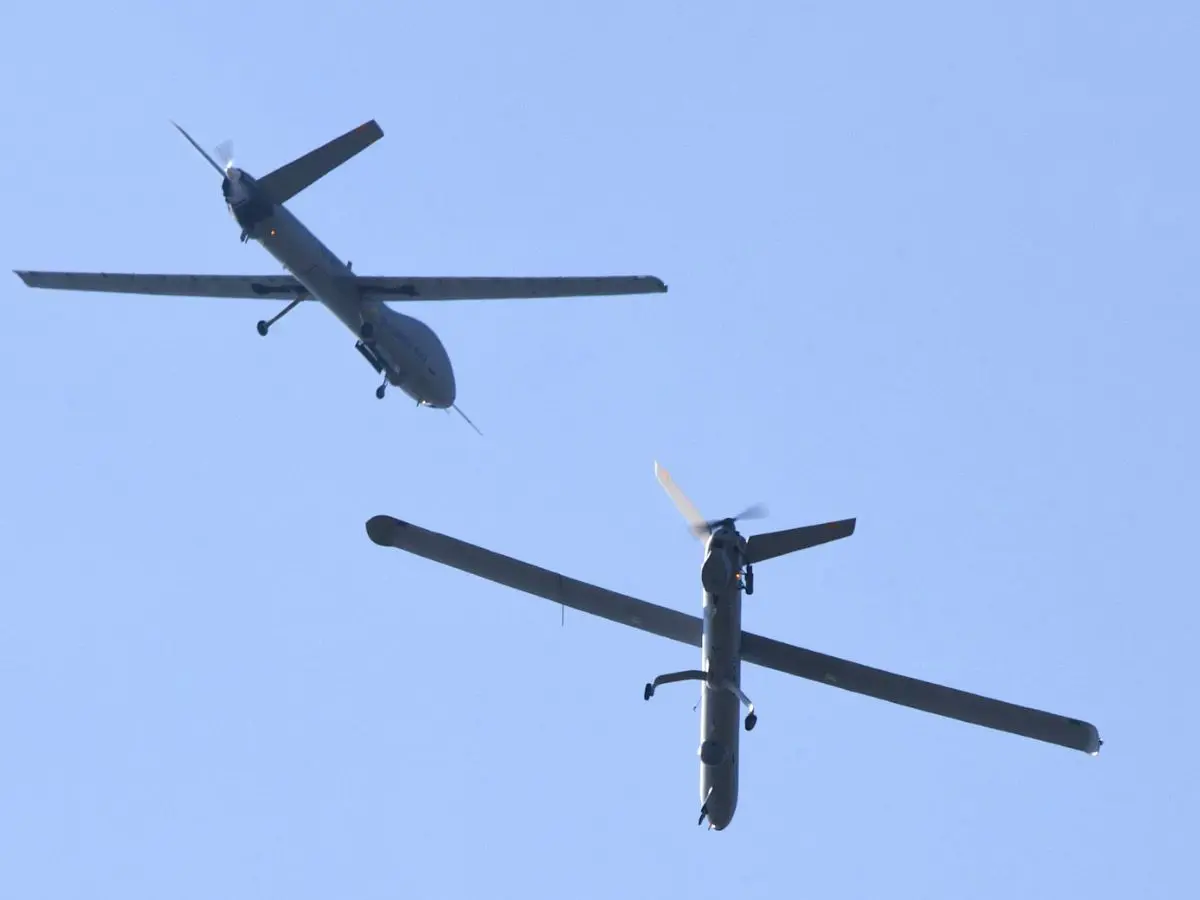
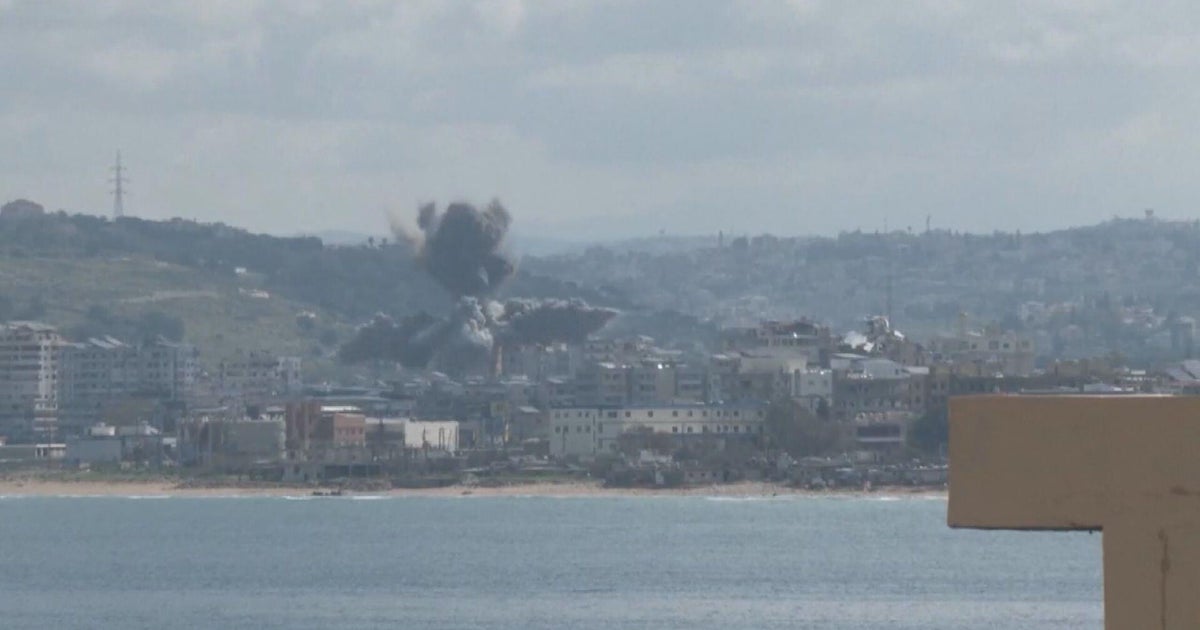
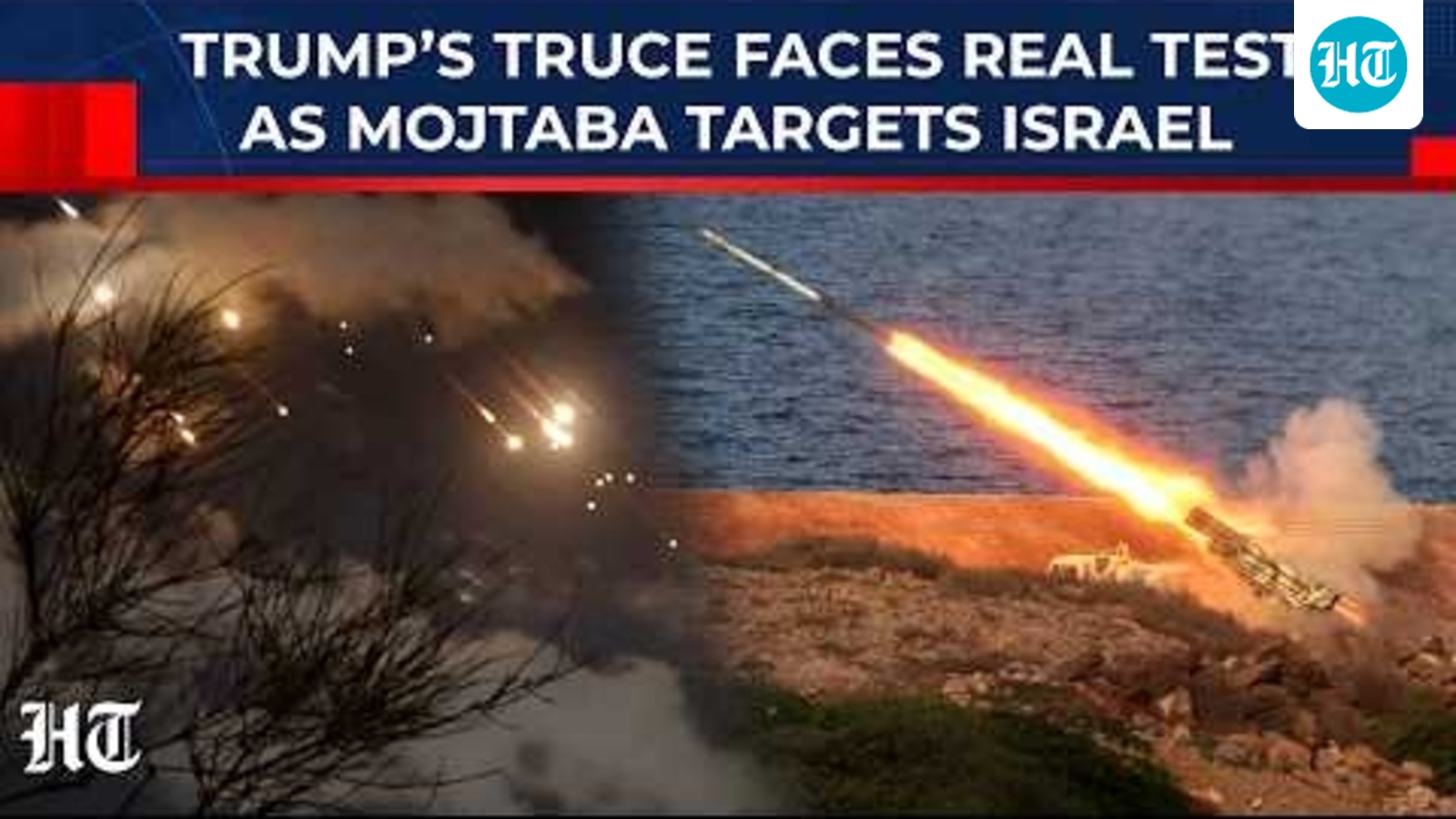
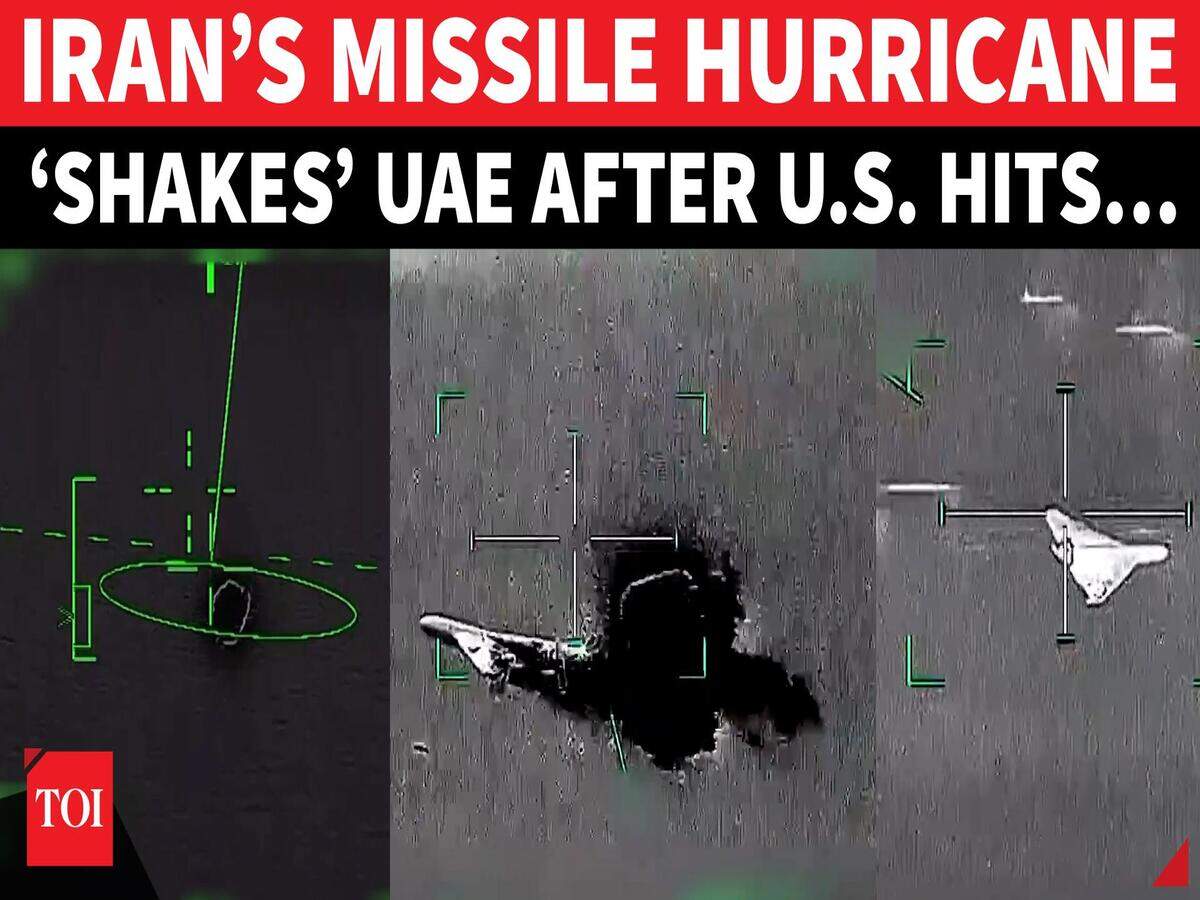
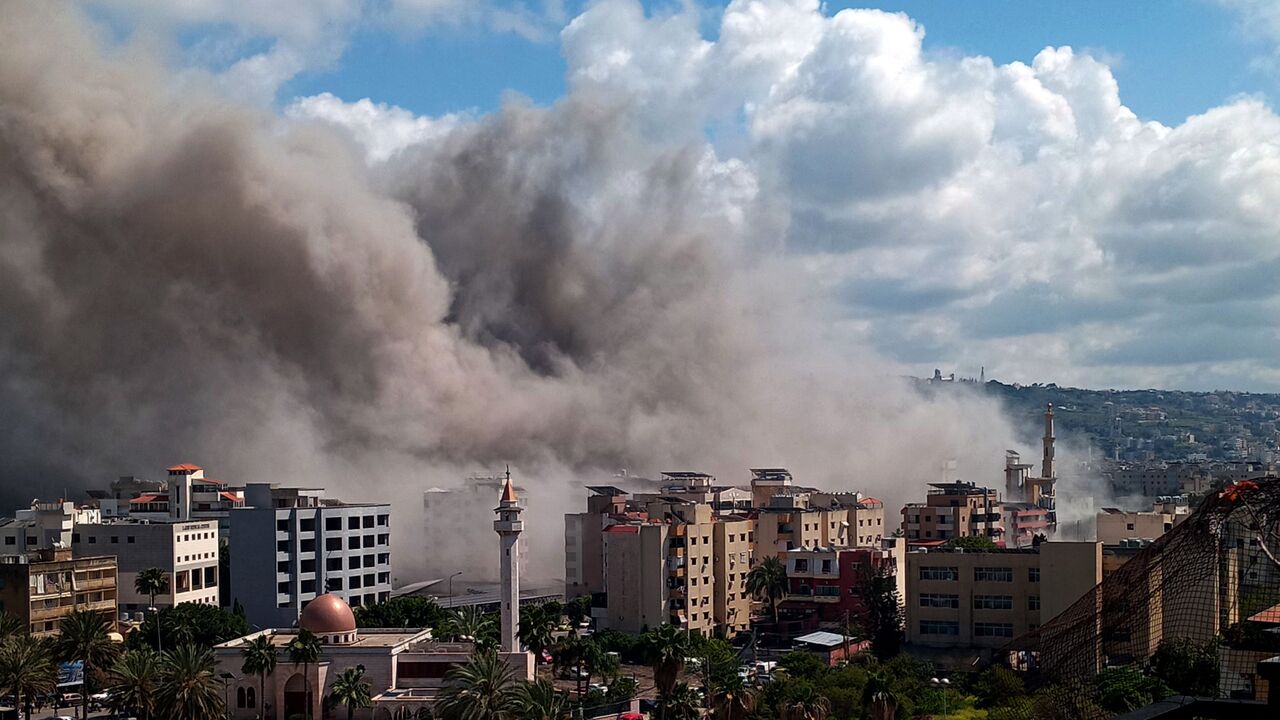
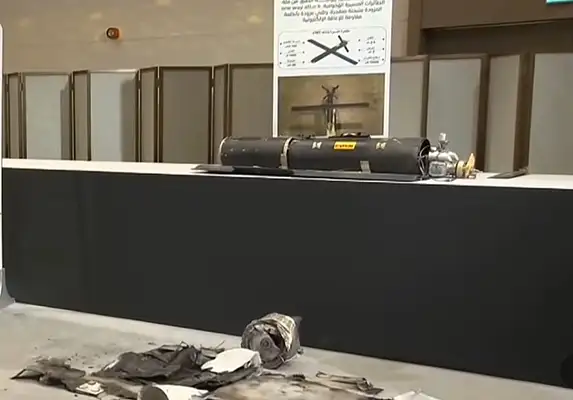
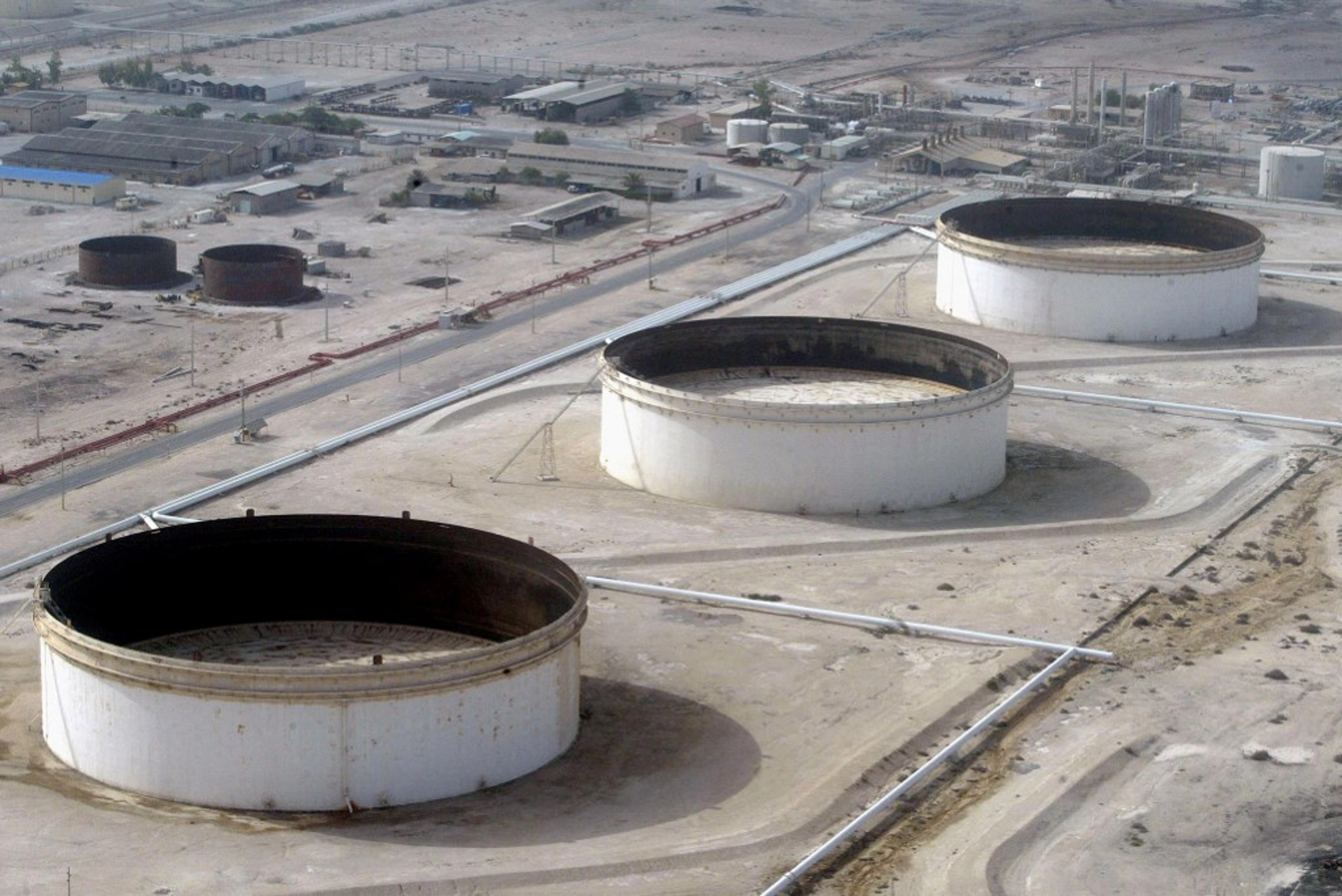
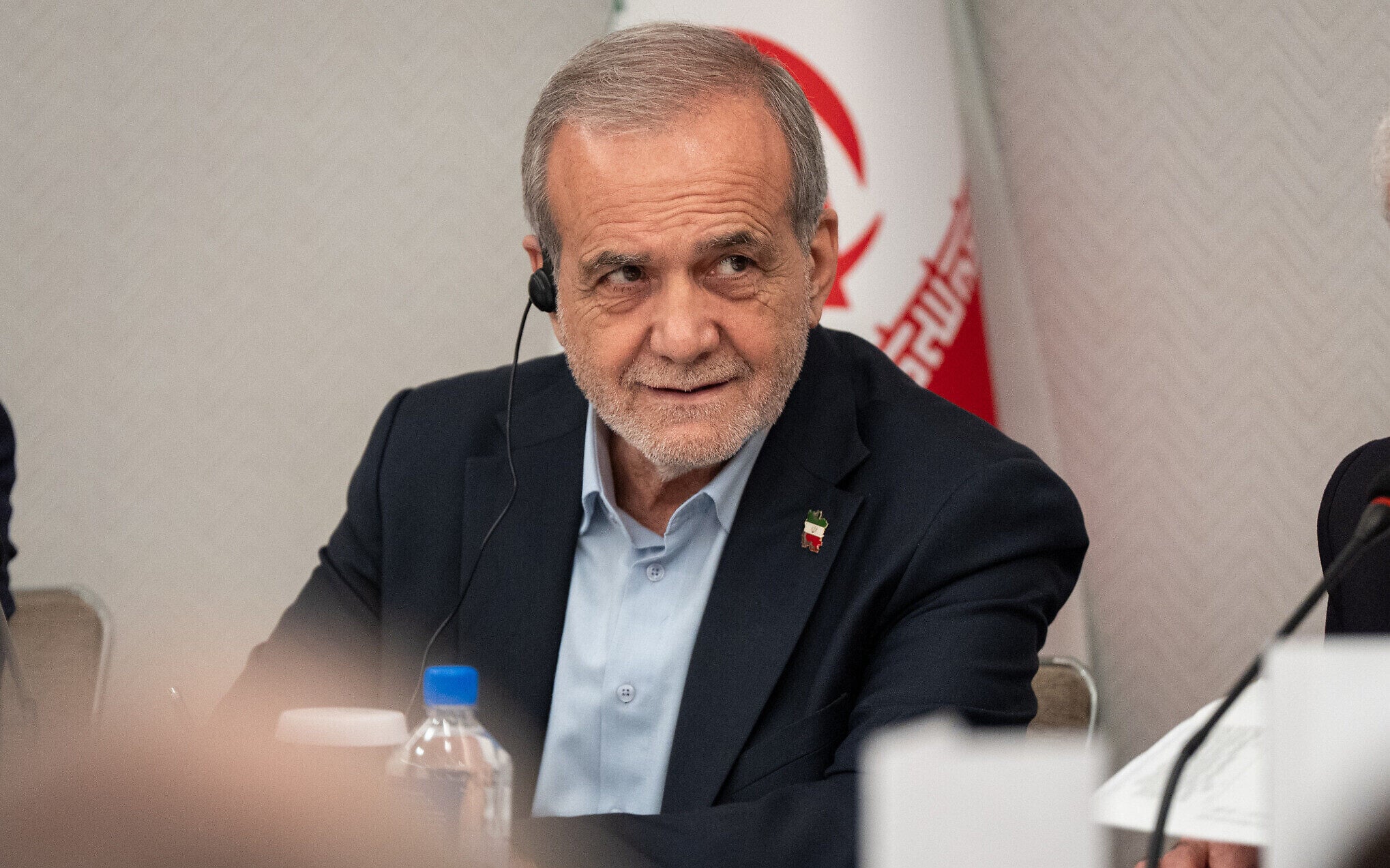
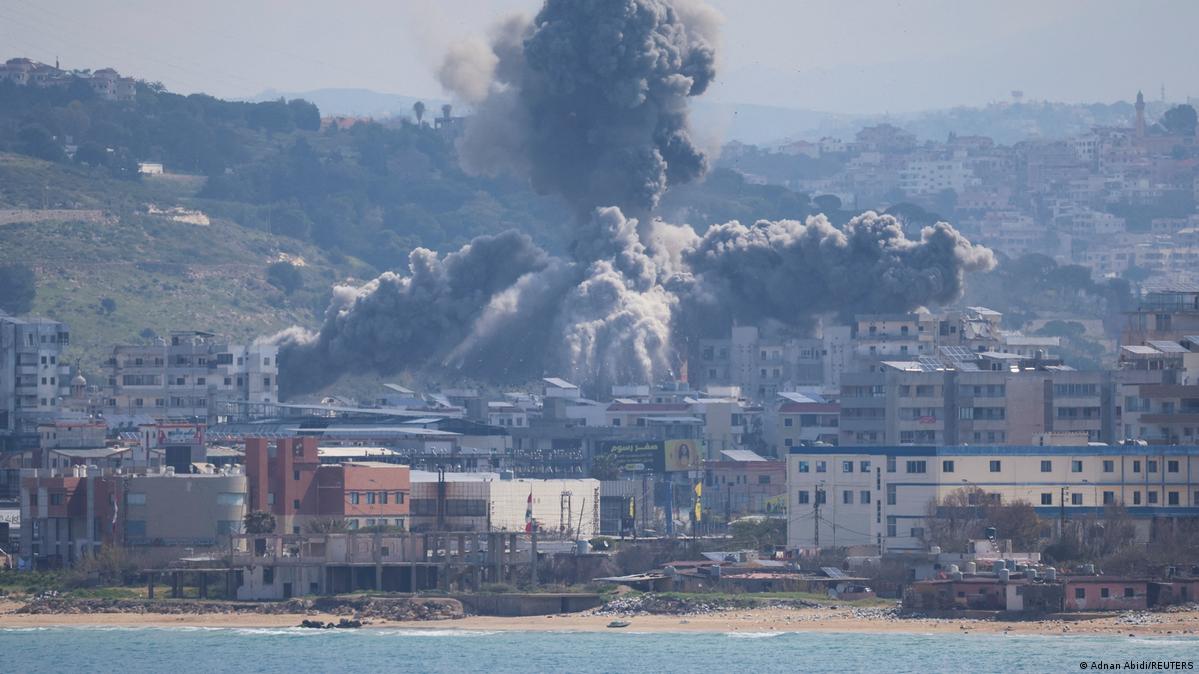
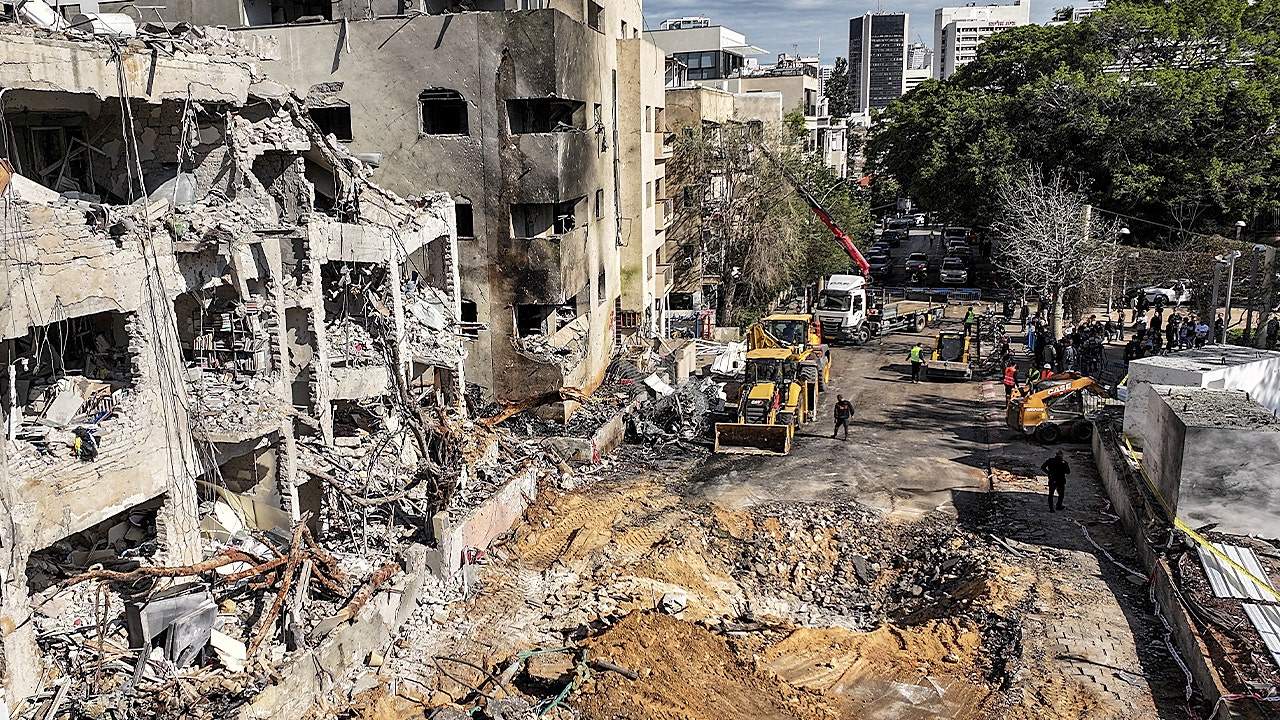
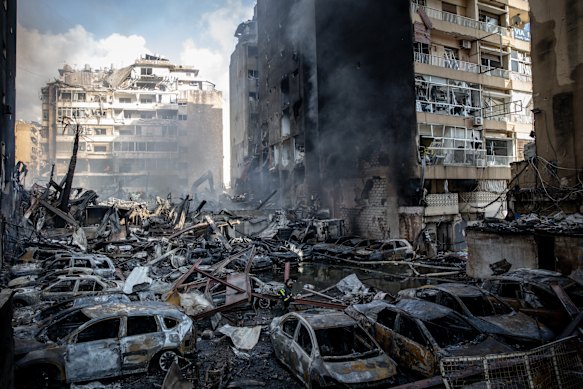
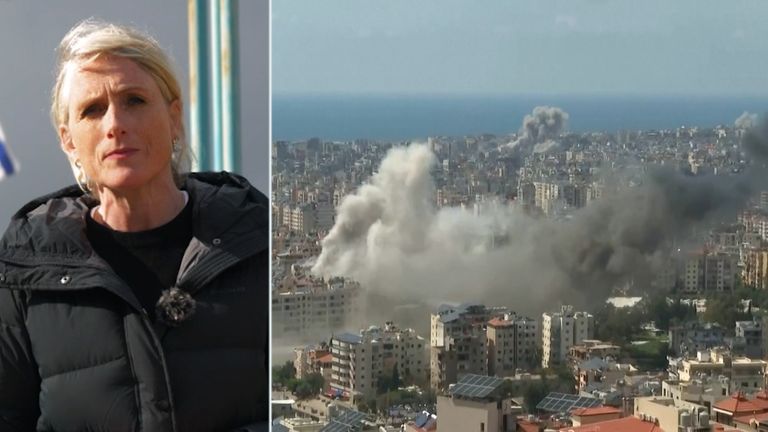
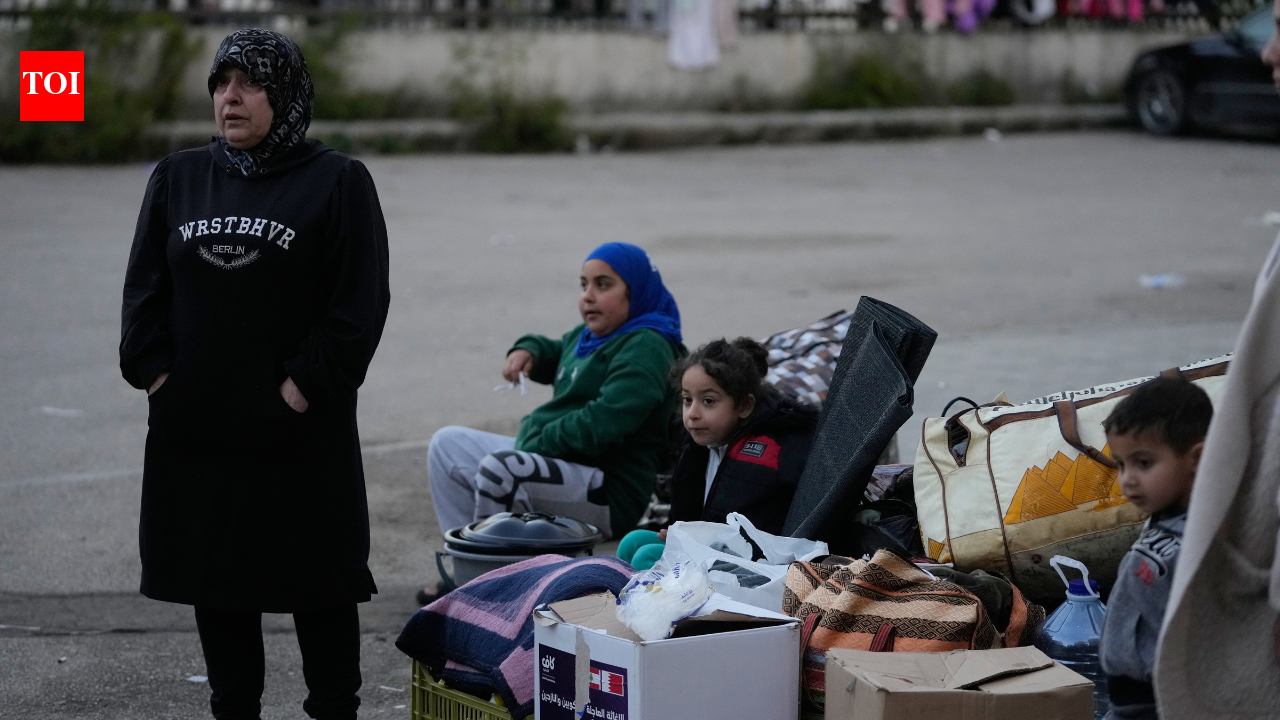
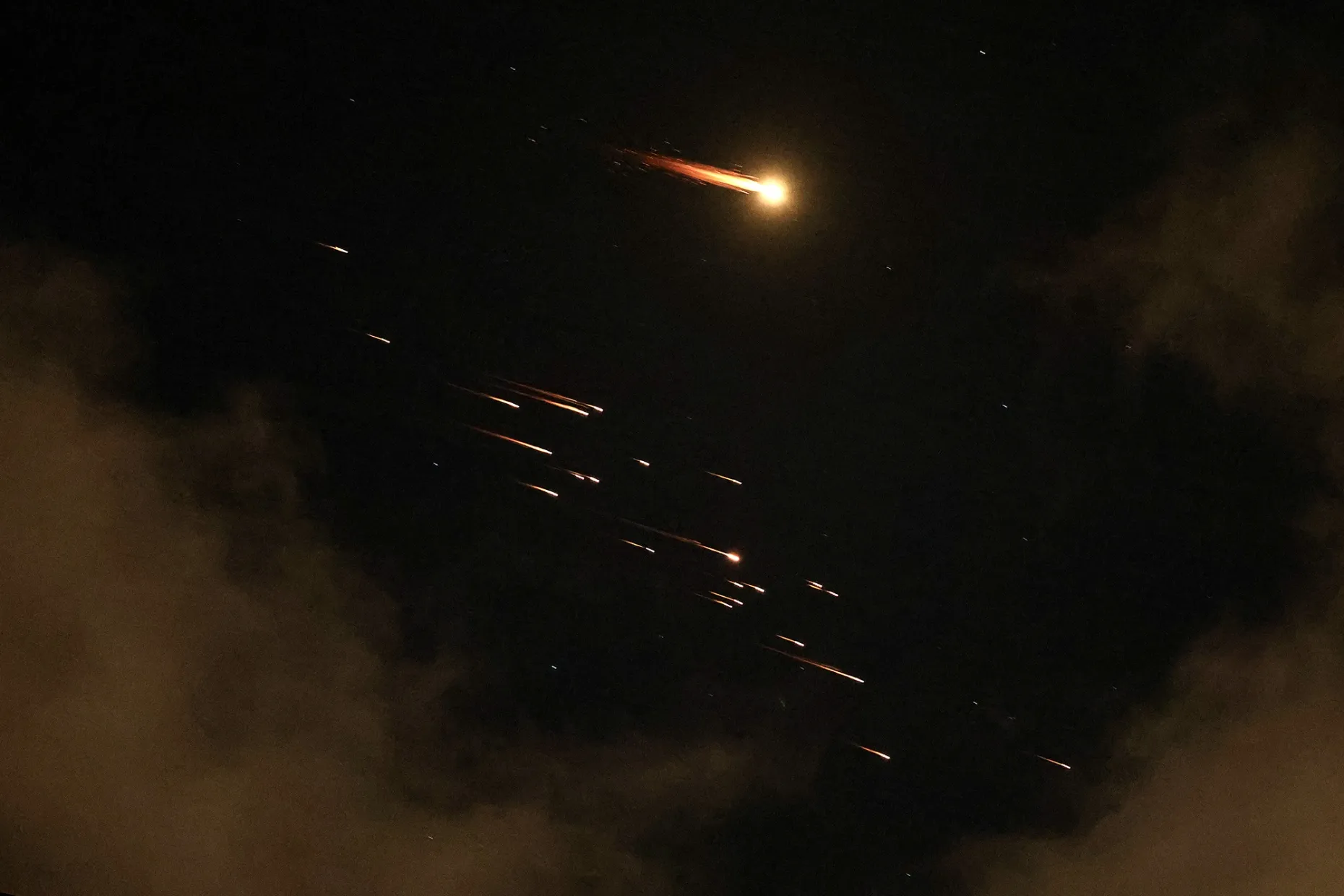
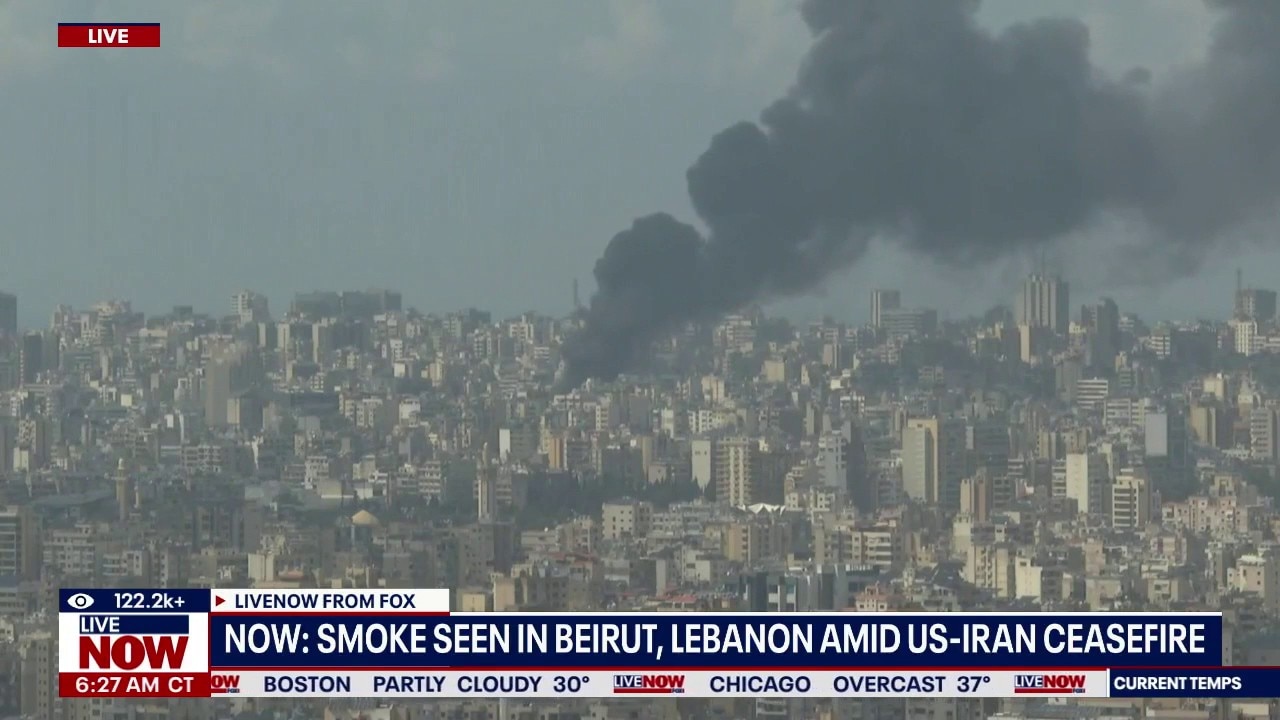
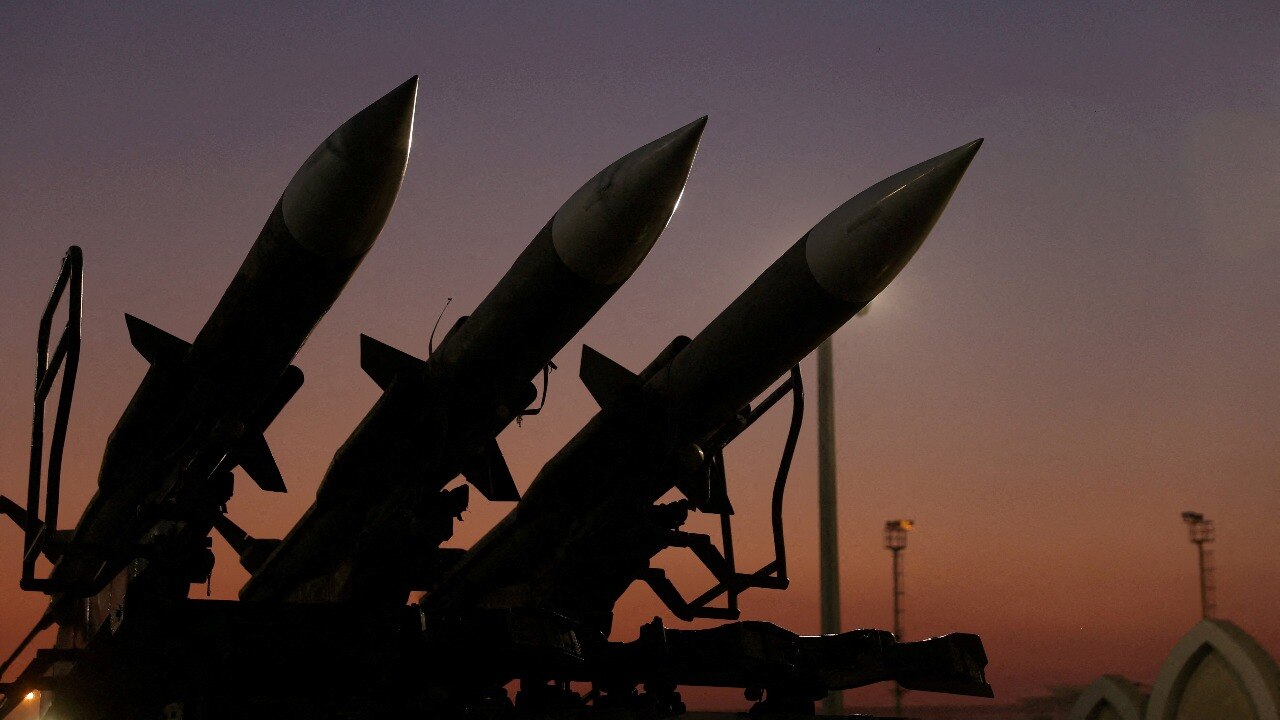
The April 8, 2026 cease-fire between Washington and Tehran has collapsed within hours, with Iran launching coordinated drone and missile attacks across the Persian Gulf region. Kuwait reported significant strikes on oil facilities, power plants, and water-desalination infrastructure, while the UAE intercepted 35 Iranian drones and 17 ballistic missiles with three casualties. This military escalation directly impacts cross-border e-commerce sellers through three critical mechanisms: energy price volatility, shipping route disruptions, and market access uncertainty.
Energy Cost Implications for Sellers: Crude oil prices initially declined on cease-fire optimism but face renewed upward pressure from continued military operations. For sellers relying on energy-intensive logistics—particularly those using air freight, refrigerated shipping, or operating 3PL fulfillment centers in the region—fuel surcharges typically increase 8-15% during geopolitical crises. Sellers shipping electronics, pharmaceuticals, perishables, or temperature-controlled goods to Gulf markets (UAE, Saudi Arabia, Kuwait) face immediate cost pressures. Historical precedent from 2022 energy crises shows sellers absorbed 12-18% margin compression before adjusting pricing, creating a 60-90 day window of reduced profitability.
Shipping Route Vulnerability: The Persian Gulf handles approximately 21% of global maritime trade, with the Strait of Hormuz serving as the critical chokepoint for 80% of Middle Eastern oil exports. Military escalation increases insurance premiums for vessels transiting these waters by 2-4%, while some shipping lines implement route diversification (longer Suez Canal passages adding 7-10 days transit time). Sellers with inventory in Gulf region fulfillment centers face potential supply chain delays and increased demurrage costs. The fragility of the cease-fire—evidenced by attacks continuing within hours of agreement—suggests sustained uncertainty rather than temporary disruption, extending the operational impact window to 3-6 months minimum.
Market Access Compression: The UAE and Kuwait represent significant e-commerce markets for cross-border sellers, with combined online retail spending exceeding $15B annually. Infrastructure damage to power plants and water systems creates immediate logistics challenges for last-mile delivery networks. Sellers with active operations in these markets should expect 15-25% delivery delays and potential customer service escalations. The broader geopolitical uncertainty may suppress consumer spending in discretionary categories (fashion, electronics, home goods) while increasing demand for essential supplies and emergency preparedness products.
Questions 8
What is the impact on consumer spending in Gulf markets during military escalation?
Market participants initially responded to cease-fire announcement with optimism (stock indices surged, oil prices declined), but continued military operations suggest investor confidence may be premature. Consumer spending typically contracts 10-20% during active military conflicts as households prioritize essential purchases and defer discretionary spending. Sellers in fashion, home goods, and luxury categories should expect demand suppression in UAE and Kuwait markets. Conversely, essential supplies (water filters, generators, medical kits, emergency food) and security products may see 30-50% demand increases. Adjust inventory allocation: reduce discretionary goods by 20-30%, increase essential supplies by 40-60%. Monitor UAE and Kuwait e-commerce platforms for demand signals weekly to optimize product mix.
How does infrastructure damage in Kuwait and UAE impact last-mile delivery networks?
Kuwait's reported damage to power plants and water-desalination systems creates immediate logistics challenges for last-mile delivery networks dependent on electricity and cooling infrastructure. The UAE's interception of 35 drones indicates ongoing air defense operations that may disrupt drone delivery pilots and aerial logistics. Sellers should expect 15-25% delivery delays in affected cities and potential customer service escalations. Power outages may impact cold chain logistics for perishables and pharmaceuticals, increasing spoilage risk. Coordinate with local 3PL providers to identify backup power solutions and alternative delivery routes. Consider offering extended delivery windows (5-7 days vs. standard 2-3 days) in affected markets to manage customer expectations and reduce service failures.