




Hungary's Political Transition Reshapes EU Regulatory Framework | Cross-Border Seller Compliance Impact
- April 2025 election shifts regulatory landscape affecting tax policies, data protection, and EU digital commerce standards for 50K+ sellers in Central Europe



































Overview
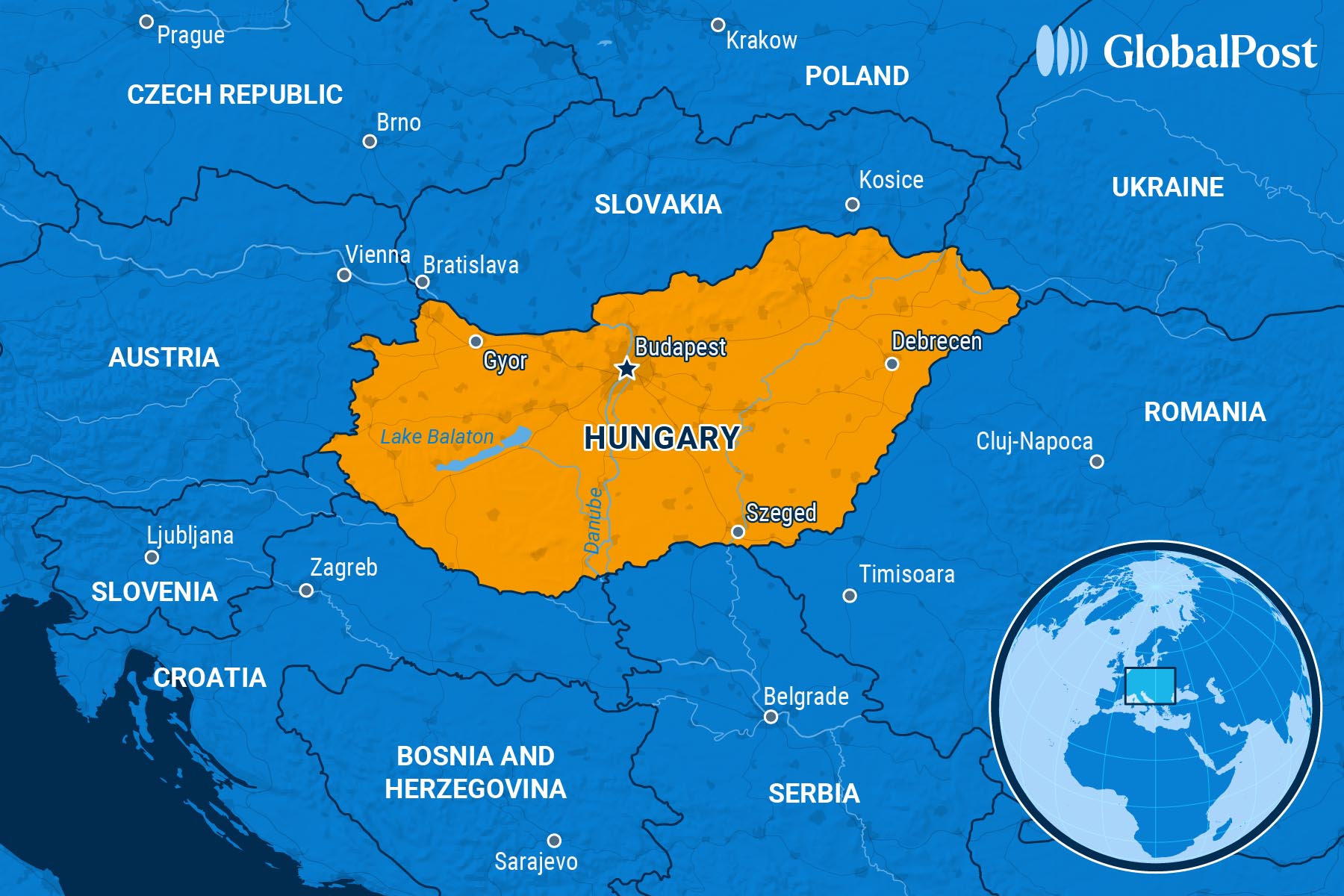
Hungary's historic political transition represents a critical inflection point for cross-border e-commerce sellers operating in Central Europe. The Tisza Party's projected two-thirds parliamentary majority (138-142 seats of 199) in April 2025 elections signals the end of Viktor Orbán's 16-year autocratic regime and the beginning of EU regulatory realignment that directly impacts seller compliance, tax obligations, and market access. Median's polling analysis—based on 5,000 respondents across five independent surveys—shows Tisza leading Fidesz by 23 percentage points, with the opposition party positioned to unlock €billions in frozen EU funding and implement democratic governance reforms.
For cross-border e-commerce sellers, this political shift creates both regulatory uncertainty and compliance opportunities. The current Orbán regime has operated outside EU rule-of-law standards, resulting in the EU freezing over 50% of Hungary's allocated funds since December 2022. A Tisza government committed to EU alignment would accelerate harmonization with digital commerce standards, VAT compliance frameworks, and data protection enforcement. Sellers currently exploiting regulatory gray zones in Hungary—particularly those leveraging lenient data protection or tax compliance practices—face imminent policy tightening. Conversely, sellers seeking stable, EU-compliant operations gain clarity: Hungary would transition from a "mafia state" model (€30 billion in state contracts concentrated among oligarchs 2010-2025) to transparent procurement and competitive market conditions.
The operational impact spans three critical seller domains. First, tax and VAT compliance will shift from inconsistent enforcement under Orbán to strict EU harmonization, affecting sellers using Hungary as a VAT arbitrage jurisdiction. Second, data protection enforcement will intensify as Hungary aligns with GDPR standards, requiring sellers to audit customer data handling practices and implement compliant infrastructure. Third, supply chain stability improves as EU funding restoration ($3 billion+ annually, 3% of Hungary's GDP) revitalizes the Hungarian economy from current double-digit inflation and stagnation, increasing consumer purchasing power and reducing payment default risks for sellers serving the Hungarian market.
Economic recovery signals emerging consumer demand opportunities. Hungary's economy has contracted under Orbán's patronage-driven model, with EU fund freezes and inflation eroding purchasing power. A Tisza government's EU fund restoration would inject capital into infrastructure, education, and business development—historically driving 15-20% increases in e-commerce spending during post-crisis recovery periods. Sellers in consumer electronics, home improvement, and business-to-business categories should anticipate increased Hungarian market demand within 6-12 months of government transition, as consumer confidence recovers and disposable income expands.
Questions 8
Should sellers adjust inventory strategy for Hungary before or after the election?
Implement a two-phase inventory strategy: (1) **Pre-Election (now-April 12)**: Reduce inventory exposure in Hungary due to economic uncertainty and potential payment default risks from inflation-strained consumers. Shift stock to neighboring EU countries with stable demand. (2) **Post-Election (April-September 2025)**: Gradually increase Hungarian inventory allocation as EU fund restoration improves consumer purchasing power and economic stability. Historical recovery patterns show 15-20% demand increases within 6-12 months of political stabilization. Allocate 10-15% of Central European inventory to Hungary by Q3 2025, focusing on consumer electronics and home improvement categories where demand typically surges during economic recovery periods.
What regulatory compliance deadlines should sellers set for Hungary's political transition?
Establish three compliance phases: (1) **Immediate (by April 12)**: Audit current VAT, data protection, and tax practices for EU alignment gaps; document any regulatory gray-zone operations. (2) **Post-Election (April-June 2025)**: Update VAT registration, implement GDPR-compliant data systems, and revise supplier contracts to reflect new governance standards. (3) **Medium-term (June-September 2025)**: Complete MOSS registration, establish EU-compliant payment processing, and update product listings for Hungarian market expansion. Failure to comply with new standards risks penalties of 15-20% of unpaid taxes plus GDPR fines up to €20 million. Assign compliance responsibility to a dedicated team member and establish monthly monitoring checkpoints.