

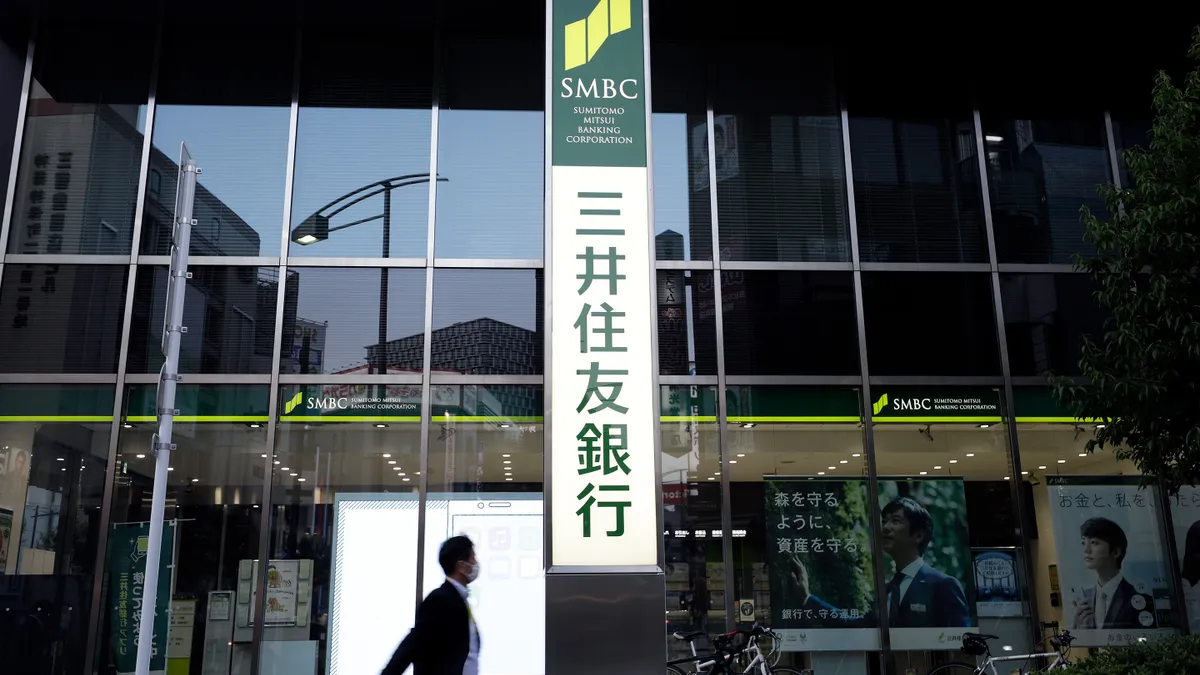

SMBC $50.5M Charlotte Expansion | 2,000 Jobs Drive Regional E-Commerce Growth
- Japanese banking investment creates $13.4B economic stimulus, expanding consumer purchasing power in second-largest US banking hub with implications for seller logistics and market demand
Overview
SMBC Group's $50.5 million expansion to Charlotte, North Carolina announced April 7, 2026, represents a strategic inflection point for cross-border sellers targeting the Southeast U.S. market. The investment will create 2,000 jobs over six years with average salaries of $165,316—nearly double the regional average of $90,706—signaling substantial wealth concentration in Charlotte's financial services corridor. This Japanese banking giant's decision to establish its second U.S. headquarters in Charlotte reflects the city's status as America's second-largest banking center and positions the region as a high-income consumer market with elevated purchasing power for premium e-commerce categories.
Market Expansion Implications for Sellers: The $13.4 billion projected economic growth over 12 years translates to approximately $1.1 billion annually in new regional economic activity. For e-commerce sellers, this creates three distinct opportunities: (1) Premium Product Categories—high-income financial professionals typically purchase luxury goods, professional services, and premium home/office equipment; (2) B2B Services—2,000 new employees require corporate supplies, office furniture, and business technology; (3) Regional Logistics Hub—Charlotte's existing infrastructure as a banking center now gains reinforced logistics capabilities, reducing shipping times and costs for sellers serving the Southeast corridor.
Workforce Demographics and Consumer Behavior: The salary premium ($165,316 vs. $90,706 regional average) indicates SMBC is recruiting senior financial talent, creating a demographic skew toward high-net-worth individuals and dual-income professional households. This segment demonstrates elevated spending on: luxury apparel and accessories (estimated $2,400-3,600 annually per household), home automation and premium furnishings ($1,800-2,400), professional development products ($800-1,200), and experiential services. Japanese corporate culture emphasizes quality and precision, suggesting SMBC employees will favor sellers offering premium positioning, detailed product specifications, and white-glove customer service—differentiating from mass-market competitors.
Infrastructure and Logistics Advantages: The $23.3 million directed to rural infrastructure upgrades through North Carolina's Industrial Development Fund strengthens the state's supply chain capabilities. Charlotte's existing position as a major distribution hub (served by multiple 3PL providers and FedEx/UPS regional centers) gains additional capacity. Sellers can expect improved fulfillment speeds to Southeast markets and potentially lower regional shipping rates as infrastructure investment reduces logistics bottlenecks. The 12-year grant timeline suggests sustained infrastructure improvements, creating long-term competitive advantages for sellers positioned in or shipping through Charlotte.
Questions 8
How should sellers position their brands for Charlotte's high-income demographic?
SMBC employees earning $165,316 average salary represent affluent, quality-conscious consumers who value premium positioning, brand heritage, and detailed product information. Seller positioning strategies should emphasize: (1) Premium quality and craftsmanship over price competition; (2) Comprehensive product specifications, materials sourcing, and manufacturing details; (3) Established brand reputation and customer testimonials; (4) Personalized customer service and white-glove support; (5) Sustainability and ethical sourcing (aligned with Japanese corporate values). Avoid mass-market positioning, aggressive discounting, or low-quality product associations. Consider Charlotte-specific marketing campaigns highlighting premium positioning, professional endorsements, and quality assurance. This demographic responds to value-based messaging rather than price-driven promotions.
What timeline should sellers use for Charlotte market expansion planning?
SMBC's 2,000 jobs will be created over six years (2026-2032), with peak hiring likely occurring in years 2-4 as operations scale. The 12-year economic growth projection (2026-2038) indicates sustained regional expansion and infrastructure improvements. Sellers should begin market positioning immediately to capture early-stage demand from initial hires and corporate setup phases. Phase 1 (2026-2027): Establish premium product listings and Charlotte-targeted marketing. Phase 2 (2027-2029): Scale inventory and optimize regional logistics. Phase 3 (2029-2032): Expand product categories as workforce stabilizes. This timeline aligns with infrastructure improvements and workforce growth cycles.