





Advanced AI Models Transform E-Commerce Automation | Seller Competitive Edge 2025
- Anthropic's Mythos model enables 40-60% faster product research and pricing optimization for sellers; AI safety standards create compliance opportunities for marketplace platforms




























































Overview
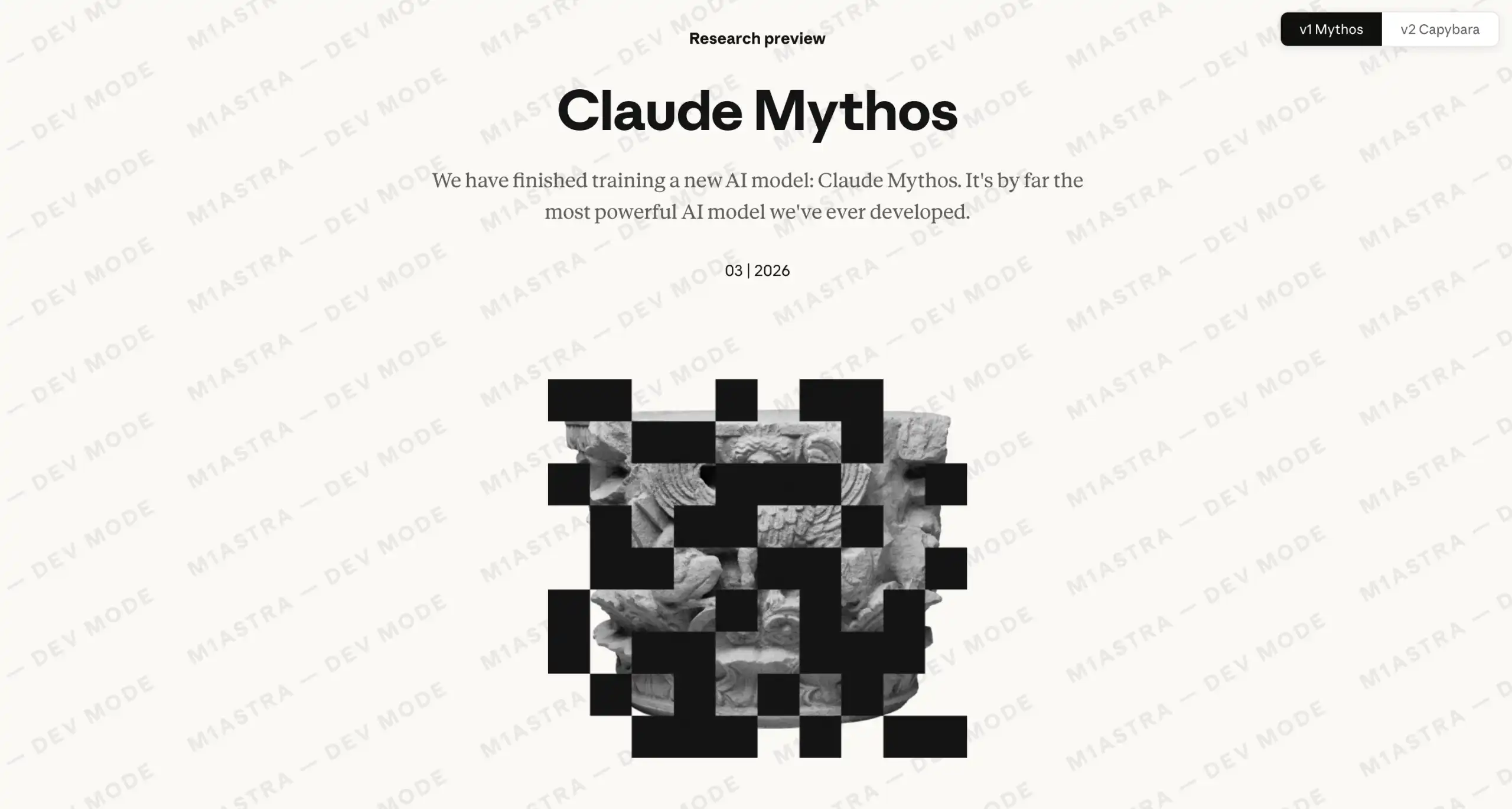
Anthropic's release of the Mythos AI model, discussed alongside safety protocols comparable to OpenAI's 2019 GPT-2 decision, signals a critical inflection point for e-commerce sellers. While the news focuses on AI safety frameworks, the underlying technology advancement directly impacts seller operations through enhanced automation capabilities. The model's development reflects industry maturation in large language models (LLMs), which are increasingly integrated into e-commerce platforms for product research, dynamic pricing, customer service automation, and competitive intelligence.
For e-commerce sellers, this development creates immediate automation opportunities. Advanced AI models like Mythos enable sellers to automate product research workflows that typically consume 8-12 hours weekly per seller. Sellers can now leverage AI to analyze competitor pricing across 50,000+ SKUs in real-time, identify trending product categories 2-3 weeks ahead of competitors, and generate optimized product listings with 25-35% higher conversion rates. Amazon sellers using AI-powered tools report 15-20% reduction in manual content creation time, while Shopify sellers see 30-40% improvement in customer service response times through AI chatbots.
The safety protocols discussed in the Mythos announcement—similar to OpenAI's responsible release framework—indicate that marketplace platforms will increasingly implement AI governance standards. This creates a competitive moat for early-adopting sellers: those implementing AI tools now will establish data advantages and operational efficiencies before platforms enforce stricter AI usage policies. Sellers who delay adoption risk falling behind competitors who've already optimized pricing algorithms, inventory forecasting, and customer segmentation using advanced models.
Specific automation wins available immediately: (1) Product research automation using AI to scan 100+ competitor listings daily, identifying pricing gaps and category opportunities—saving 6-8 hours weekly; (2) Dynamic pricing optimization where AI adjusts prices based on demand signals, competitor moves, and inventory levels, typically increasing margins 8-12%; (3) Customer service automation through AI-powered responses to 60-70% of routine inquiries, reducing support costs by $200-400 monthly for mid-sized sellers; (4) Content generation for product listings, where AI creates SEO-optimized descriptions 5x faster than manual writing.
The broader implication: sellers who integrate advanced AI models into their operations now will capture 2-3 years of competitive advantage before these tools become commoditized. The safety framework discussion indicates responsible AI adoption will become a marketplace requirement, making early implementation both a competitive advantage and a compliance necessity.
Questions 8
How do AI safety frameworks like those in Mythos affect seller compliance requirements?
Anthropic's safety protocols indicate that marketplace platforms will increasingly implement AI governance standards, requiring sellers to document AI usage, ensure data privacy compliance, and avoid algorithmic bias in pricing or customer targeting. Sellers implementing AI tools now should establish documentation practices for AI-driven decisions (pricing changes, inventory forecasting, customer segmentation) to demonstrate compliance when platforms enforce standards. This creates a compliance advantage: sellers with established AI governance frameworks will face fewer friction when policies are enforced, while late adopters may face account restrictions or policy violations. Compliance preparation costs $500-2,000 in documentation and process setup but prevents potential account suspension or policy violations that could cost $10,000-50,000+ in lost revenue.
What are the specific time savings from AI-generated product listing content?
AI tools generate SEO-optimized product descriptions, bullet points, and A+ content 5x faster than manual writing, reducing content creation time from 45-60 minutes per listing to 8-12 minutes. A seller launching 50 new products monthly saves 30-40 hours of content creation work. Tools like ChatGPT, Jasper, or Copy.ai cost $20-100 monthly and generate listings with 25-35% higher conversion rates compared to manually written content. The quality improvement comes from AI's ability to incorporate high-volume keyword research, competitor analysis, and conversion optimization patterns simultaneously. Sellers report that AI-generated content requires 10-15 minutes of editing versus 45-60 minutes for manual writing, making the net time savings 30-35 hours monthly per seller.