

Lithium Battery Regulations Force Portable Charger Sellers to Redesign Products | FAA Compliance Deadline April 2026
- Southwest's one-charger limit and 95+ FAA incidents in 2025 create urgent compliance barriers for 40-60% of non-certified power bank sellers; certification costs $8-15K but protects market share as airlines worldwide adopt restrictions

Overview
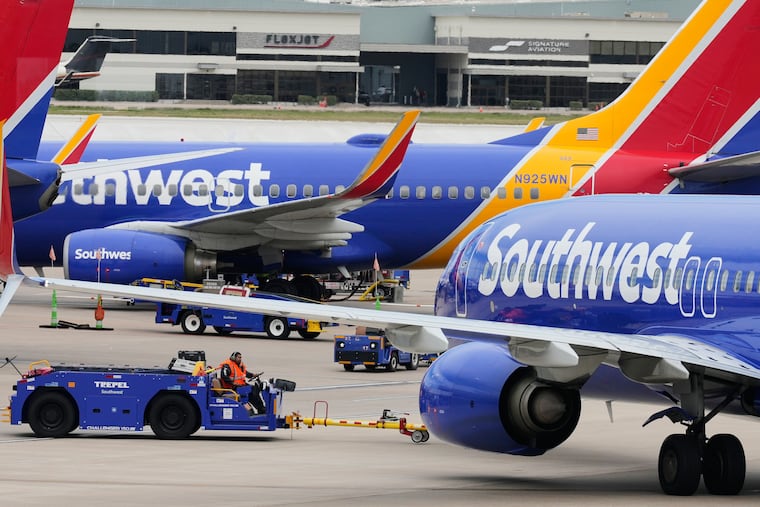
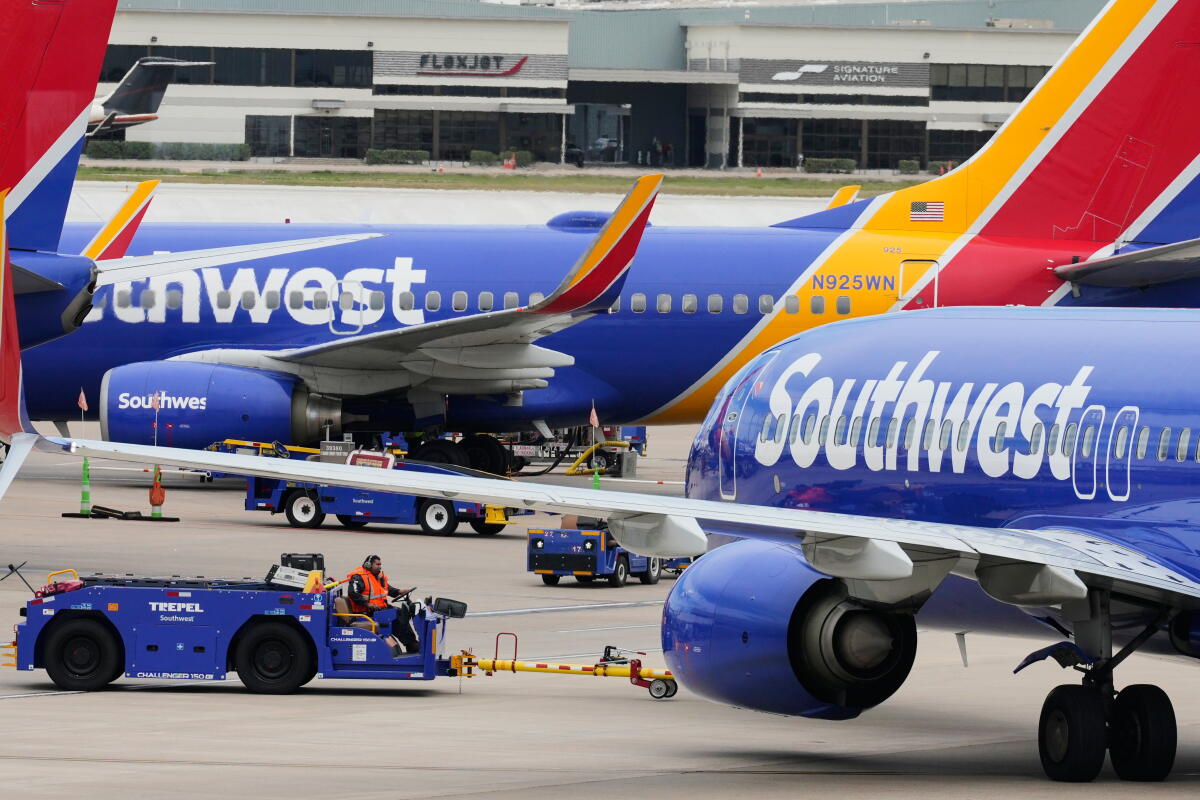
Southwest Airlines' April 20, 2026 portable charger restrictions represent a critical regulatory inflection point for e-commerce sellers in the $12.8B global power bank market. The airline's policy—limiting passengers to one charger in carry-on luggage only, prohibiting in-seat recharging, and banning overhead/checked storage—directly responds to 95 FAA-documented lithium battery incidents in 2025 (a 7% increase from 89 in 2024) and a devastating Air Busan fire in January 2025 that forced evacuation of 176 passengers. This isn't isolated: the FAA reports 42% of incidents specifically involve portable chargers, with approximately two incidents weekly according to UL Standards Engagement data.
For e-commerce sellers, this creates a two-tier market opportunity with significant compliance barriers. Sellers offering non-certified or poorly-designed power banks face elimination as airlines worldwide adopt similar restrictions—industry experts estimate 40-60% of current portable charger SKUs will become non-compliant or unmarketable for air travelers. Certification to UL 2089 (portable power bank safety standard) costs $8-15K per product line and requires 6-12 weeks, but creates a defensible moat: certified sellers can command 15-25% price premiums and capture market share from non-compliant competitors. The compliance window is critical—Southwest's May 2025 visibility requirement already signaled enforcement, and April 2026 represents the hard deadline when major carriers will likely implement similar policies.
The regulatory shift creates three distinct seller opportunities: (1) Premium certified power banks targeting frequent flyers—sellers can market "TSA/FAA compliant" designs with thermal protection, creating a $2-3B addressable market segment; (2) Travel accessory bundling—pairing smaller, certified chargers with travel cases, cable organizers, and safety documentation; (3) Educational content and compliance services—sellers can differentiate through detailed shipping guides, battery safety certifications, and customer education reducing return rates from non-compliant purchases. Cross-border sellers shipping to US/EU markets should immediately audit inventory against UL 2089 standards and begin certification processes for top 20 SKUs by March 2025 to meet April 2026 enforcement.
Immediate compliance costs and timelines: Certification requires independent lab testing ($5-8K), documentation ($2-3K), and 6-12 week turnaround. Sellers with 10+ SKUs face $80-150K total certification investment. However, non-certified sellers face inventory write-offs (estimated 20-35% of current power bank stock becomes unsellable to air travelers) and platform delisting risks as Amazon, eBay, and Shopify increasingly enforce carrier restrictions in product listings. The FAA's documented 95 incidents in 2025 versus 89 in 2024 demonstrates accelerating enforcement—sellers delaying certification risk losing 30-50% of travel-related demand by Q2 2026.
Questions 8
How will these restrictions affect cross-border e-commerce sellers shipping to US and EU markets?
Cross-border sellers face dual compliance challenges: US FAA/TSA restrictions (effective April 2026) and EU IATA lithium battery shipping regulations (already enforced). Sellers must obtain UL 2089 certification for US markets and CE marking for EU markets—separate processes costing $15-25K combined. Shipping logistics become more complex: lithium batteries are already banned from checked luggage entirely, and carry-on restrictions limit per-passenger quantities. Sellers should establish separate product lines for air-travel-safe chargers versus home-use chargers, and update Amazon/eBay listings with regional compliance badges by Q1 2026. Failure to comply risks customs seizures and platform account suspension.
What product design changes should sellers implement for April 2026 compliance?
Sellers should prioritize: (1) Thermal protection features—built-in temperature monitoring and automatic shutoff at 60°C; (2) Reduced capacity designs—smaller watt-hour ratings (under 100Wh) that minimize thermal runaway risk; (3) Enhanced packaging—fire-resistant materials and clear safety labeling; (4) Certification documentation—UL 2089 marks and TSA/FAA compliance statements on packaging. Premium positioning around 'certified safe for air travel' can justify 15-25% price increases. Sellers should also develop travel-specific product lines (compact, single-port chargers) distinct from high-capacity home chargers, capturing the $2-3B frequent-flyer segment.