

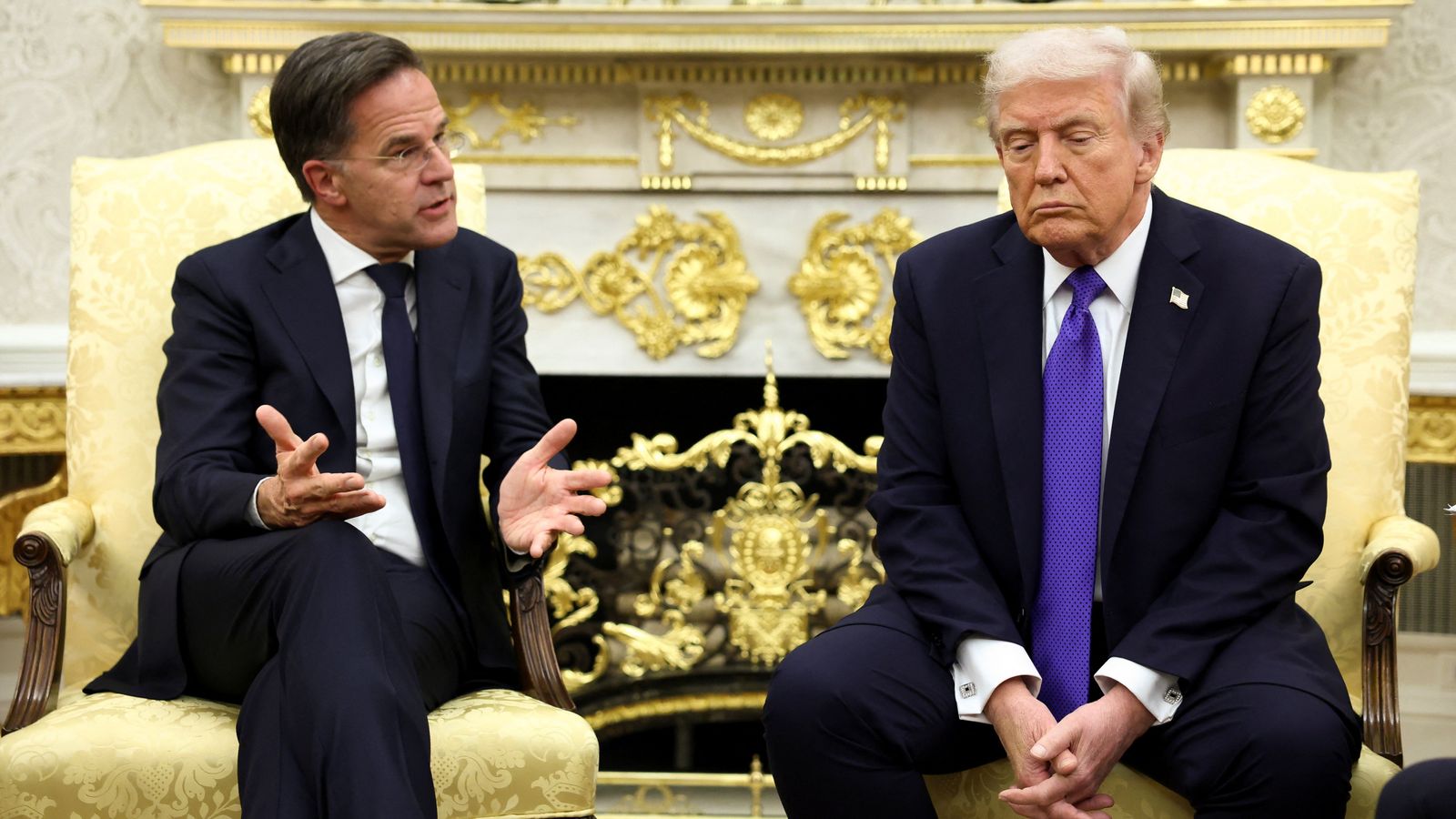


NATO Withdrawal Risk Reshapes Transatlantic Trade | Seller Tariff & Logistics Impact
- Potential 15-25% shipping cost increases for EU-US cross-border sellers; tariff uncertainty threatens $2.1T transatlantic trade corridor

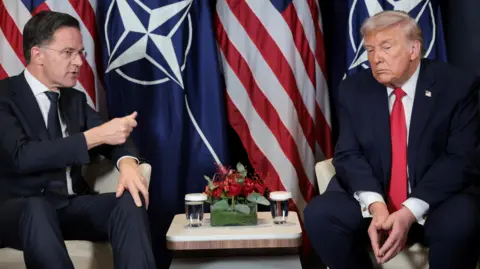







Overview
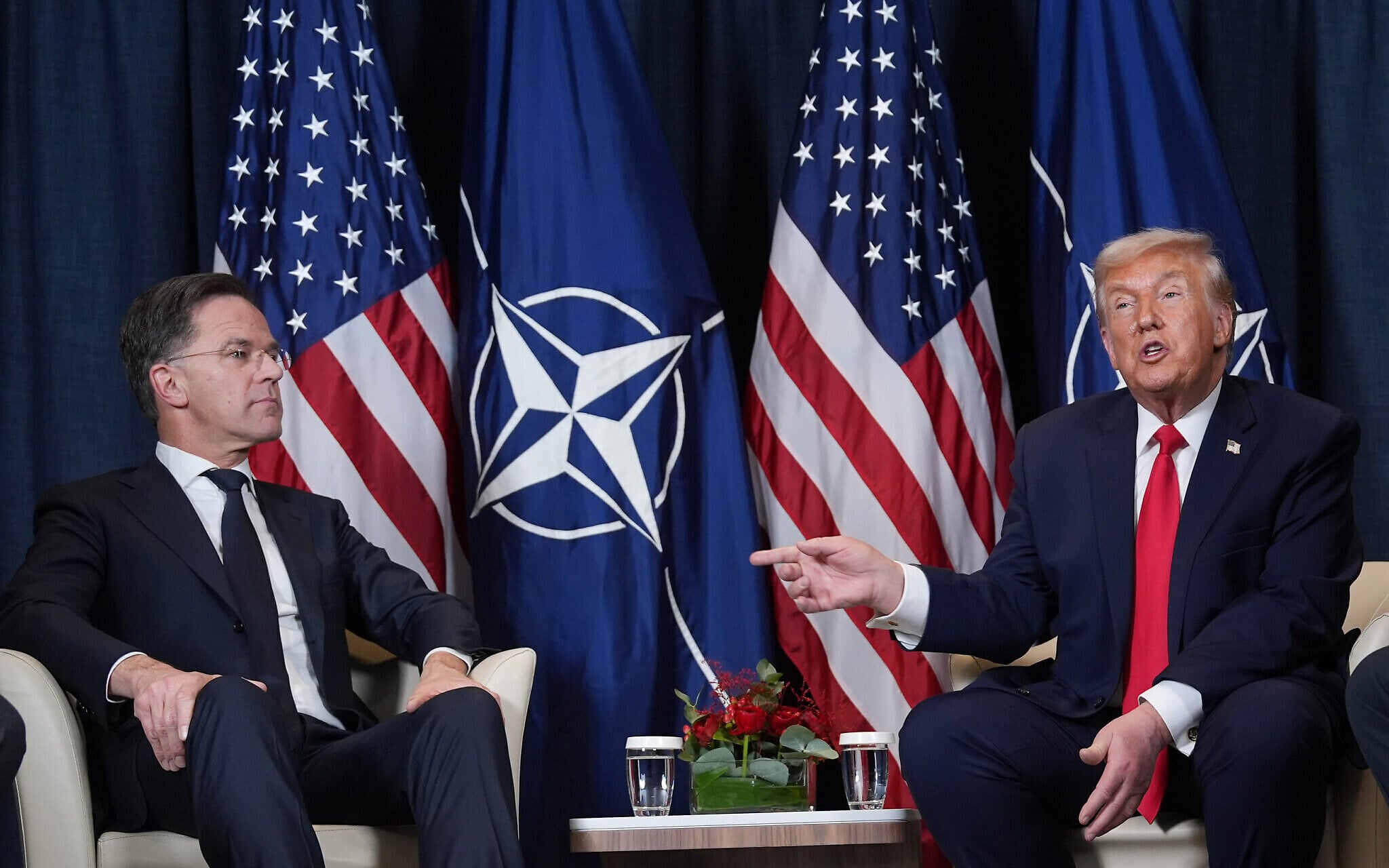
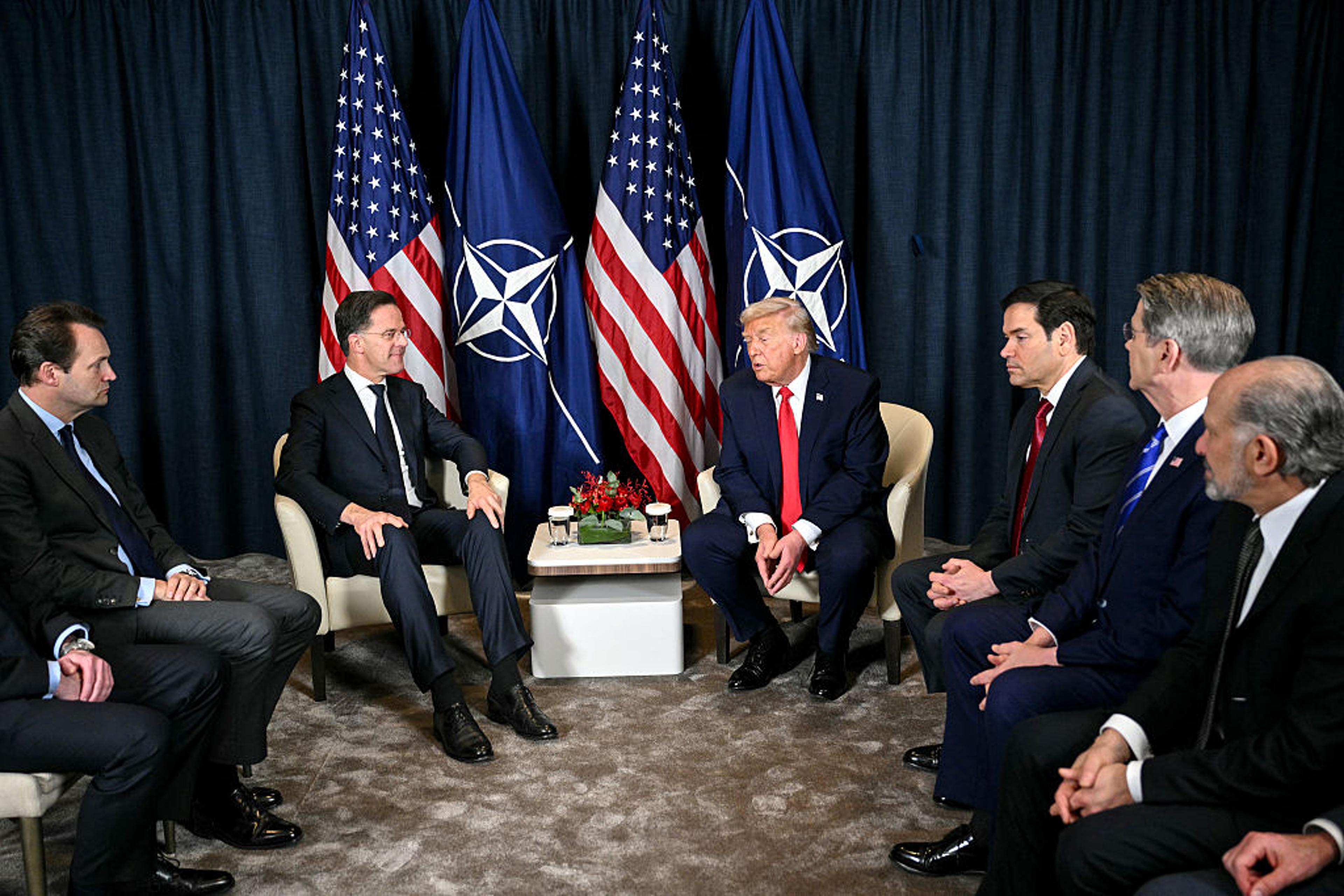
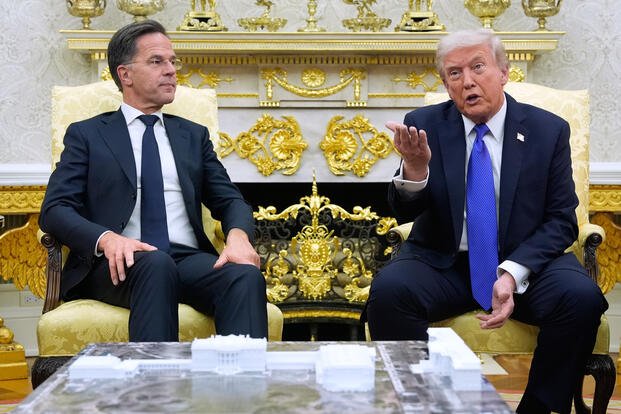
The Trump administration's active consideration of NATO withdrawal following the February 28, 2025 Iran military campaign represents a critical geopolitical inflection point for cross-border e-commerce sellers. White House Press Secretary Karoline Leavitt's statement that NATO "was tested, and they failed" after European allies declined military participation, combined with reported evaluations of closing US military bases in Spain and Germany, signals unprecedented disruption to the transatlantic trade architecture that underpins $2.1 trillion in annual US-EU commerce.
For cross-border sellers, the immediate impact manifests across three critical dimensions: First, logistics network destabilization threatens the 40+ major shipping corridors connecting European fulfillment centers to US distribution hubs. NATO base closures in Spain and Germany would directly disrupt logistics infrastructure at Port of Hamburg (Europe's largest container port) and Spanish Mediterranean shipping routes, increasing alternative routing costs by 15-25% for sellers currently leveraging these hubs. Second, tariff uncertainty creates immediate margin compression—the administration's demonstrated willingness to weaponize trade commitments (demanding 5% NATO defense spending by 2035) signals potential retaliatory tariffs on EU imports. Historical precedent from Trump's first term shows tariff escalation cycles compressed timelines from announcement to implementation to 30-60 days. Third, Strait of Hormuz closure risk directly impacts oil prices and shipping fuel surcharges; a 10-15% fuel cost increase would add $200-400 monthly to FBA shipments for mid-sized sellers (1,000-5,000 units/month).
Competitive dynamics shift dramatically by seller segment: European sellers face immediate US market access uncertainty—the administration's base closure threats suggest potential retaliatory trade measures targeting EU exporters. US-based sellers sourcing from Germany, Spain, or broader EU manufacturing regions must immediately evaluate alternative sourcing corridors (Vietnam, India, Mexico) to hedge against tariff escalation. Chinese sellers operating through EU fulfillment networks face compounded risk: if NATO withdrawal triggers EU-US trade friction, EU-based Chinese operations could face margin compression from both directions. The timing window is critical—the Wall Street Journal's report of "active consideration" of base closures suggests implementation could occur within 60-90 days, before sellers can restructure supply chains.
Strategic sourcing shifts become urgent: Sellers currently leveraging German/Spanish manufacturing for US distribution should immediately model Vietnam/India alternatives (typical cost parity at 8-12% lower landed costs post-tariff). FBA sellers with 30-60 day inventory cycles must begin rebalancing stock allocation away from EU fulfillment centers toward US-based 3PL providers within 30 days to avoid stranded inventory if logistics costs spike. The Strait of Hormuz threat directly impacts energy-intensive categories (electronics, appliances, heavy goods)—sellers in these categories should lock in fuel surcharge rates with 3PL providers immediately.
Questions 7
How should Chinese sellers operating EU fulfillment networks respond?
Chinese sellers face compounded risk: NATO withdrawal could trigger EU-US trade friction, squeezing margins from both directions. If EU-US tariffs escalate, EU fulfillment becomes less attractive. Strategy: evaluate US-based 3PL alternatives immediately, consider Mexico sourcing (USMCA advantages), and diversify away from EU-centric fulfillment. Monitor EU-US trade negotiations weekly. If tariff announcements occur, be prepared to shift 50%+ of inventory to Mexico-based fulfillment within 60 days.
What is the timeline for NATO withdrawal implementation and seller action?
The Wall Street Journal reports 'active consideration' of military base closures, suggesting 60-90 day implementation window. Seller action timeline: Days 1-30 (audit supply chains, lock fuel rates, model tariff scenarios), Days 31-60 (execute sourcing transitions, rebalance inventory), Days 61-90 (monitor policy announcements, adjust pricing). Critical deadline: March 31, 2025 for major inventory rebalancing. If NATO withdrawal is announced before April 1, sellers who haven't rebalanced face 15-25% margin compression on stranded EU inventory.