



MLB Draft Strategy Enters a New Era of Talent Acquisition and Organizational Rebuilding
- Emerging Talent Evaluation Reshapes Team Development Strategies Across Major League Baseball














Overview
The 2026 MLB draft landscape reveals a profound transformation in how professional baseball organizations approach talent acquisition and long-term team building. At the epicenter of this strategic shift are nuanced approaches to prospect evaluation that go far beyond traditional scouting metrics.
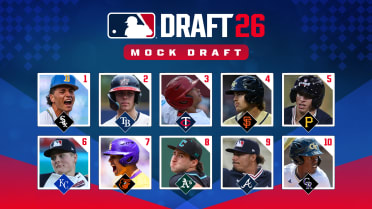
Talent Acquisition Dynamics are becoming increasingly sophisticated, with teams like the White Sox demonstrating a calculated approach to draft selection. The competition between Roch Cholowsky and Grady Emerson exemplifies a broader trend of valuing not just raw performance, but potential for sustained development. Cholowsky's impressive .353/.480/.710 batting statistics contrast with his postseason inconsistencies, while Emerson represents a younger, more malleable prospect with significant upside.
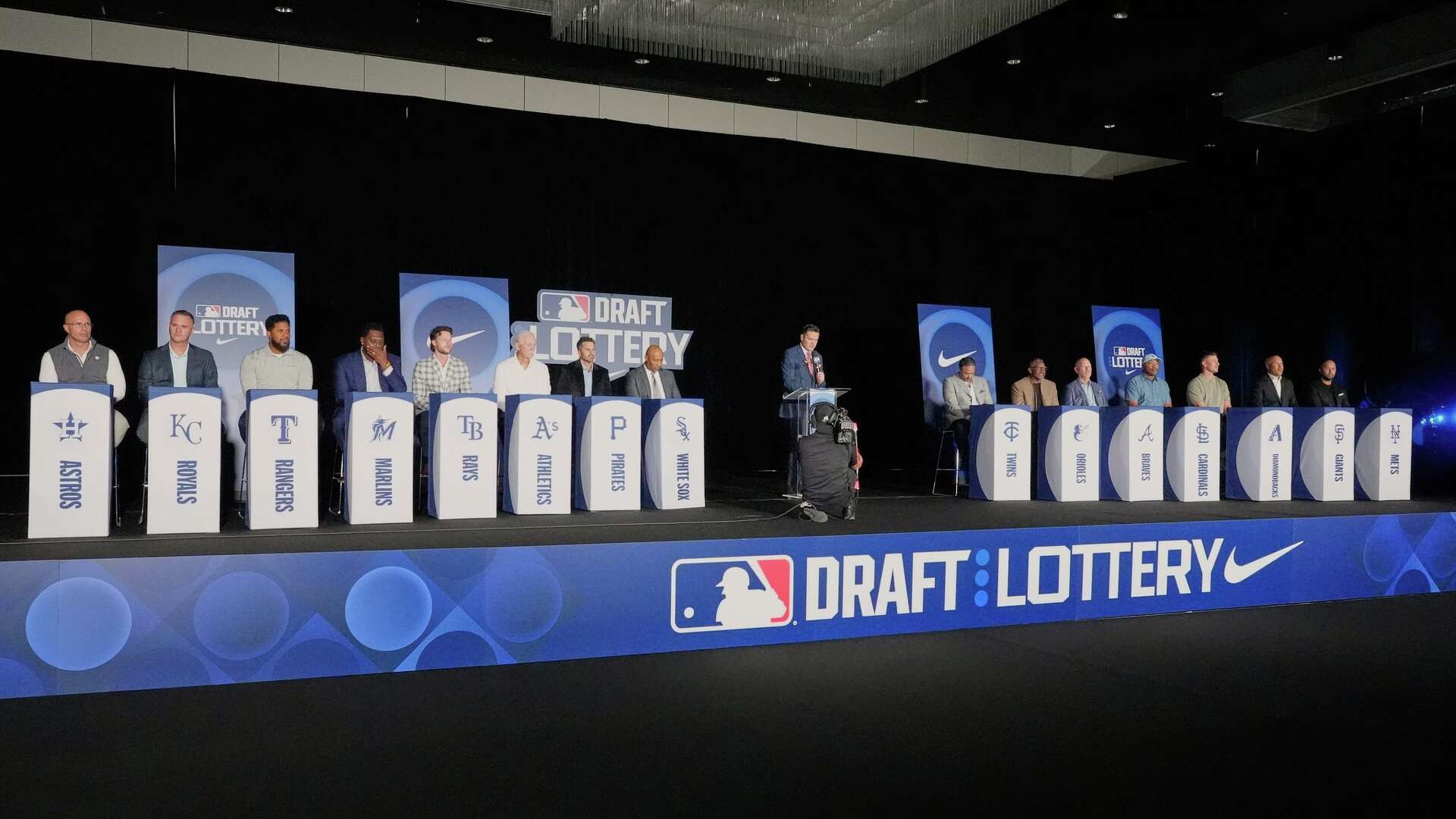
The draft positioning strategy emerges as a critical organizational consideration. Teams like the Cardinals and Braves are navigating the complexities of draft order with surgical precision. Dropping to the 13th overall pick isn't just a numerical setback—it's a strategic challenge that demands innovative talent identification. The San Francisco Giants' cautious yet deliberate approach during the Winter Meetings further underscores this trend of measured, long-term organizational planning.
Market Dynamics in player recruitment are evolving rapidly. The interest in players like Brendan Donovan and potential free agents such as Cody Bellinger highlights a competitive landscape where organizational agility determines success. Teams are no longer just selecting players; they're curating potential, balancing immediate performance with long-term developmental trajectories.
The emerging paradigm suggests a holistic approach to team building: young talent, strategic drafting, and patient development are becoming more valuable than quick, high-cost acquisitions. Organizations are increasingly viewing draft picks as complex investments, requiring nuanced evaluation of not just current capabilities, but future potential.
Questions 3
What makes a prospect valuable in the current MLB landscape?
Modern prospects are evaluated on multiple dimensions: statistical performance, postseason resilience, age, positional flexibility, and alignment with team's long-term strategic vision. Players like Grady Emerson, who offer youth and potential for growth, are increasingly prized.
How do draft positioning changes impact team strategies?
Lower draft positions force teams to become more strategic and innovative in talent identification. The Cardinals' drop to the 13th pick means they must be more precise in evaluating prospects, potentially focusing on overlooked talents or unique skill sets that other teams might miss.