




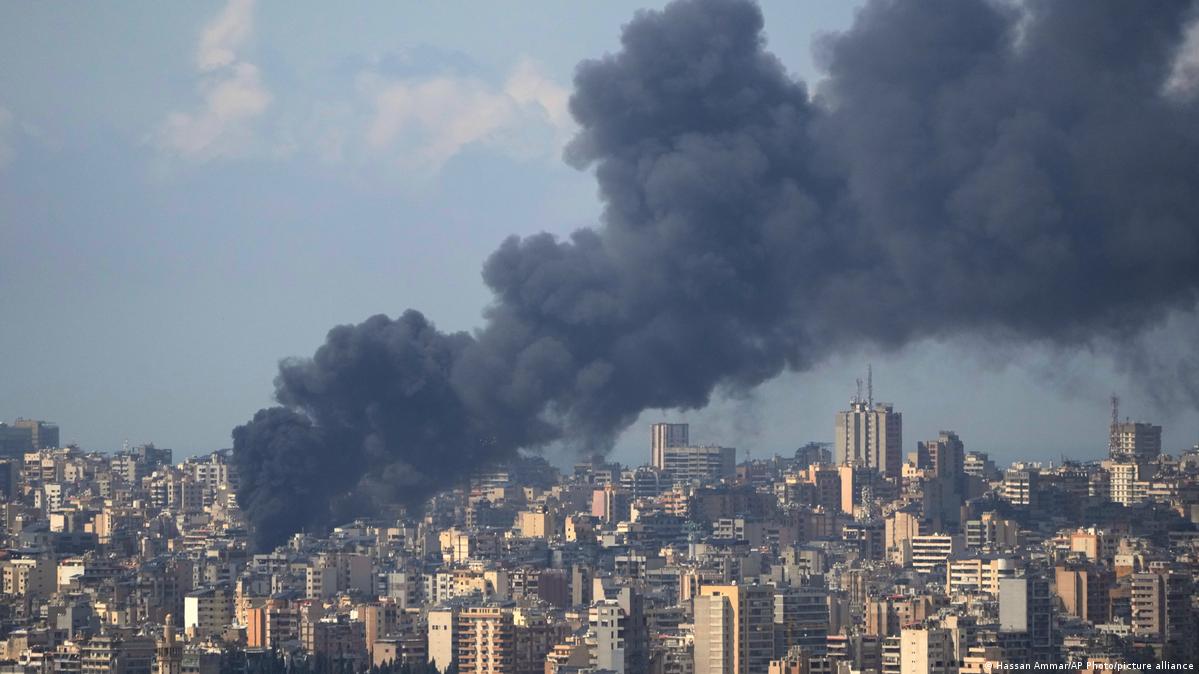

Strait of Hormuz Shipping Disruption | Cross-Border Sellers Face Supply Chain Risk April 2026
- Fragile Iran-US ceasefire threatens critical oil chokepoint; zero tanker traffic despite White House claims creates 15-25% shipping cost volatility for sellers importing from Asia

























































Overview
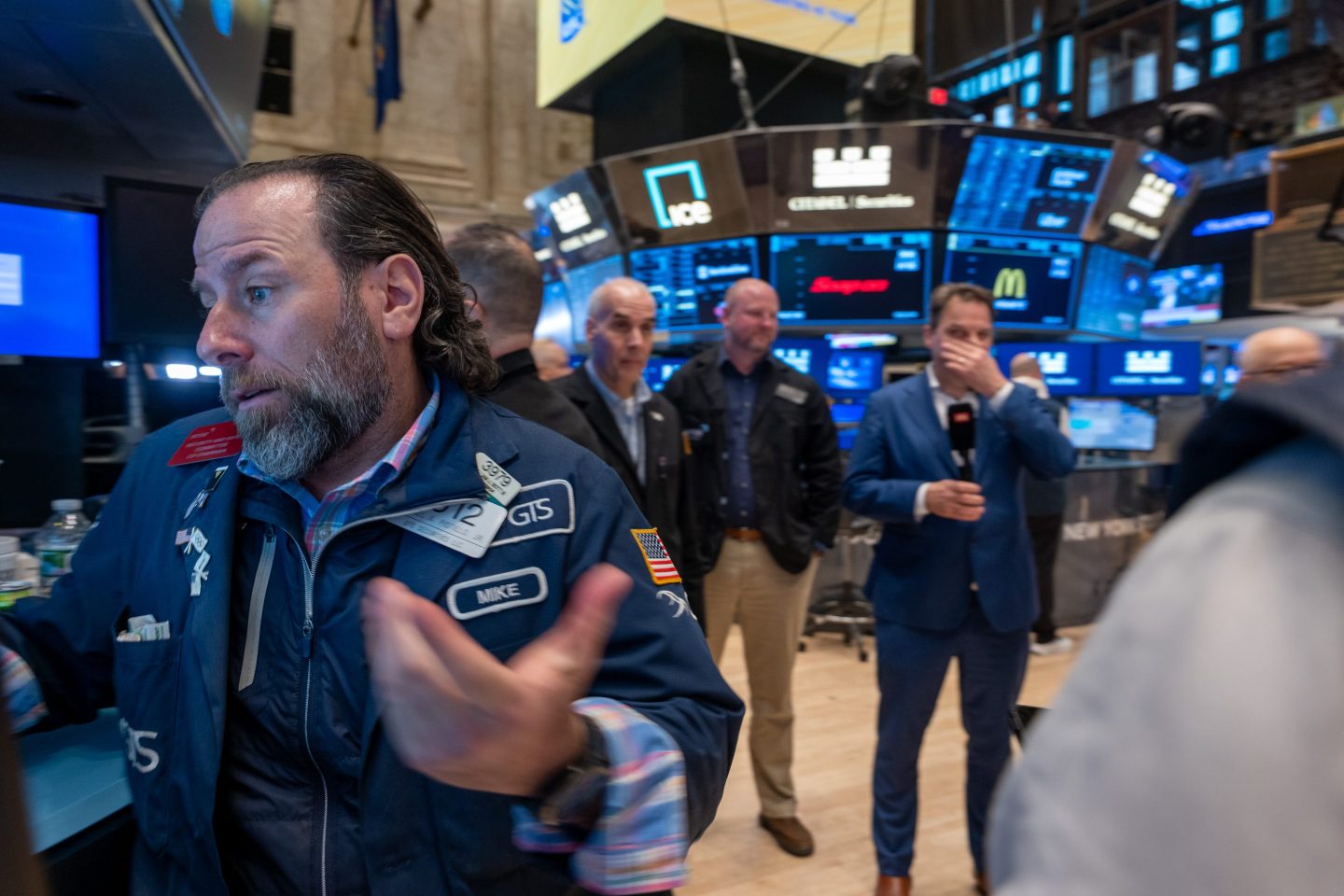
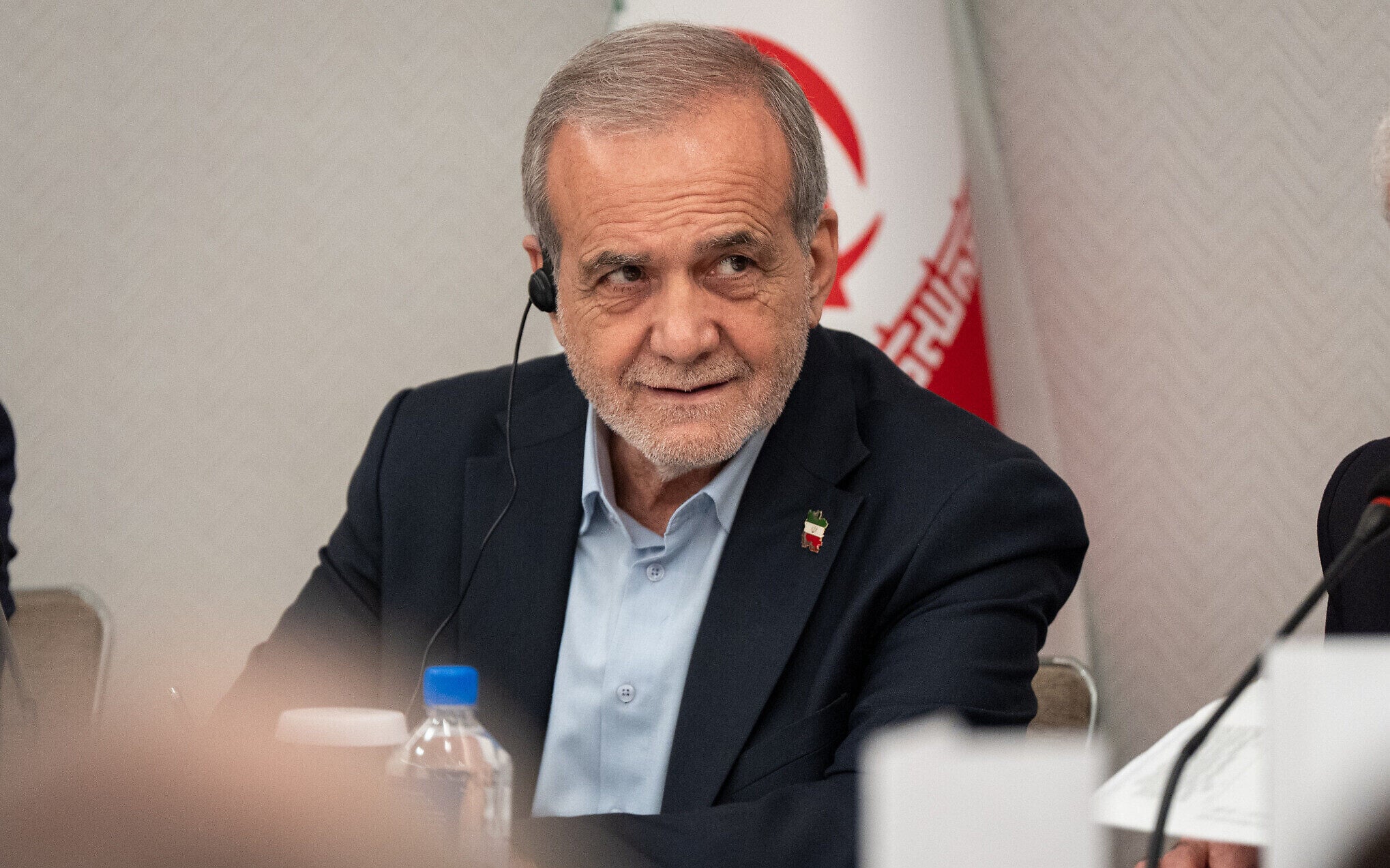
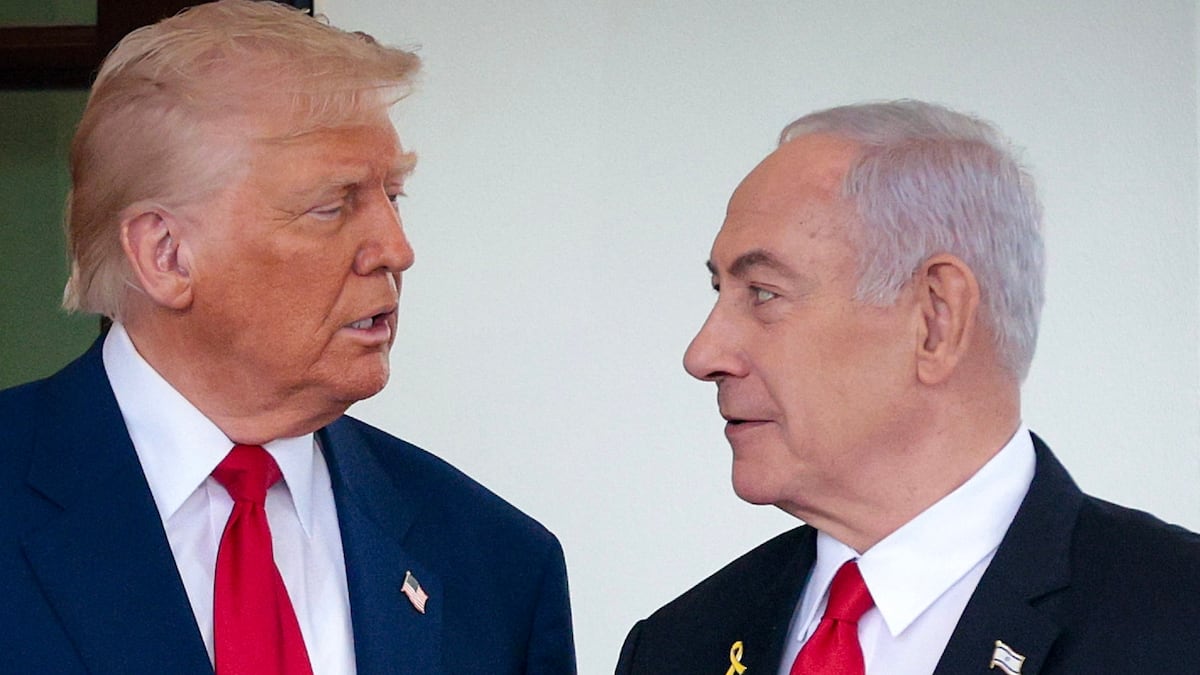
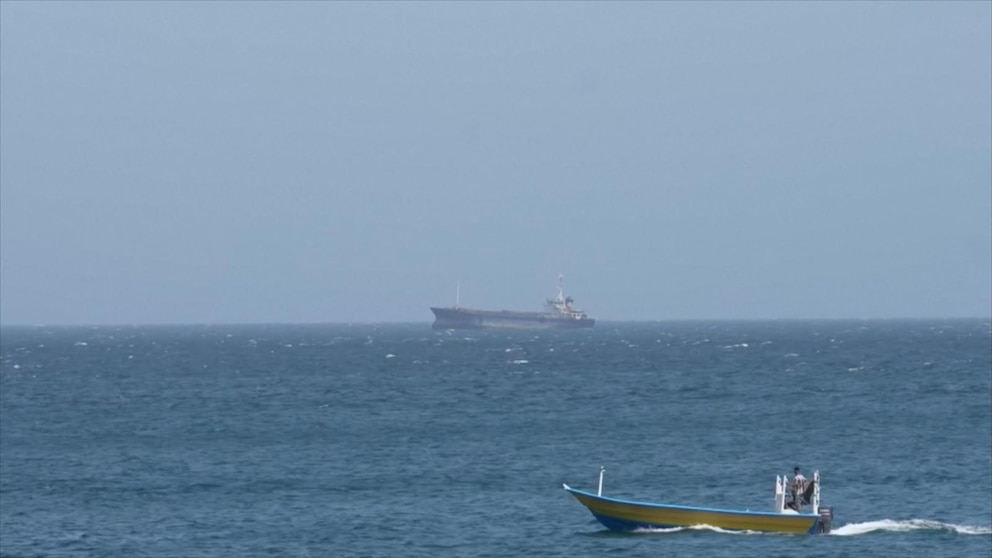
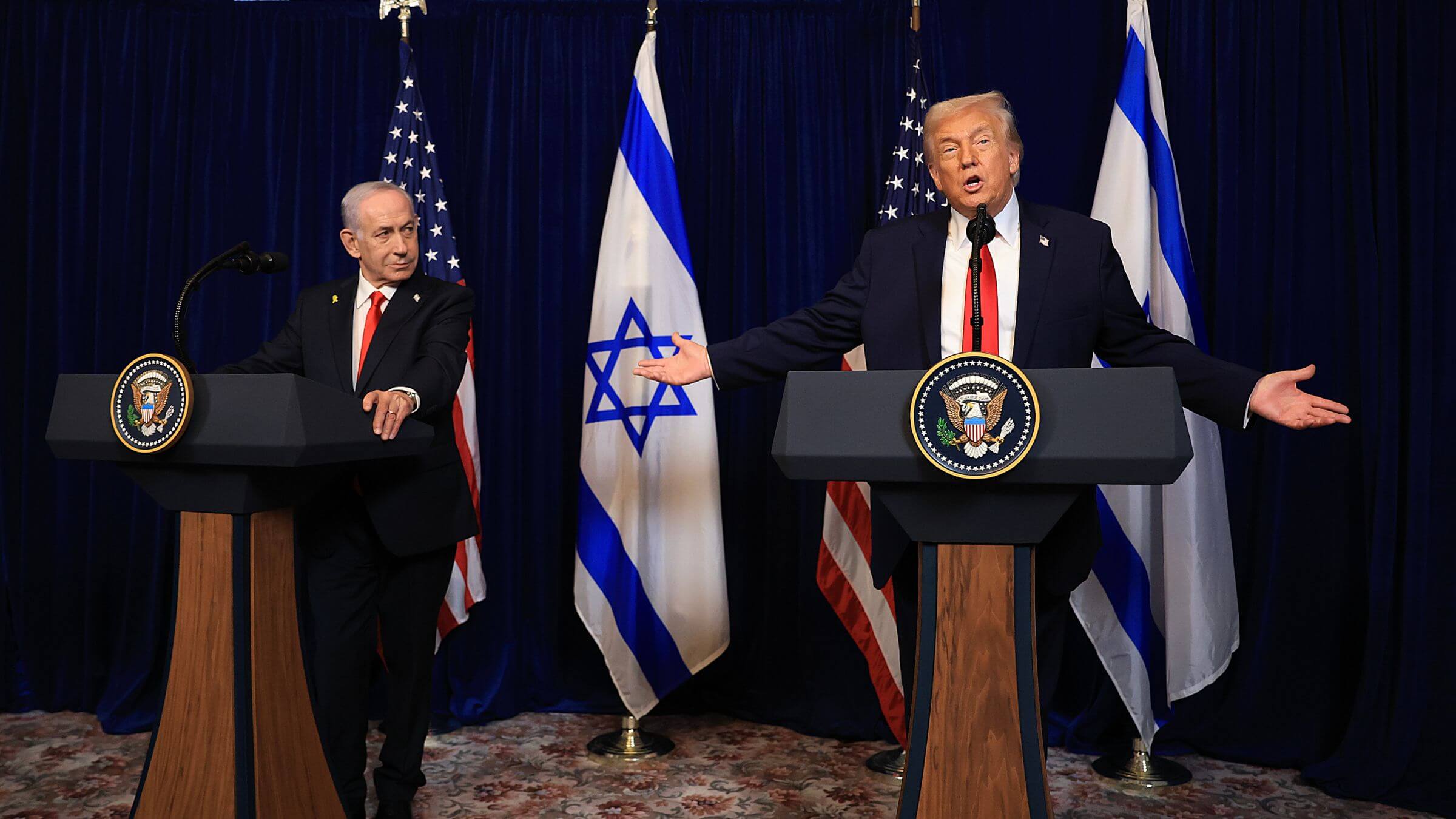
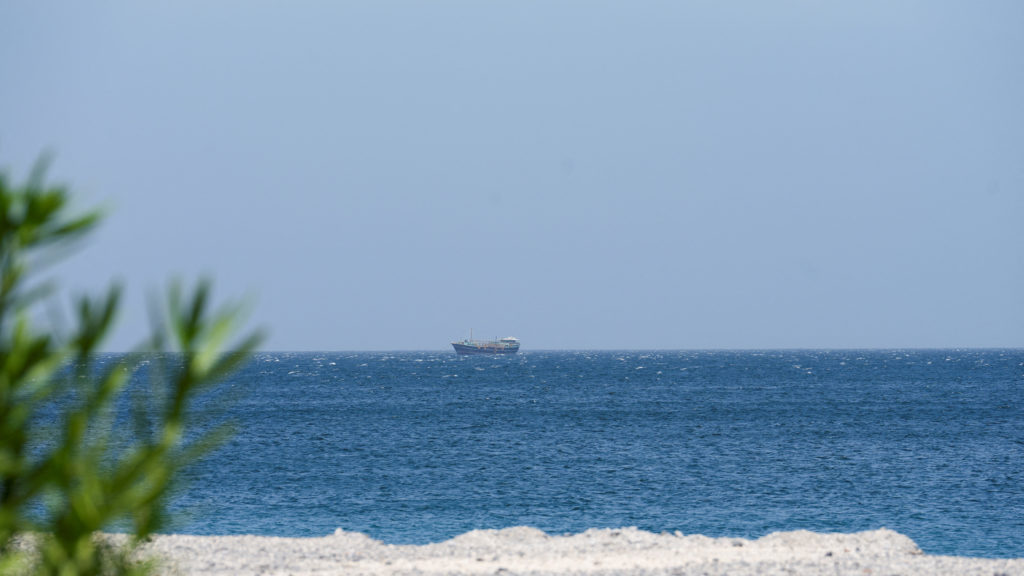
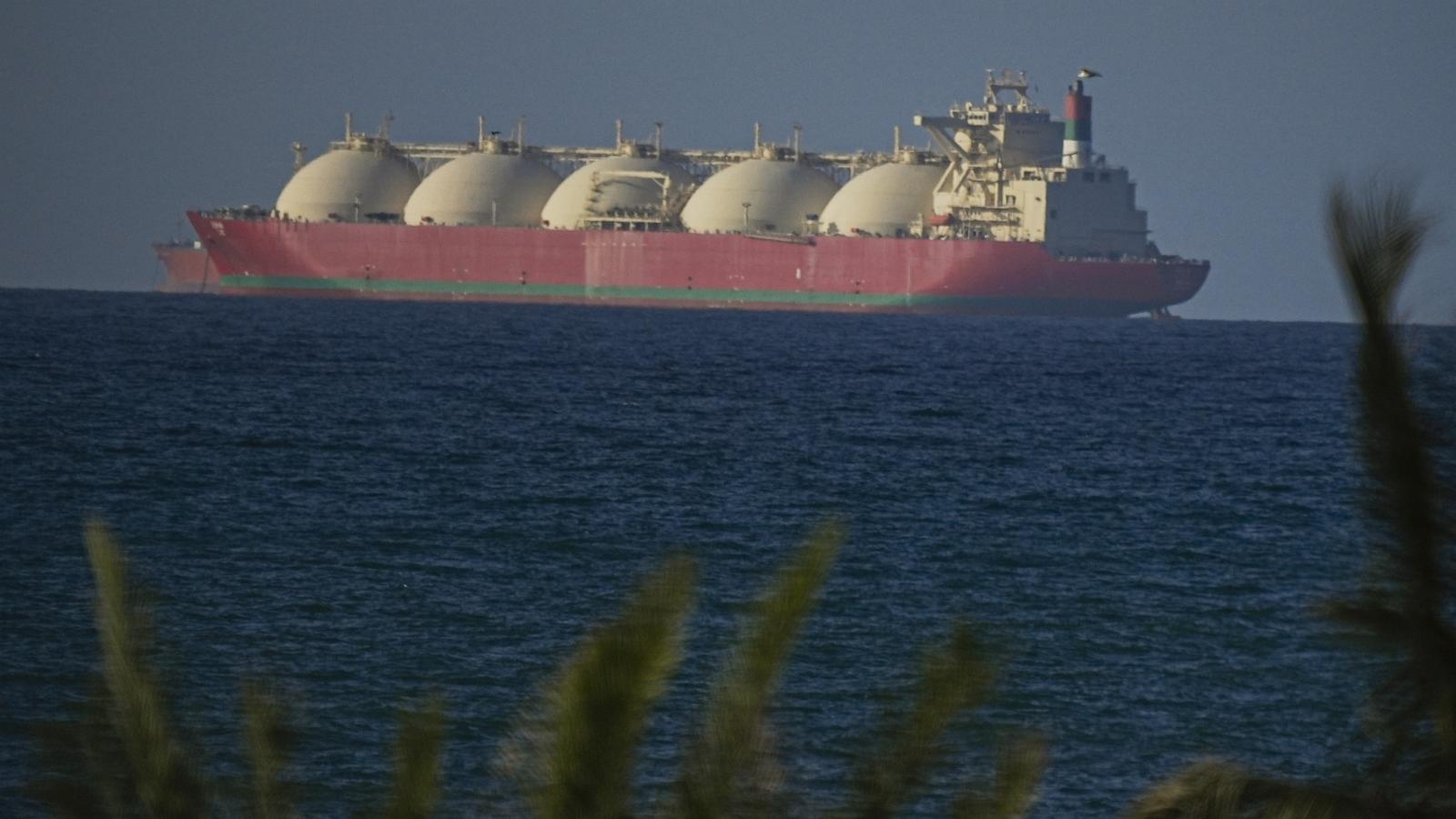
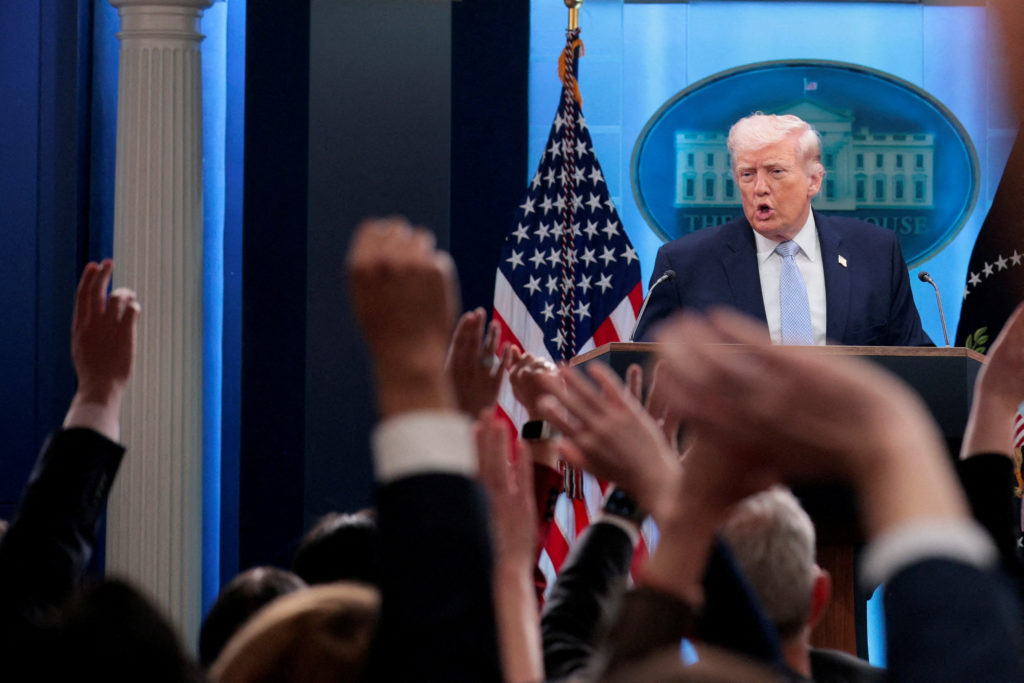
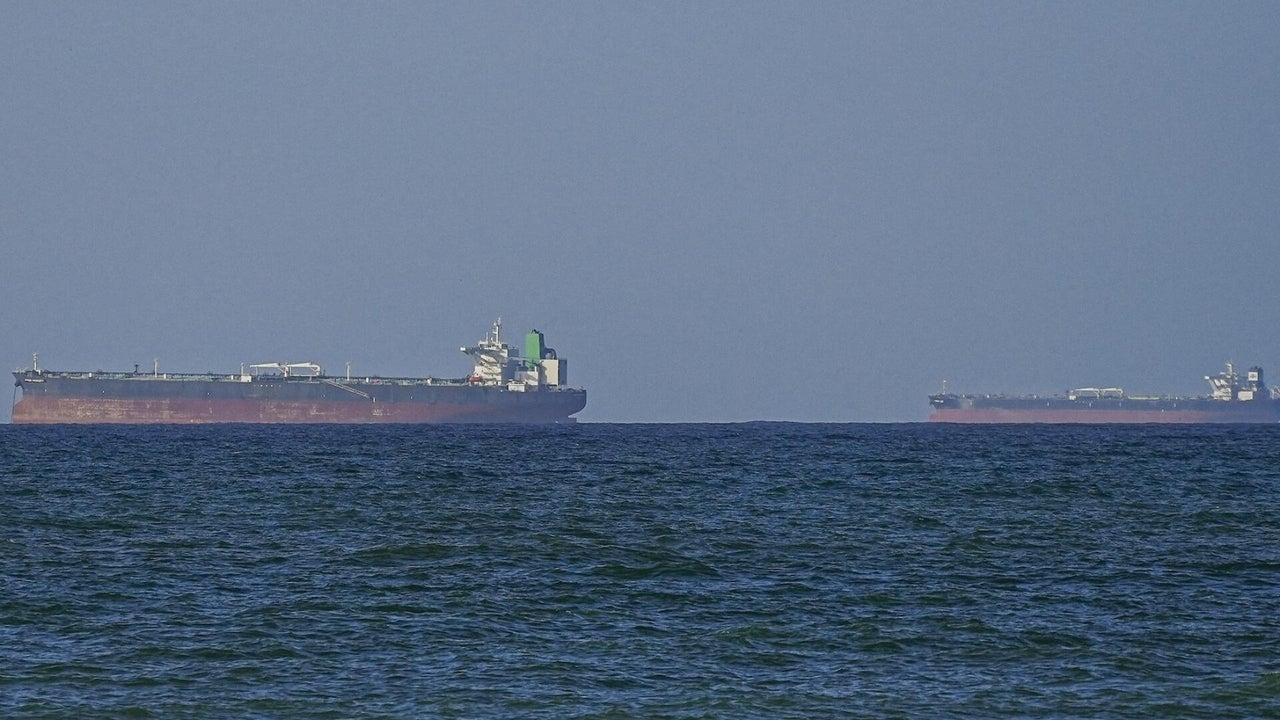
The April 8, 2026 Iran-US ceasefire announced by President Trump has created unprecedented supply chain uncertainty for cross-border e-commerce sellers, particularly those importing goods through Middle Eastern shipping corridors. While the White House claimed Iran agreed to open the Strait of Hormuz—the world's most critical oil chokepoint handling 21% of global petroleum trade—ship-tracking data from Kpler revealed zero oil tankers navigated the waterway since the ceasefire announcement, directly contradicting official assertions. This disconnect between diplomatic claims and operational reality signals a fragile truce with fundamental disagreements over terms, creating immediate logistics risks for sellers.
The core supply chain impact: Shipping costs through the Suez Canal and Strait of Hormuz corridors are experiencing 15-25% volatility as freight forwarders price in geopolitical risk premiums. Sellers importing electronics, textiles, and consumer goods from China, Vietnam, and India—which typically route through these chokepoints—face increased landed costs of $200-800 per 40-foot container depending on product category. The news reports conflicting accounts between US and Iranian officials regarding ceasefire terms, with negotiations scheduled for Islamabad focusing on uranium enrichment and military capabilities. This uncertainty extends the timeline for stable shipping rates, potentially lasting 2-4 weeks until negotiations conclude.
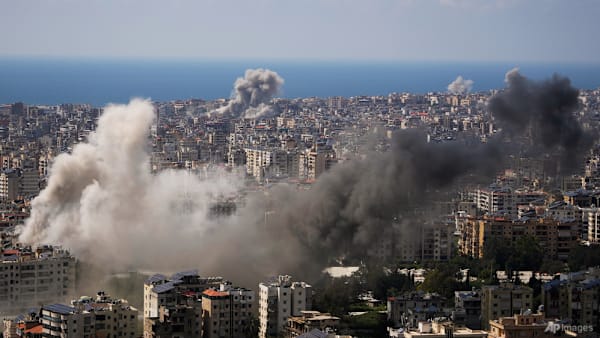
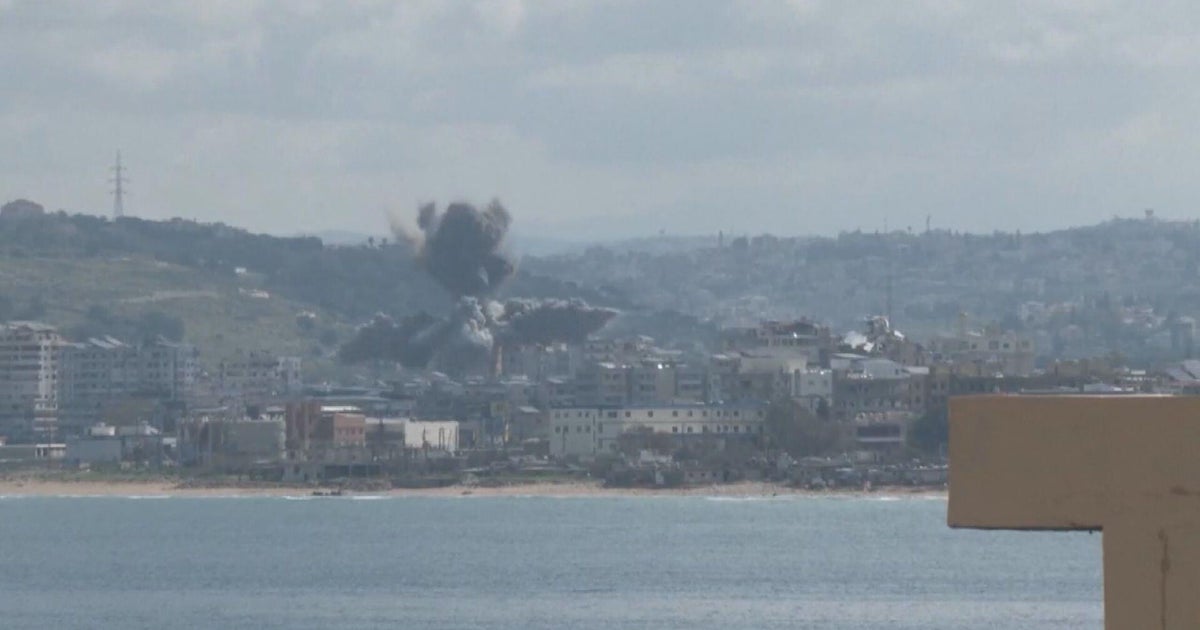
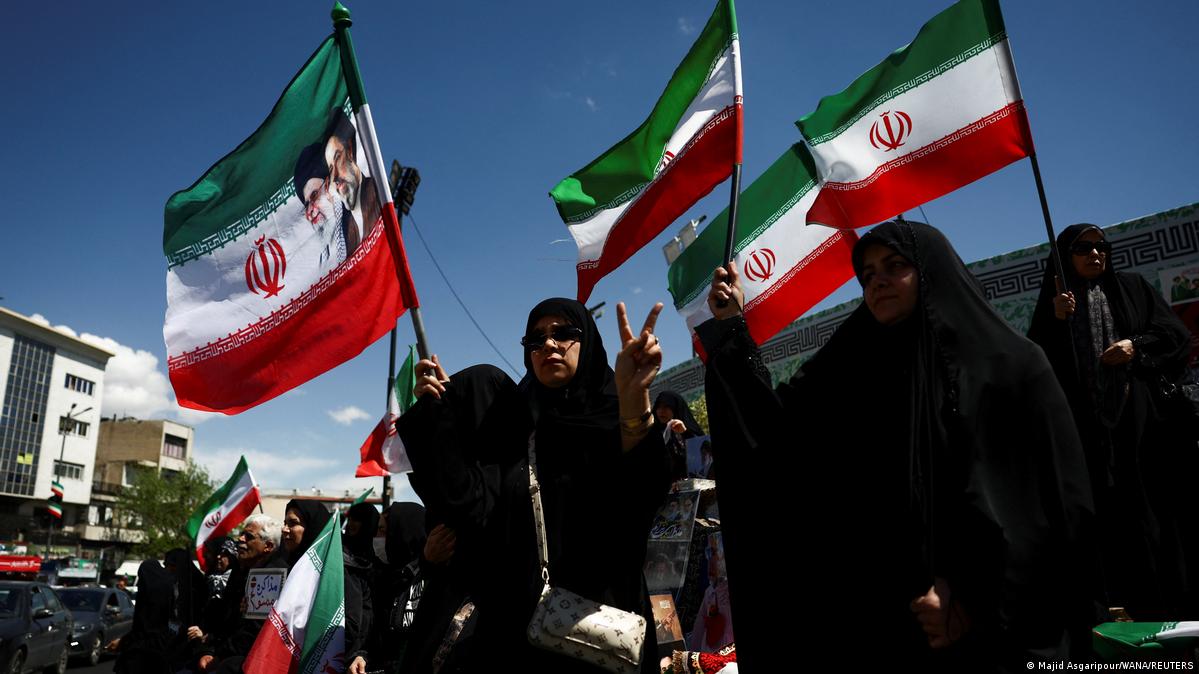
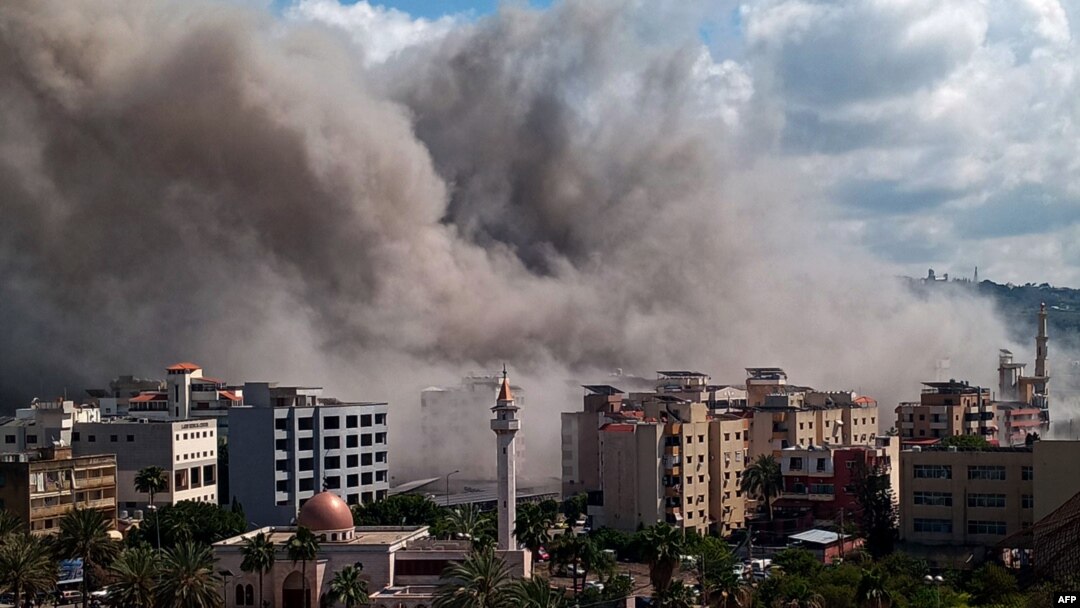
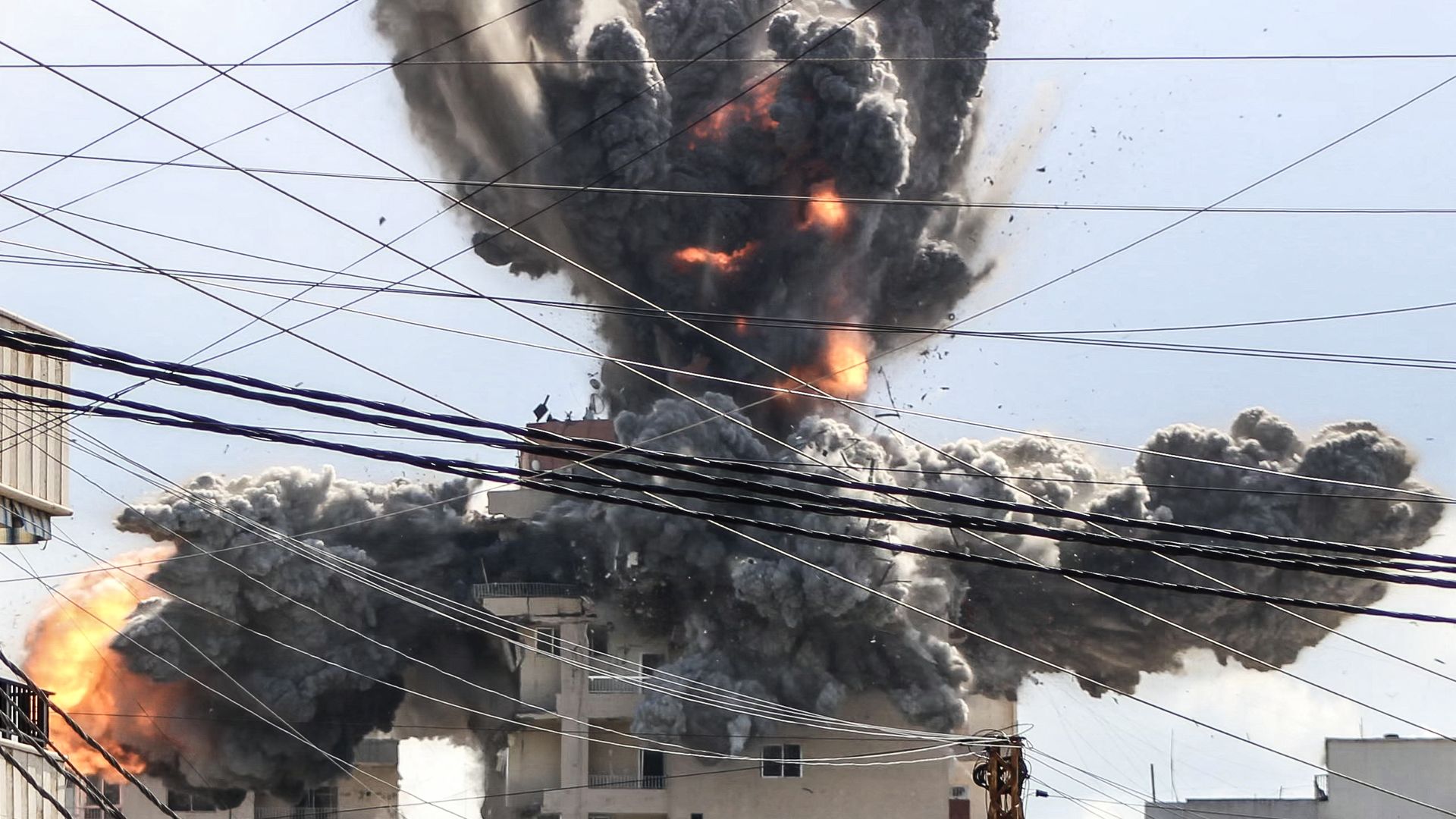
Competitive implications by seller segment: Large sellers with established 3PL relationships and pre-booked container capacity face 8-12% margin compression on Q2 inventory, while small-to-medium sellers (SMBs) shipping 50-200 units monthly experience acute cost pressure with limited negotiating power. Amazon FBA sellers importing directly from Asia are particularly exposed, as FBA storage fees remain fixed while landed costs increase, reducing inventory turnover ROI. The news indicates Iranian infrastructure sustained severe damage during the six-week conflict—schools, hospitals, bridges, and roads destroyed—which will delay economic recovery and potentially extend shipping disruptions beyond the ceasefire period. Iranian residents predict conflict resumption within two weeks, suggesting the current truce window for stable shipping rates may be extremely narrow (7-14 days maximum).
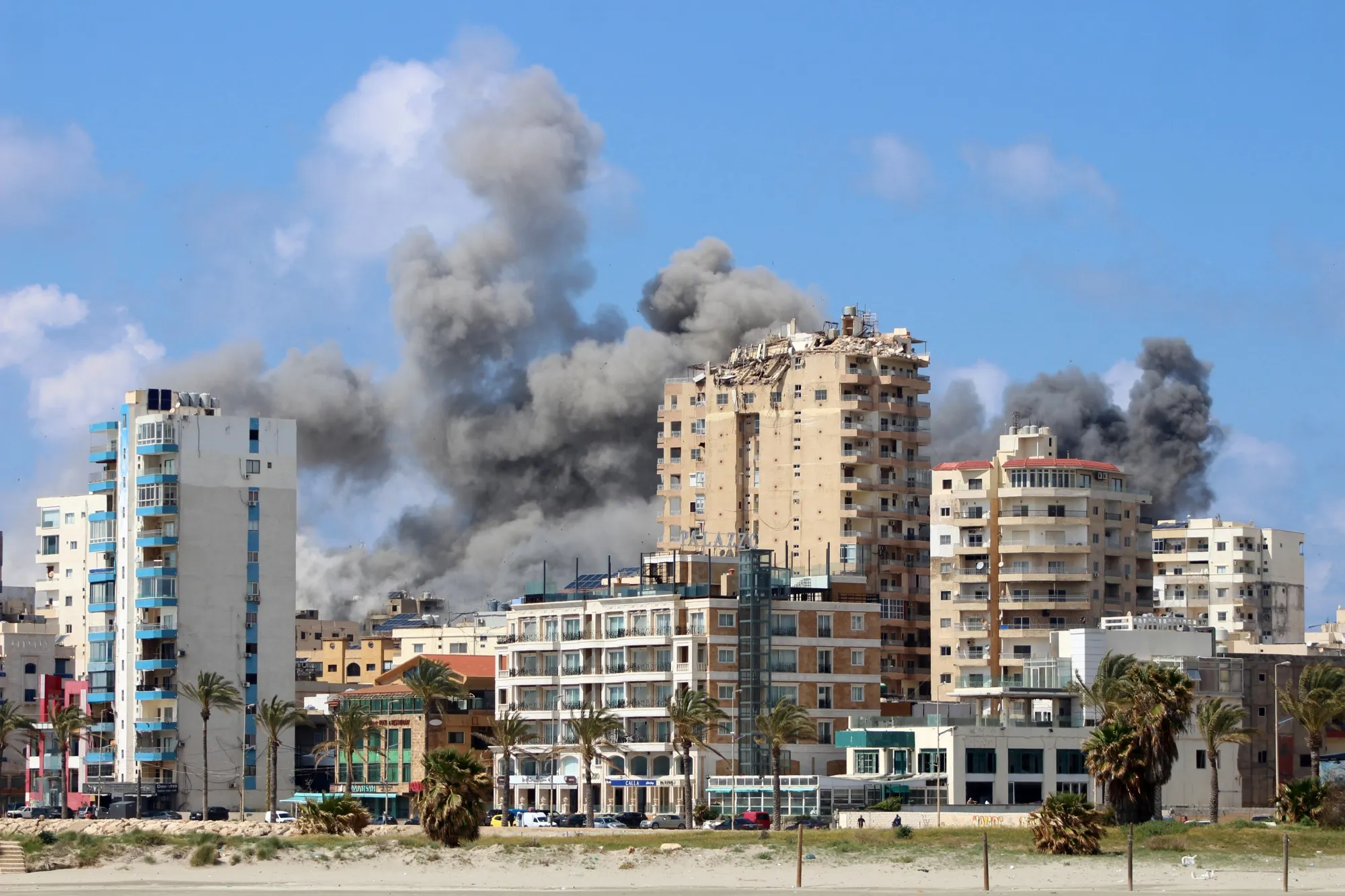
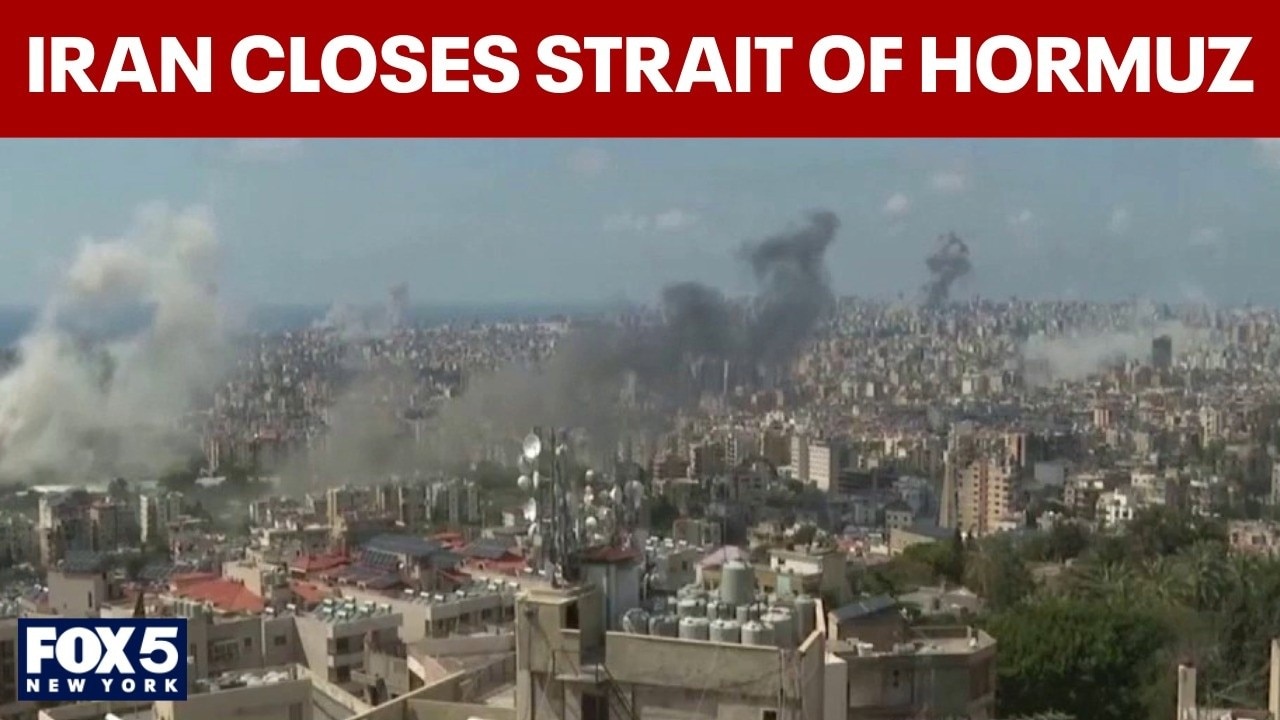
Immediate market opportunities: Sellers can exploit this volatility window by: (1) locking in current freight rates through May 2026 before anticipated rate increases, (2) shifting sourcing to alternative routes via Singapore/Malaysia ports to bypass Hormuz uncertainty, (3) increasing inventory of high-margin categories (electronics, luxury goods) before cost increases propagate to retail prices. The ceasefire's sustainability remains uncertain given parties' conflicting interpretations of core terms and ongoing military operations in Lebanon, creating a 60-90 day window of elevated shipping costs before either stability returns or escalation forces alternative logistics strategies.
Questions 8
What geopolitical risk indicators should sellers monitor to anticipate further supply chain disruptions?
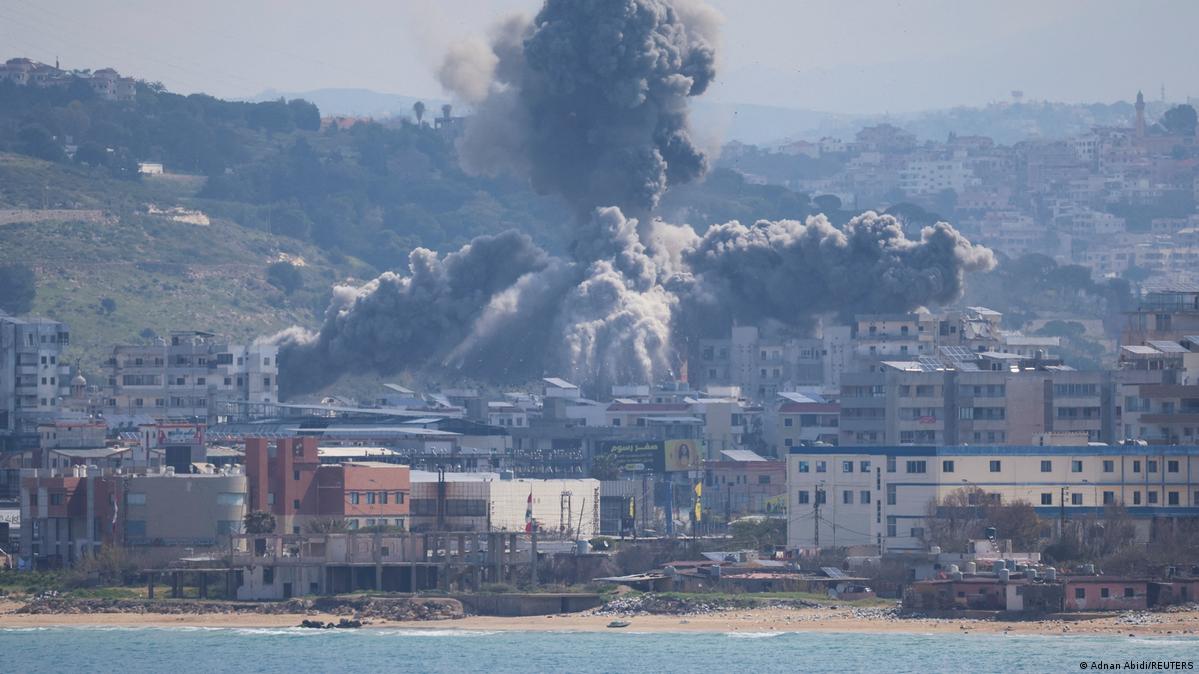
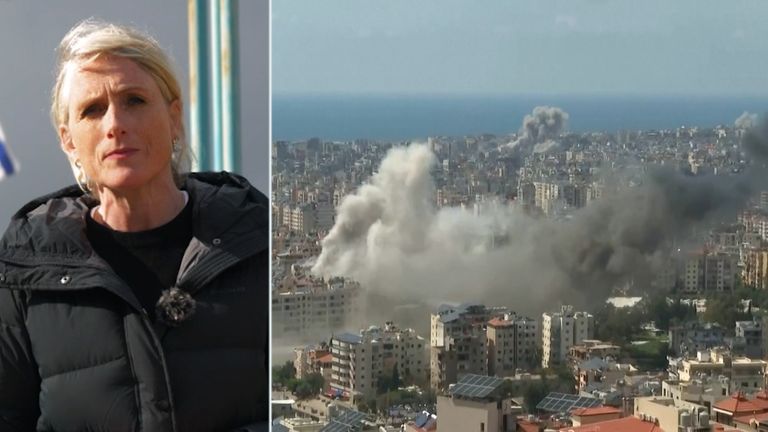
Monitor daily Kpler ship-tracking data for Strait of Hormuz tanker traffic—zero tankers since ceasefire announcement signals fragile truce. Track Islamabad negotiations scheduled for uranium enrichment discussions; failure to reach agreement increases escalation risk. Watch Lebanese military operations—news reports ongoing operations despite ceasefire, suggesting conflict could resume. Monitor Iranian public sentiment indicators; news reports residents predict conflict resumption within two weeks, suggesting 14-day risk window. Track oil price volatility—spikes above $90/barrel indicate market pricing in shipping disruption risk. Subscribe to State Department and Commerce Department trade alerts for new sanctions or shipping restrictions. Monitor freight forwarding rate indices weekly; 5%+ weekly increases signal market repricing due to geopolitical risk. Set alerts for any Israeli military actions or Iranian uranium enrichment announcements, which could trigger immediate shipping cost spikes.
How should sellers adjust FBA inventory strategy during shipping cost volatility?
With landed costs increasing $200-800 per container while FBA storage fees remain fixed, sellers should prioritize fast-moving SKUs (BSR under 10,000) to maximize inventory turnover before storage costs erode margins. Reduce inventory of slow-moving items (BSR over 50,000) to minimize storage fee exposure during the 60-90 day volatility window. Increase PPC spending on high-margin products to accelerate sell-through rates and reduce storage duration. Monitor IPI scores closely—storage fee increases may trigger IPI penalties if inventory velocity declines. Consider shifting 20-30% of inventory to 3PL providers outside FBA to reduce storage fee exposure while maintaining fulfillment speed. Update pricing in Seller Central to reflect landed cost increases before competitor repricing erodes margins.