


Strait of Hormuz Shipping Crisis Escalates | Cross-Border Sellers Face 21% Trade Route Disruption
- 153% increase in vessel signal disruptions; air freight costs rising for months; 1.2M displaced in Lebanon threatens regional supply chains















































Overview
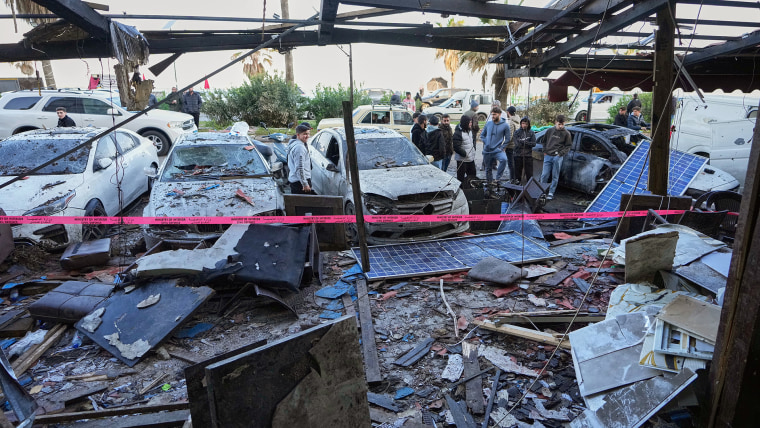
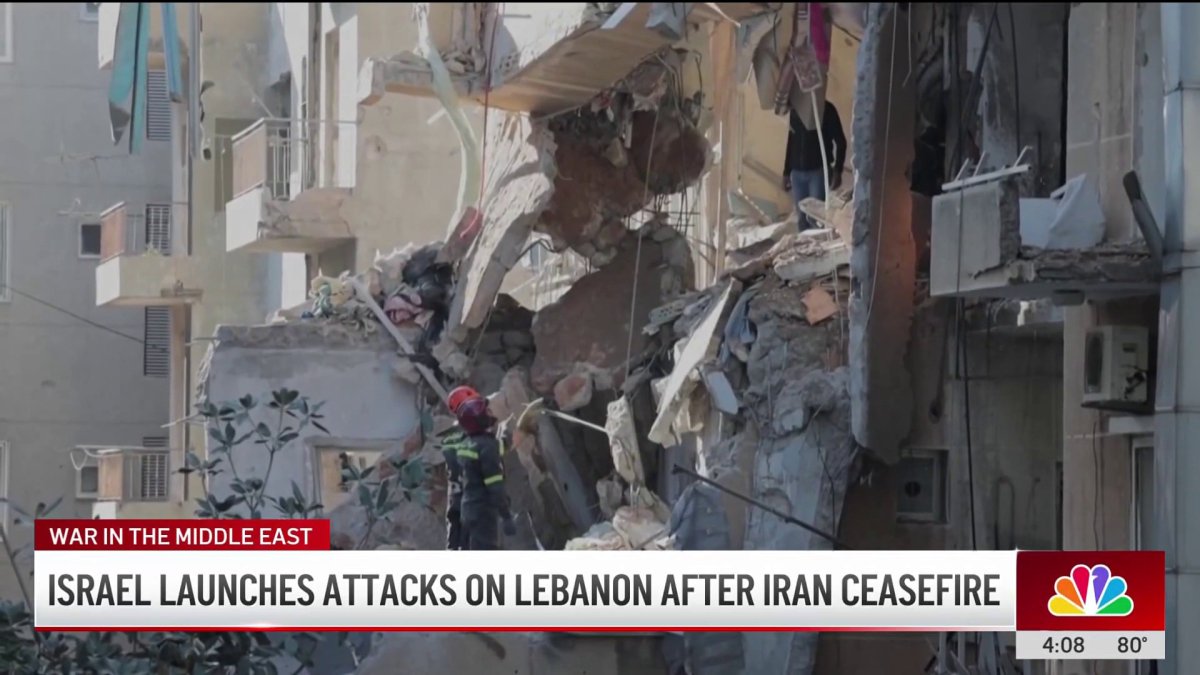
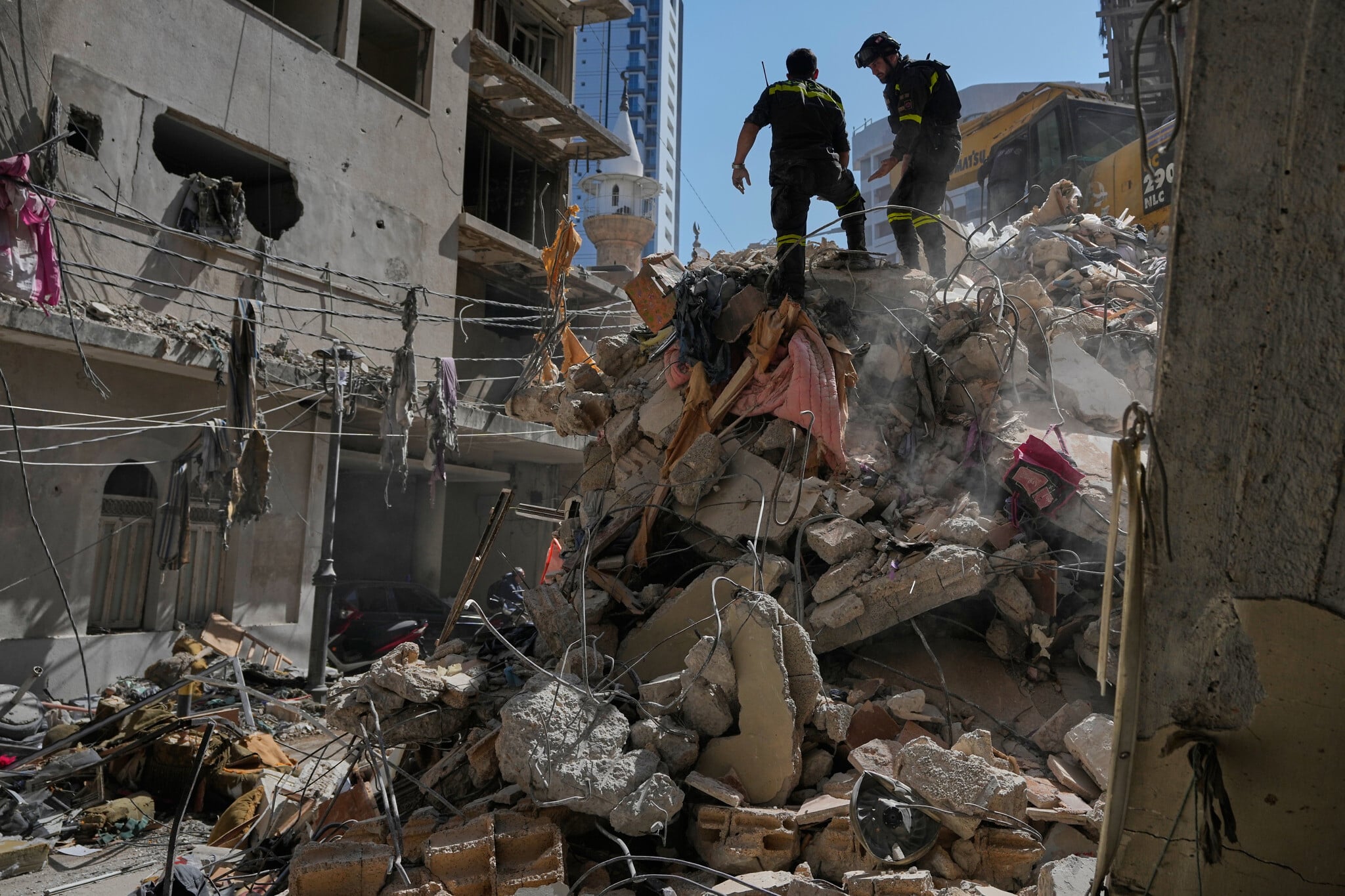
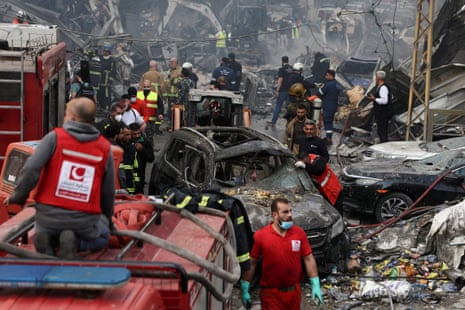
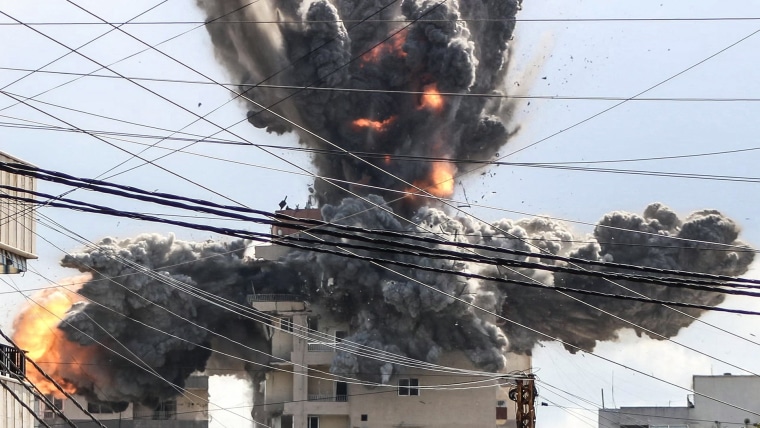
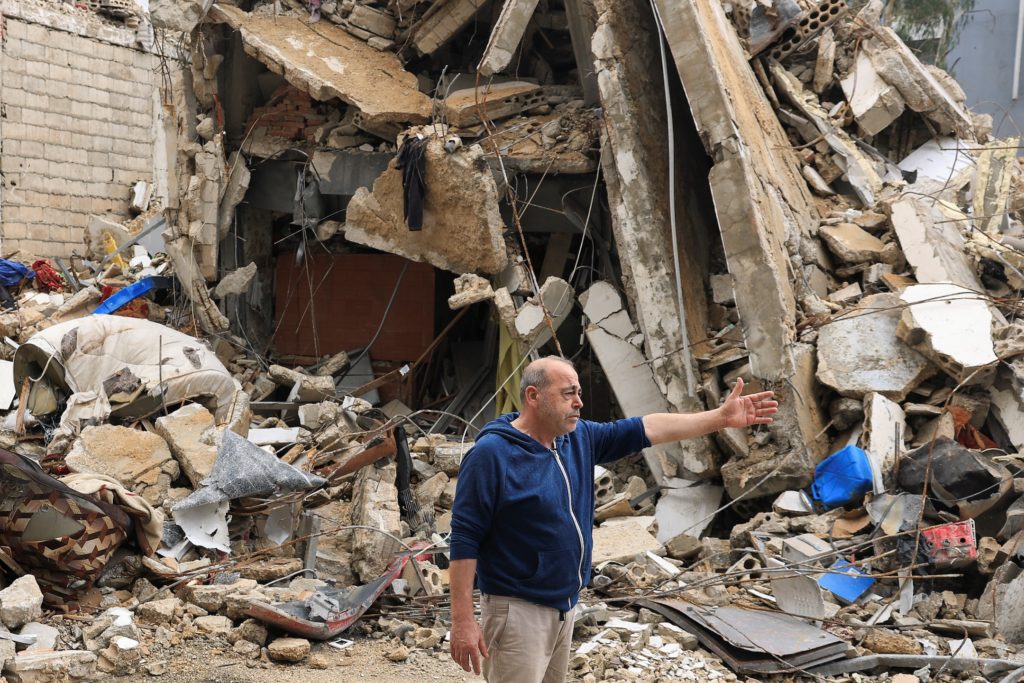
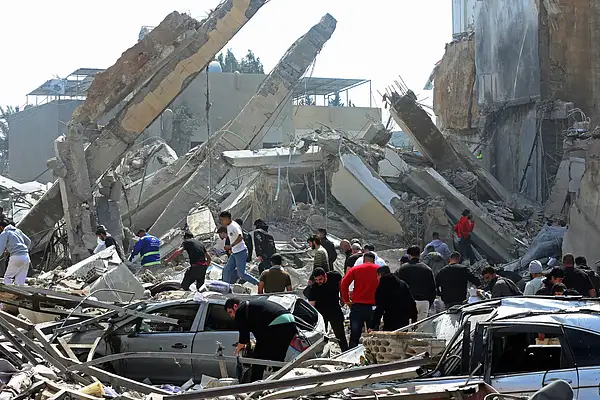
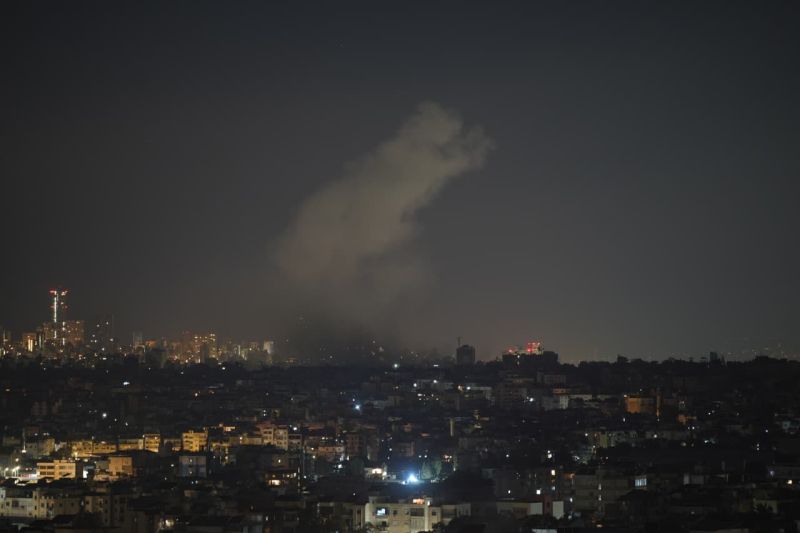
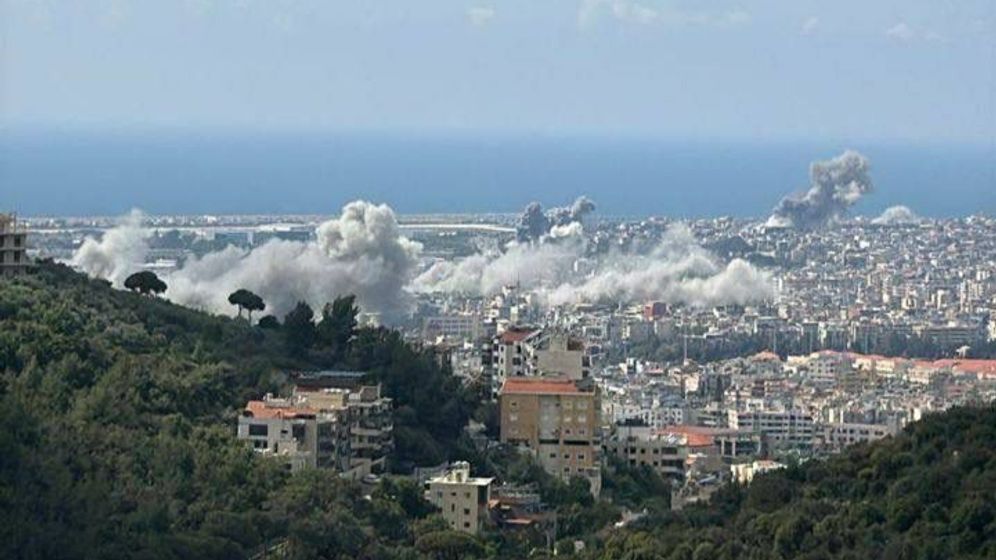
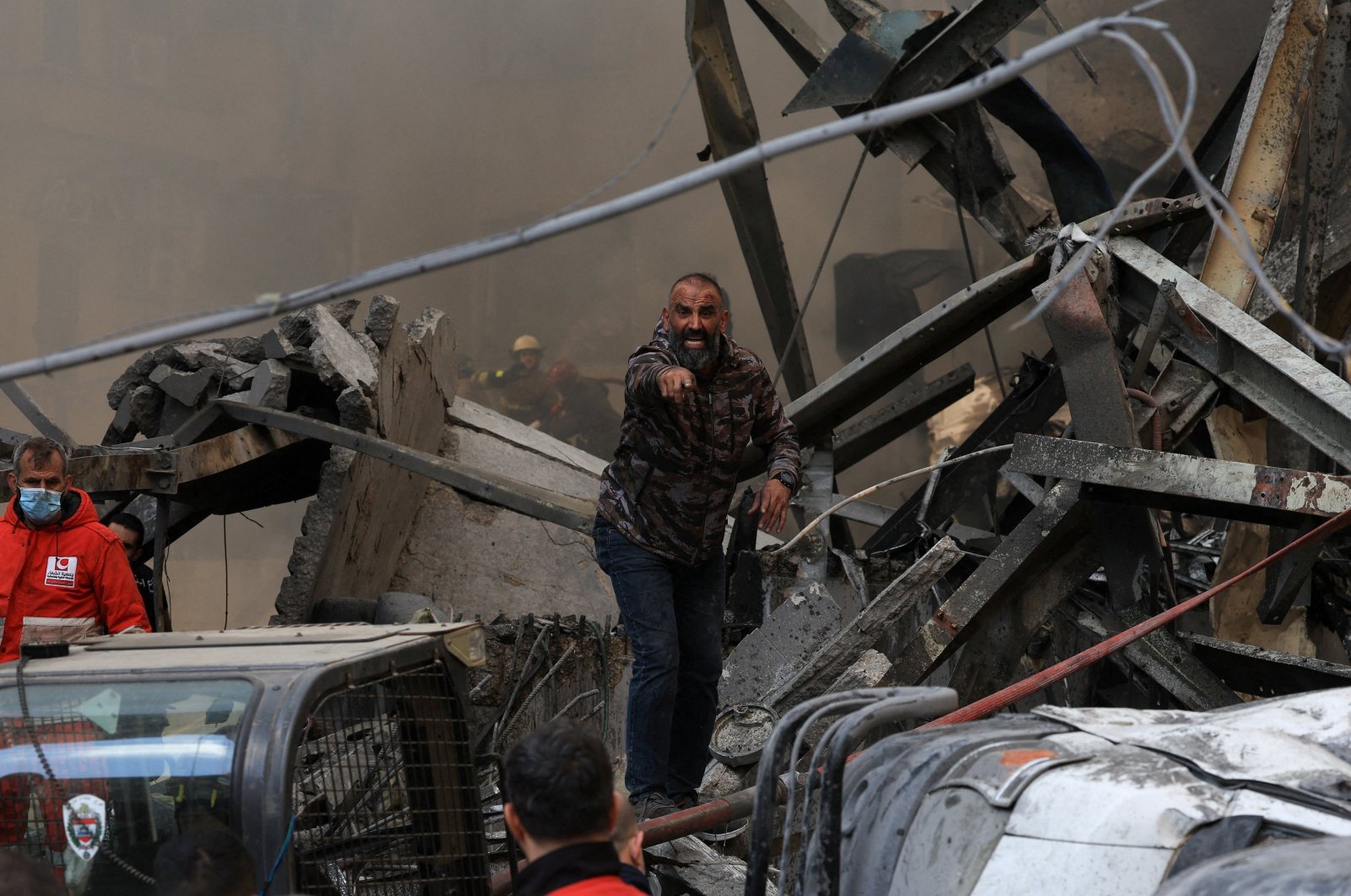
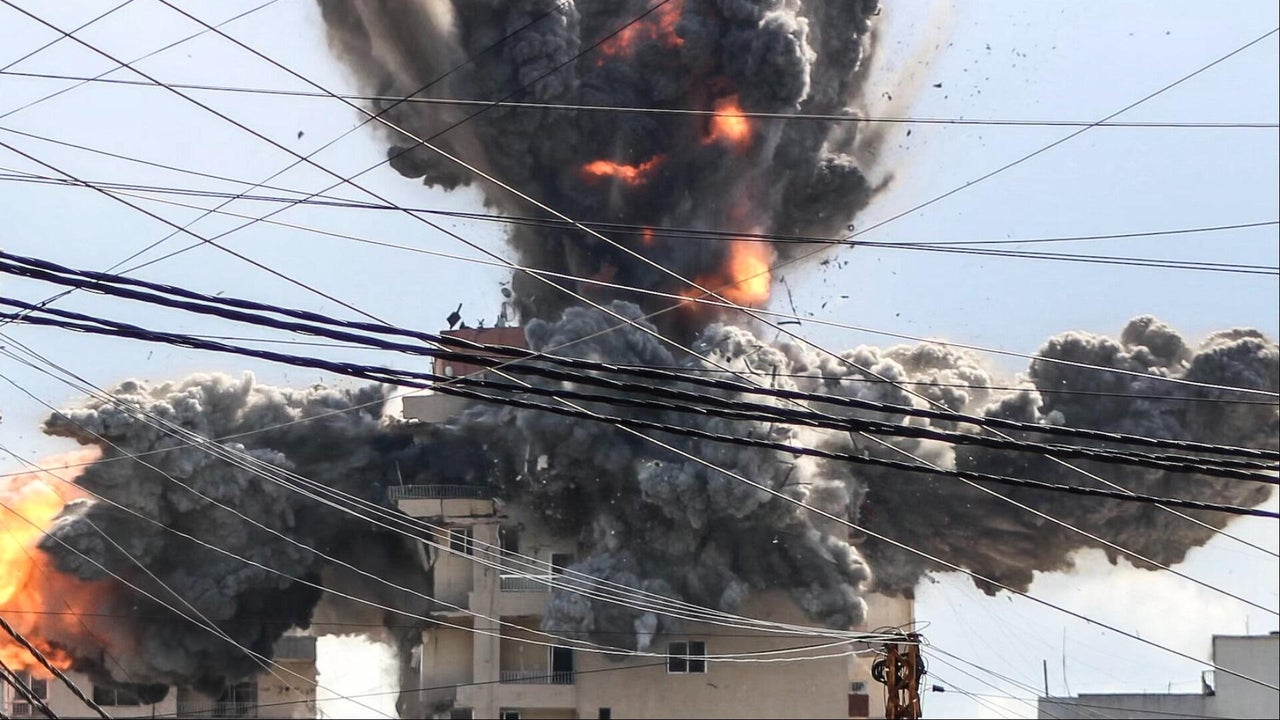
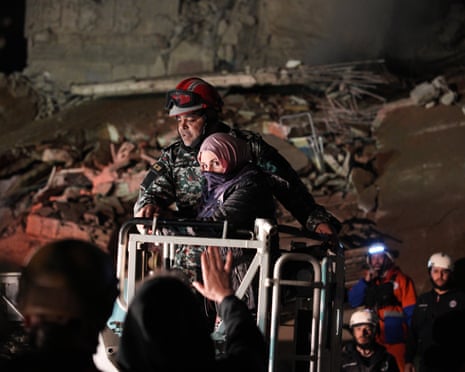
The Middle East geopolitical escalation represents a critical cross-border e-commerce logistics crisis with immediate operational and financial implications for sellers worldwide. Following a fragile US-Iran ceasefire agreement announced in early 2025, Israel conducted its heaviest bombardment campaign in Lebanon, striking over 100 targets and killing at least 182-254 people, with 1.2 million displaced—approximately one in five of Lebanon's population. Simultaneously, the Strait of Hormuz remains in operational limbo, with shipping data from AXSMarine revealing a 153% increase in vessel signal disruptions (43 vessels with unreliable signals vs. 17-vessel baseline), likely caused by Iranian jamming of automatic identification systems. Only 11 vessels transited the strait on Wednesday despite White House claims of normalization, indicating widespread maritime caution.
For cross-border e-commerce sellers, this dual crisis creates substantial operational challenges across three critical dimensions. First, shipping route disruptions: The Strait of Hormuz handles approximately 21% of global petroleum trade and serves as the primary container shipping chokepoint between Asia and Europe. Full normalization could require "several days to weeks," according to shipping experts, as insurers reassess risk profiles and toll payment mechanisms with sanctioned entities remain unresolved. IATA reported jet fuel supplies "will take months" to recover, directly impacting air freight costs for time-sensitive shipments—a particular concern for sellers shipping perishable goods, electronics, or seasonal merchandise from Asia-Pacific suppliers. Shipping companies remain hesitant to transit without explicit insurance clearance from Lloyd's and other major insurers, creating payment processing delays and logistics coordination uncertainty.
Second, regional supply chain disruption: Lebanon's port operations in Tyre and Sidon—critical for import-export activities in the Levantine region—face operational threats. The displacement crisis has overwhelmed infrastructure, with schools converted to shelters and families living in improvised conditions, disrupting local logistics networks and consumer purchasing power. Sellers with operations, suppliers, or customers in Lebanon face increased shipping delays, payment processing difficulties, and market volatility. Third, cost escalation and insurance uncertainty: Oil price volatility (West Texas Intermediate jumped 3% in two hours) directly affects logistics costs for all international commerce. Iran's announcement of cryptocurrency tolls up to $1 per barrel for outbound oil (with supertankers carrying up to 3 million barrels) signals potential new payment mechanisms and compliance requirements for sellers using alternative routes. The situation remains fluid with military rhetoric from Iran's Revolutionary Guards and Israeli leadership suggesting continued conflict risk, making long-term supply chain planning highly uncertain.
The geopolitical miscommunication—with Iran claiming the ceasefire included Lebanon while the Trump administration and Israel deny this—raises questions about ceasefire sustainability. Lebanese Prime Minister Nawaf Salam declared a national day of mourning and ordered closure of public administrations, further disrupting commercial activities. Without Israeli reciprocation to Lebanon's historic offer for direct negotiations, the conflict trajectory remains uncertain, potentially extending disruptions beyond the initial "several days to weeks" estimate.
Questions 8
What geopolitical signals suggest when this crisis might resolve?
The fragile US-Iran ceasefire faces 'grave risk' according to the UN Secretary-General, with three unresolved issues: (1) Diplomatic miscommunication over Lebanon's inclusion in ceasefire terms, (2) Iran's parliament claiming US violated three ceasefire clauses including airspace intrusions and nuclear enrichment rights, (3) Israeli leadership showing no reciprocation to Lebanon's historic offer for direct negotiations. Iran's Foreign Minister issued ultimatum that 'US must choose between ceasefire or continued war via Israel, cannot have both.' These signals suggest the crisis could escalate rather than resolve in the near term. Sellers should plan for 4-8 week disruption scenarios and avoid committing large inventory shipments until: (1) Israeli-Lebanese direct negotiations begin, (2) Lloyd's explicitly clears Hormuz transit, or (3) 72+ hours pass with zero new military strikes.
Are there alternative shipping routes and what are their costs?
Iran announced alternative shipping routes through the Strait of Hormuz citing sea mine risks, but these routes require cryptocurrency tolls up to $1 per barrel and carry explicit warnings that unauthorized ships will be attacked. Longer alternative routes around Africa (Cape of Good Hope) add 2-3 weeks to transit time and increase fuel costs by 30-40%. Sellers should work with freight forwarders to evaluate: (1) Waiting for Hormuz normalization (estimated days to weeks), (2) Premium air freight for time-sensitive goods (20-30% cost increase), (3) Rerouting through alternative maritime routes (2-3 week delays, 30-40% cost increase), or (4) Shifting to regional fulfillment centers in Europe or Middle East to bypass route entirely. Cost-benefit analysis should be completed within 7 days.