
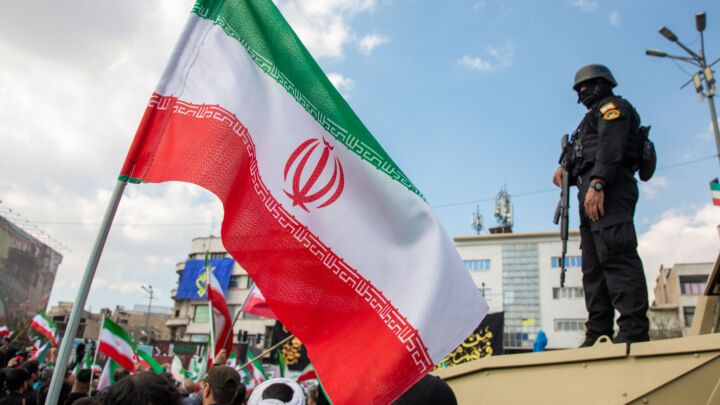




Strait of Hormuz Toll System Reshapes Global Shipping Costs | Cross-Border Sellers Face 8-15% Logistics Surge
- Iran's de facto control over 20% of global oil/gas transit creates $2M+ per-vessel toll precedent; sellers shipping via Middle East routes face immediate cost escalation and 2-4 week delivery delays

)




























Overview
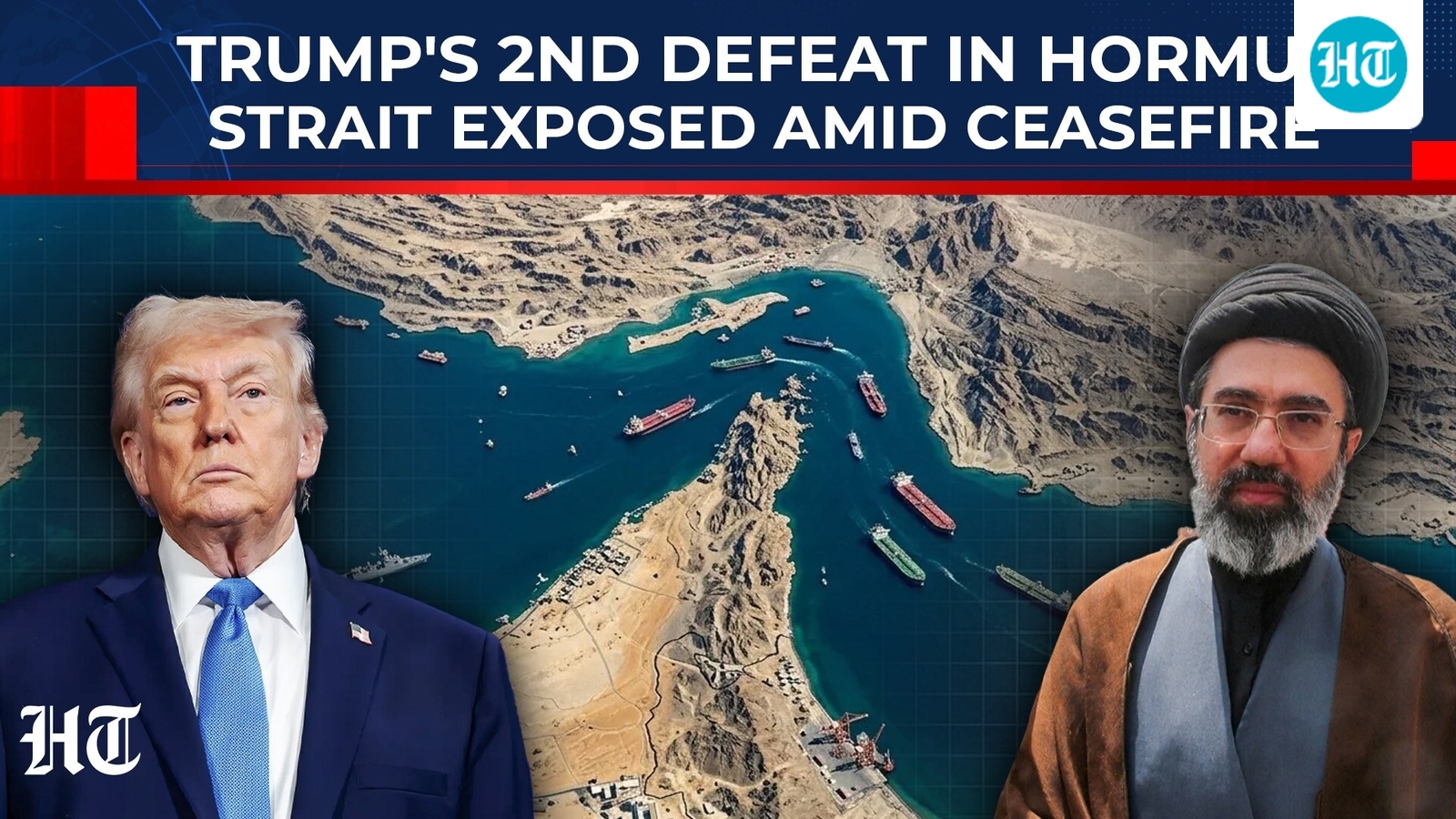
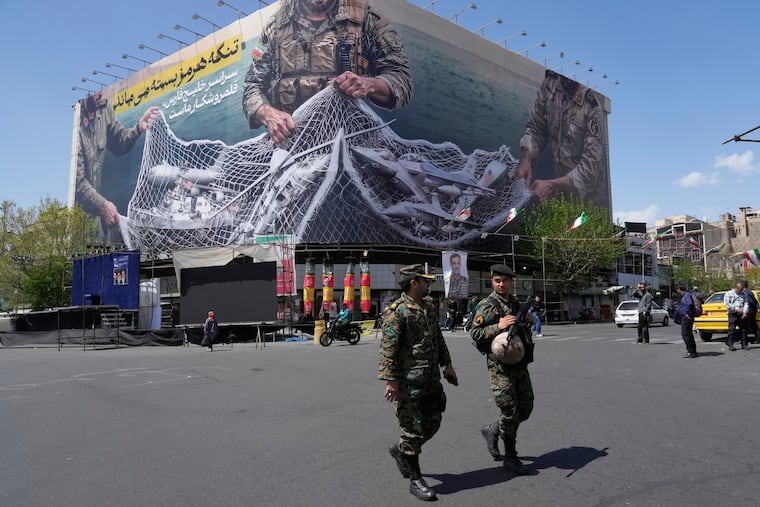
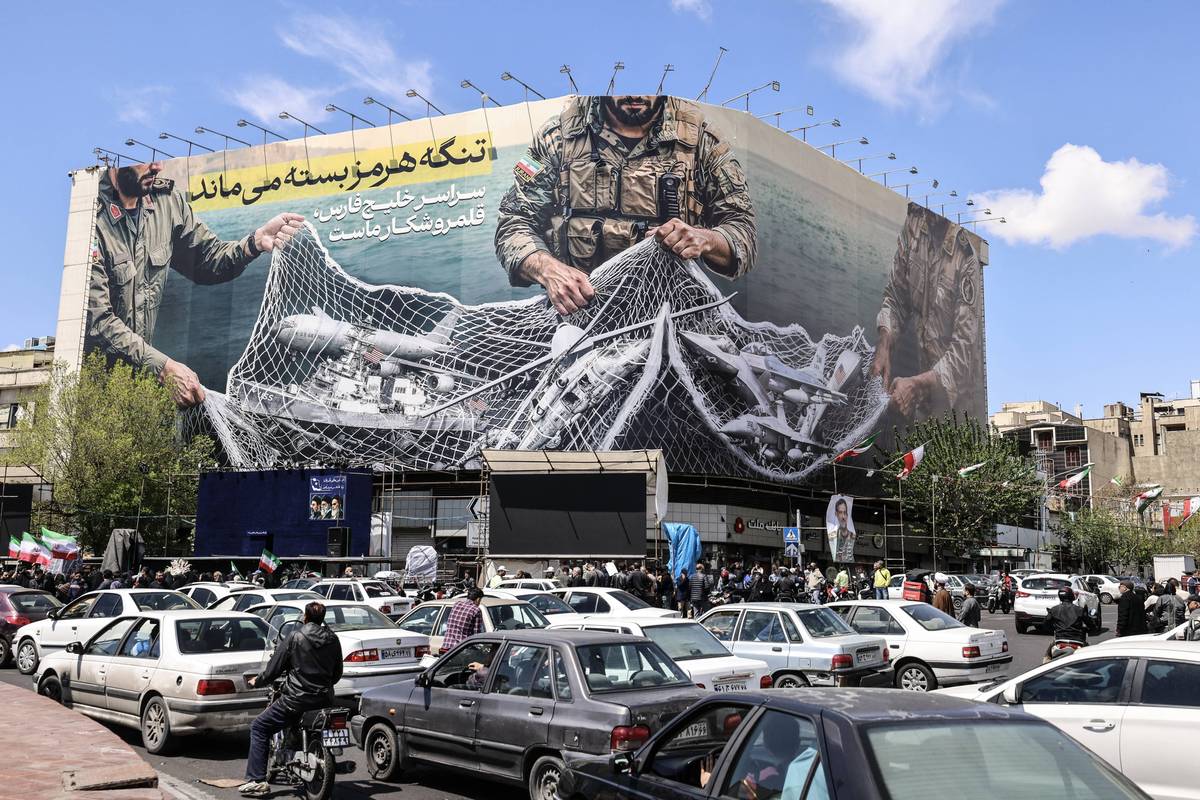
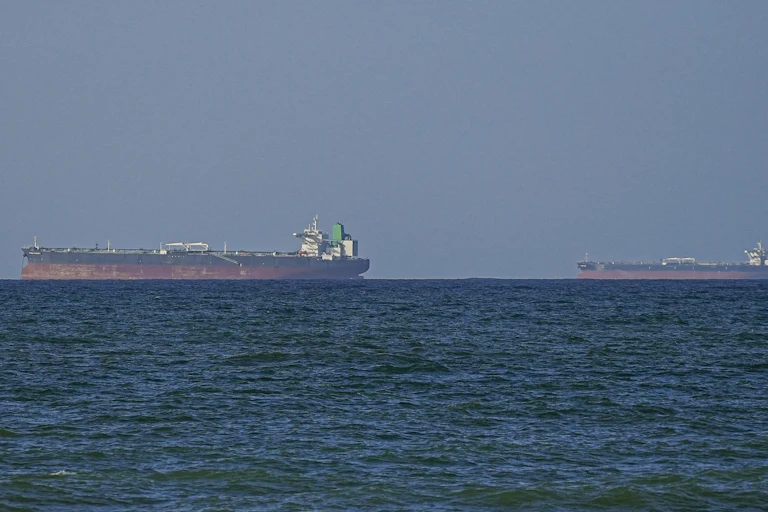
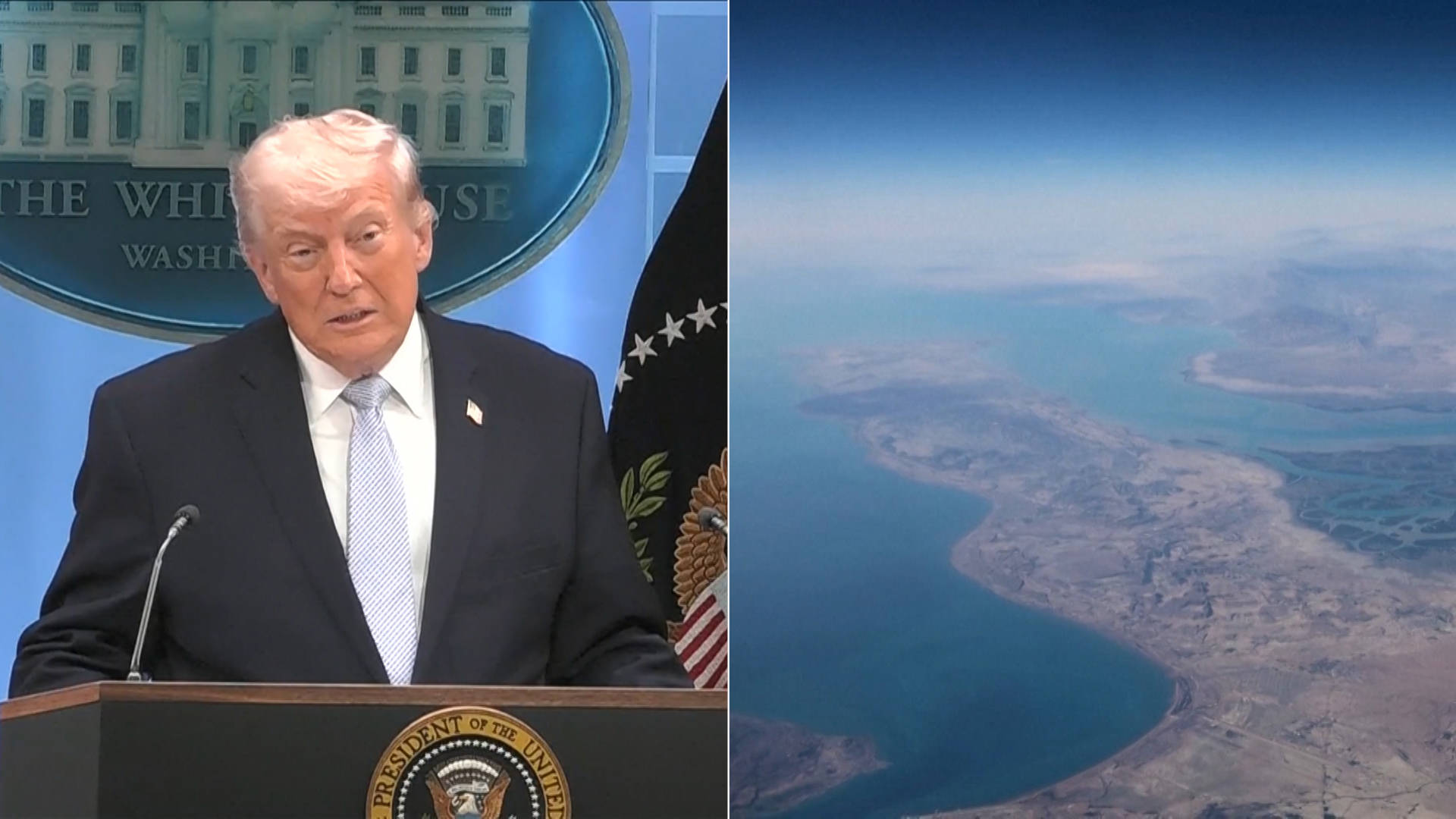
The April 8, 2026 ceasefire between the United States and Iran fundamentally restructures global maritime commerce by institutionalizing Iran's control over the Strait of Hormuz—a chokepoint carrying approximately 20% of the world's oil and natural gas supplies and one-third of global urea fertilizer exports. This represents a critical inflection point for cross-border e-commerce sellers, particularly those dependent on Asian-to-European and Asian-to-Middle Eastern shipping corridors.
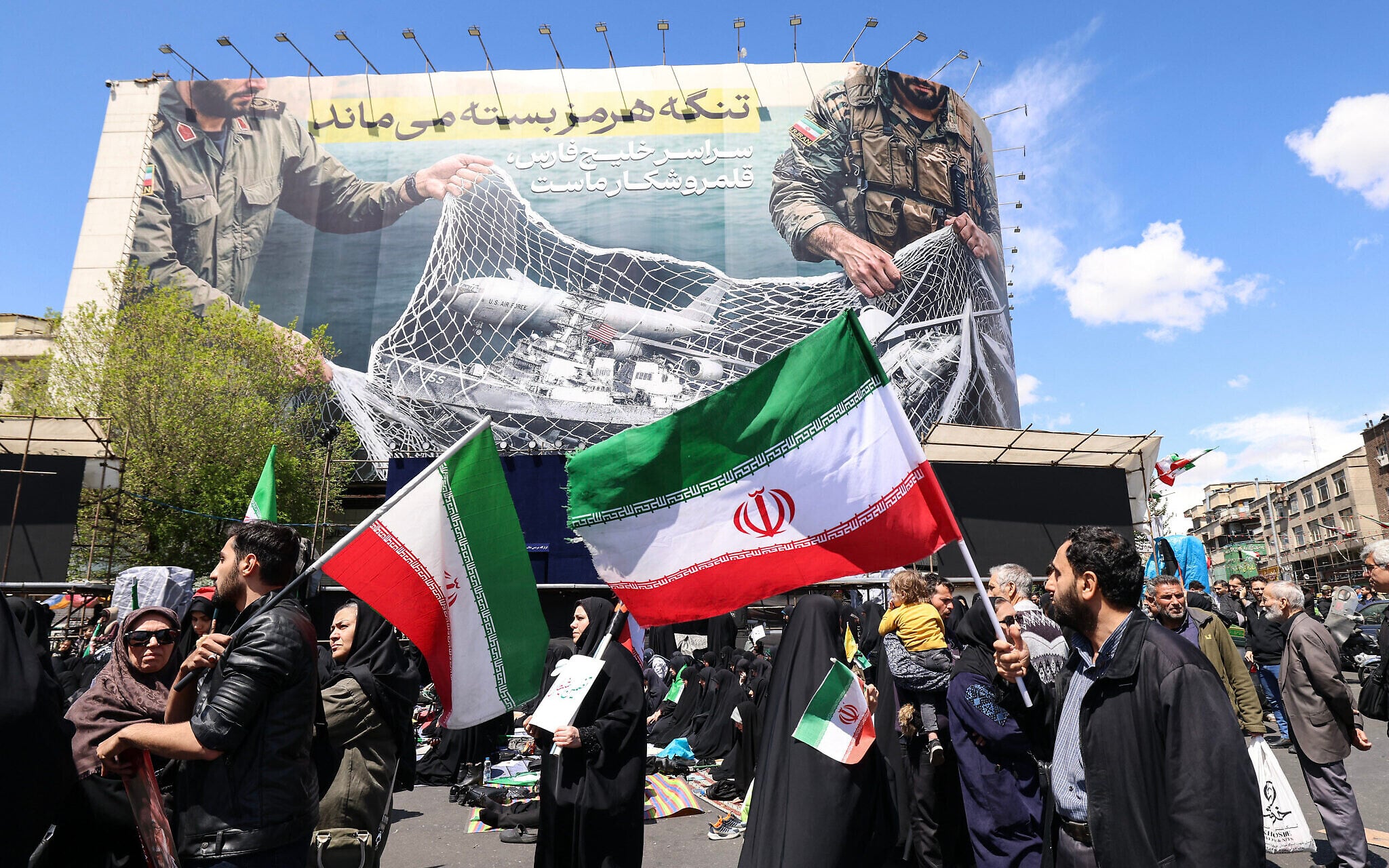
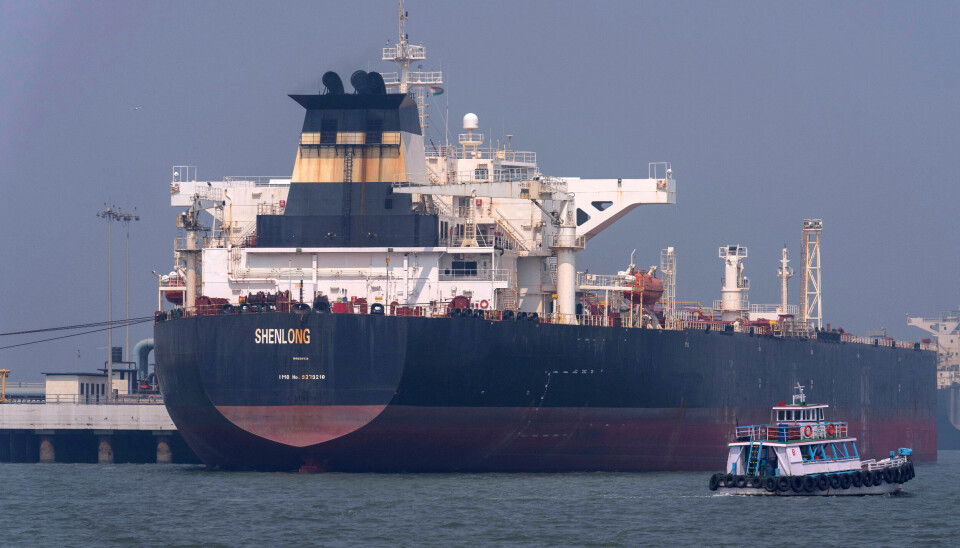
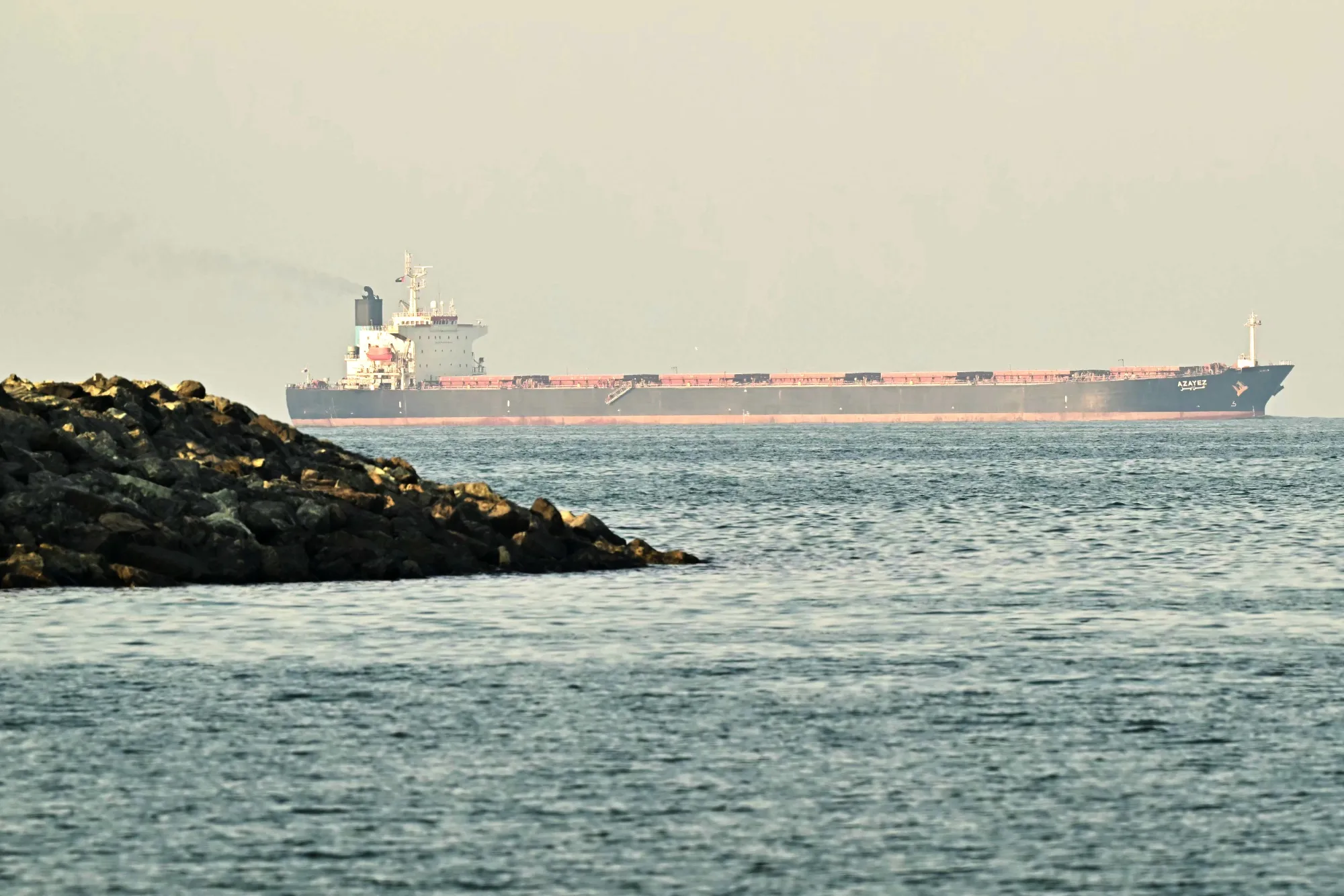
The Toll System Creates Immediate Cost Pressures: Iran has already begun charging transit fees, with documented cases of vessels paying $2 million for safe passage through the strait. According to shipping intelligence firm Lloyd's List, commercial shipping companies and insurers are accepting these tolls faster than policymakers can respond, as alternative routes remain unavailable for most Gulf export capacity. For sellers using full-container-load (FCL) shipments from China, Vietnam, or India to Europe or the Middle East, this translates to an estimated 8-15% increase in landed costs. A typical 20-foot container ($3,000-4,000 base freight) could face additional $240-600 in toll costs, compressing margins for sellers operating on 15-25% gross profit margins.
Energy Price Volatility Cascades Through Logistics: The six-week blockade triggered crude oil price swings of 15-20%, with European natural gas prices declining similarly. This volatility directly impacts fuel surcharges (BAF—Bunker Adjustment Factor) that shipping lines apply to base rates. Sellers should expect 3-8% monthly fluctuations in shipping costs through Q2-Q3 2026, making cost forecasting and pricing strategy increasingly difficult. The Philippines declared a national energy emergency, and Europe faces surging electricity prices, signaling that energy-dependent manufacturing regions (particularly Southeast Asia) will experience rising production costs that suppliers will pass downstream.
Strategic Sourcing Shifts Accelerate: The ceasefire's fragility—characterized by analysts as "a fragile pause" rather than lasting resolution—creates urgency for sellers to evaluate alternative sourcing corridors. Sellers currently dependent on China-to-Europe routes via Suez Canal (which feeds into Hormuz-adjacent waters) face 2-4 week delivery delays and unpredictable toll assessments. This creates competitive advantages for sellers who can shift sourcing to: (1) India-based suppliers (alternative Suez routing), (2) Vietnam manufacturers (can use northern routes avoiding Hormuz), or (3) nearshoring to Mexico/Central America for US-bound inventory. The window for these strategic pivots is narrow—likely 60-90 days before competitors recognize the opportunity and capacity constraints tighten.
Compliance and Insurance Complexity Escalates: Iran's 10-point negotiation proposal seeks "permanent influence over strait access even after conflict resolution," suggesting tolls may become institutionalized through a formalized system potentially administered through Oman as a neutral intermediary. This creates regulatory uncertainty: sellers must monitor whether tolls become tariff-equivalent charges subject to trade agreement rules, or remain informal "security fees" outside traditional customs frameworks. Insurance costs for cargo transiting the strait will likely increase 5-12% as underwriters price in geopolitical risk and toll payment disputes. Sellers should audit their Incoterms (CIF vs. FOB) to clarify who bears toll costs and ensure supplier contracts explicitly address Hormuz passage fees.
Questions 7
How do I protect my margins if shipping costs increase 8-15%?
Implement a three-tier pricing strategy: (1) Immediate: Increase prices 5-8% on new listings to partially offset toll costs, focusing on high-demand SKUs where price elasticity is lowest. (2) Medium-term (30-60 days): Renegotiate supplier contracts to shift toll responsibility or request price reductions to offset increased logistics costs. (3) Strategic: Shift 20-30% of sourcing to alternative routes (Vietnam, India, nearshoring) that avoid Hormuz tolls entirely. Monitor your product's price elasticity—if demand drops >15% after price increases, revert to cost-absorption strategy and focus on volume. For Amazon FBA sellers, evaluate whether increased fulfillment costs justify shifting to Fulfilled by Merchant (FBM) with longer delivery windows. Calculate your break-even point: if toll costs exceed 3-5% of product cost, sourcing diversification becomes mandatory.
What delivery timeline delays should I expect for Hormuz-routed shipments?
The six-week blockade and current toll system create 2-4 week delays beyond normal transit times. Standard Asia-to-Europe shipping via Suez/Hormuz takes 30-35 days; expect this to extend to 35-40 days as vessels navigate toll negotiations and potential security inspections. The Philippines declared a national energy emergency and Europe faces electricity price surges, indicating that manufacturing delays in Asia-Pacific regions will compound shipping delays. Sellers should communicate revised delivery timelines to customers immediately and consider offering expedited alternatives (air freight at 3-5x cost) for time-sensitive orders. For Q2-Q3 2026, budget an additional 5-7 days in your supply chain planning for Hormuz-routed shipments.