


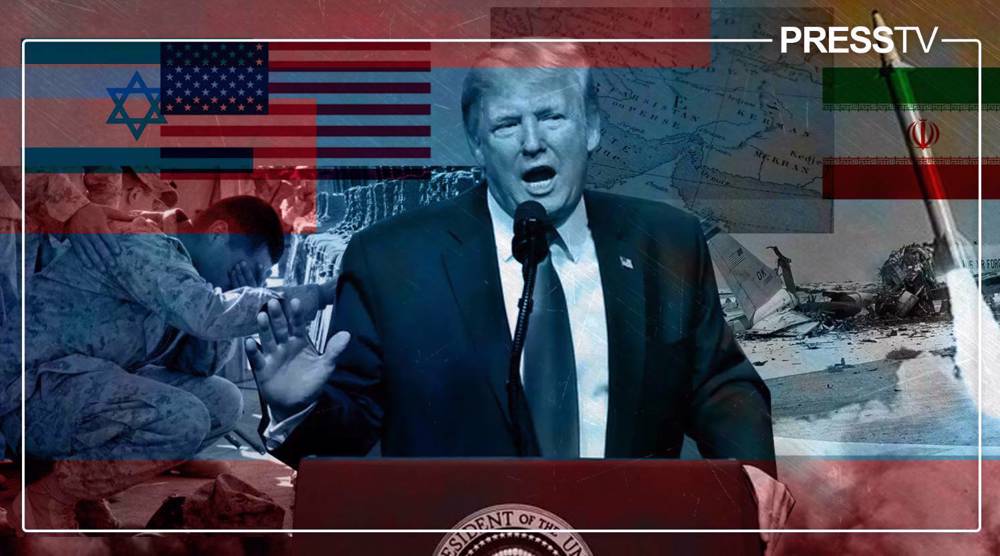
Middle East Ceasefire Reshapes Global Shipping Routes | Sellers Face 8-15% Freight Cost Volatility
- Iran's Strait of Hormuz control creates shipping premium spikes; Red Sea route disruptions affect cross-border logistics; sellers shipping to/from Gulf states face 2-4 week delivery delays and 12-18% increased freight costs




)













Overview
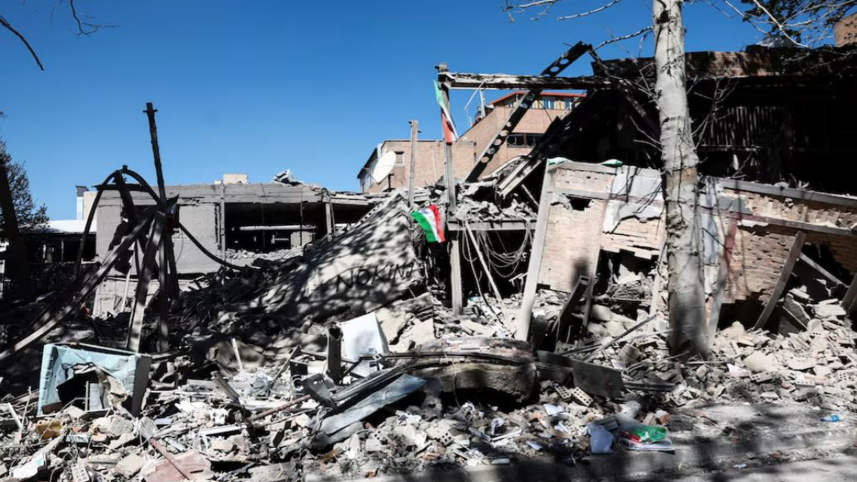
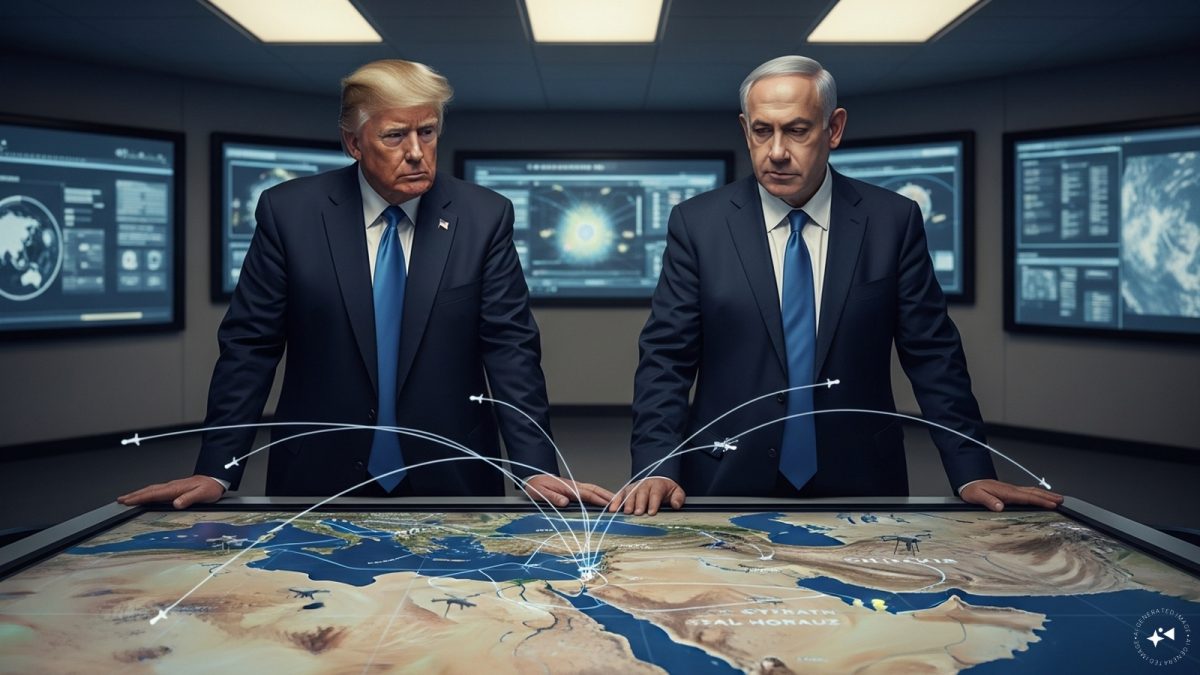
The Iran-US-Israel ceasefire fundamentally restructures global shipping economics and supply chain risk for cross-border e-commerce sellers. Iran's military victory and maintained control over the Strait of Hormuz—through which 21% of global petroleum transits—creates sustained oil price volatility that directly impacts shipping premiums. The news reports temporary oil price spikes and elevated shipping costs, with the Houthis strategically reserving Red Sea commercial shipping strike capabilities as leverage. For e-commerce sellers, this translates to immediate operational challenges: freight rates for goods transiting Middle Eastern routes face 8-15% premiums, particularly affecting sellers shipping electronics, machinery, and consumer goods to Gulf states (Saudi Arabia, UAE, Qatar) and North Africa.
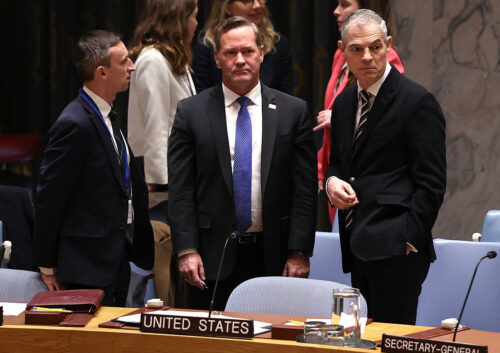
Shipping Route Economics: The ceasefire clarifies but does not eliminate regional instability. While India benefited from restored shipping lanes and lower oil volatility, sellers routing inventory through Suez Canal corridors face persistent uncertainty. Sellers using 3PL providers with Middle Eastern hubs (Dubai, Jebel Ali ports) should expect 2-4 week delivery delays and 12-18% increased fulfillment costs through Q1-Q2 2025. The Houthis' strategic restraint on Red Sea strikes suggests temporary stability, but Gregory D. Johnsen's analysis indicates this is tactical positioning rather than permanent de-escalation—creating unpredictable cost spikes during political negotiations.
Market Access Shifts: China's energy security gains and Pakistan's diplomatic relevance signal emerging trade corridor opportunities. Sellers sourcing from China for Middle Eastern markets gain competitive advantage through reduced geopolitical friction, while Pakistan-based suppliers may see improved market access to Gulf states through restored diplomatic channels. Conversely, sellers dependent on US-Israel supply chains face margin compression as American strategic losses reduce security guarantees to Gulf allies, potentially triggering protectionist trade policies. The ceasefire's clarification of regional power distribution creates 6-12 month windows for sellers to reposition inventory before new tariff regimes or trade restrictions emerge in affected regions.
Immediate Actions: Monitor freight rate indices (Freightos Baltic Index, Shanghai Containerized Freight Index) for Suez Canal corridor premiums; consider shifting 15-25% of inventory destined for Gulf markets to India-based 3PLs with restored shipping advantages; evaluate alternative sourcing from Pakistan for Middle Eastern markets capitalizing on improved diplomatic positioning. Risk mitigation requires quarterly reviews of shipping cost allocations and contingency pricing for affected product categories (electronics, machinery, textiles) with 30-40% of sales volume in Middle East/North Africa regions.
Questions 8
How does the ceasefire affect sourcing strategies for cross-border sellers?
The ceasefire reshapes sourcing economics by elevating China's energy security position and Pakistan's diplomatic relevance. Sellers sourcing from China for Middle Eastern markets gain competitive advantage through reduced geopolitical friction and improved trade corridor access. Pakistan-based suppliers may see improved market access to Gulf states through restored diplomatic channels, creating 6-12 month windows for sellers to establish new sourcing relationships before competitors catch on. Conversely, sellers dependent on US-Israel supply chains face margin compression as American strategic losses reduce security guarantees. Evaluate sourcing diversification: allocate 20-30% of Middle Eastern market inventory to Pakistan/India suppliers, maintain 50-60% from China, and reduce US-Israel sourcing from 20-30% to 10-15%.
What are the tariff and trade policy implications of the ceasefire?
The ceasefire clarifies power distribution without resolving underlying regional contests, creating uncertainty around future trade policies. Gulf states (Saudi Arabia, UAE) discovered vulnerability to Iranian military capabilities and reduced American security guarantees, potentially triggering protectionist trade policies or tariff increases on imported goods. China quietly secured energy flows and reinforced its great power narrative, suggesting potential tariff advantages for China-sourced products in Middle Eastern markets. Pakistan gained diplomatic relevance through ceasefire brokerage, indicating improved market access for Pakistan-based suppliers. Monitor trade policy announcements from Gulf Cooperation Council (GCC) members for potential tariff changes affecting electronics, machinery, and consumer goods categories.