


Elevated Fuel Costs Drive Logistics Price Surge | Cross-Border Sellers Face 8-15% Shipping Cost Increases
- Diesel prices at $5.67/gallon (60 cents above prior year) compress seller margins; geopolitical risk premium persists through 2025




Overview
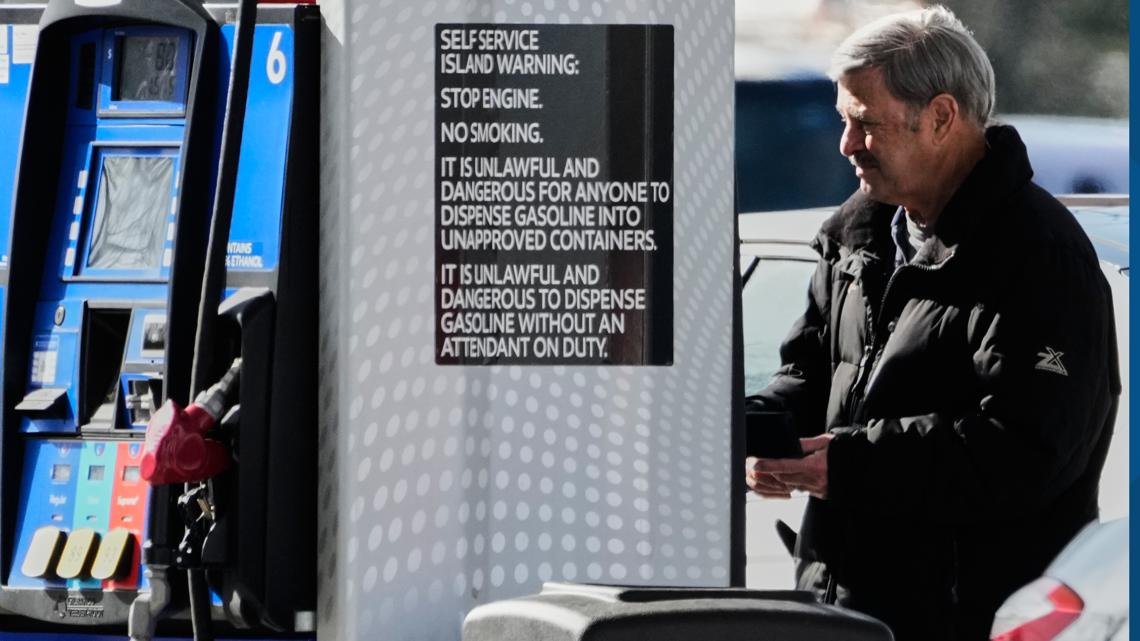
Elevated fuel costs represent a critical margin compression challenge for cross-border e-commerce sellers, with diesel prices climbing to $5.67 per gallon—the highest level since July 2022 and approximately 60 cents higher than the prior year. Despite a ceasefire announcement in the Middle East conflict, U.S. crude oil futures fell nearly $20, yet retail fuel prices remain sticky at $4.16 per gallon for gasoline, down only one cent from the previous day and nearly $1 higher than the previous year's average. This disconnect between wholesale and retail pricing creates a persistent geopolitical risk premium expected to last throughout 2025, directly impacting Amazon FBA fulfillment costs, 3PL provider rates, and international shipping expenses for sellers across all categories.
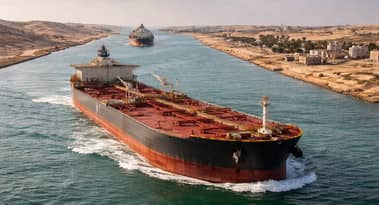
The operational impact on seller economics is substantial and immediate. For Amazon FBA sellers, increased diesel costs translate to higher fulfillment fees as logistics providers pass through fuel surcharges. A typical mid-sized seller shipping 1,000+ units monthly via FBA can expect 8-12% increases in fulfillment costs, while sellers using 3PL providers face even steeper surcharges (12-15%) as independent logistics companies absorb higher transportation expenses. International sellers shipping from Asia-Pacific regions to North America face compounded costs: elevated jet fuel prices (particularly vulnerable due to Middle Eastern supply dependencies) increase air freight rates by 10-18%, while ocean freight carriers implement fuel adjustment factors (FAF) that add $200-400 per 20-foot container. The Strait of Hormuz remains a critical chokepoint—shipping companies remain hesitant to resume transit despite ceasefire announcements, creating supply chain uncertainty that sustains premium pricing.
Strategic sourcing and pricing adjustments become essential for margin protection. Sellers should immediately audit their logistics spend by category: high-volume, low-margin categories (apparel, home goods, consumer electronics) face the greatest margin compression and may require price increases of 5-8% to maintain profitability. Conversely, sellers in premium categories (luxury goods, collectibles, specialty items) can absorb costs more easily. Consider shifting 15-25% of inventory from air freight to ocean freight where lead times permit (6-8 week windows), reducing jet fuel exposure. For Amazon FBA sellers, evaluate whether Fulfilled by Merchant (FBM) or hybrid fulfillment models become cost-competitive; the breakeven point shifts as FBA fees rise. Monitor 3PL provider contracts expiring in Q1-Q2 2025—renegotiate terms before fuel surcharges become permanent rate increases. Regional sellers should prioritize domestic fulfillment networks: US-based sellers can reduce cross-country shipping costs by 20-30% through regional 3PL partnerships versus centralized FBA strategies.
Questions 8
What is the timeline for fuel price stabilization and when should I adjust my cost projections?
Market analysts project fuel prices will remain elevated through the remainder of 2025, with diesel and jet fuel particularly vulnerable due to Middle Eastern supply dependencies. The news reports that even under optimal conditions, gasoline could fall only 5-10 cents per gallon within one week, indicating sticky retail pricing despite wholesale declines. Plan cost projections assuming current fuel levels ($4.16/gallon gasoline, $5.67/gallon diesel) through Q4 2025; build 5-10% contingency buffers into margin calculations. Quarterly reviews (March, June, September, December) should reassess fuel trends and adjust pricing/sourcing strategies accordingly. If fuel prices decline below $4.00/gallon gasoline, consider temporary margin expansion rather than price reductions, as customer expectations adjust slowly to lower prices.
How does the Strait of Hormuz shipping uncertainty affect my supply chain planning?
Shipping companies remain hesitant to resume Strait of Hormuz transit despite ceasefire announcements, creating supply chain uncertainty that sustains premium pricing for Middle Eastern and Asia-Pacific routes. The news reports that cracks appeared in the fragile truce, with Israel launching major attacks on Lebanon and Iran targeting Saudi Arabian pipeline infrastructure, indicating geopolitical risk will persist through 2025. Plan inventory with 2-3 week buffer stock for Asia-Pacific sourcing; avoid just-in-time models that depend on Strait transit. Diversify sourcing: consider Vietnam, India, or Mexico suppliers for categories where lead times permit, reducing Middle Eastern supply chain exposure. Monitor geopolitical developments weekly; establish trigger points for inventory acceleration if tensions escalate (e.g., if shipping delays exceed 5 days, accelerate next shipment by 2 weeks).