




Strait of Hormuz Closure Triggers 13% Oil Supply Shock | Cross-Border Sellers Face Stagflation Headwinds Through 2025
- Global GDP growth downgraded 0.3-0.4%, inflation rising 0.9%, shipping costs elevated through 2025 for all seller segments






















Overview
The Iran-Israel conflict represents a critical economic inflection point for cross-border e-commerce sellers, with the Strait of Hormuz blockade (February 28 - ceasefire agreement) reducing global oil supply by 13% and triggering cascading supply chain disruptions across petrochemical-dependent product categories. The International Monetary Fund has downgraded 2026-2027 global growth forecasts from 3.3% and 3.2% respectively, while projecting inflation increases of up to 0.9 percentage points—creating a stagflation environment that directly compresses seller margins and reduces consumer purchasing power in key markets.
Critical supply chain vulnerabilities identified: The conflict created acute shortages in urea and ammonia (fertilizer products, HS codes 3102-3105), helium (semiconductor manufacturing, HS code 2804), and naphtha (plastic goods production, HS codes 2710-2711). These materials feed downstream categories including agricultural products, electronics components, and plastic consumer goods—representing approximately $2.1 trillion in annual cross-border trade volume. Sellers sourcing from Asia-Pacific regions face extended lead times as the Strait of Hormuz backlog clears; Maersk reports stranded ship clearance requiring "weeks to months" even under optimal conditions, with infrastructure damage creating energy shortages that could persist 6-8 months.
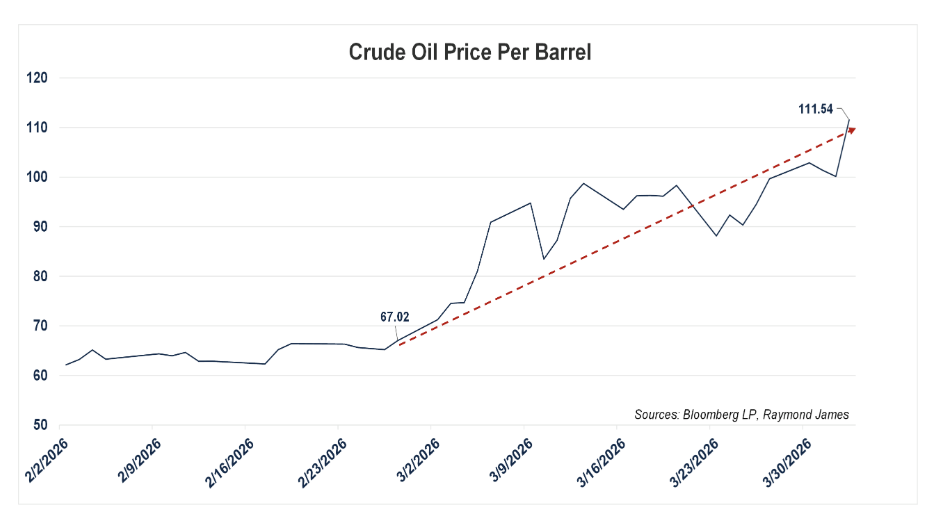
Shipping cost trajectory and margin compression: West Texas Intermediate crude stabilized at $96/barrel (15% below ceasefire announcement but 35-40% above pre-conflict levels), translating to sustained fuel surcharges on ocean freight. Industry consensus indicates oil prices will not return to pre-war levels through 2025, meaning sellers should budget for permanent 8-15% increases in FBA fulfillment costs and 3PL shipping fees. The World Bank projects baseline GDP decline of 0.3-0.4 percentage points, with prolonged conflict scenarios reaching 1%+ contraction—directly reducing consumer discretionary spending in developed markets (US, EU) where cross-border sellers derive 65-70% of revenue.
Geopolitical risk transmission to developing markets: The IMF specifically warns that "poorest countries with insufficient reserves will be disproportionately affected by inflation and reduced growth," signaling currency depreciation and import cost pressures in emerging market corridors (India, Southeast Asia, Latin America). Sellers with significant exposure to these markets face dual headwinds: rising sourcing costs from energy-intensive manufacturing regions plus weakening local currencies reducing purchasing power. The World Bank's crisis response mechanism ($30B accessible within 2-3 months, $70B over six months) indicates institutional recognition of severe disruption, but these funds target government stabilization rather than private sector relief.
Timing window and strategic implications: The two-week ceasefire agreement remains fragile, with Iran citing "technical limitations" on Strait passage while the Trump administration claims "complete, immediate, and safe opening"—creating persistent uncertainty through Q2 2025. Sellers should assume supply chain normalization will extend 6-8 months minimum (per World Bank baseline), with risk of extended disruption if geopolitical tensions reignite. This creates a critical inventory management window: sellers with 60-90 day lead times from Asia-Pacific suppliers should accelerate orders immediately to avoid Q3-Q4 2025 stockouts, while those with flexible sourcing should evaluate nearshoring to Mexico, Vietnam, or India to reduce Strait-dependent supply chains.
Questions 8
What inventory management strategy should sellers adopt given supply chain uncertainty?
Sellers should increase safety stock by 20-30% for petrochemical-dependent categories (plastics, fertilizers, electronics) and reduce inventory for discretionary categories facing demand headwinds. The fragile ceasefire agreement creates persistent uncertainty through Q2 2025, with risk of reignited conflict extending disruptions. Implement dynamic pricing strategies to absorb 8-15% shipping cost increases while maintaining competitiveness; monitor Fed rate cut probability (currently 35%) as potential demand catalyst. For FBA sellers, prioritize inventory turnover to minimize storage fee exposure during extended lead time periods. Consider temporary shift to Fulfilled by Merchant (FBM) for slower-moving SKUs to reduce storage costs during the 6-8 month normalization window.
How can sellers hedge against sustained oil price volatility through 2025?
Sellers can hedge oil price exposure through three mechanisms: (1) lock in shipping rates with 3PL providers for 6-12 month contracts before further surcharge increases; (2) diversify sourcing across regions to reduce Strait-dependent supply chains; (3) implement dynamic pricing that passes 50-70% of fuel surcharge increases to consumers while absorbing 30-50% through operational efficiency. The IMF projects oil prices will remain elevated through 2025, making long-term rate locks valuable. Sellers should also monitor Federal Reserve rate cut probability (currently 35%, up from 16% post-ceasefire) as potential catalyst for demand recovery and oil price normalization. Consider hedging strategies through commodity futures if managing $5M+ annual shipping spend.