


Nebraska Football's Strategic Rebuild: Coaching Transformation as Organizational Renewal
- Systematic personnel overhaul signals comprehensive program reconstruction under Matt Rhule's leadership










Overview
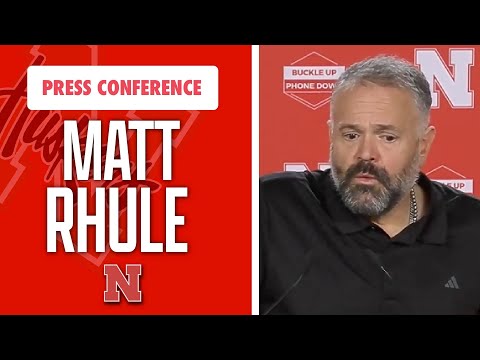
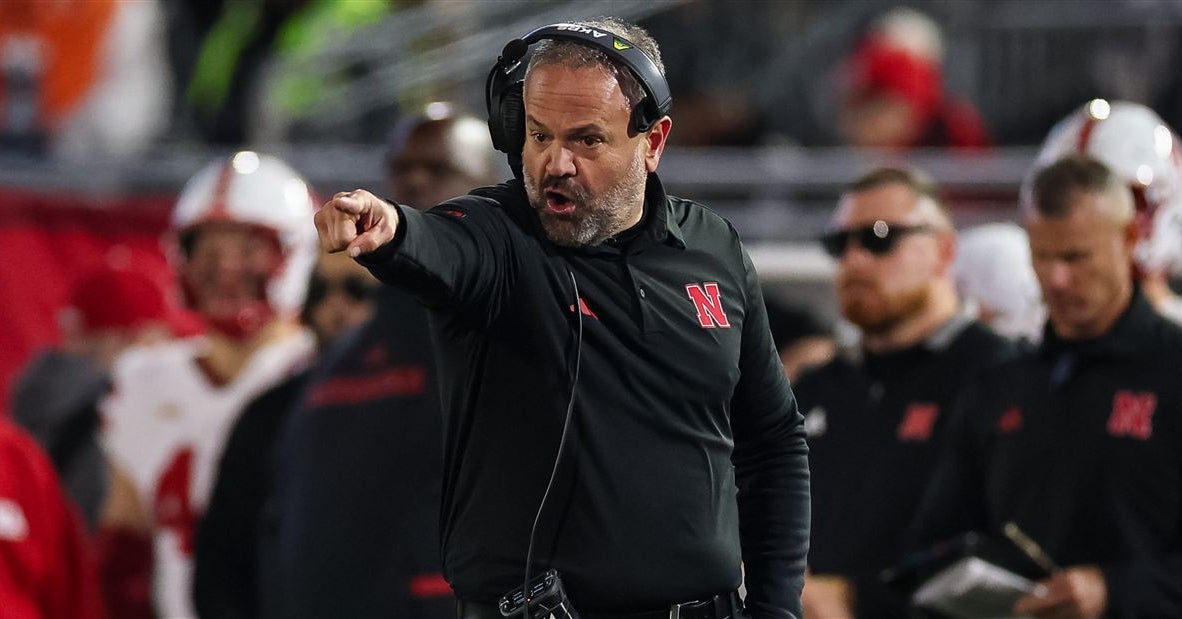
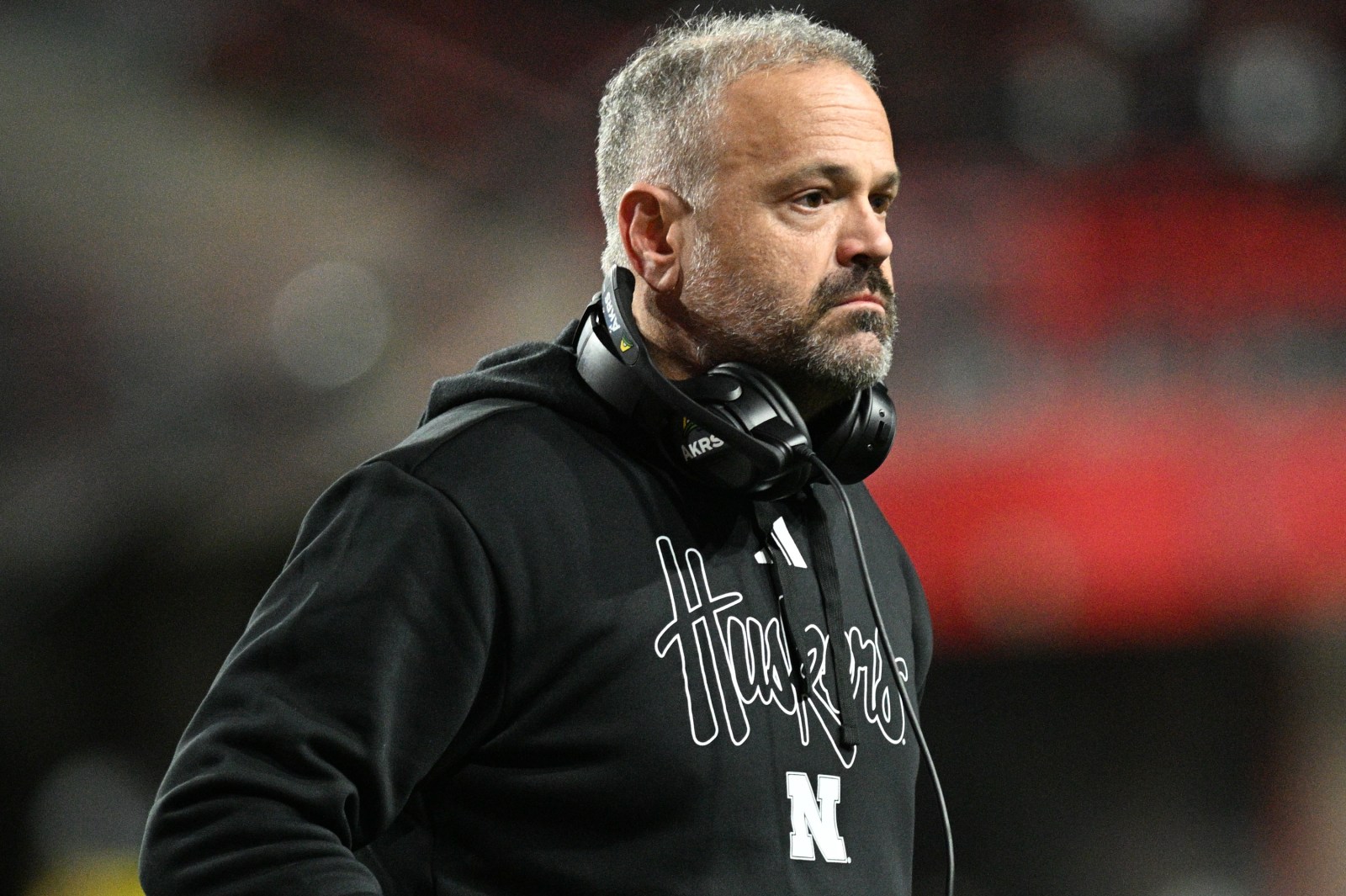
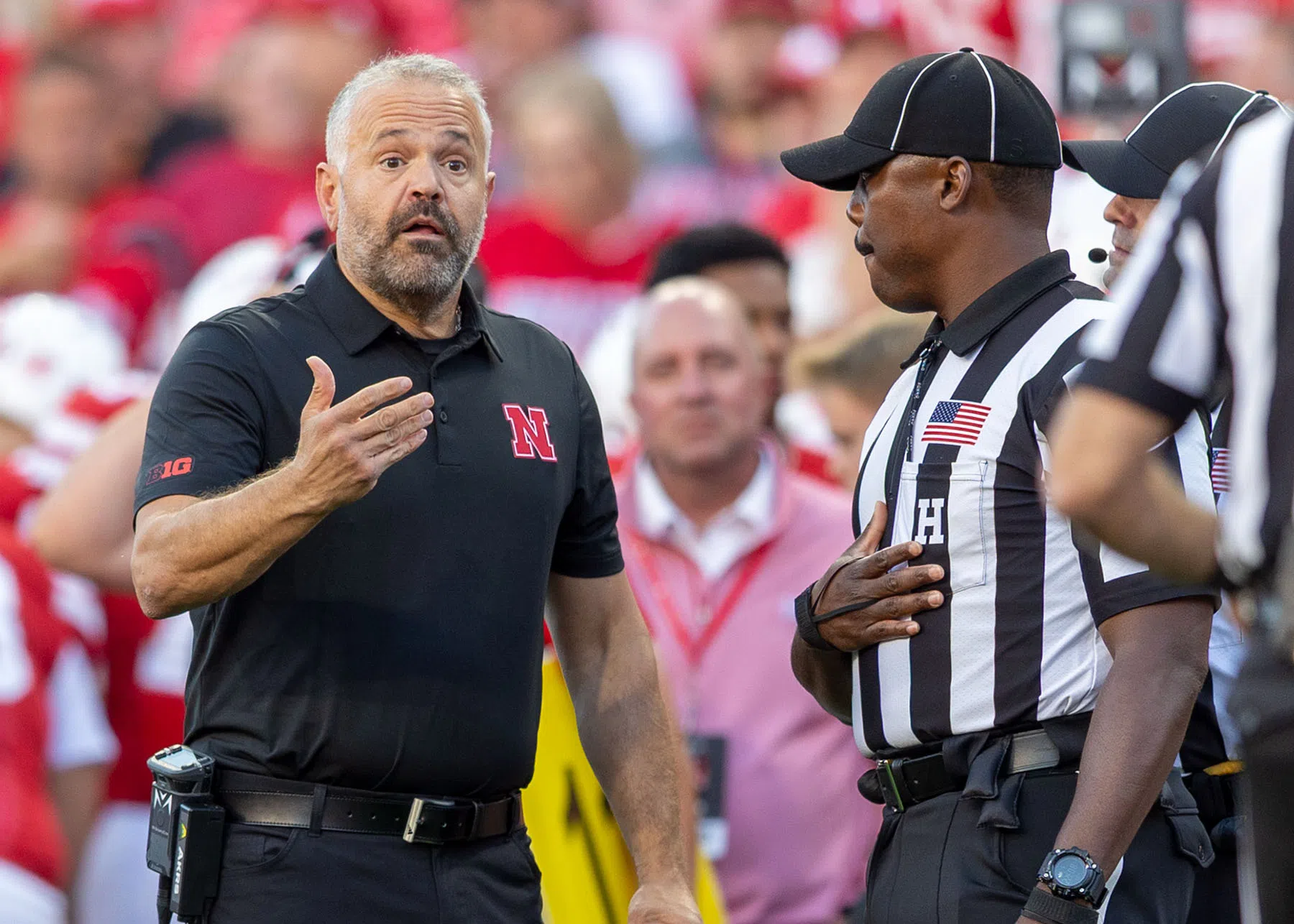
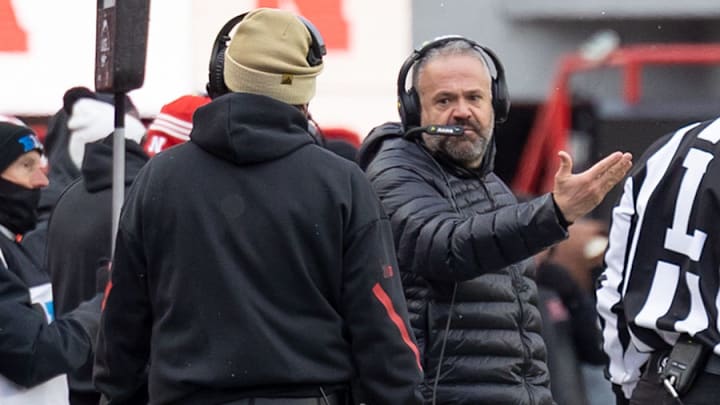
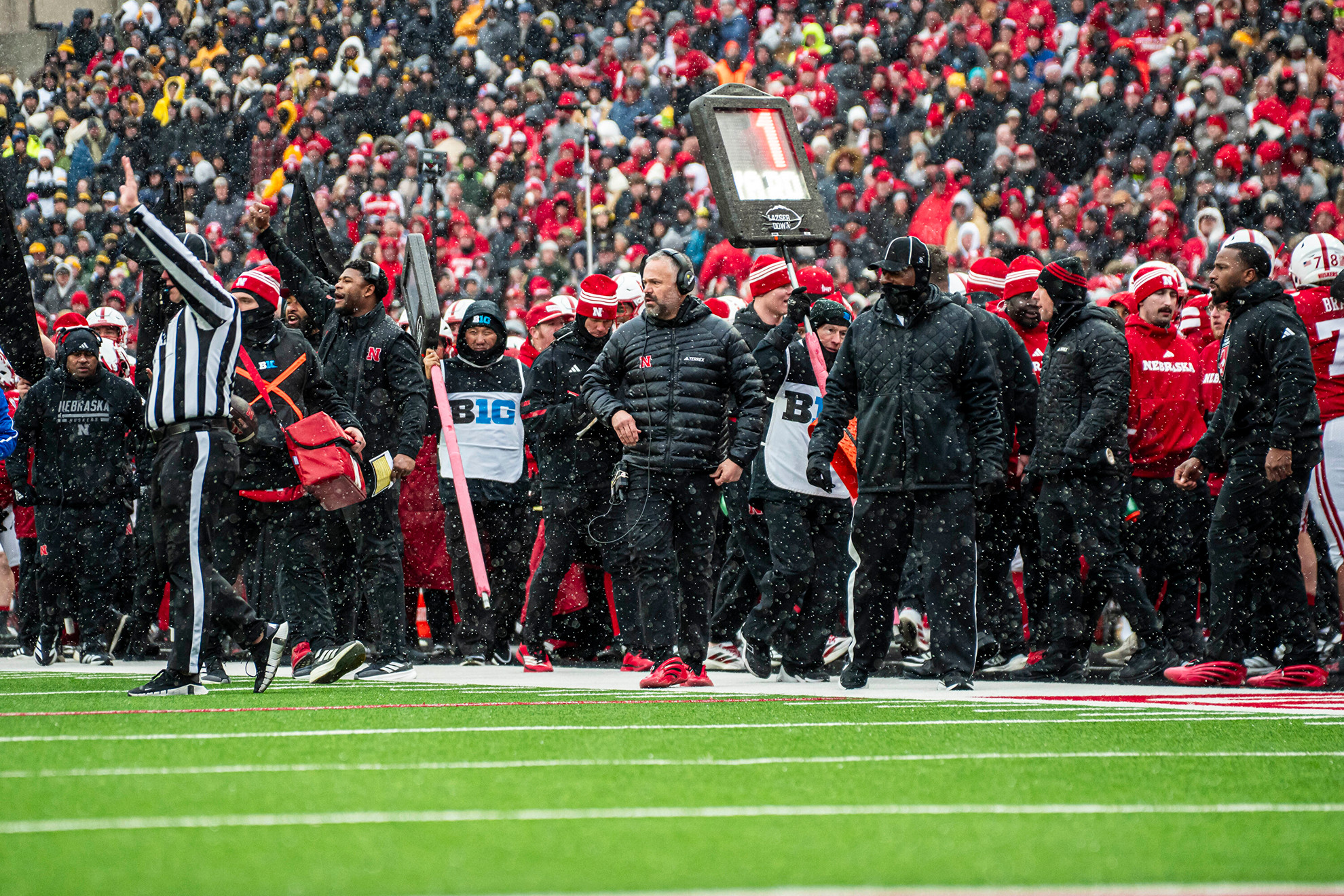
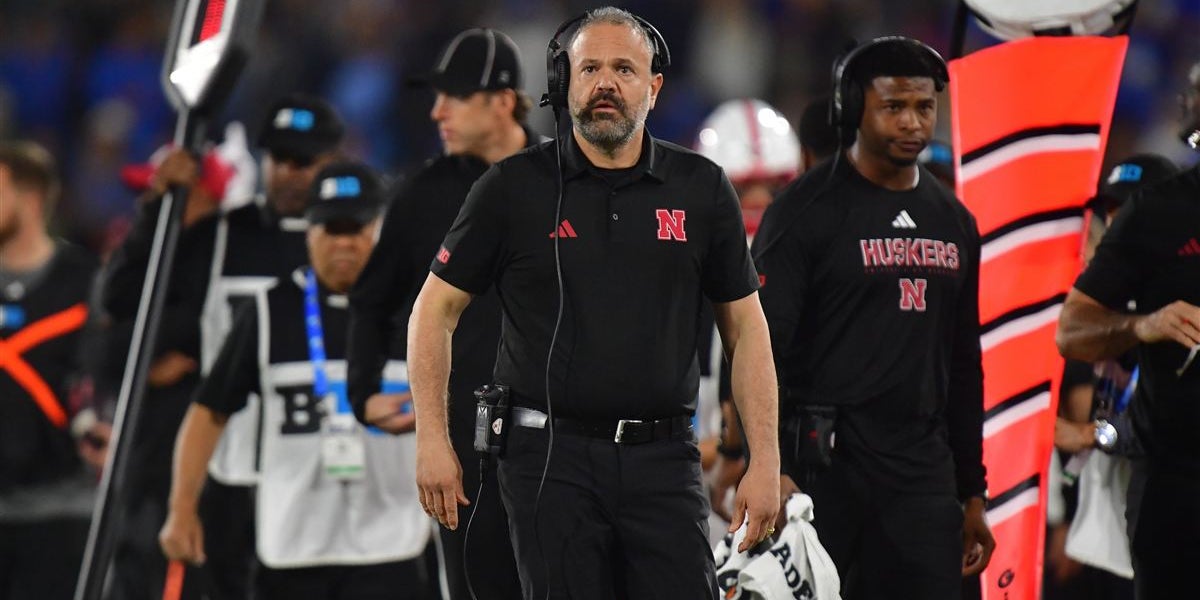
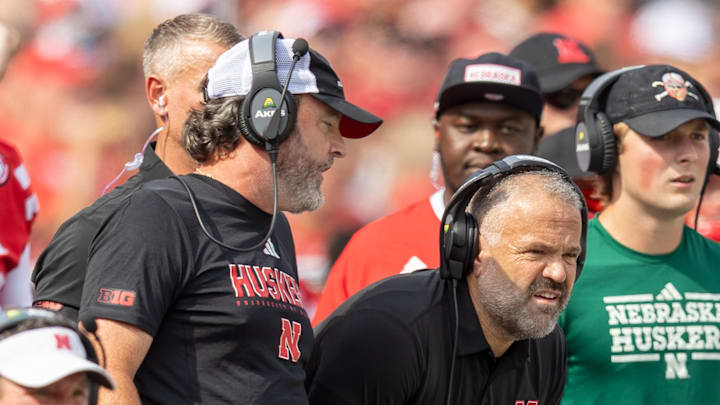
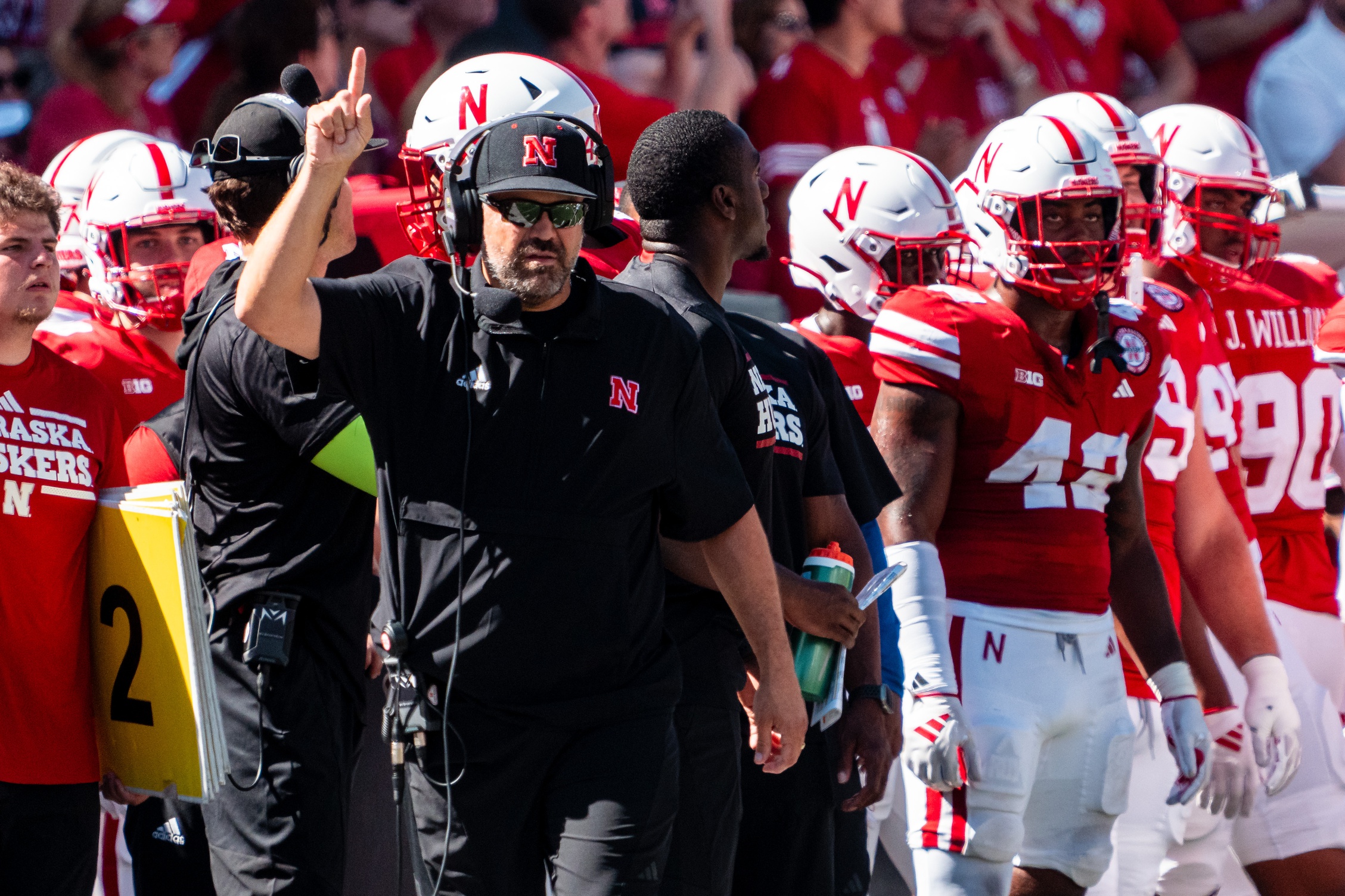
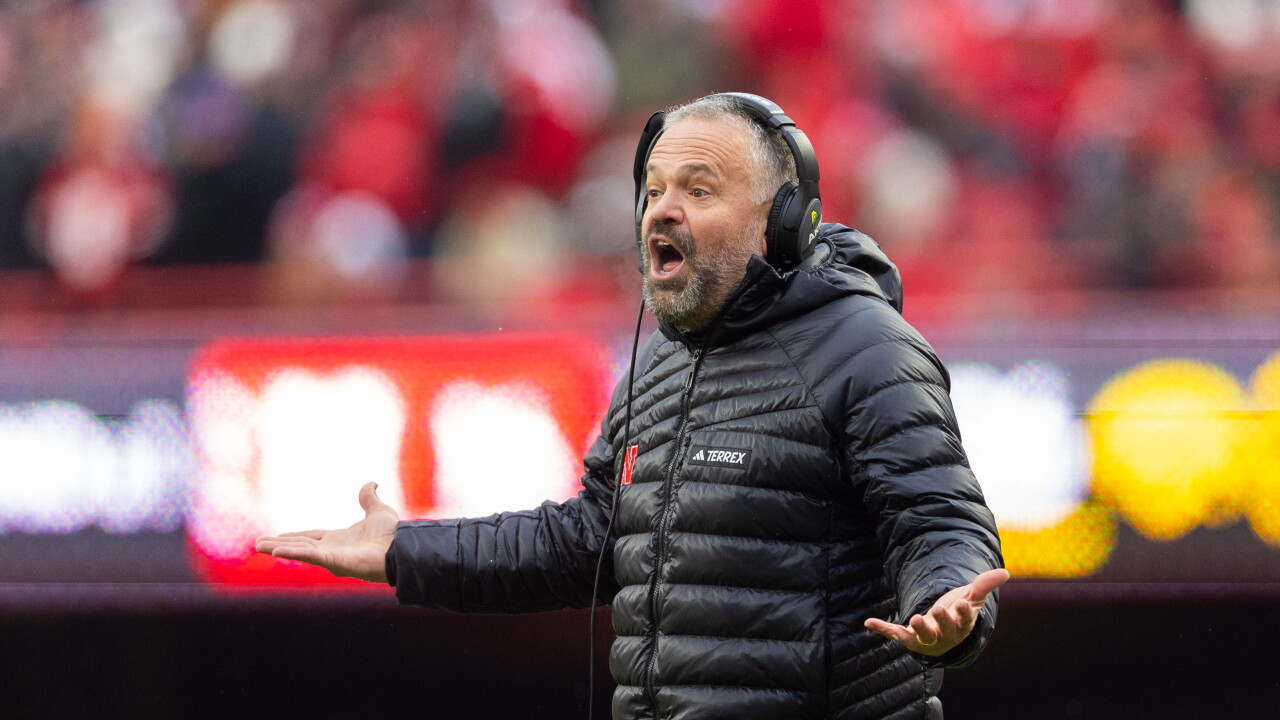
The University of Nebraska's football program is undergoing a profound strategic transformation, characterized by methodical and transparent coaching staff restructuring that reveals deeper organizational dynamics beyond mere personnel changes. Head Coach Matt Rhule is executing a calculated rebuild strategy, systematically replacing key coaching positions to address fundamental performance challenges.
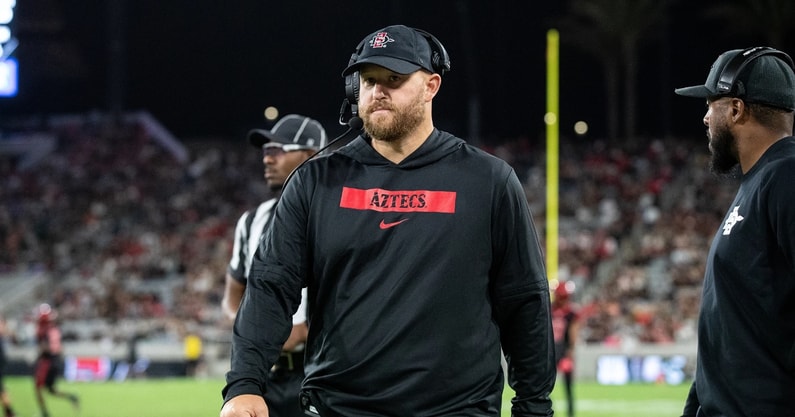
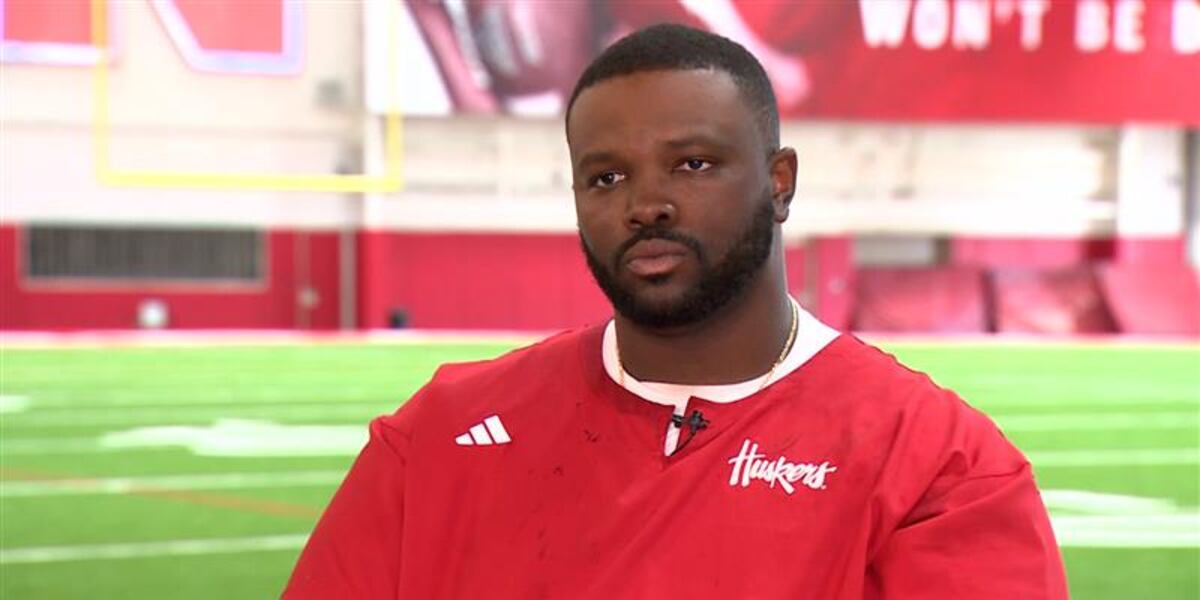
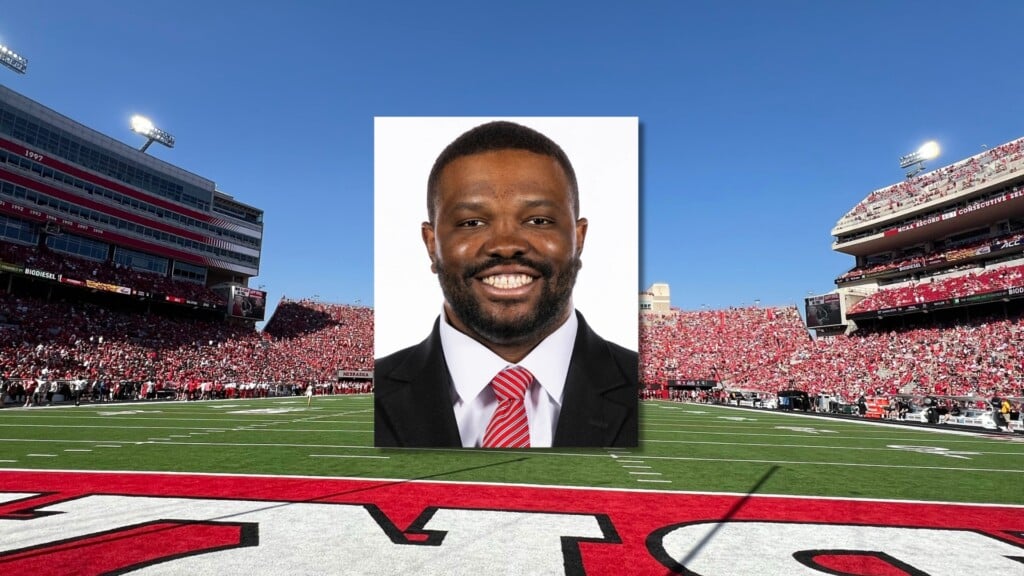
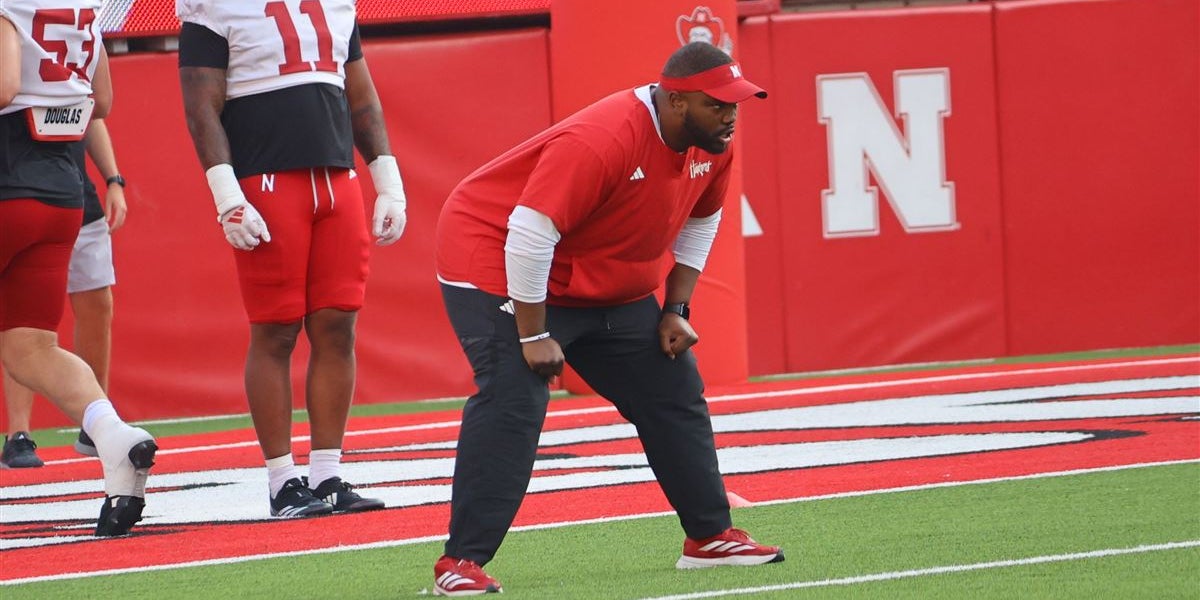
Rob Aurich's hiring as defensive coordinator exemplifies this strategic approach. Coming from San Diego State, where his defensive unit allowed less than 13 points per game, Aurich represents a targeted talent acquisition designed to directly address Nebraska's defensive vulnerabilities. The unconventional hiring process—which notably included an interview during a youth basketball game—suggests Rhule values cultural fit and dynamic leadership over traditional recruitment protocols.
The coaching changes extend beyond Aurich, with Geep Wade's offensive line coaching hire from Georgia Tech representing another precision move. Wade's background coaching an ACC program that ranked highly in rushing performance and pass protection indicates a deliberate effort to strengthen specific tactical capabilities. The simultaneous departure of multiple assistants like John Butler, Donovan Raiola, and Terry Bradden signals a comprehensive reset rather than incremental adjustments.
Interestingly, the internal recommendation from cornerback Andrew Marshall, who previously played under Aurich, highlights an organic, network-driven approach to talent identification. Marshall's endorsement—describing Aurich as "rambunctious" and strategically minded—reveals how player perspectives are increasingly integrated into coaching selection.
These developments transcend typical sports personnel management, representing a sophisticated organizational renewal strategy. Rhule is not merely changing coaches but reimagining the program's strategic and cultural foundations. By communicating changes transparently and making data-driven selections, he is rebuilding institutional confidence while signaling a commitment to performance excellence.
The broader implications extend beyond football: this approach demonstrates how strategic leadership involves systematic evaluation, bold decision-making, and a willingness to completely reconstruct underperforming systems. For Nebraska, this isn't just about winning games—it's about establishing a sustainable, high-performance organizational model.
Questions 3
What makes Matt Rhule's coaching staff changes significant?
Rhule is executing a comprehensive rebuild strategy, systematically replacing coaches to address fundamental performance issues. His approach goes beyond typical personnel changes, focusing on strategic talent acquisition and cultural transformation of the Nebraska football program.
How does Rob Aurich's hiring reflect Nebraska's strategic approach?
Aurich's selection demonstrates a data-driven approach, bringing proven defensive expertise from San Diego State where his unit allowed less than 13 points per game. His hiring signals a targeted effort to directly improve defensive performance through high-caliber coaching talent.