



Global Cultural Collision: World Cup Pride Match Exposes International Diplomatic Fault Lines
- Unprecedented Diplomatic Tension Emerges at Intersection of Sports, Human Rights, and Cultural Sovereignty











Overview
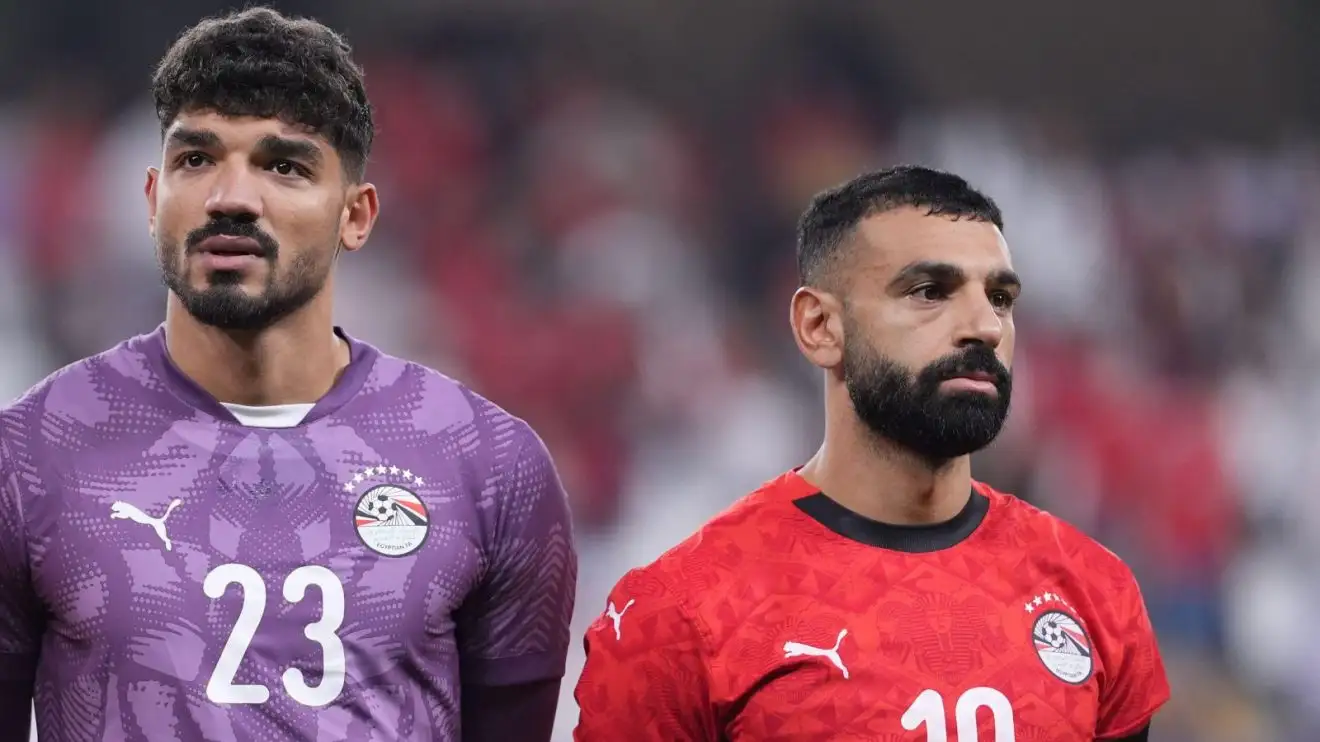
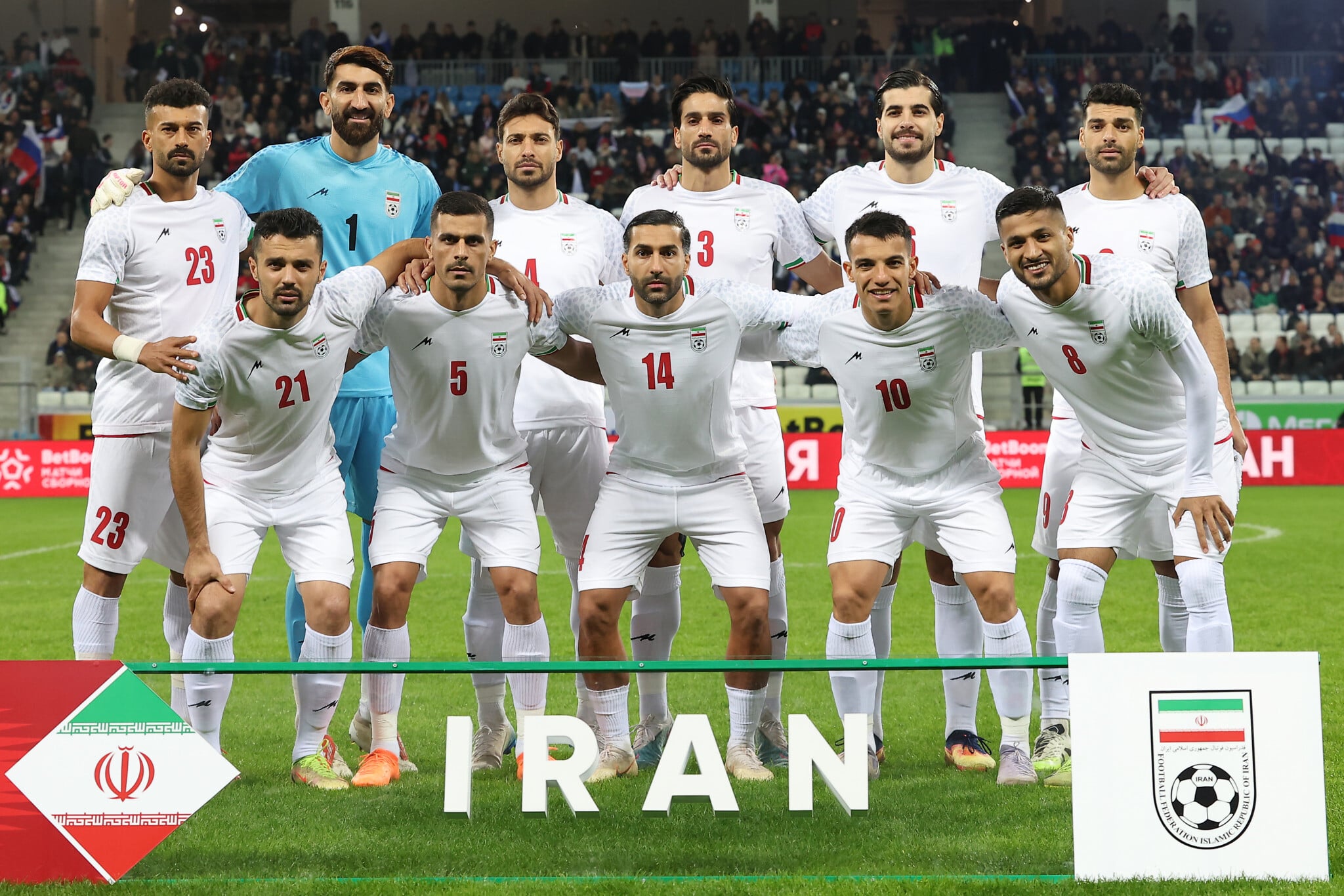
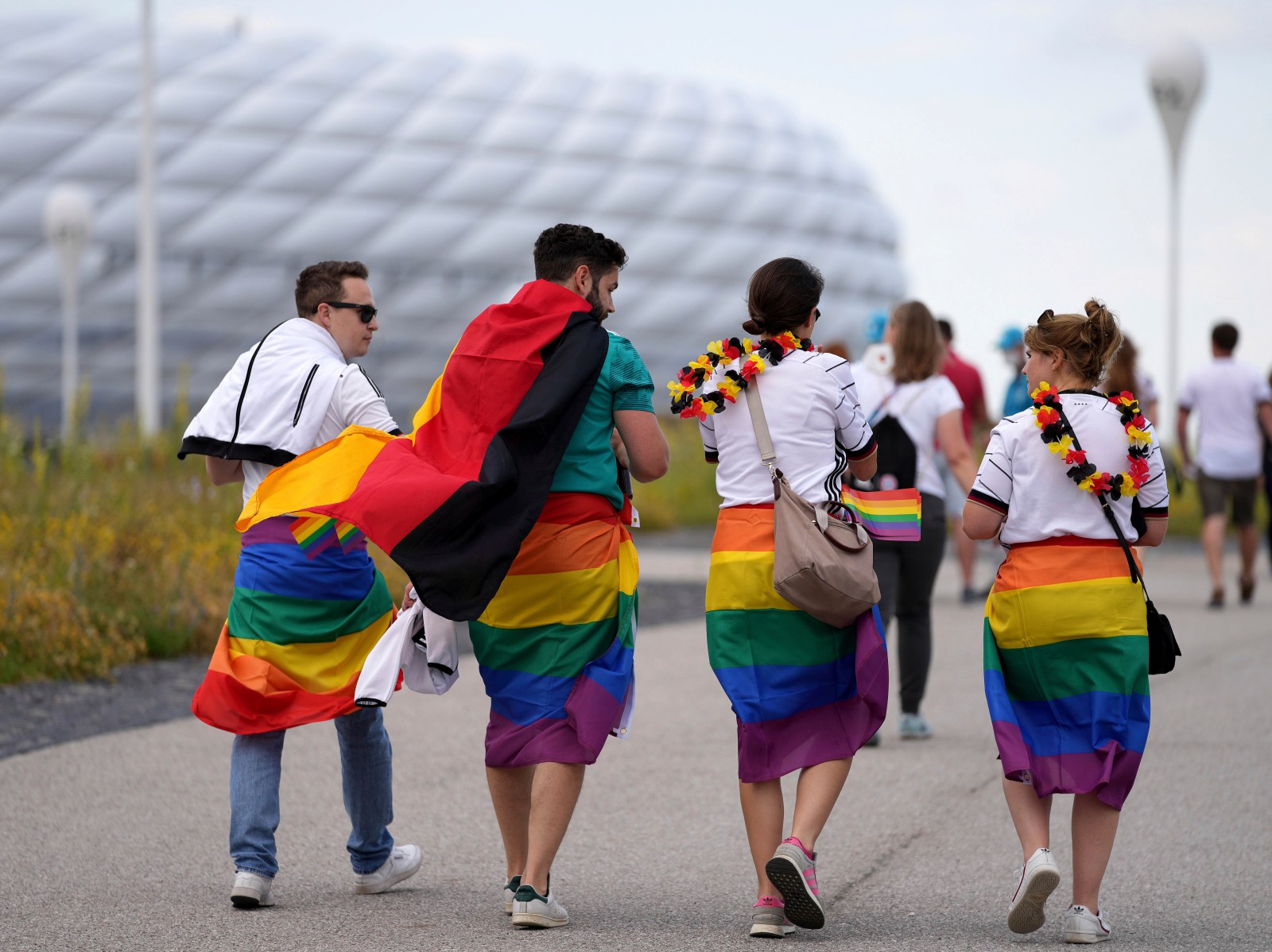
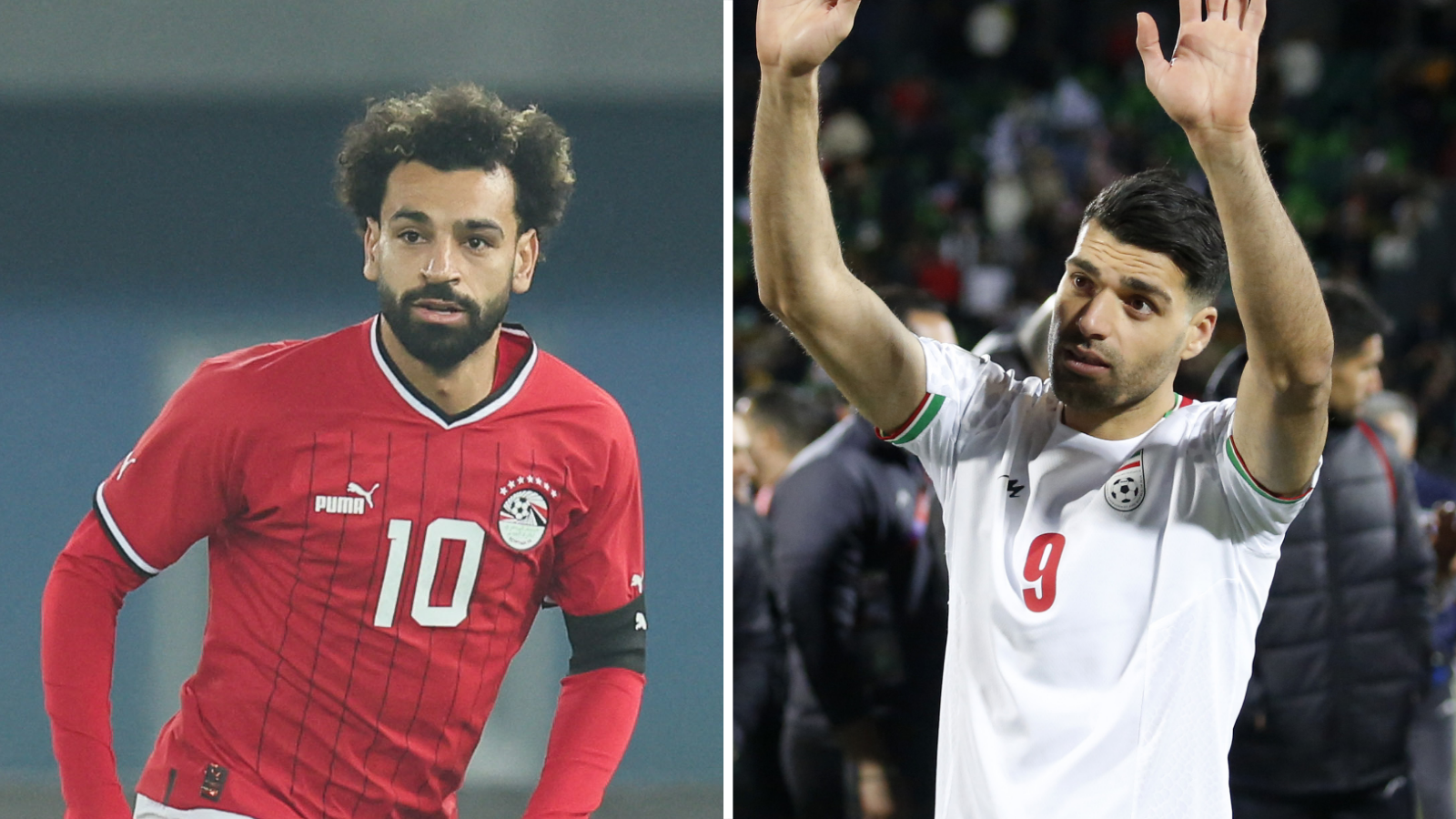
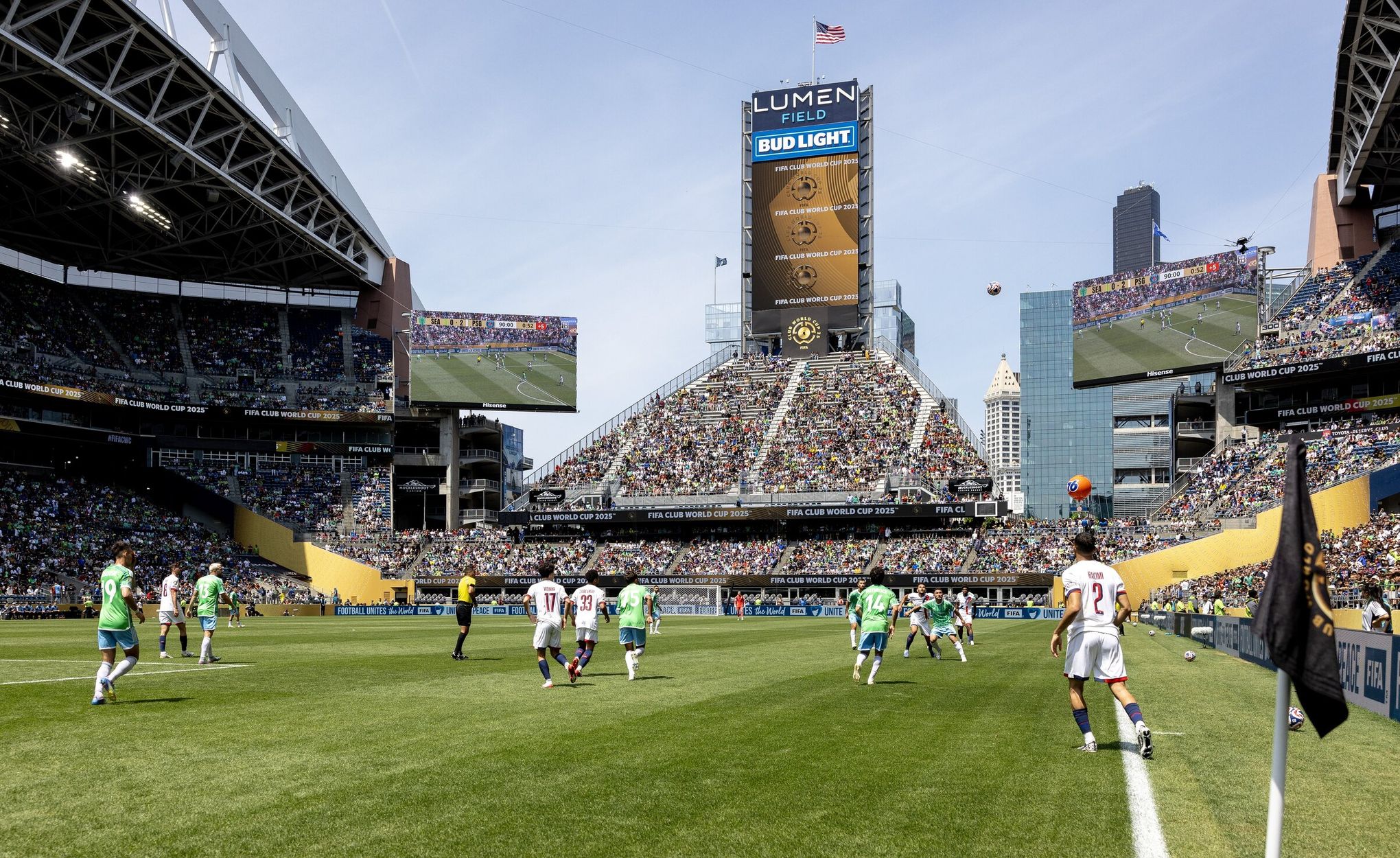
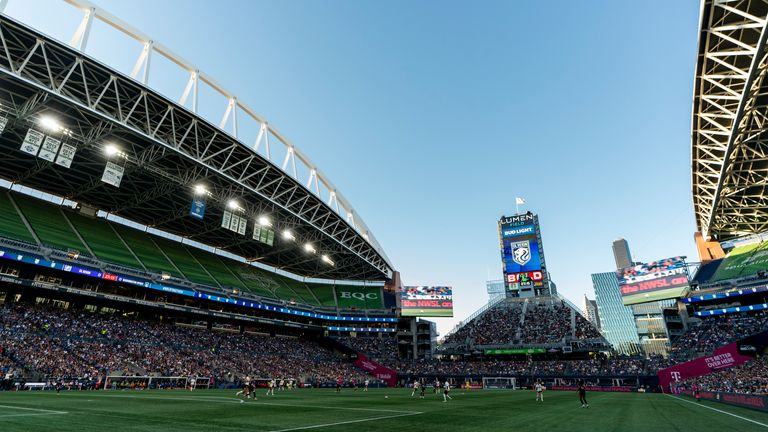
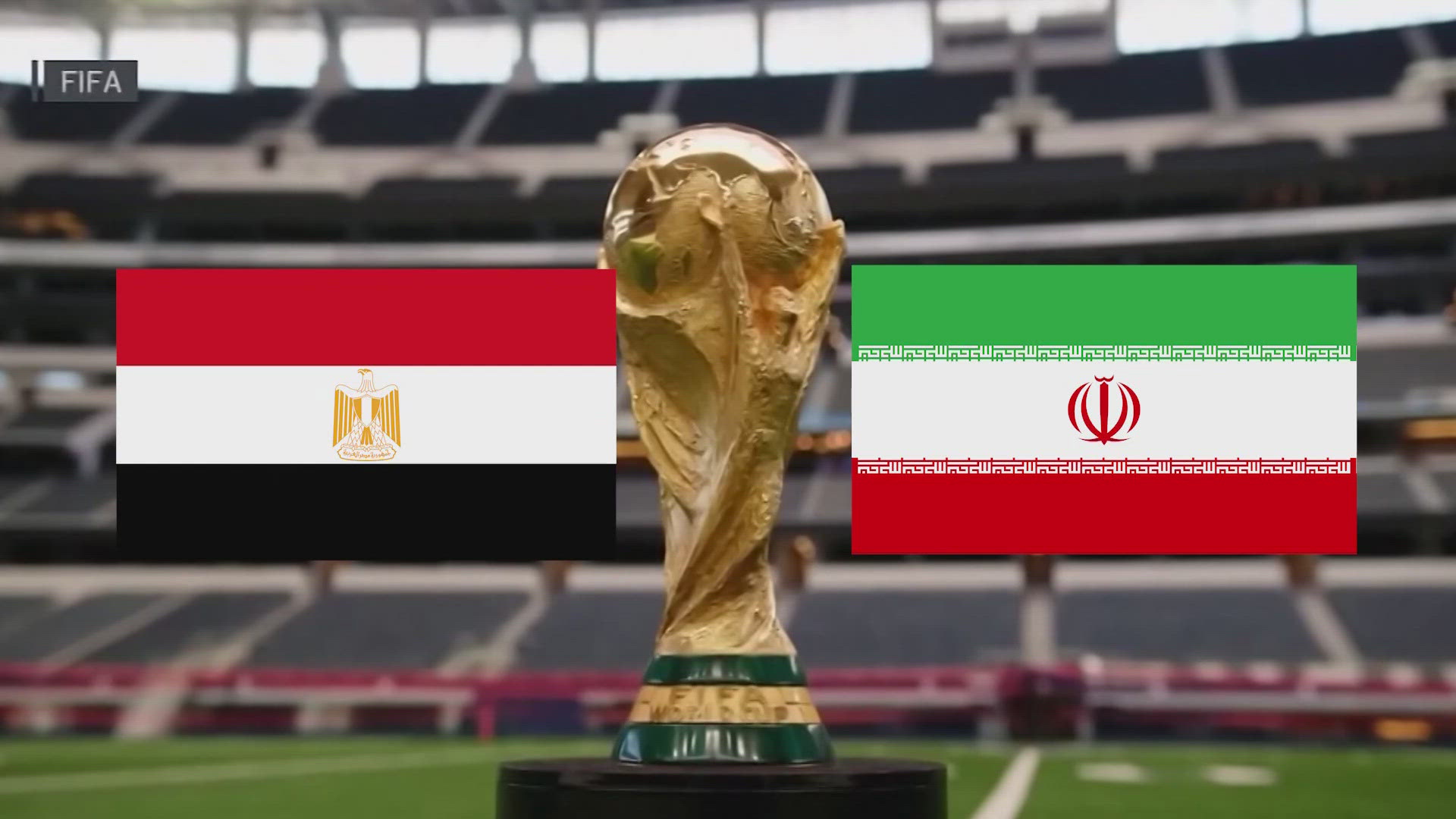
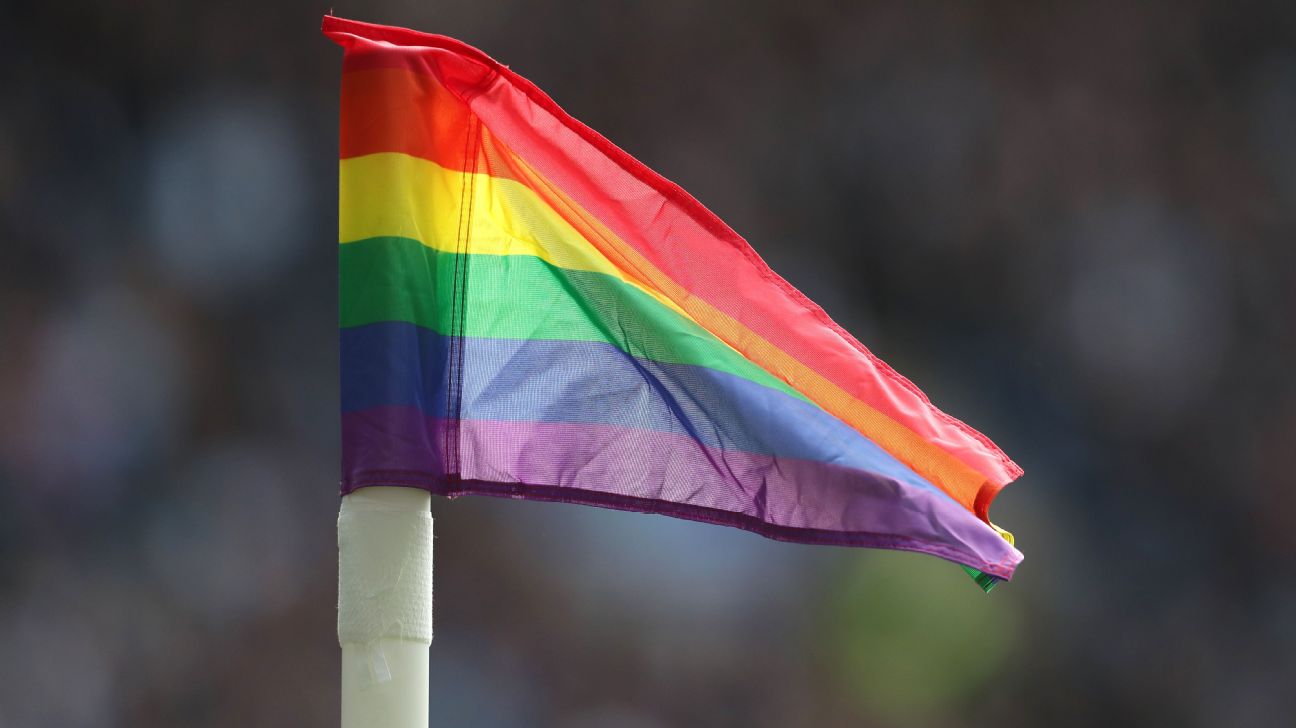
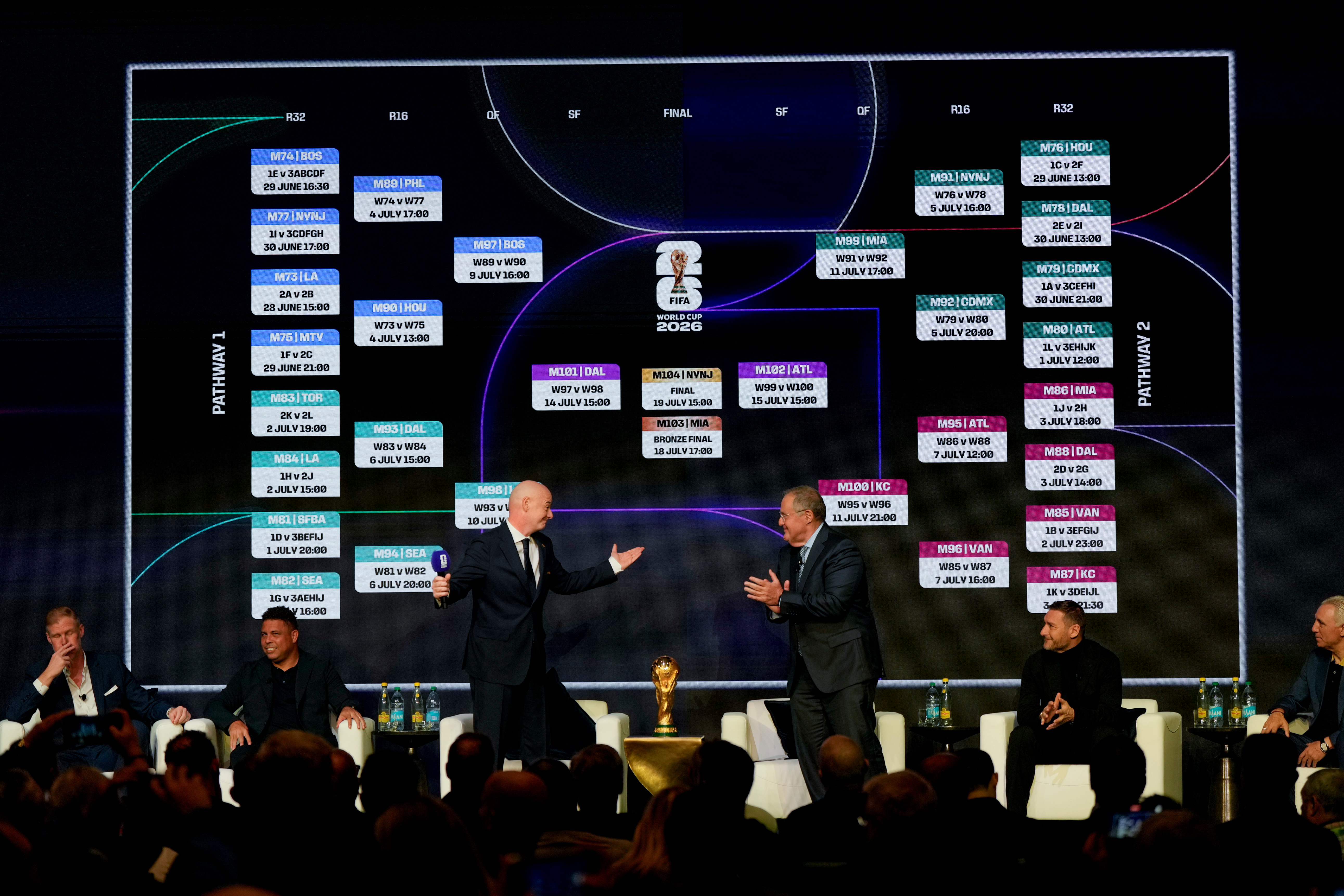
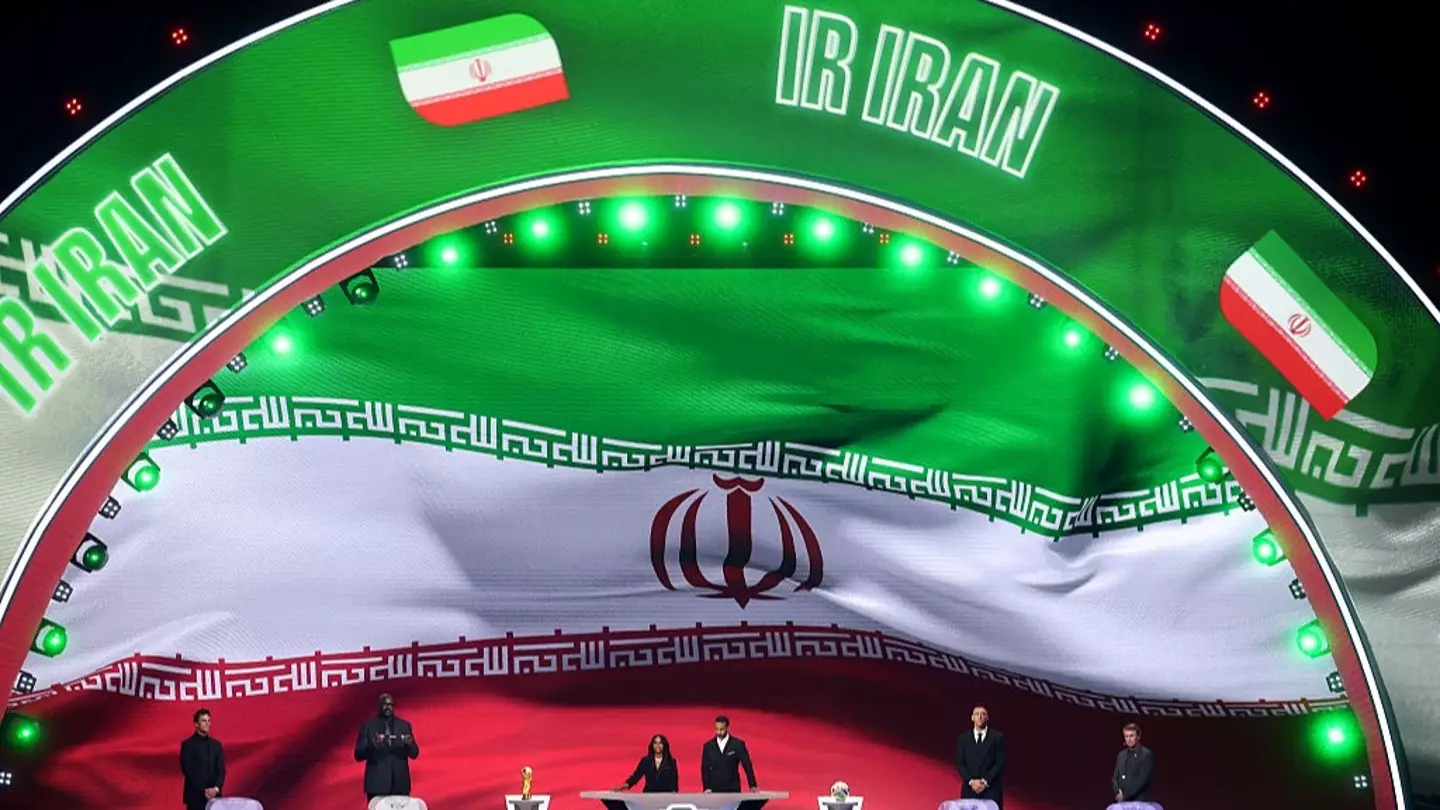
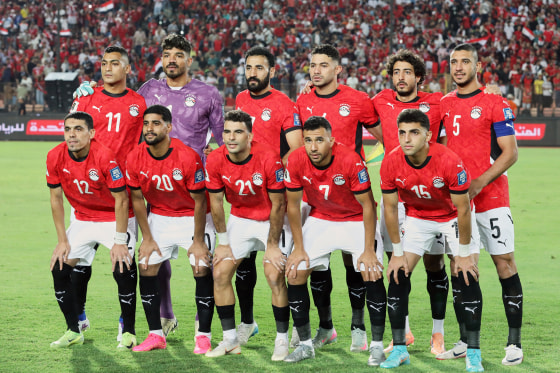
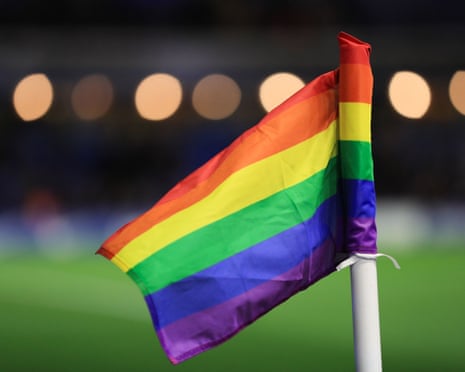
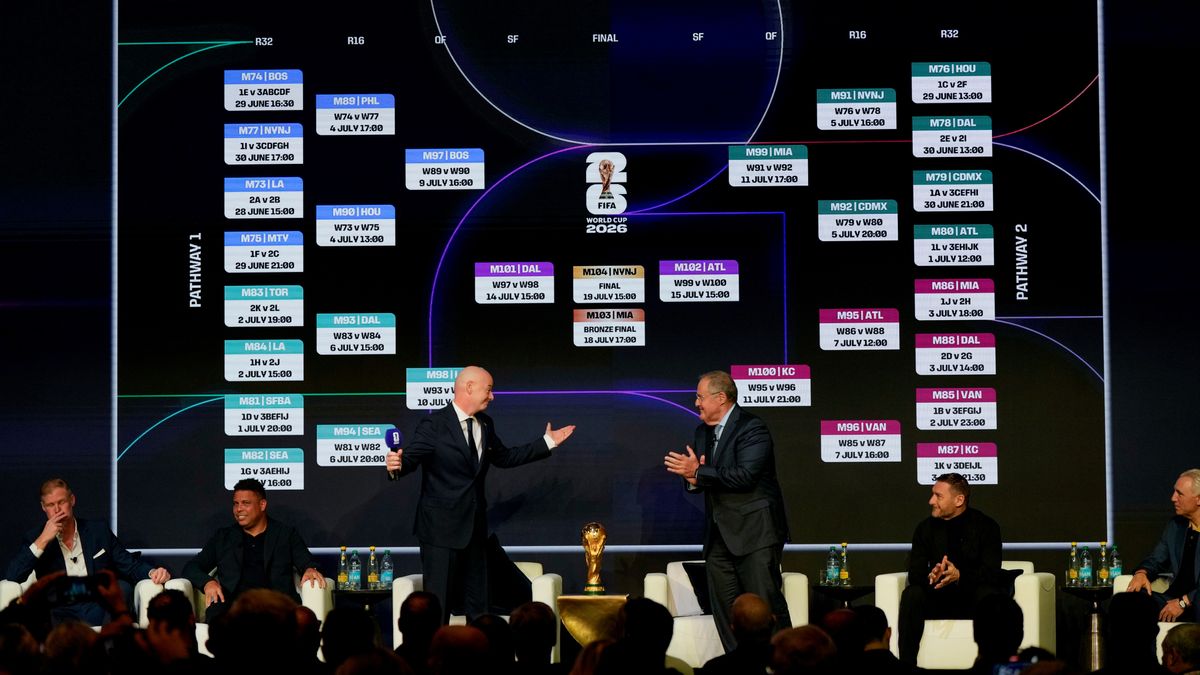
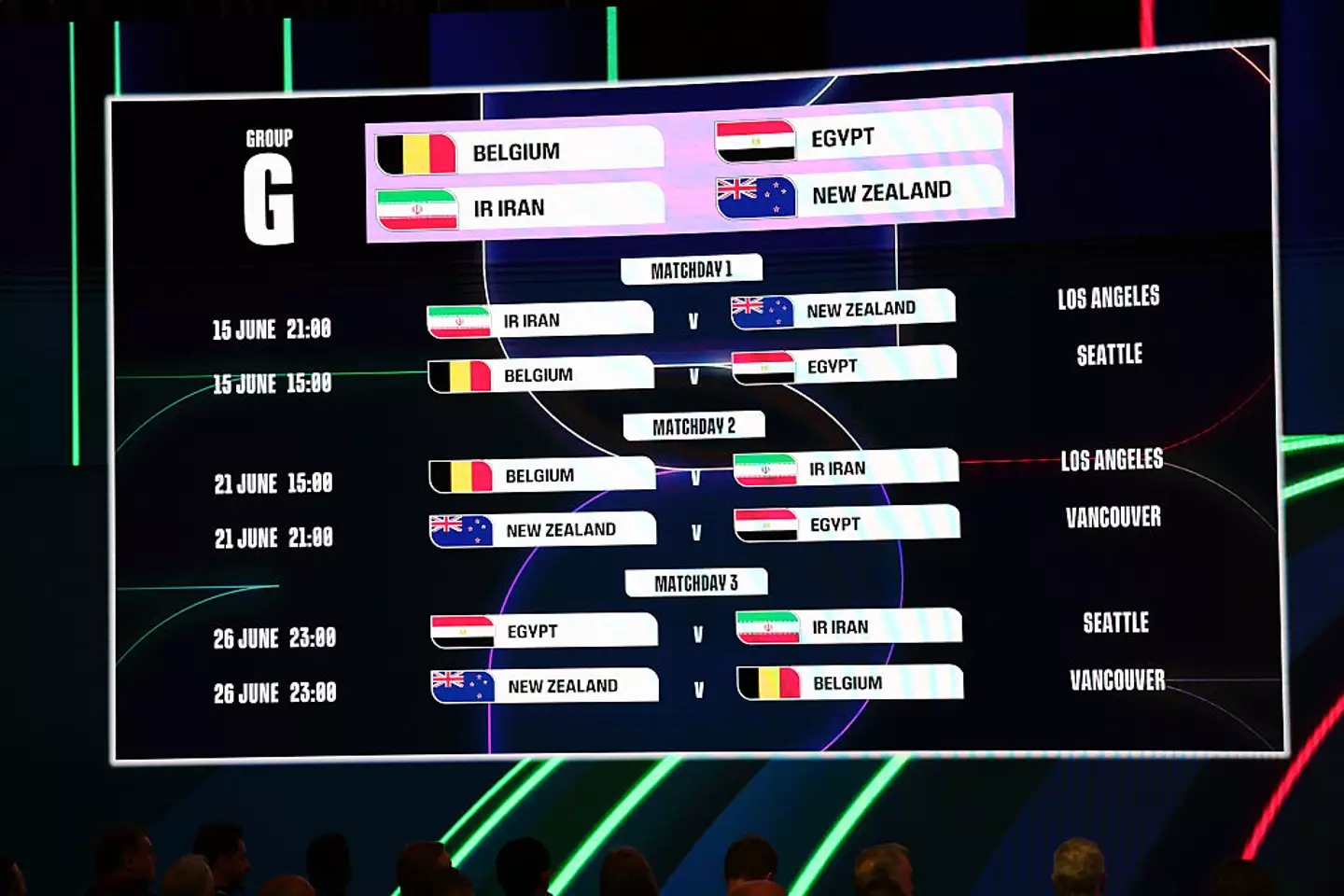
The 2026 FIFA World Cup has become an unexpected battleground for global cultural diplomacy, with a single Pride Match between Egypt and Iran in Seattle revealing deep-seated tensions between international sporting events and cultural sensitivities. This seemingly routine soccer match has transformed into a high-stakes diplomatic confrontation that exposes the complex fault lines of global cultural norms and human rights representation.
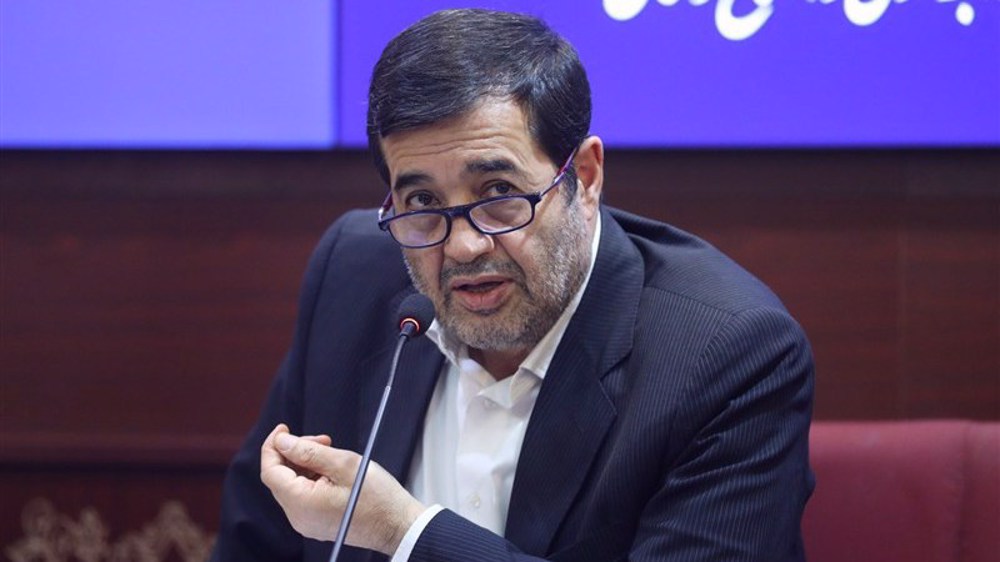
Geopolitical Friction Points emerge starkly in this scenario. Egypt and Iran, despite their historical differences, have united in forceful opposition to Seattle's planned LGBTQ+ Pride-themed match. Their joint protest to FIFA represents more than a sporting dispute—it's a direct challenge to Western cultural values. The Egyptian Football Association and Iran's Football Federation have both formally complained, invoking cultural and religious sensitivities that fundamentally clash with the host city's inclusive programming.
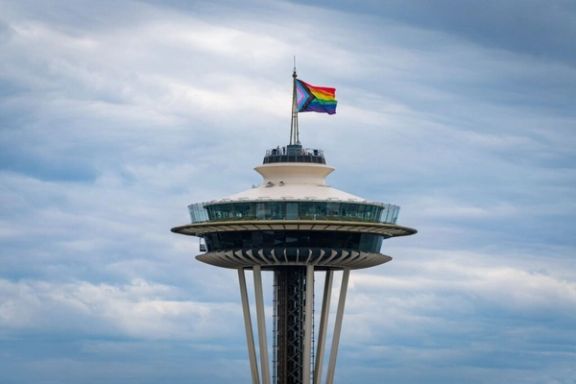
The legal and cultural contexts are particularly revealing. In Iran, homosexuality can be punishable by death, while Egypt systematically targets LGBTQ+ individuals through legal prosecution. By contrast, Seattle's organizing committee remains steadfast in its commitment to community inclusivity, viewing the Pride Match as an opportunity to demonstrate universal respect and dignity. This stark contrast highlights the profound global divergence in human rights interpretations.
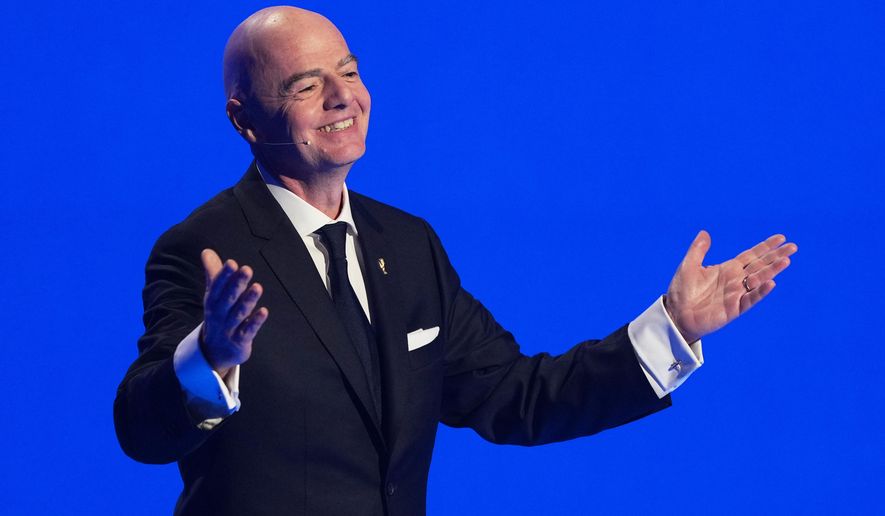
FIFA finds itself in an unprecedented diplomatic minefield. The organization must balance cultural neutrality with its stated commitment to inclusivity, navigating a complex terrain where sporting events increasingly become platforms for broader social dialogues. The 2026 World Cup match symbolizes a broader global tension: the collision between local progressive values and conservative cultural perspectives.
The implications extend far beyond a single soccer match. This incident represents a microcosm of ongoing global debates about human rights, cultural sovereignty, and the role of international sporting events in promoting social understanding. As globalization continues to compress cultural boundaries, such confrontations will likely become more frequent and more complex.
Questions 3
What are the broader implications of this World Cup match?
The match symbolizes the growing tension between global progressive values and conservative cultural perspectives. It demonstrates how international sporting events are increasingly becoming platforms for broader social and human rights dialogues, challenging traditional boundaries of cultural diplomacy.
Why are Egypt and Iran protesting the Pride Match?
Both countries argue that LGBTQ+ celebrations directly contradict their cultural, religious, and social values. Their legal systems criminalize homosexuality, with Iran potentially imposing death penalties and Egypt systematically prosecuting LGBTQ+ individuals, making the Pride-themed match fundamentally incompatible with their societal norms.