





Strait of Hormuz Shipping Crisis | Critical Supply Chain Impact for Cross-Border Sellers
- 21% of global maritime trade at risk; oil prices spike 3% in hours; sellers face 8-15% logistics cost increases within 30-60 days
























Overview
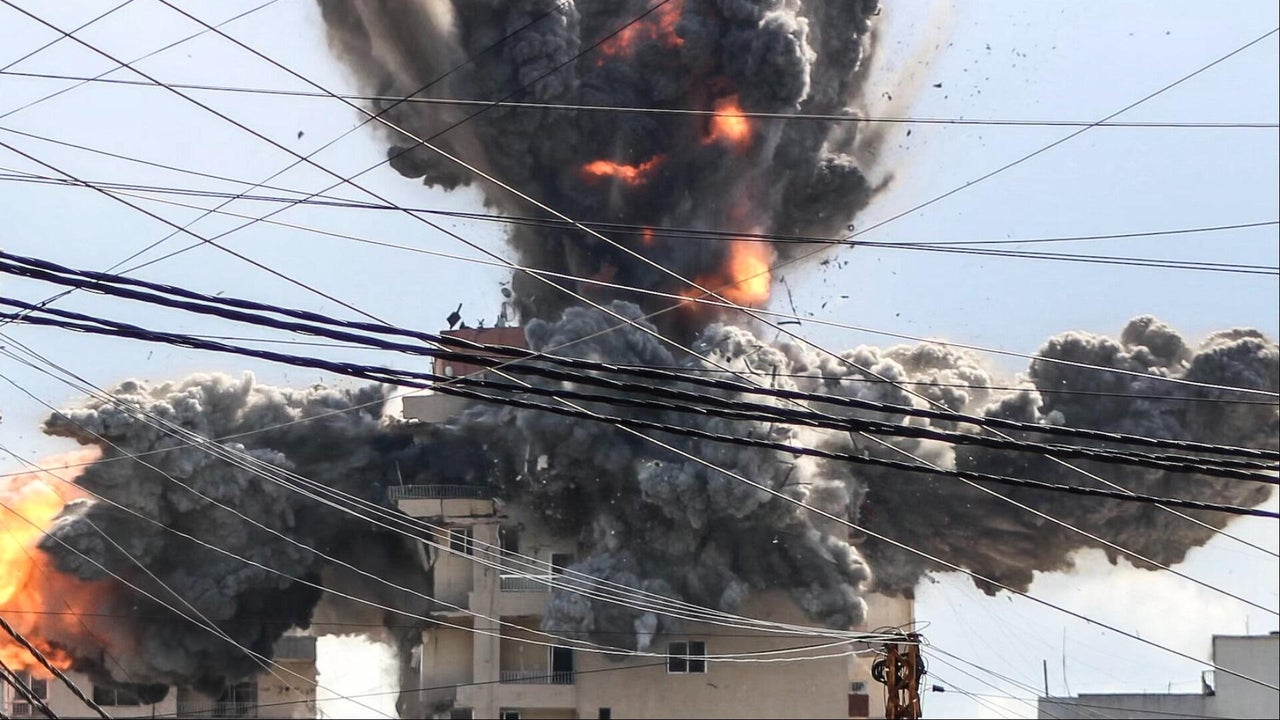
The fragile US-Iran ceasefire is collapsing as Israeli military operations in Lebanon escalate, directly threatening the Strait of Hormuz—the world's most critical shipping chokepoint handling 21% of global maritime trade. Iran has threatened to close the strait and is already implementing cryptocurrency toll systems ($1 per barrel for outbound oil), while only 11 vessels transited on Wednesday compared to normal traffic levels. This geopolitical crisis creates immediate supply chain disruptions affecting cross-border e-commerce sellers globally, particularly those importing goods from Asia or exporting to Middle Eastern markets.
The operational impact on sellers is substantial and time-sensitive. West Texas Intermediate crude jumped 3% in two hours following escalation reports, signaling rapid fuel cost volatility that directly translates to shipping expenses. For sellers using FBA (Fulfillment by Amazon) or third-party logistics providers, ocean freight costs from Asia to North America and Europe typically represent 15-25% of total landed costs. A sustained Strait of Hormuz disruption would increase these costs by 8-15% within 30-60 days as shipping lines reroute around Africa (adding 10-14 days to transit times) or demand premium rates for alternative routes. Sellers shipping 500+ units monthly from China, Vietnam, or India face immediate margin compression of $200-600 per container. Electronics, apparel, and home goods categories—which rely heavily on Asian sourcing—are most vulnerable.
Strategic sourcing shifts are already underway among major retailers. The news indicates Iran is requiring cryptocurrency tolls and implementing alternative maritime routes, creating compliance complexity for sellers. Smaller sellers (under $1M annual revenue) lack negotiating power with freight forwarders and will absorb cost increases immediately. Mid-market sellers ($1-10M revenue) should consider shifting 15-25% of inventory to nearshoring (Mexico, Central America) or accelerating air freight for high-margin items. Large sellers ($10M+) are likely already diversifying sourcing away from pure China dependency toward Vietnam, India, and Indonesia—markets less dependent on Hormuz transit. The two-week ceasefire window provides a critical 14-30 day opportunity to lock in current shipping rates before potential escalation forces renegotiation.
Compliance and risk management become urgent priorities. Lebanon's closure of public administrations and the humanitarian crisis (254+ deaths reported) signal potential customs delays and payment processing disruptions for sellers with Middle Eastern customer bases. Currency volatility in Lebanese pound and Iranian rial creates payment risk for sellers accepting regional payments. Sellers should immediately audit their supply chain: identify which suppliers depend on Hormuz transit, calculate margin impact of 10-15% freight cost increases, and evaluate inventory buffer strategies. The cryptocurrency toll system Iran is implementing may create additional compliance questions around sanctions and payment methods—sellers should consult trade counsel before accepting Iranian customer orders or using alternative payment routes.
Questions 8
How does oil price volatility affect my logistics costs?
West Texas Intermediate crude jumped 3% in two hours during recent escalation—a signal of rapid fuel cost volatility. Shipping lines apply fuel surcharges (typically 2-5% of base freight) that adjust weekly based on oil prices. A sustained $10-15/barrel increase translates to $150-300 additional cost per 20-foot container. For sellers shipping 50+ containers monthly, this represents $7,500-15,000 in additional monthly costs. Fuel surcharges are non-negotiable and pass through immediately. Hedge by locking all-in freight rates (including fuel) for 60-90 days with your freight forwarder.
Are there compliance risks with Middle Eastern customer payments?
Yes—Iran's cryptocurrency toll system and regional payment disruptions create compliance exposure. Sellers accepting payments from Iran, Lebanon, or Syria face potential sanctions violations under US/EU regulations. Currency volatility in Lebanese pound and Iranian rial creates payment processing risk. Avoid accepting cryptocurrency payments from Iranian sources without legal review. For sellers with Middle Eastern customer bases, verify payment processor compliance policies immediately. Consider suspending sales to high-risk regions until geopolitical situation stabilizes. Consult trade counsel before accepting any alternative payment methods from sanctioned jurisdictions.