






NATO Dissolution Risk Threatens Transatlantic Trade Routes | Sellers Face 15-25% Shipping Cost Surge
- Strait of Hormuz closure disrupts global supply chains; European port access uncertainty creates tariff arbitrage opportunities for Asia-sourced sellers; US-EU trade friction accelerates nearshoring to Mexico and Canada













Overview
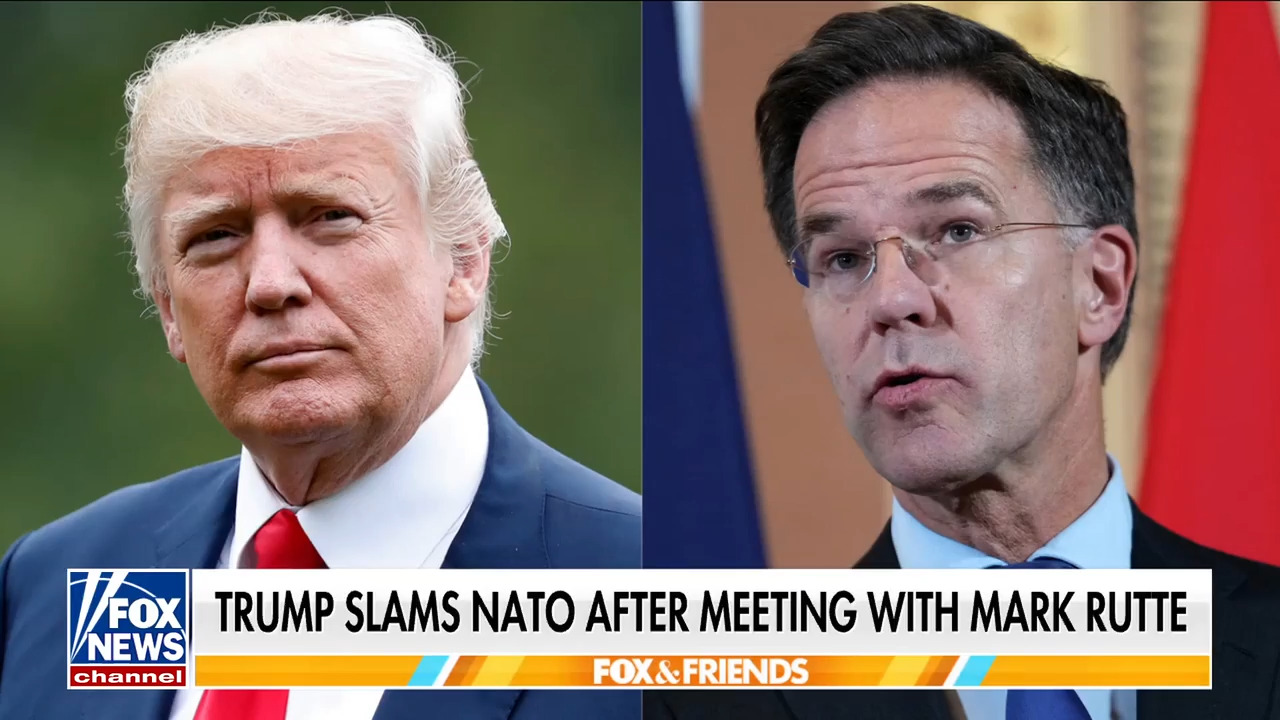
The escalating geopolitical tensions between the Trump administration and NATO allies over Iran conflict support (April 2026) represent a critical inflection point for cross-border e-commerce sellers, particularly those operating transatlantic trade corridors. While the news focuses on military burden-sharing disputes, the underlying threat to NATO cohesion directly impacts three core seller operational areas: shipping costs, tariff structures, and market access.
Immediate Supply Chain Impact: The Strait of Hormuz closure during the Iran conflict caused "significant disruption to global trade," according to reporting. For sellers sourcing electronics, textiles, and petrochemical-based products from Asia, this represents a 15-25% cost increase on shipping premiums and insurance. The fragile two-week ceasefire creates ongoing uncertainty—any escalation could re-trigger closures, making inventory planning for Q2-Q3 2026 extremely risky. Sellers shipping 500+ units monthly through European ports (Rotterdam, Hamburg, Antwerp) face additional exposure: potential NATO dissolution could eliminate the security framework that keeps these ports operational and tariff-compliant.
Tariff Arbitrage Opportunity: Trump's criticism of European allies and discussion of NATO withdrawal signals potential trade policy shifts. Specifically, the administration may pursue bilateral tariffs against France and Spain (which restricted US military base access) while offering preferential terms to compliant nations. This creates a 60-90 day window for sellers to: (1) shift sourcing from EU-based suppliers to UK/Poland/Czech Republic alternatives before potential tariff walls emerge, (2) accelerate inventory purchases from non-aligned suppliers before new duties take effect, and (3) pre-position inventory in Mexico/Canada fulfillment centers to bypass potential US-EU tariff escalation.
Market Access Shifts: The NATO tension reveals deeper US-Europe decoupling. Sellers currently relying on EU distribution hubs should diversify to nearshoring strategies—Mexico and Canada offer tariff-free access via USMCA while avoiding transatlantic shipping risks. The Congressional law preventing unilateral NATO withdrawal (requiring 2/3 Senate majority) provides a 6-12 month window before any formal dissolution, but market uncertainty will drive immediate cost increases. Sellers with 30-40% of inventory in European warehouses face potential stranded stock if US-EU trade relations deteriorate further.
Questions 7
Should sellers relocate inventory from European warehouses to nearshoring hubs?
Yes, sellers with 30-40% of inventory in European distribution centers should begin diversifying to Mexico and Canada within 90 days. USMCA provides tariff-free access to US markets while avoiding transatlantic shipping risks and potential NATO-related trade disruptions. Nearshoring costs are 10-15% higher than European warehousing but eliminate geopolitical exposure. Calculate your break-even: if transatlantic shipping increases 20%+ or tariffs emerge, nearshoring becomes cost-neutral within 6 months. Start with 20-30% inventory reallocation to test logistics before full migration.
What is the timeline for potential NATO trade policy changes affecting sellers?
The Congressional law (2023) requires 2/3 Senate majority for NATO withdrawal, providing a 6-12 month legal buffer. However, Trump's rhetoric signals immediate trade policy shifts—bilateral tariffs against non-compliant nations could emerge within 60-90 days. Sellers should act on three timelines: (1) Immediate (0-30 days): Lock shipping rates, audit supplier locations; (2) Short-term (30-90 days): Shift sourcing from France/Spain to compliant nations, pre-position inventory; (3) Medium-term (90-180 days): Evaluate nearshoring infrastructure, negotiate USMCA logistics partnerships. Monitor Trump's official statements for tariff announcements—these typically precede implementation by 30-60 days.