




Texas Hemp Smokeable Ban Creates $10K Licensing Barrier | Compliance Moat for Sellers
- Manufacturer licensing fees surge 3,876% ($258→$10,000); retail fees jump 3,123% ($155→$5,000); estimated 60-70% of non-compliant sellers face market exit by June 2026
















Overview
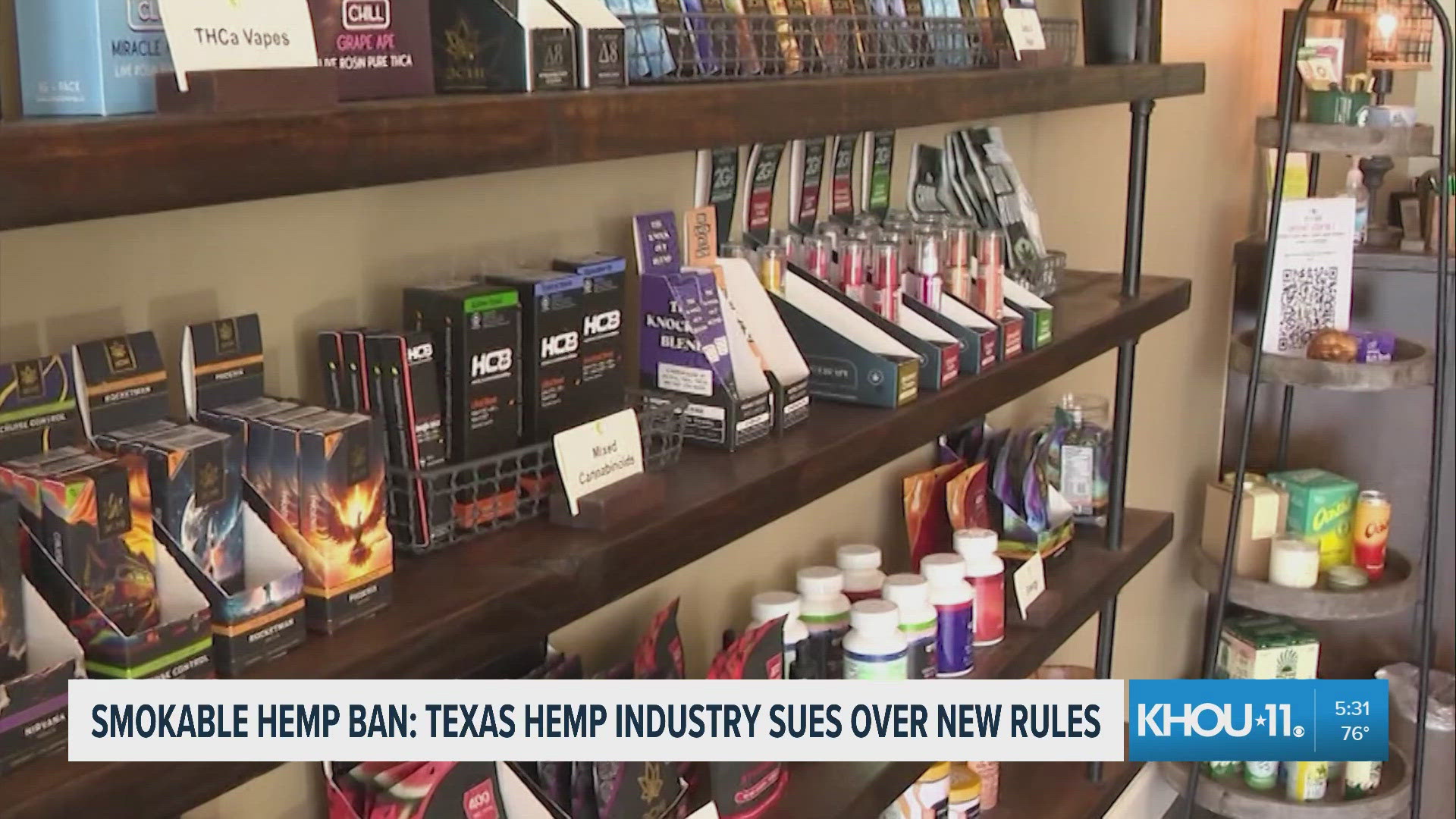
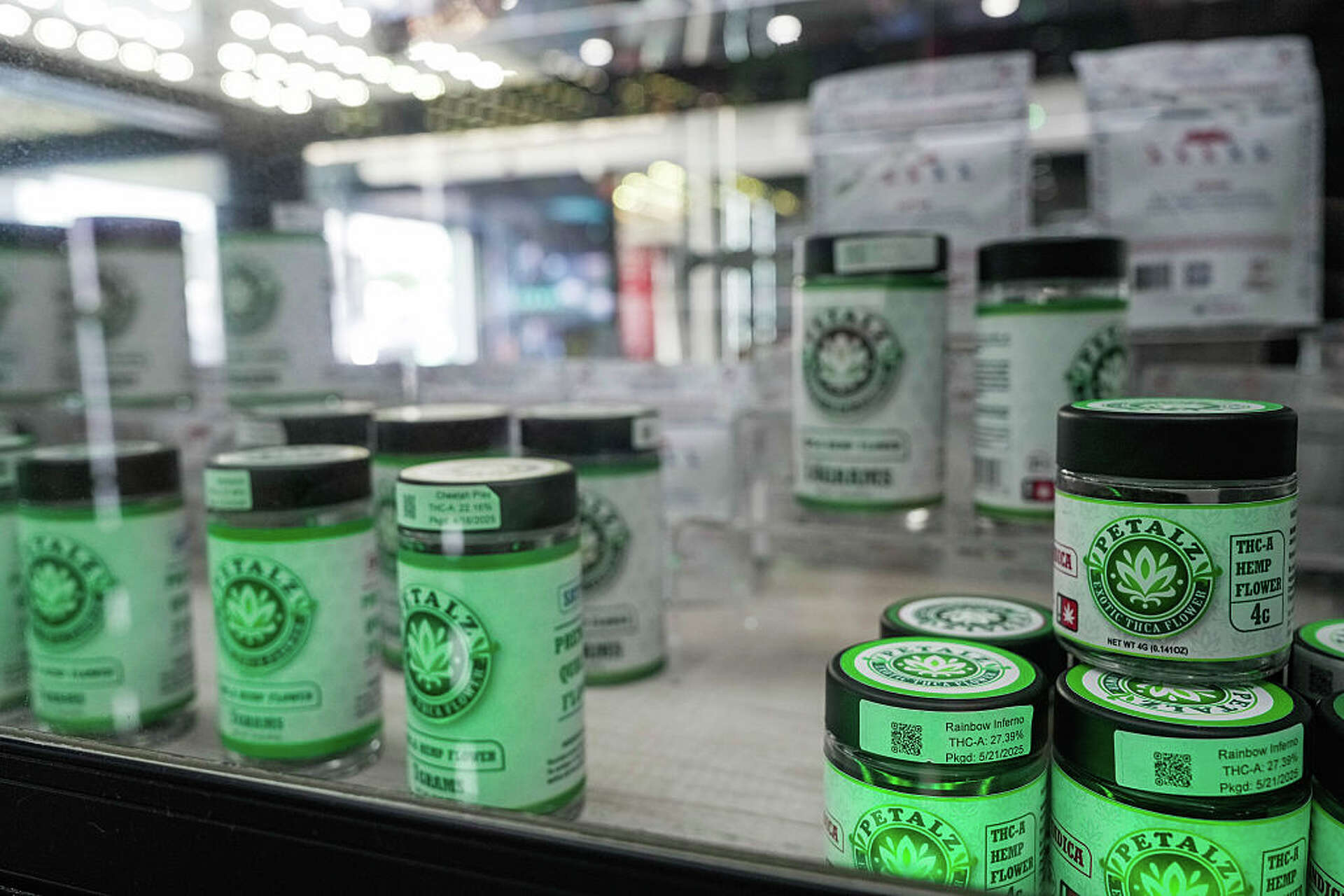
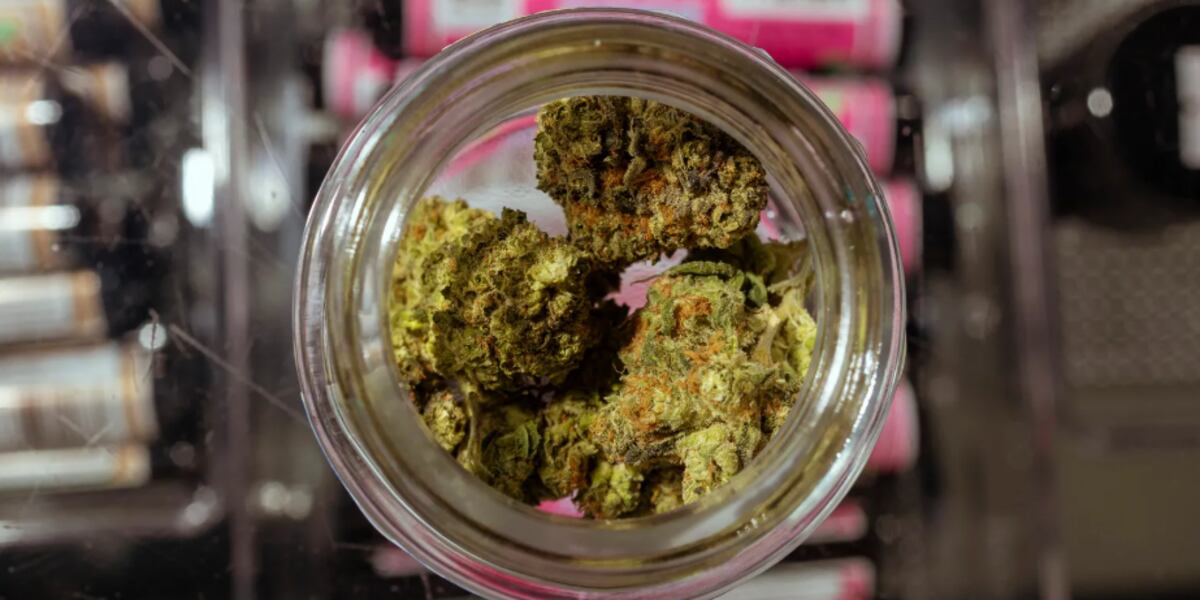
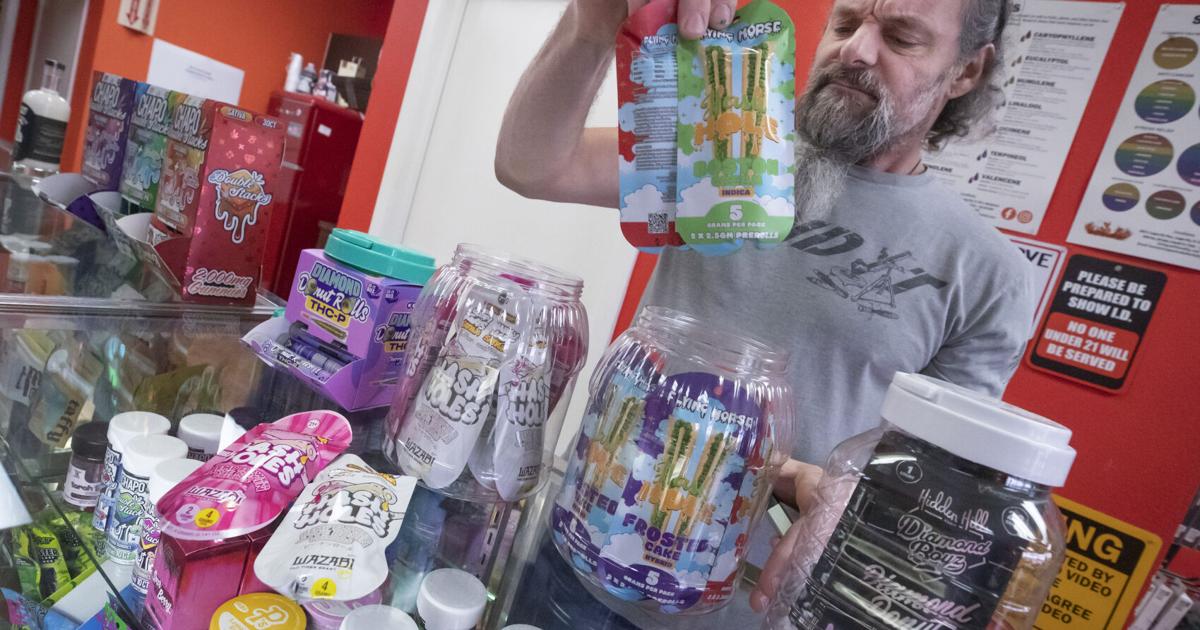
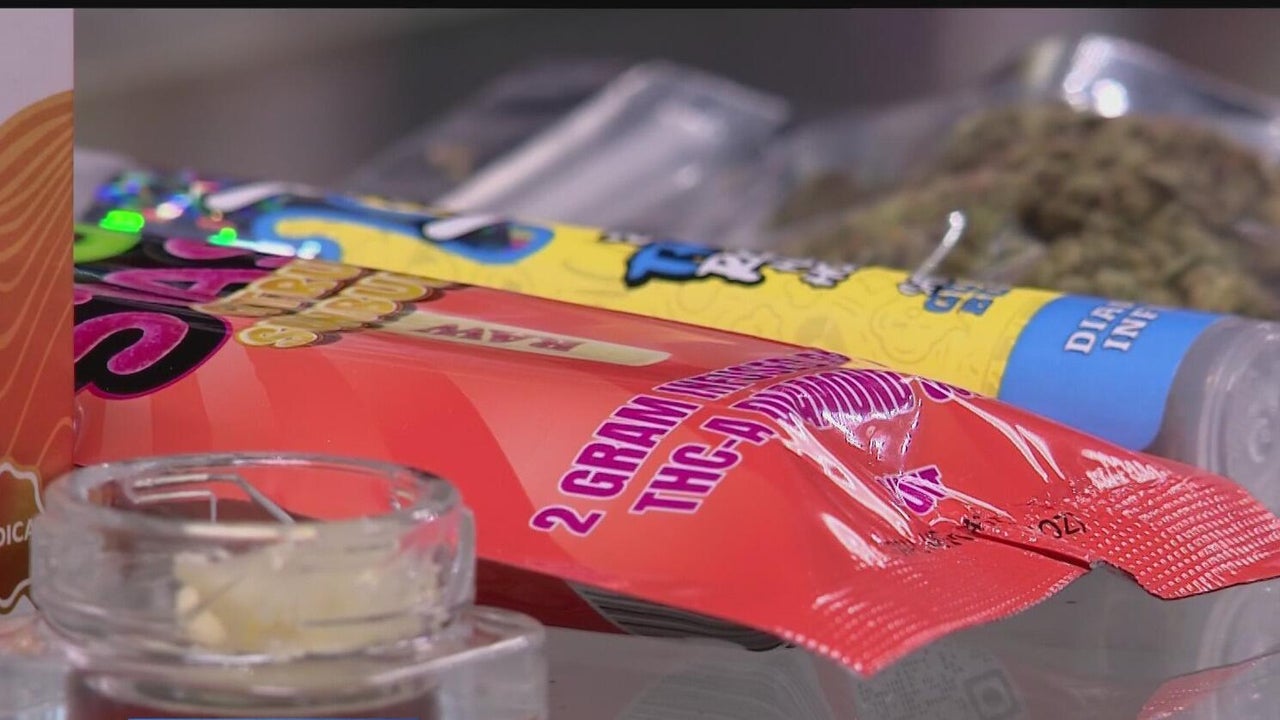
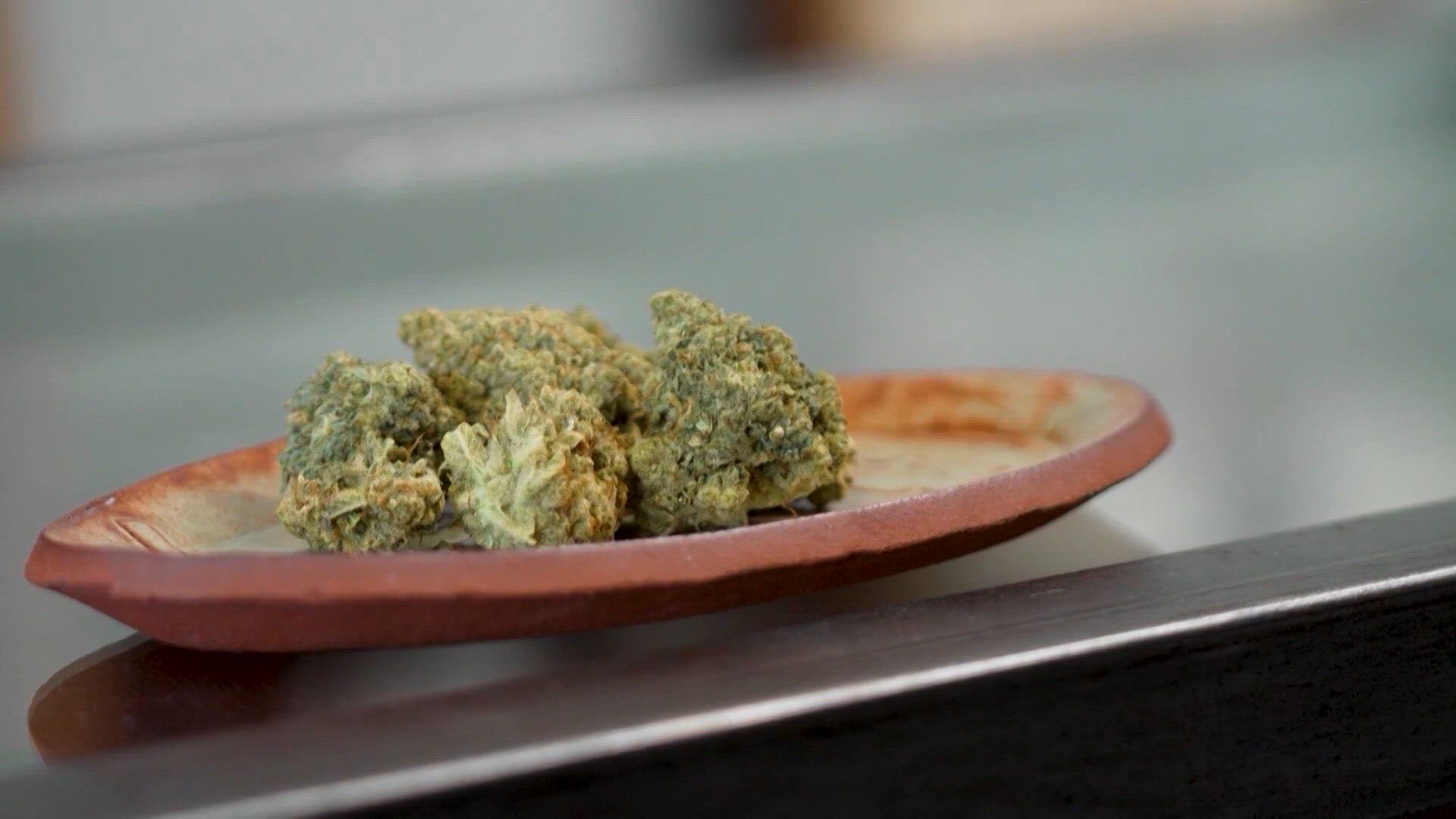
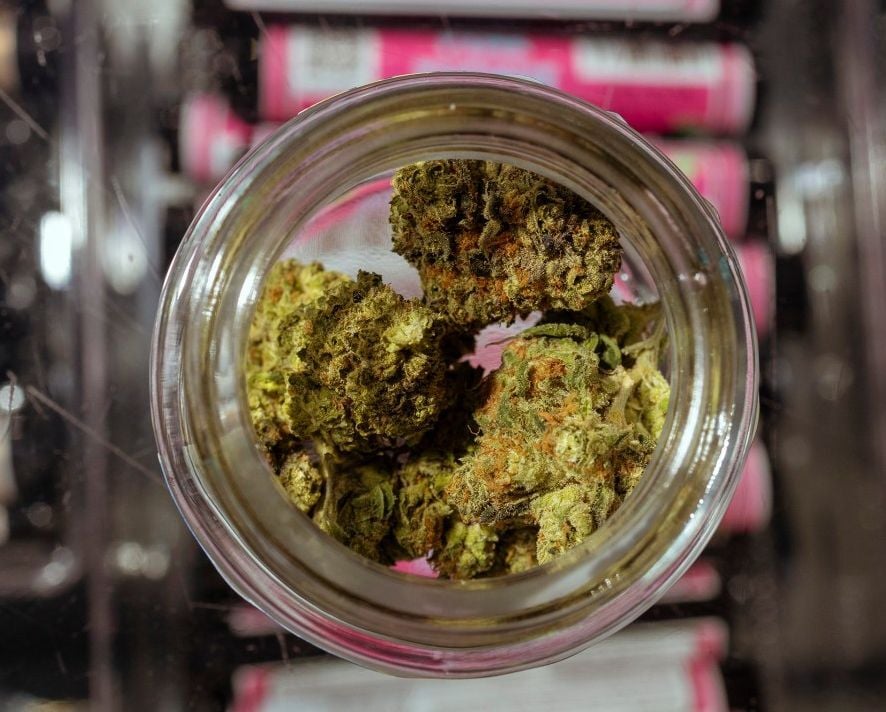
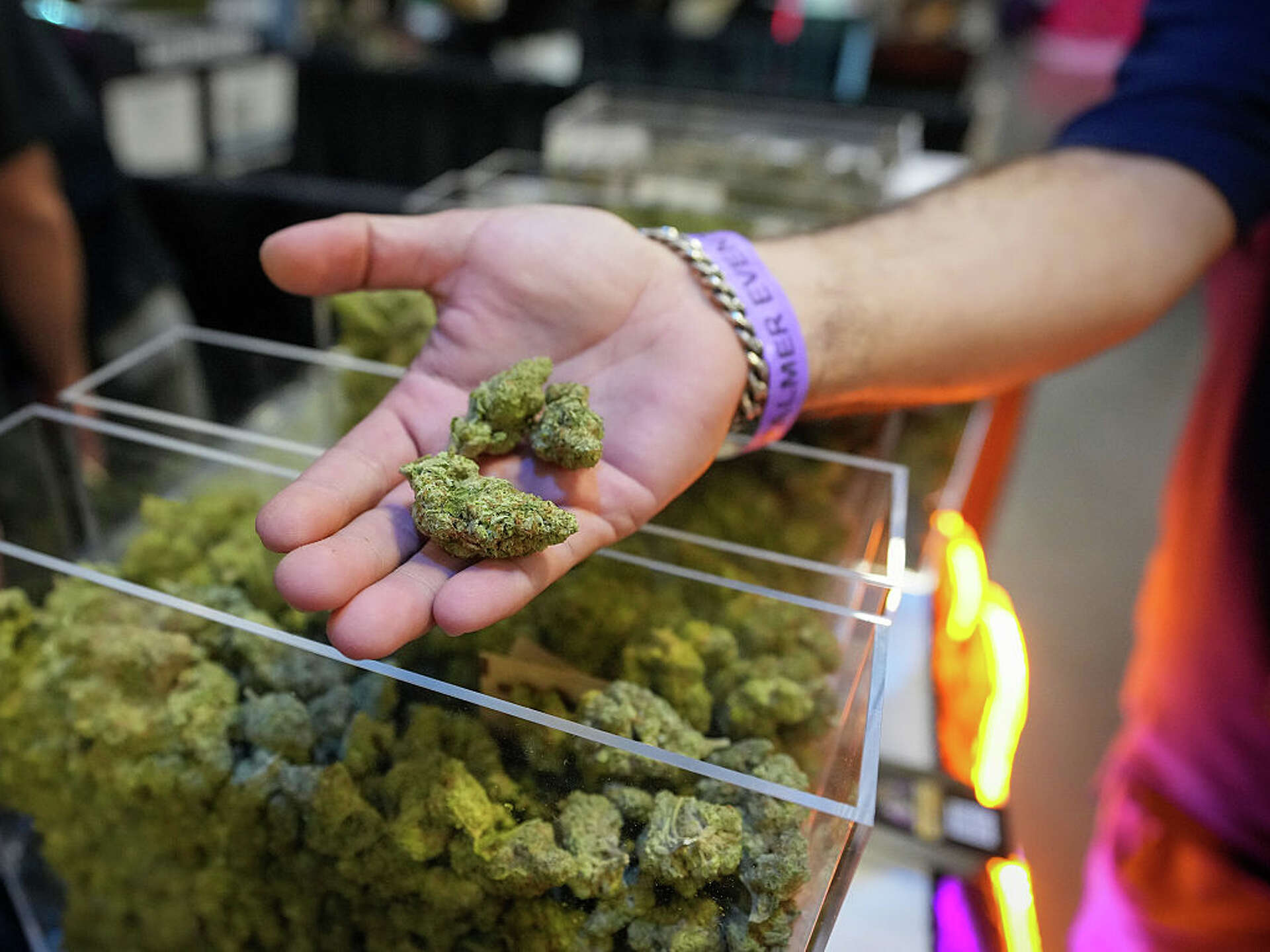
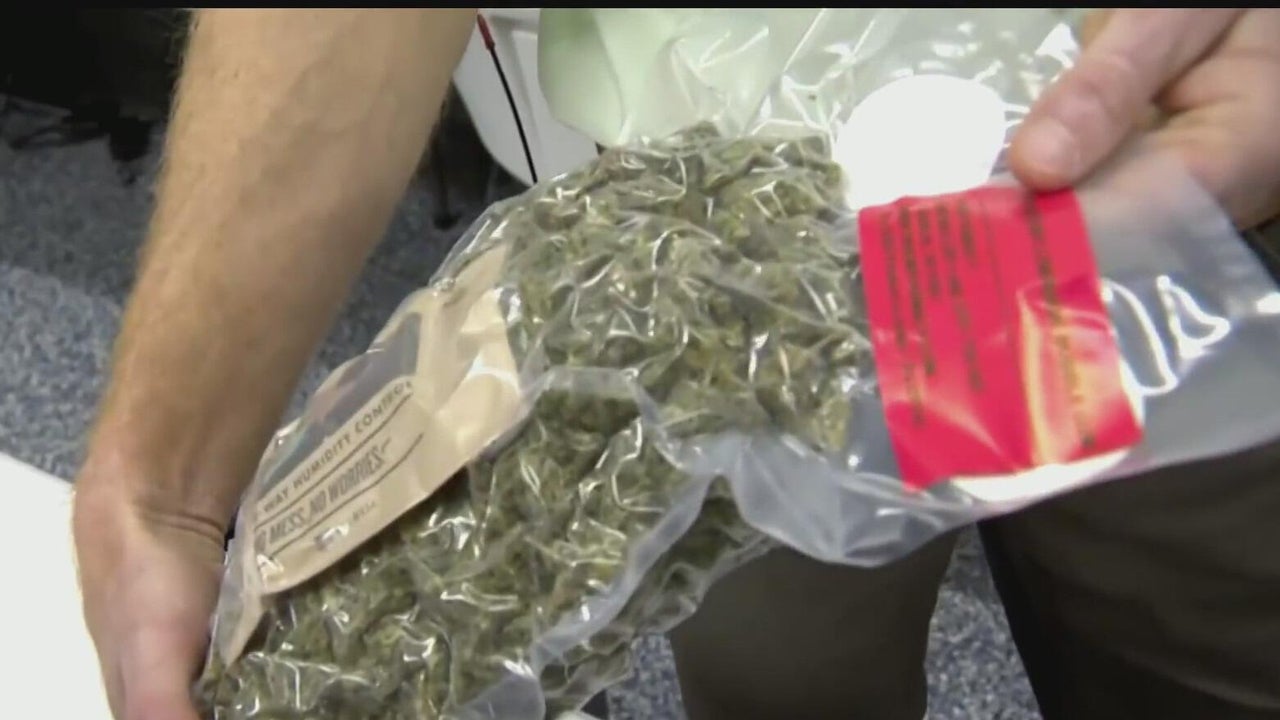
Texas's March 31, 2026 smokeable hemp ban represents a textbook regulatory compliance moat that will eliminate 60-70% of non-compliant sellers while creating premium opportunities for fast-track compliant operators. The Texas Department of State Health Services redefined hemp products by measuring total THC content (including THCA) rather than delta-9 THC alone, effectively banning THCA flower and pre-rolled joints—the category's highest-margin products. This regulatory shift, combined with dramatic licensing fee increases (manufacturer fees from $258 to $10,000; retail registrations from $155 to $5,000), creates a two-tier market: compliant sellers with capital to absorb $10K+ annual licensing costs, and non-compliant operators facing $10,000 daily violation penalties and license revocation.
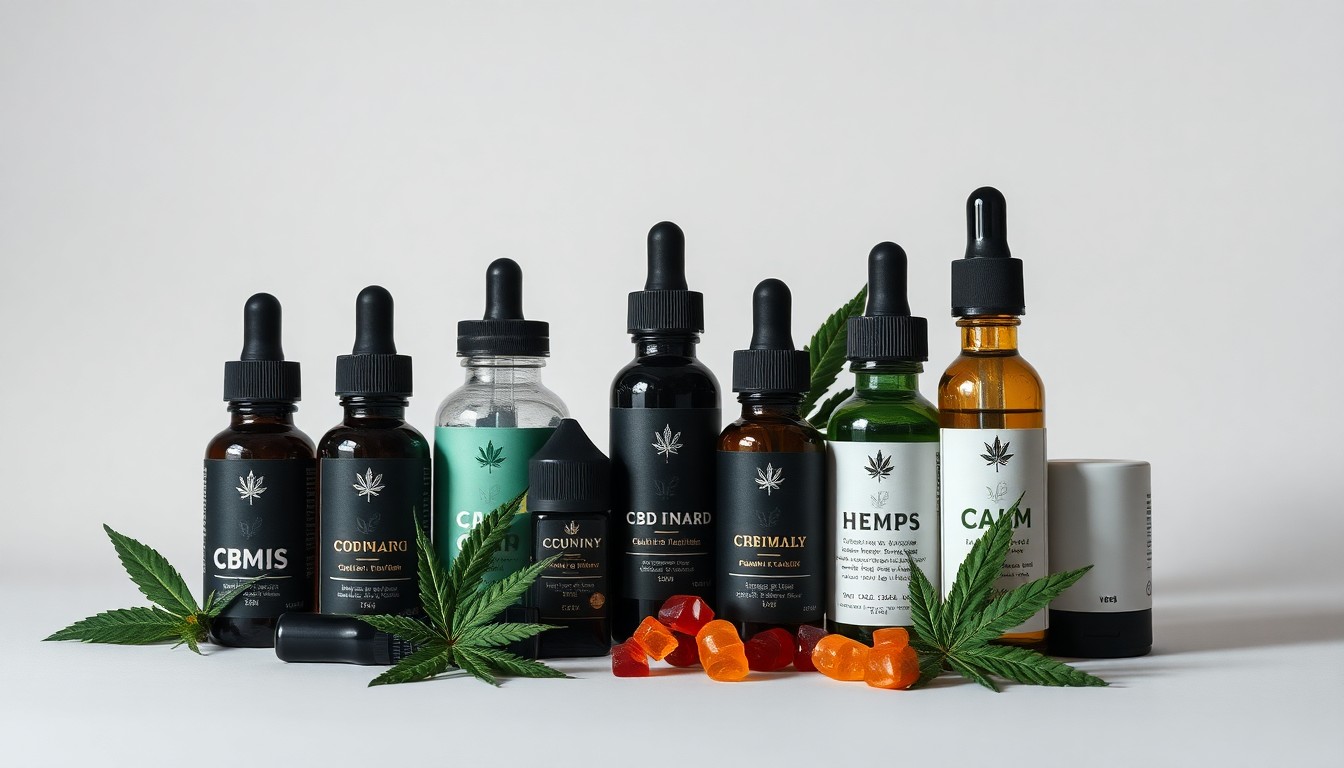
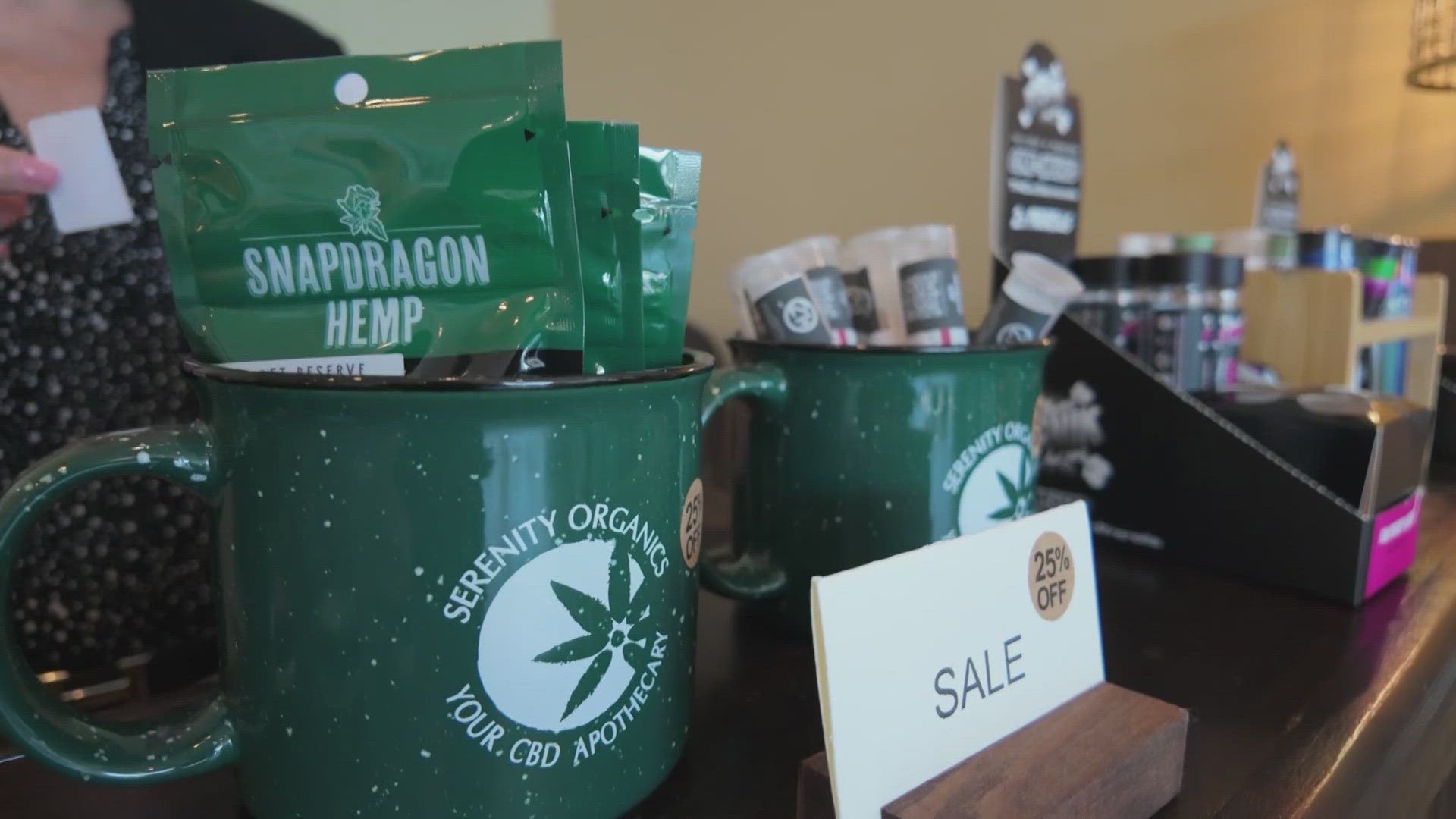
The compliance barrier is exceptionally high and creates immediate market consolidation. Current Texas hemp sellers face three paths: (1) exit the market entirely, (2) pivot to compliant product categories (CBD isolates, non-smokeable hemp derivatives, hemp-derived wellness products), or (3) invest in expensive compliance infrastructure including child-resistant packaging, third-party testing for total THC content, and age-verification systems (21+). The lawsuit filed by Texas Hemp Business Council and Hemp Industry Farmers of America challenges the regulatory authority but does not suspend enforcement—meaning sellers cannot rely on litigation outcomes and must assume March 31 regulations remain in effect. Retailers currently selling THCA products have zero grace period; non-compliance begins immediately.
For compliant sellers, this creates a protected market with reduced competition and pricing power. Sellers who achieve compliance before June 2026 will face 40-50% fewer competitors in the Texas hemp market, allowing margin expansion from current 25-35% to potential 40-50% on compliant products. The category elimination also creates demand for alternative products: hemp-derived CBD products, non-intoxicating hemp wellness items, and compliant hemp flower (delta-9 THC ≤0.3%) can capture market share from exiting THCA sellers. Compliance service providers (testing labs, packaging manufacturers, regulatory consultants) will see 300-400% demand spikes as remaining sellers rush to achieve certification before enforcement penalties begin.
The regulatory precedent extends beyond Texas. The pending Texas Supreme Court decision on the 2021 delta-8 THC ban will directly impact this smokeable hemp case, potentially creating a nationwide template for state-level THC product regulation. If Texas prevails in establishing administrative agency authority to redefine hemp products, expect 8-12 additional states (Florida, California, New York, Colorado) to implement similar total-THC measurement standards within 12-18 months, creating a cascading compliance opportunity across multiple markets.
Questions 8
What exactly changed in Texas hemp regulations on March 31, 2026?
Texas redefined hemp products to measure total THC content (including THCA) instead of delta-9 THC alone, effectively banning THCA flower and pre-rolled joints. The regulations also mandate child-resistant packaging, age verification (21+), and third-party testing. Licensing fees increased dramatically: manufacturer fees from $258 to $10,000 annually, and retail registrations from $155 to $5,000. Products exceeding 0.3% total THC are deemed noncompliant regardless of whether THC is only activated upon heating. Retailers face $10,000 daily violation penalties and potential license revocation for selling noncompliant products.
How will the pending Texas Supreme Court delta-8 decision impact hemp sellers?
The 2021 delta-8 THC ban case, currently pending before the Texas Supreme Court, directly impacts the smokeable hemp ban outcome. Both cases challenge state health agency authority to redefine hemp products without legislative approval. If Texas prevails in establishing administrative agency authority, it creates a legal precedent for nationwide state-level THC product regulation. This could trigger similar total-THC measurement standards in 8-12 additional states (Florida, California, New York, Colorado) within 12-18 months. Sellers should monitor the Supreme Court decision (expected Q3-Q4 2026) and prepare for multi-state compliance requirements if the precedent is established.